


 When the green movement began in April 1970, marked by the first earnest Earth Day celebrations, much was still unknown about what changes we should be making to become more environmentally conscious.
Over the past 40 years, so much research and creativity has been spun into green thinking, technology innovations, and practical habits beyond making sure to faithfully sort paper, plastic, glass, and cans into their proper bins. These days, there are seemingly innumerable green living strategies to incorporate, but which ones have the biggest environmental impact, and which are practically achievable for families in terms of making affordable lifestyle modifications?
Most of us are not equipped to lead eco-faultless lives — raising a family is an already challenging daily juggling act dependent on a certain number of conveniences that aren't always green — but if you ever find yourself wondering about what simple but effective changes you can make on the home front to boost your family's "green grade," then you've arrived at the right virtual welcome mat! Together let’s take a stroll around your abode to identify additional earth-healthy habits your household can incorporate to become more green.
Let's get started!
How green does your garden grow?
Car talk: Getting from point A to point green
The green scoop on poop and other bathroom business
Much ado about doo-doo
Greening the family diet
In the kitchen: Green appliance envy
Let's talk dirty laundry...
More bright ideas
How Green Does Your Garden Grow?
When you walk out in your yard, what do you see?
a. Garbage Gut, our composting container
b. Old Faithful, our rain barrel
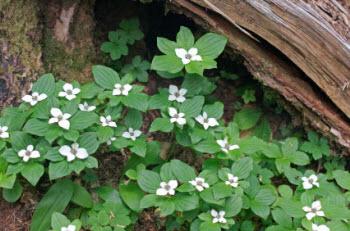
c. Native plantings
d. Well-maintained landscaping
e. A Land of Oz-worthy lawn — could use a mow
Composting: Composting not only reinvigorates poor soils, but can boost soil's ability to retain water, thereby cutting down dramatically on water usage. Also, by placing food waste into a composting bin, you are preventing your organic household scraps from contributing to landfills, reducing the formation of methane and leachate.
Composting Tips for Families:
Get the kids involved. Composting is an excellent green chore for kids. Have them collect all eligible food waste at the end of your meals and make it a game to see how much they can find. Plus, what kid doesn’t love playing in the dirt? They will have loads of fun turning the compost pile over every time new waste gets added.
Vermicomposting — It's all the rage! Not content to merely compost like the Joneses next door? For extreme-green credentialing, consider starting a worm bin. A bit of work to set up initially, worm bins in short order become hyper-efficient factories for composting your family's food waste, resulting in the highest quality compost possible. Visit Seattle Tilth's website to get binfuls of information on general composting, including all the wriggly facts and how-tos of vermicomposting, as well as other indispensable guides to urban farming, conserving natural resources, and supporting local food systems.
Did you know... Consider these fun facts shared in USA Today's Guide to Green Living: our earthworm friends can eat their own weight in organic material every day! Their population doubles each month! Their castings (read: worm poop) yield five times more nitrogen, seven times more phosphorus, and eleven times more potassium (three key minerals for healthy plant growth) than plain soil.
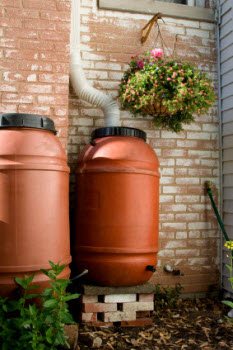 Rain barrels: Households use 40% of their total annual water consumption during the summer months. Setting up a rain barrel can save you 1,300 gallons of water each year (we have to assume even more for those of us living in the Pacific Northwest!), as well as reduce energy consumption and money spent on water bills.
You can easily get started developing a rain barrel system by visiting your local hardware store. Gone are the days of having to special-order environmentally friendly items — you can find a quality barrel for around $100.
Greenscaping: By featuring native plants in your yard (i.e. plants endemic or naturalized to the area where you live), you will not only conserve energy and money put forth to maintain a landscaped yard, but you will also be reducing water usage and waste.
For how-tos on creating your own native-plant landscape, visit King County's "go native" plant guide. The site also includes a list of native plant nurseries in Washington State.
Landscaping: Maintaining an overly landscaped yard requires a lot of upkeep, energy, and water. Going in the direction of a greenscape can not only help the environment, but it will also free up your precious weekend time for other family pursuits.
Best Tips for Families:
Start small. You don’t need to overhaul your yard all at once; just start replacing plants and greenery each summer as you see fit. Every little bit helps. Also consider suspending your yearly habit of planting spring annuals and plant perennials instead.
Lawn-natural? A well-manicured and lush green lawn may seem as American as apple pie, but lawns of mowable grass are actually unnatural. Wake Up and Smell the Planet: The Non-Pompous, Non-Preachy Grist Guide to Greening Your Day shares these sobering facts: 54 million people mow their collective 40 million acres of lawn each week during the summer, burning through 800 million gallons of gas in the annual pursuit of perfectly manicured grass. The recitation of shame continues: In some cities, a full two-thirds of fresh water reserves go to quenching thirsty lawns and 70 million pounds of pesticide are applied to home lawns, trees, shrubs, and plants.
 Car Talk: Getting From Point A to Point Green
As you peer into your garage or glance down the driveway, what do you see?
a. An SUV crammed with car seats and strollers
b. A hybrid
c. A well-maintained older family car
d. Well-used bicycles
The U.S. unfortunately is a car-obsessed culture: Half of the world's oil goes into vehicles, spewing a quarter of the world's greenhouse gasses in emissions. Burning one gallon of gas produces 20 pounds of carbon dioxide, which contains five pounds of pure carbon. The average car emits 12,000 pounds of carbon dioxide each year, and there are over 230 million registered vehicles in the United States. Your willingness and efforts to forego extraneous car travel will go a long way to lessening your family's impact on the environment.
Full hybrid car, or, smaller is better. By downsizing the family SUV to a mid-size hybrid car for your city driving needs, you could reduce your gas usage by about 70%.
Know the difference between a "mild" hybrid car and a "full" hybrid car (Hybridcenter.org is a great resource for learning about hybrid options and variations). The web abounds with helpful information about green cars. To see where your car ranks in terms of fuel economy or to gather information for purchasing a new or used energy-efficient car, visit the Department of Energy’s super-nifty fuel economy site.
Car maintenance: By taking conscientious care of your car you can reduce your carbon footprint in a dramatic way because you are practicing habits that add up over the long haul.
Best Tips for Families:
Slow down, Cinderella! Did you know that by increasing your speed from 50 to 60 miles per hour you use 20% more gas — and wear out your tires more quickly? So let those gas-guzzling speed demons pass you by on the highway, feeling smug and confident about your choice to help the environment.
Check your tires and replace when worn down. Balanced tires, with correct air pressure, use less gas. Underinflated tires cause a 5% decrease in fuel economy, which adds up quickly at the gas pump.
At the carwash... carwash, yeah! It is actually better for the environment to wash your vehicle at a commercial car wash than in the driveway at home. By mixing air with water half and half, carwash businesses use 60% less water in the process than you do just rinsing off your car. Commercial car washes are also required by law to send their waste water to treatment, while the average home job wastes approximately 116 gallons of water that typically run off through the sewer system into natural waterways.
Carpooling or car sharing. By arranging a carpool even one or two days a week — not only for commuting to work but to also port the kids back and forth to school — you will be developing a habit that can make a measurable positive impact on the environment. If carpooling is not an option for you, talk with your employer about the possibility of telecommuting one day a week. Many companies are embracing the benefits of allowing employees the flexibility to work from home occasionally.
Bicycles. If you can swing it, you will make an enormous impact on preserving our environment by biking to work. This earth-friendly transportation option will also result in a huge benefit to your health and wellbeing.
Go Metro! If biking the entire way to work is not feasible, check out your public transportation options. Get the best of both worlds by riding your bike to a transit center and hopping on a bus with your bike in tow. Bike shorts = optional.
Minimize short-distance car trips. If you just need to pick up a few items from the store, bike down the road instead of climbing into the car. Make quick trips like these a family event by getting the kids to ride along with you.
 The Green Scoop on Poop and Other Bathroom Business
When you walk into the bathroom, what do you notice?
a. A toilet purchased before 1995 — wow, that is some ring in there!
b. A low-flow or dual-flush toilet
c. Water gushing from the tap while someone is brushing his teeth
d. Someone soaking in the tub
e. A low-flow showerhead
Low-flow or dual-flush toilets. Toilets purchased before 1995 can use up to five gallons of water per flush. Those manufactured in 1996 and after use no more than 1.6 gallons of water per flush. Dual-flush models provide the election options of using a lighter flow (0.9 gallons) for flushing liquid waste and a more substantial flow (1.28 - 1.6 gallons) to jettison solid waste.
Good Toileting tips:
High-efficiency toilets. High-efficiency toilets can reduce your water usage even further, utilizing no more than 1.3 gallons of water per flush.
Weird science. If you can’t afford to replace your toilet just yet, drop a plastic bottle filled with water and a bit of sand or pebbles at the bottom to keep it submerged. This vessel displaces the amount of water needed to fill your toilet back up, resulting in using a half to one full gallon less water per flush.
They call it mellow yellow. Only flush the toilet if you feel it’s necessary. What necessitates a flush is obviously a matter of personal and situational choice, but the old (and yes, unseemly) adage, "If it's yellow, let it mellow " has served families for decades. Just saying.
Find leaks. To stop the real drain on your dollars, make sure your toilet doesn't have a leak. Almost undetectable to the naked eye, toilet tank leaks can add $100 or more to your monthly water bill (even a 1/32-inch leak — about the size of a period — can result in thousands of gallons of waste water a year). Test for leaks with a water-saving bathroom kit or put a few drops of food coloring in the tank, wait about 15 minutes, and then check the bowl. If signs of food coloring show up in the bowl, the tank is leaking and should be fixed or replaced.
Be water-wise. Taking short showers instead of baths can reduce your water consumption by 50% or more. Another water-wasting habit to curb? Letting the tap run while brushing your teeth — doing so can save eight gallons of water a day.
Water-Wise Tips for Families:
Timer. Place a timer in your shower to reduce the amount of water used. There are a variety available, from an hour glass that requires no batteries to fun kid-friendly digital shower timers. Make conserving water a fun "beat the clock" challenge for your kids.
Low-flow showerhead. A typical shower uses 25 gallons of water. You can save 50-70% water simply by installing a low-flow showerhead, which you can purchase for around $10. The mind boggles to think about the amount of water you could save in a year if you used both a low-flow showerhead and a shower timer! Do it, ducky!
Look for leaks. Even a minor trickle emanating from around the faucet or showerhead adds up to gallons of water wasted each week.
Water heater efficiency. Check to make sure your water heater is in efficient working order, since heating water accounts for about 15-20% of overall home energy use. Electric water heaters are typically more efficient than gas heaters, though electricity production wastes more energy.
Close shave. Ladies and gents, don't shave in the shower! Your shower delivers two to five gallons of water a minute and the power needed to heat just 1.6 gallons of water generates a pound (!) of greenhouse gases.
Scrub-a-dub-tub. Standard cleaning products have plenty to answer for in terms of toxicity to the environment and human health. While there are a growing number of eco-friendly cleaning products on the market, you can also consider making your own! Most DIY green cleaners leverage cheap and common everyday ingredients: baking soda, white vinegar, castile soap, olive oil, and water. For recipes and information, visit EarthJustice.org.
Did you know... A stalwart staple, baking soda in particular deserves a kingly rank among your organic cleaning products. A naturally occurring compound, almost the entire U.S. supply and a full one-quarter of the world's supply of baking soda comes from Green River, Wyoming. Who knew? Eerily suited to key household jobs ranging from brushing teeth to baking a birthday cake to sanitizing a refrigerator to gently but effectively scouring your bathroom, baking soda deserves its own infomercial: "It neutralizes acids! It scrubs without scratching! It leavens! It freshens the air! It cleans the grimiest of ovens! It's non-toxic! What is this miracle product, you ask? It's ... baking soda!!"
 Much Ado About Doo-Doo
While we're on the topic of waste... ahem ... let's talk about some of the other poop-producers in the house: Baby and Bowser. For starters, each of our little bundles of joy (we're talking about Baby now) will literally produce one ton or more of dirty diapers before our unflagging attempts at potty training kick in.
The disposable vs. cloth debate will continue to rage on, given both options are not exactly poster children candidates for sustainability — conventional disposables fester forever in landfills and cloth diapers waste water (to wash) and energy (to dry). The mind — and olfactory sense — boggle in consideration of the fact that 20 billion diapers are added to U.S. landfills each year. So, what is a caring and guilt-ridden parent to do?
If it helps, there really is no moral high ground to claim when it comes to the great diaper debate... At the end of the day, you'll discover what works best for your family and lifestyle. Do your research, ask other parents for advice, and plan to do your own testing with Junior.
Best Tips for Families:
Earth- and fanny-friendly diapers. For many parents, bleached, gel-filled disposable diapers are unconscionable. Local to the Northwest, gDiapers entered the market a few years ago with a flushable/biodegradable diaper designed to deliver the convenience of disposable without the nasty and lasting landfill legacy. And really, wouldn't you want your child's personal legacy to outlive that of his diapers, which take 500 years to biodegrade?
Plastic pangs. Of course, there are also a number of other eco-conscious diaper brands that replace all the nasty-plasty ingredients with constituent absorbers like wood pulp and cornstarch. Again, do your research, test a few brands out, and see if you find the perfect fit.
Elimination communication. Around the world, plenty of parents raise their children without the convenience of nappies. For moms and dads who can learn to read their child's potty cues — and no doubt sustain a certain amount of messy lapses — this au natural approach could work. Think you have what it takes? Check out DiaperFreeBaby.com to see if a diaper-less life is for you.
 Best Green Pet Tips for Families:
Fido & Fancy. Cleaning up the poop of our beloved family pets feels about as green a chore as taking a nine-hour-long, scalding hot shower. What can you do to ... uh... lighten the environmental load?
Never flush Fancy's feces. Even if your kitty litter of choice purports to be flushable, please never ship your cat's mess down the toilet, especially if you live in a coastal area! Many domestic cats carry Toxoplasmosis Gondii (TG), which can infiltrate the water supply and harm marine life. Grist.org reports that because TG is resistant to standard sewage treatment, it is believed to be directly responsible for 20% of all sea lion deaths.
Litter rip! Luckily there are plenty of great eco-friendly and clay-free cat litter options, including products made from recycled paper, corn, wheat, and even tea leaves! You can also go extreme green and plan to compost your catbox contents — you'll need to get a dedicated bin with holes in the bottom and allow the soiled litter to compost for more than a year. Cat litter compost, once properly seasoned, will work fine for augmenting soil in your ornamental beds, but do not use it on edible-plant beds; also remember that if you are pregnant, you must not handle your cat's litter box contents at all — exposure to possible TG parasites must be avoided!
Old dog, new poop. Packaging up your pampered pooch's poo-poo in plastic is ... pretty poopy! How can you lessen your plastic-dependent impact? Start by having friends stockpile their newspaper and plastic grocery bags for the purpose — at least then you aren't purchasing additional plastic bags to handle the mess and create more. Of course, there are also flushable/biodegradable options on the market (like Flush Puppies), which could appeal. For the extreme greener, there is always the option of composting Fido's droppings: you'll need to dig a hole — a deep, deep hole — away from all water sources, add a septic starter, and plan to leave the doo covered for a long time. (And we're talking people years, not dog years here.) Learn more on CompostingInstructions.com, and good luck with that...
 Greening the Family Diet
When you peer into your refrigerator, what kinds of food do you see?
a. Organic all the way, baby!
b. Many foods produced locally
c. A stockpile of frozen convenience foods — all hail, Stouffer's!
d. A meat eater's paradise
Buy organic. Purchasing organic foods is not only best for your health, but it also has a positive impact on the environment. Organically produced foods don’t use synthetic pesticides or fertilizers, which have been known to pollute soil and waterways.
Great Food Shopping Tips for Families:
Buying organic can get pricey. If you can’t afford to completely go organic, pledge to avoid these “dirty dozen” fruits and vegetables in their non-organic form, as they tend to have the most pesticides used in their growth and production: peaches, apples, sweet bell peppers, celery, nectarines, strawberries, cherries, lettuce, imported grapes, pears, spinach, and potatoes. To read more about pesticides on many more produce items, check out the Environmental Working Group’s shopping guide.
Buy local. Buying locally produced food cuts down on “food miles,” i.e. the distance food has traveled before you buy it. Produce found in the average grocery store can travel as far as 1,500 miles from the farm/factory to your plate, a distance 27 times as far as food sourced locally. As an example, an amazing 40% of the fruit consumed in the United States is grown overseas. "Buying local," along with biking, driving a hybrid, and recycling, is thus a very realistic way that families can dramatically shrink their carbon footprint and be good stewards of the environment. Learn to count food miles as obsessively as a dieter counts calories.
Involve the family. Make it a weekly family event to visit your local farmer’s market. Have the kids help pick out fruits and vegetables they would like to try during the week, looking for ways to introduce their palates to new seasonal produce.
Made in the USA. If you are unable to purchase food locally, think in terms of purchasing foods produced and shipped from within the United States. Food shouldn't rack up frequent flier miles.
Start at home. You can go even more local by starting your own garden. Involve the kids to teach them how to live off the land. They will find it more fun to try foods they can pick from their own backyard.
Coffee consciousness. Given our lugubrious Northwest weather, that morning cuppa Joe often feels necessary to jumpstart our day. Not only should you be label-conscious with respect to coffee that is triple-certified — referring to shade-grown, fair-trade, and organic certifications that guarantee the liquid fortification you're consuming supports sustainable agriculture and fair labor standards — but reduce your use of disposable cups by investing in a ceramic or stainless steel mug. Stainless steel is a particularly great choice, given its durability and the fact that, on average, stainless steel contains 60% recycled content. Why it's enough to make you feel good about your caffeine addiction!
Paper or plastic, ma'am? This is a gimme: "Neither!" No use going ten rounds over which grocery-bagging option ultimately presents the greater environmental evil — just land on the unimpeachable side and bring your own reusable cloth bags to the market.
Reduce consumption of frozen prepared foods. It takes a lot of energy not only to produce frozen foods, but also to package, transport, and store them. Can't give up the convenience of frozen prepared foods altogether? Many families are busy these days, it's true, but together, committing to cooking dinner five nights a week without relying on frozen foods is an honorable and achievable goal.
Eat less beef. Because of their digestive systems, cows produce methane (AKA cow farts) as a byproduct, which “is 20 times more powerful than carbon dioxide as a greenhouse gas.”
Educate yourself. Take a look at what the Environmental Working Group produced to show a graphic depiction of how harmful eating beef and other meats can be to the environment as compared to driving a car.
Methane-less Mondays. A growing number of earth-conscious families are joining the Meatless Monday movement, pledging to not eat any meat one day a week. You might also considering restricting cheese from your diet one or two days a week — the Environmental Working Group, along with the environmental consulting firm CleanMetrics, assessed the carbon footprint from manger to plate of 20 types of meat, dairy, and vegetables, and the top three foods that generate the most greenhouse gases were lamb, beef, and cheese. Those dastardly cow farts!
Want to learn more? Here are some great websites to explore for more ideas on adopting a lower carbon-impact diet:
LowCarbonDiet.ca
EverydayHealth.com
LocalHarvest.org
Sustainable.org
MeatlessMonday.com
GreenEnergySustainabiliy.com
 The Kitchen: Green Appliance Envy
When you walk into your kitchen, what do you notice?
a. A refrigerator that would pass a white-glove test with flying colors
b. A fully loaded dishwasher running
c. A dishwasher using the heated drying option
d. Drawers and cabinets overflowing with non-reusable storage items
e. A roll of paper towels
Fridge maintenance 101. In the United States, over 20% of our total energy consumption is residential, and the refrigerator is the appliance that sucks the most energy of all. If you have ever pulled out your refrigerator and noticed all of those condenser coils coated with dust, you've spotted the chief energy-sapping culprit. Though installing a smaller Energy Star model is ideal for going green, when you can’t afford a new refrigerator, maintaining your old energy hog by cleaning off the coils once a month will save so much energy.
Best Appliance Tips for Families:
Temperature settings. Make sure that your refrigerator is set between 35 F and 38 F and the freezer is at 0 F. This will help to improve efficiency.
Seals. Check that the seals on your refrigerator are tight. If a piece of paper can’t stay in place when closed in the door of your refrigerator, it’s time to replace it.
Cover food. Excess moisture inside of the refrigerator increases energy use, so make a practice of covering and containing food.
Dishwasher usage. Your dishwasher can have a sizable energy impact if it is not used wisely and efficiently. And don't assume washing dishes by hand is the more meritorious choice — energy-efficient dishwashers use about 15 gallons of water to run a full wash cycle, while a more inefficient human uses about five gallons of water per minute washing dishes in the sink.
Think Small:
Wash smart. No need to pre-rinse your dishes by hand — doing so wastes as much as 20 gallons of water according to Energy Star, and is not necessary given modern dishwashers and detergents can handle the job. Only run the dishwasher if it is full, and do not use the heated dry option.
Air drying. To speed up the air-drying process, simply open up the dishwasher when the wash cycle is done.
Green clean machine. When the inevitable happens, and you need a replacement dishwasher, make sure to only purchase one with an Energy Star label. When you step onto the appliance showroom floor make sure to evaluate the Energy Star details provided so you will be assured you have the most energy-efficient model available that matches your needs. While more expensive, Energy Star appliances are worth it, banking plenty of annual savings in water and electricity bills.
Ditch all that non-reusable storage. Not only do plastic bags, aluminum foil and the like produce an exorbitant amount of waste, they are often made from fossil fuels in factories that produce carbon dioxide, which is a major cause of pollutants in the air. Invest in the wide variety of green-minded products available today, from reusable snack and sandwich bags to fun bento lunch boxes for children and adults alike.
Best Tips for Families:
In praise of leftovers. Sure, last night's stew may not seem like the sexiest lunch, but reheating your home-cooked leftovers is a great way to avoid buying processed and packaged food of unknown provenance (think about it...) and save money. Americans on average spend a full half of their food budget on meals made outside the home.
Pack it in, pack it out. Check out Global Stewards tips for packing a waste-free sustainable lunch. Make it a learning experience for the kids by teaching them about how 600,000 tons of aluminum foil are produced each year, requiring massive amounts of energy. The Global Stewards site is jam-packed with fascinating factoids and tips.
Sturdy storage. Though it can be pricey, look into purchasing sustainable food storage products. Yes, you get a lot of use out of those plastic reusable containers, but after awhile, they wear out and you end up throwing them away, only to replace them with new ones and perpetuating the cycle of waste. From stainless steel to glass to ceramic, there are a wide variety of stylish and sustainable storables to choose from.
Wrap it up. "Old school" wrappings for your lunchables, including wax paper, butcher paper, or napkins are preferable to using plastic wrap and aluminum. The process of mining and producing aluminum is extremely resource-intensive, though it is essentially 100% recyclable (a good thing) and doesn't degrade as quickly as plastic. Grist.org shares this mind-boggler: Americans throw away (read: don't recycle) enough aluminum foil in three months to rebuild our entire commercial air fleet.
Ditch the paper towels. Paper towels, like all that non-reusable storage, produces waste and takes energy to produce. The best option for cleanup is to use cloth towels. If you’re on the fence, Good Girl Gone Green informs us that when paper towels litter landfills, methane gas is produced. And consider these staggering stats: It takes 17 trees and 20,000 gallons of water to produce one ton of paper towels.
If you are unsure that you can commit to using cloth towels and napkins, forgoing the convenience of paper products, there are a variety of ways you still can make a smaller environmental impact. You can choose to only purchase recycled paper products for the kitchen, or you can look into a hybrid of sorts, with Skoy Paper Towel Replacement — a four-pack of the product replaces 60 paper towels, and is also compostable, washable, and toxic-free.
 Let's Talk Dirty Laundry...
What unmentionables do you see when you set foot in your laundry room?
a. A washing machine using hot water
b. Clothes swirling around in the dryer
c. Eco-friendly detergents
d. Bags and bags of clothes for Goodwill
Wash clothes in cold water. Keeping your family's clothing clean and spiffy is a major drain on energy and water. Ninety percent of the energy used during a wash cycle is used to heat the water, leaving about 10% to run the motor. Even if you can't afford to replace your current washing machine with a hip new Energy Star model (thereby also reaping dramatic water-saving rewards and creating less generated sewage per load), using the cold water setting is an immediate way to lessen your impact; plus cold water is actually best for removing stains, as warm water tends to set them. Bonus!
Clothes Washing Tips for Families:
Use cold-wash detergents. Companies now make a wide variety of laundry detergents specifically formulated to work with cold wash cycles.
Beat the heat. If you used cold water for eight out of ten laundry loads, you could save $60-$100 a year on energy costs.
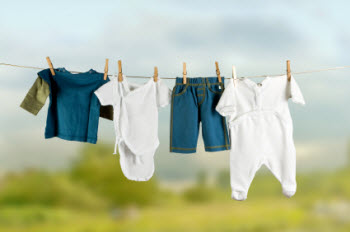
Hung out to dry. Those Europeans have the right idea. Not only does hanging clothes from window sill to window sill add to the charm of many streets, it is a huge energy saver. If you aren’t ready to give up the dryer completely, make sure to clean the lint tray out to increase energy efficiency, and don’t over-dry your clothes. Most loads don’t need a full drying cycle to get the laundry dry. You could also try a combo: Use your dryer to get the laundry partially dry and then hang it on the line to finish the process!
Eco-friendly detergent. Look for detergents that are free of phosphates and biodegradable to reduce the amount of harmful impurities being released into the environment.
Detergent Tips for Families:
Use less detergent. You only need to use about half a cap of laundry detergent to get the job done — any more than that is wasteful. Cutting down on the bubbles will save you money and you may also notice that your plaguing skin irritations disappear.
Make your own detergent. Making your own laundry detergent can not only cut down of fossil fuels used in factories to make your plastic throwaway bottle of detergent, but it can also empower you to know what goes into this mixture. Check out TLC’s How Stuff Works for simple and easy recipes to get started.
Just say no to fabric softener. Do your home and the planet a favor and stop using conventional fabric softener products. Sure, they impart a "clean" smell and reduce static, but certain liquid and sheet fabric softeners contain a scary number of toxic chemicals, some of which have been linked to cancer. As an alternative, add baking soda (again on heroic household duty!) during the rinse cycle or white vinegar during the wash cycle. A number of earth-friendly options of fabric softener are available, like Seventh Generation, if you are not ready to give up the benefits of fabric softeners.
Now that's shoddy business! Time to toss those old duds and you're feeling a pang of guilt about it? Consider this: not all discarded clothing winds up in a landfill. If your castoffs aren't worthy of consignment or donation, they may still have a second life through organizations like Goodwill that bale unsellable clothing for recycling, furnishing both domestic and foreign markets with shoddy materials (shoddy is shredded, used textile material transformed into new items) like filling for car seats, industrial wipes, or new textiles. Darling, you look so good in green!
Tips for Families:
Compost-able. If you're inclined to take care of your castoffs closer to home, Grist.org recommends a couple of ready options, including repurposing old natural fabrics in the garden as compost or mulch. Another option is to contact local animal shelters and inquire about whether they could use your hand-me-downs for bedding or cleaning rags.
From blue to green. Did you know that recycled denim can be used to replace fiberglass insulation? Started in 2006, CottonFromBluetoGreen.org's denim drive has to date received over half a million donated denim clothing articles resulting in the manufacture of 1.5 million square feet of newfangled insulation to assist with residential building efforts for communities in need. Fascinating facts: It takes 500 pair of jeans to produce enough insulation for one family dwelling, and it will warm your heart to know that 1,333 pairs of castoff jeans recycled into insulation prevent a ton in landfill waste. Cool!
 More Bright Ideas
When you look around your home, what energy patterns do you notice?
a. Compact florescent light bulbs in every room
b. Items plugged in that are not in use
c. Junk mail, paper, and electronic media stacked up everywhere
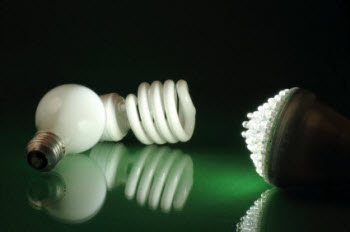
Lighting. The best option for lighting your home is to use compact fluorescent light (CFL) bulbs. Though they cost more to purchase, they will save you in the long run, using 80% less energy than incandescent bulbs.
Electronic Tips for Families:
Warm white. People who complain about the light that CFL bulbs produce should search for ones labeled “Warm White,” which provide pleasing lighting closer to that produced by incandescent bulbs.
LED lighting. Using LED lighting in your home can also save you energy and money. In fact, most Christmas lights being manufactured today are using this technology, making lighting up your home 100 times more energy efficient during the holidays.
Unplug unused items. Even when your toaster or stereo or coffeemaker are not in use, they are draining power if they remain plugged in. Taking the time to unplug these items can save you a decent amount of money, in addition to reducing your energy consumption.
Deputize the kids. Have your kids take turns being the family “Energy Deputies.” Give them the challenge of seeing how many things they can unplug each day.
Charge it up. Home cell phone chargers are notorious energy suckers if you leave them plugged in. Remember to unplug them when not in use, or consider purchasing a solar-powered charger. Check out options by starting with CNET's review of best available solar-powered cell phone chargers.
Get rid of extraneous paper. It's elementary: Trees help reduce the amount of carbon dioxide in our atmosphere; it requires massive amounts of energy and water to produce paper. Time to think like the Lorax and take easy steps to reduce the amount of paper coming into your home.
Tips for A Paper-Free Life:
Stop the junk mail. Four million tons of junk mail are sent to homes in the U.S. every year (at a cost of 100 million trees), only half of which gets opened. Mail-order catalogs are conspicuous culprits — 19 billion are mailed every year and only the merest percentage of them (5%) contain recycled materials. When you consider that it is estimated only 2 to 4 percent of catalogs result in a sale, it is not hard to conclude that catalogs are an egregious environmental offender. Check out our five expert tips on how to reduce junk mail.
Go electronic. Just about every company that sends you a bill these days allows you to opt into an electronic bill pay option. Just do it.
E-Cycle. Those of us who have crystal-clear memories of, say, the '70s, probably have at least some legacy of e-waste. Let's walk down memory lane... How about those romantical mixtapes from the college years, your once-prized CD collection, that VHS library of Disney animated classics and pre-DVR recordings of Survivor, your first three generations of brick-like cell phones, and dare we even admit to that expensive laser disc obsession? If you've been sitting on this stockpile of redundant or obsolete technology, it's time to do something about it. There are many companies that offer e-waste recycling and reuse services —GreenDisk.com is a good place to start for electronics and entertainment media recycling. For recycling larger household techno-waste, visit ecyclingCentral.com to locate reuse, recycling, and donation programs near you.
Extra Credit Points:
Now that you’ve assessed just how green your family’s household habits are or could be, take it to the next level. Below are resources to help you realize how these small actions — from cutting down on meat consumption to unplugging that unused toaster to placing a water bottle in your toilet’s tank — can reduce your family’s carbon footprint.
Low Impact Living. Take a step through this survey to get your Low Impact Living score and receive more tips on how to reduce your burden on the environment.
Carbon Footprint Calculator. Utilize this recommended carbon footprint calculator to assess your family’s carbon footprint.
Low Carbon Diet Calculator. Do your family meal planning with this food calculator to see how what you eat affects your carbon output.
Green Sustainability Products and Services. A good rule of thumb is that if something is convenient, chances are it isn't great for the environment. Visit GreenSustainability.com to learn more impactful ways to green your household.