Seattle Family Calendar
 Subscribe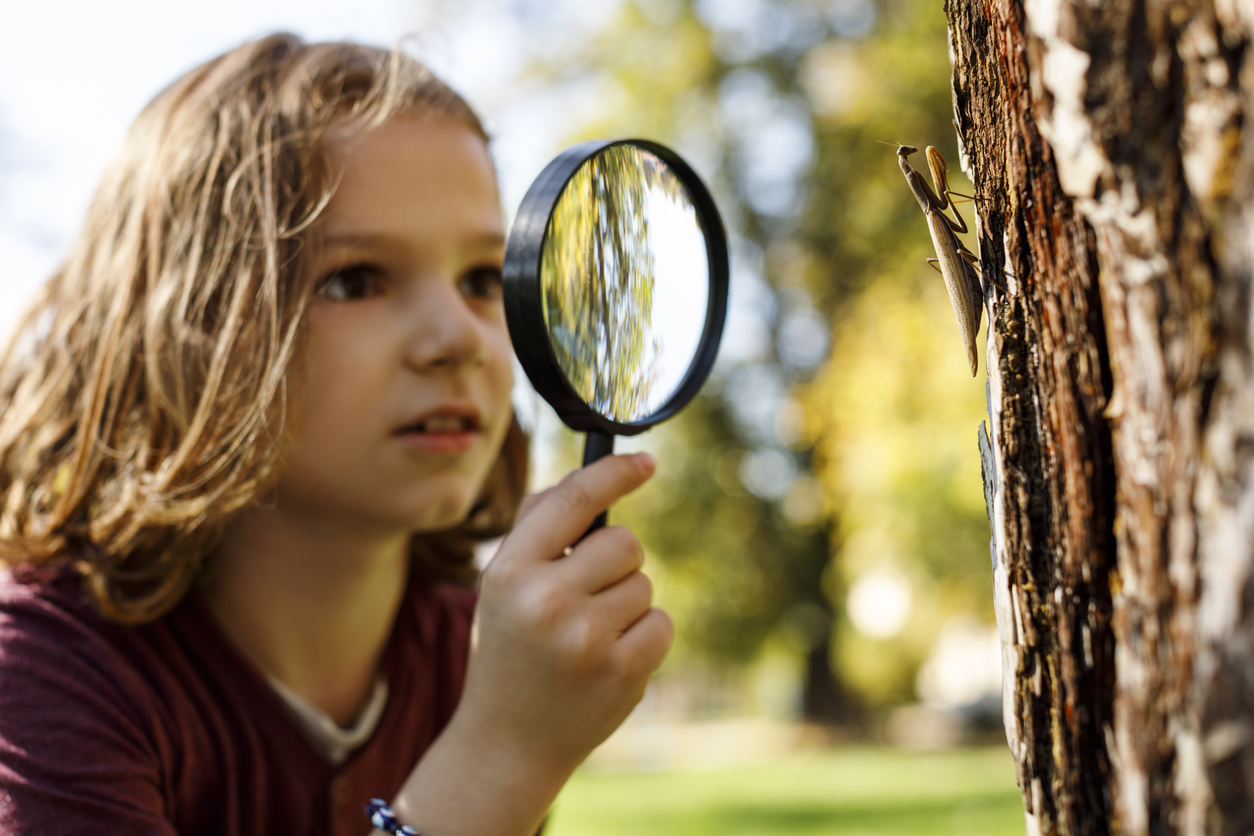

Creepy, crawly and educational
Your little one’s fascination with all things that creep, crawl and fly doesn’t need to be limited to a hands-off experience. With spring on the horizon, there are lots of opportunities for families to get out and explore nature. This year, up your game with experiential activities such as raising your own praying mantises, keeping mason bees or building a worm bin. These five activities will entertain and educate kids throughout the coming months.
Up first: Raise a praying mantis
Raise a praying mantis to be your yard pet

For insect-loving kids, Tiny Science offers entomology classes for kids and a praying mantis hatching kit?! Founder and educator Jen Paur is an evolutionary biologist and mom in West Seattle who is passionate about science literacy and teaching kids to become confident in science. Her upbeat, fun classes about science keeps preschoolers and early-elementary-age kids engaged. (Contact her to see how her offerings might suit your family or group.)
Back to the praying mantises! Sign up for Jen’s newsletter so you know when they’ll be offered, typically around May. Each kit comes with a clear plastic cup to observe ootheca, the organic material that holds 50–200 mantis eggs. Within a few weeks, you should see eggs hatching, at which point you’ll release the baby insects into the wild of your backyard. Mantises are “sit and wait” predators, meaning they won’t leave their habitat, so you can enjoy observing your yard pets as they develop all summer long.
Up next: Prowl for owls
Go on an owl prowl, then dissect owl pellets

Washington Park Arboretum is home to the barred owl, with sightings typically starting in spring, according to eBird, a tracking website used by birders.
Take a self-guided walk and look for traces of owls living within the park. You may even catch a glimpse of one, as barred owls are more active during the day than other owls. Owl pellets contain bones and fur from hunts, providing a cool, if kind of gross, glimpse into the life of an owl.
We’re not recommending touching or taking home your discoveries (if you find any). Instead, purchase an owl pellet dissection kit to explore these fascinating objects under sterilized conditions.
Up next: Build a worm bin
Create a compost worm bin

Turn your child’s fascination with worms into high-quality compost for your garden with a worm compost bin. Keep the bin underneath your kitchen sink or outside and feed the worms food waste, such as fruit peels and coffee grounds. In no time at all, you’ll have rich compost that will enhance your garden’s health.
You’ll need worms, of course. Seattle Worms can supply you with red wigglers. You can contact the company through its website to get a quote, and make sure you call first.
You can get more information about worm composting from your local nursery or garden center (where you can also buy a worm compost bin if you prefer not to make one yourself), or visit King County’s website.
Up next: Mason bees
Take up mason beekeeping

Spring is the ideal time to incorporate non-stinging mason bees into your backyard or outdoor environment. Mason bees are solitary, meaning there is no queen bee, and all the females are fertile. They are prolific pollinators that can provide an interactive and educational outdoor experience for the family.
Rent Mason Bees in Bothell lets you host the bees during peak pollinating season, without worrying about the upkeep of bees for the rest of the year. The website includes additional educational information for children.
We’ve highlighted more beekeeping tips for families, and this is the perfect time to get started. Remember, mason bees don’t sting!
Up next: Low-tide beachcombing
Hit the beach at low tide

Beaches and parks along Puget Sound offer an abundance of sea creatures to observe during low tide, including sea stars, anemones, crabs and more. Seattle Aquarium’s Beach Naturalist program provides added knowledge and advocacy information at area beach parks. Check the website for upcoming spring dates to be posted and coordinate your park plans! Beach naturalists are wonderful resource if you’re looking for more insights about your low-tide discoveries.
Some of our favorite parks to spot aquatic wildlife include:
- Richmond Beach Saltwater Park in Shoreline
- Carkeek Park in North Seattle
- Golden Gardens in Ballard
- Seahurst Park in Burien
- Dash Point State Park in Federal Way
Up next: More creepy crawly fun in books
Find more creepy crawly fun in books

Continue your adventures with these books, filled with ideas for fun adventures and interesting facts:
“Fly Guy” series by Tedd Arnold
Ages: 4–8
This silly collection of stories about a boy and his pet fly, Buzz, is perfect for beginning readers. Even those who are not insect fans will get a kick out of the funny adventures Buzz experiences.
“Stellaluna” by Janell Cannon
Ages: 4–7
Known for its beautiful illustrations, this classic picture book about a young bat who is taken in by a family of birds goes beyond animal facts, as Stellaluna eventually becomes comfortable in her own skin.
“The Bat Book” by Charlotte Milner
Ages: 5–8
Loaded with bat facts including what they eat and where they live, this book also provides instructions on how to create a bat-friendly garden.
“National Geographic Kids’ Ultimate Explorer Field Guide: Insects” by Libby Romero
Ages: 8–12
Any of the National Geographic titles for kids about bugs and insects will provide hours of entertainment and repeat readings.
“Put On Your Owl Eyes: Open Your Senses & Discover Nature’s Secrets” by Devin Franklin
Ages: 8–13
Get your older children to take a moment and explore, observe and enjoy the natural world around them through engaging outdoor activities.
“How to Eat Fried Worms” by Thomas Rockwell
Ages: 8–12
This book is a bit dated, but the gross-out factor never gets old. Because it was first published in the 1970s, expect some outdated references and stereotypes.
Editor’s note: This article was originally published in spring of 2021 and has been updated for spring 2023.