 Seattle Family Calendar
 Subscribe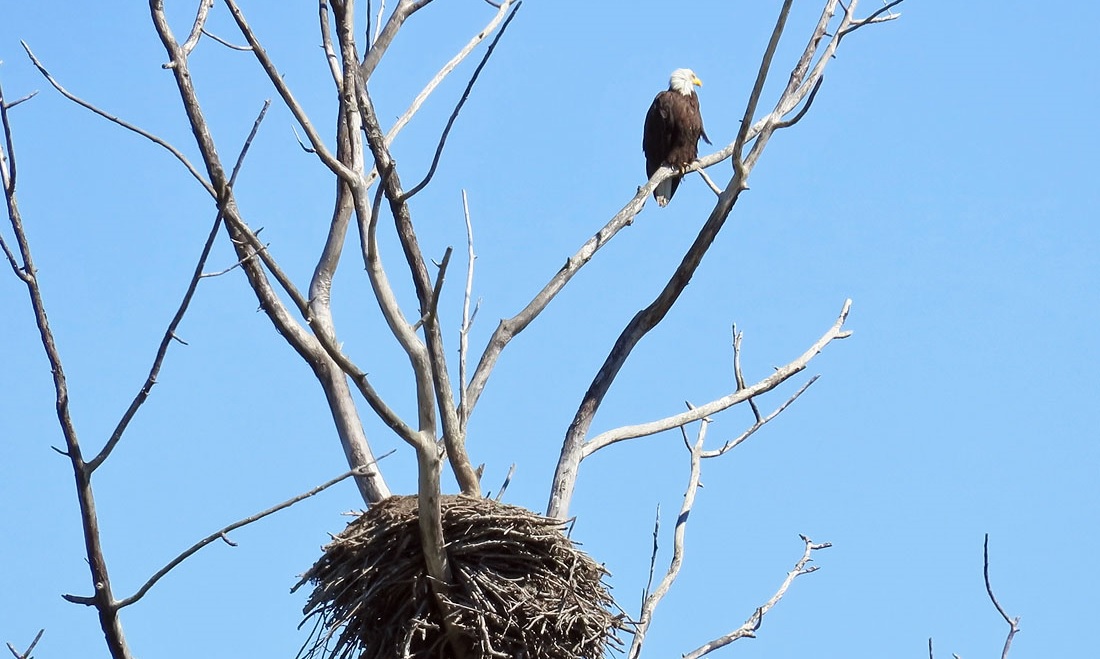

Bird-watching for Seattle-area families
Does your family need a reason to spend time outside this winter, time that includes scavenger hunt-like fun, multisensory exploration, breathtaking scenery and — the potential for bragging rights?
Yes? Then try out birding with kids! This nature activity, also called bird-watching, is an age-old pastime that’s gaining seriously cool cred among a younger generation — including kids!
Winter is the ideal season to try birding. The cold months of the year in the Pacific Northwest mean the shedding of tree leaves and the fluttering arrival of many avian visitors. The result of these two seasonal certainties is world-class birding in our region, from winter into late spring.
Washington state hosts snow geese, tundra and trumpeter swans, sandhill cranes, short-eared owls, masses of waterfowl and the usual resident birds, which are easier to see throughout trees and bushes bare of leaves. If you’re truly lucky, you might even see a snowy owl, a prize for even lifelong birders.
Page ahead for our top tips on how to get started and where to go — it’s as easy as stepping out your door.
First stop: your own backyard
Start in your own backyard
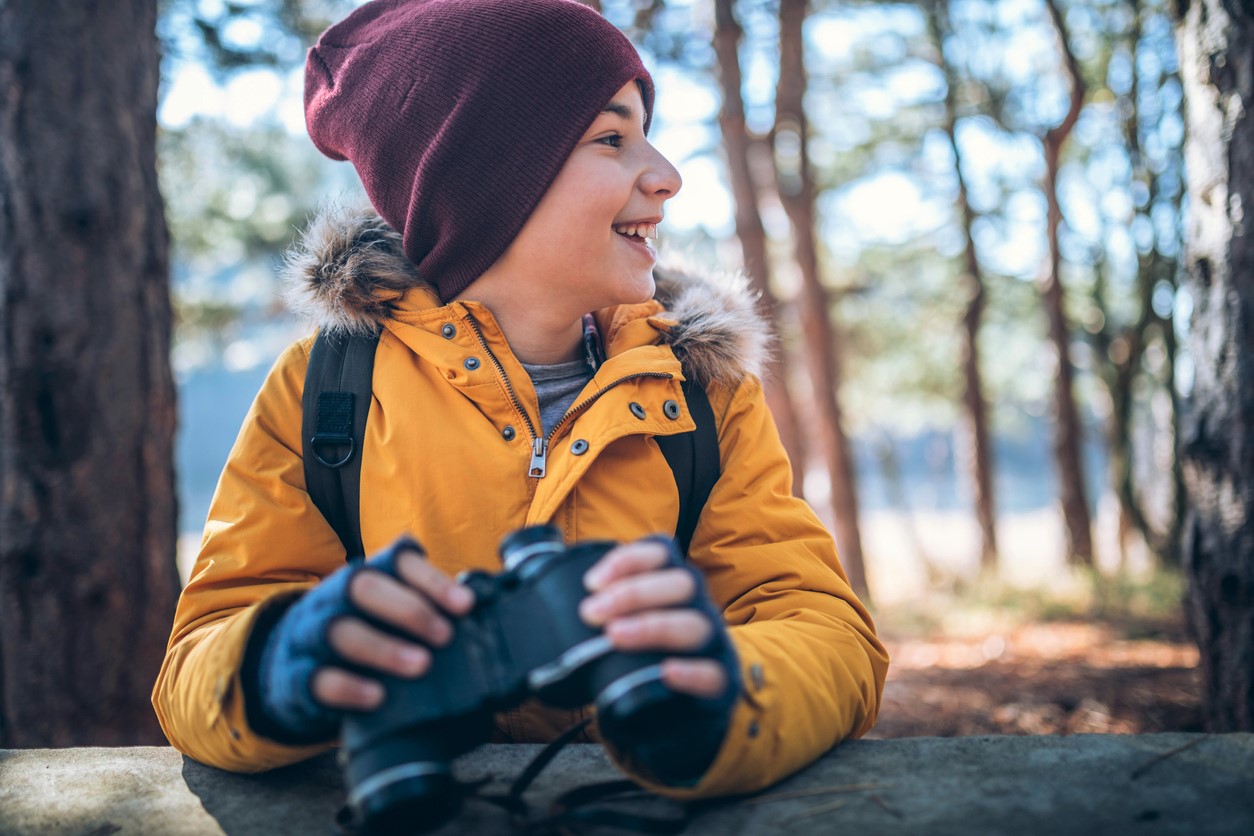
“My favorite place to watch birds is my backyard,” said 7-year-old Avi Charlton of the Wedgwood neighborhood of Seattle. Avi’s interest in birds began when his dad accidentally mowed over a dark-eyed junco’s nest while doing yardwork. Avi was hooked, watching to see what happened next. “It wasn’t sad,” he says. “Two nestlings escaped, and the mom bird was scolding my dad!”
Avi has put up feeders, collected a library of field guides and participated in Seattle Audubon’s summer nature camp.
“The staff recognizes him now whenever we visit the shop!” said his mom, Gabby Charlton. “Birding has become part of our family’s life, thanks to Avi.”
Your family can get started as easily as Avi did. First, pick up a pair of binoculars and a field guide for local birds. You can purchase or rent binoculars from outdoor recreation stores or some nature shops, such as Seattle Audubon’s Nature Shop in northeast Seattle, which has an excellent selection of both optics and field guides. Having binoculars will allow you to see birds up close and will greatly enhance your time in the field.
Next, put up a bird feeder, or three. Black oil sunflower seeds will attract chickadees, finches and grosbeaks. A suet cage will bring woodpeckers and bushtits, and a hummingbird feeder will draw Anna’s hummingbirds to your house year-round. A bird bath will attract every bird imaginable. To keep visiting birds safe, put stickers or bright, dangling ribbon on the window glass near feeders, to prevent your avian friends from striking the window when coming to feed.
Encourage kids to watch birds from a respectful distance, to allow them to become comfortable with you.
Page ahead for more birding hot spots around our region.
Up next: Seattle-area birding spots
Seattle- and Eastside-area birding spots
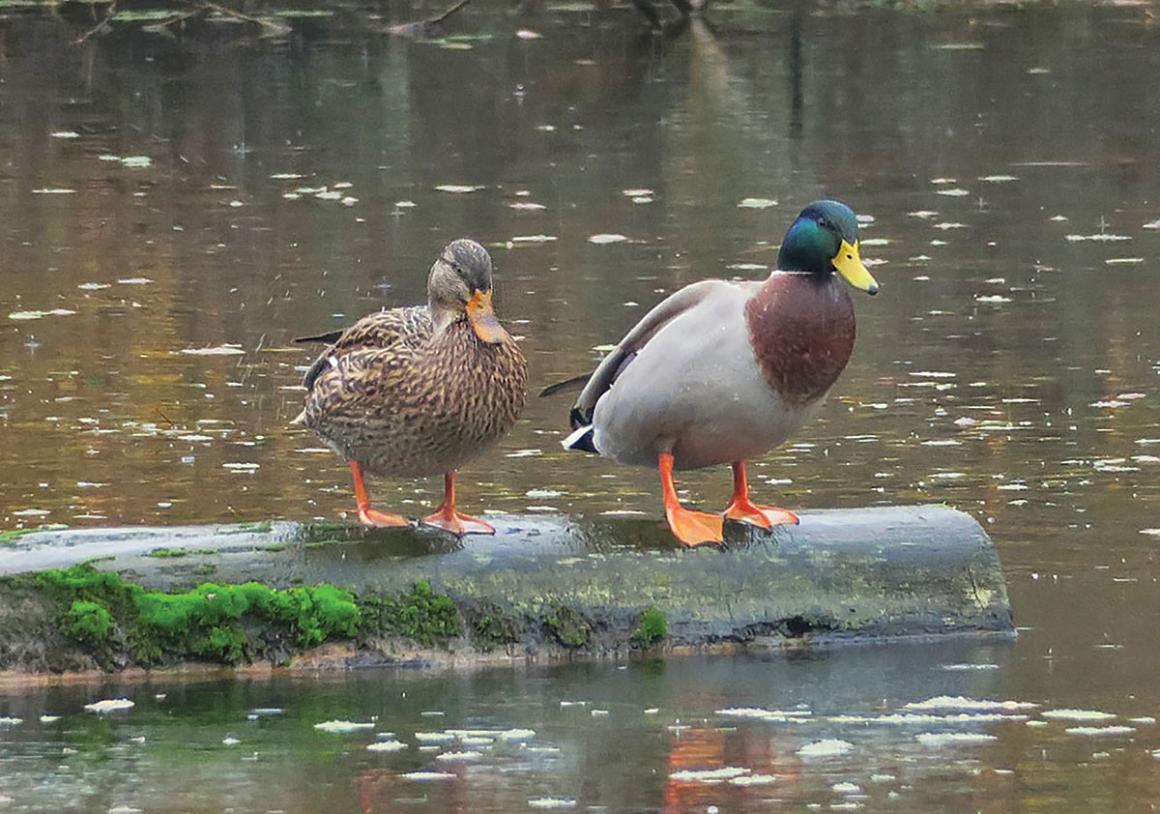
Ready to venture beyond your yard? Head to a bird-rich park.
Marymoor Park is King County’s largest and most-visited park, and it has diverse habitats for bird viewing. Birds reliably flock to three habitat features — water, tree canopy and a food source — and Marymoor has acres of all three.
The best areas for birds in Marymoor are along the Sammamish River and in the Community Garden. Wander the bird-named loop trails that lead to the river, and look for hawks, belted kingfishers, waterfowl and songbirds. Grab a bird list for the park and keep your eyes aloft and ears pricked. Marymoor also has an open environment, ideal for seeing birds. Apply the same birding principles to any park near you.
Try the Seward Park peninsula in south Seattle for waterfowl on the lake and barred owl sightings in the wooded interior.
Golden Gardens in northwest Seattle is ideal for seeing seabirds just offshore, and belted kingfishers and great blue herons in the pond at the north end of the park. A combination of landscapes within a single park will give you the most bird-sighting potential.
Up next: the Skagit Valley
Skagit Valley: eagles and trumpeter swans
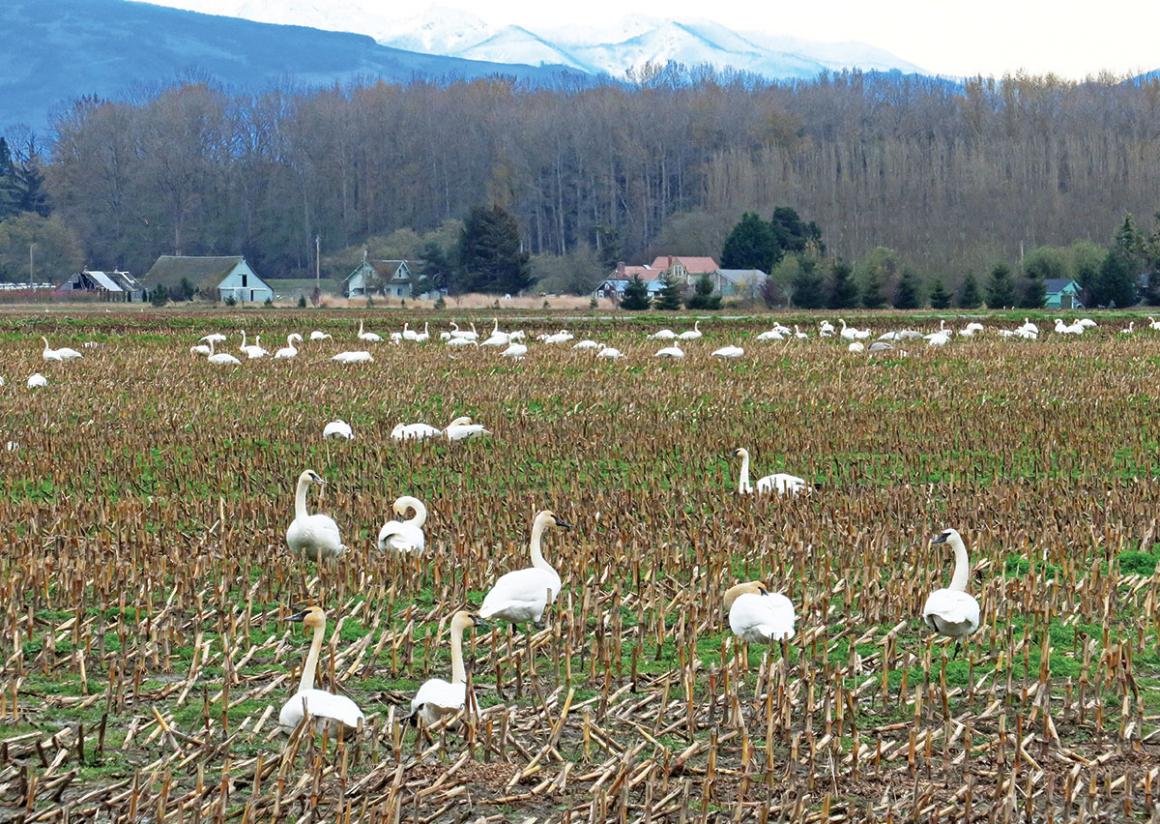
River deltas the world over are prime birding locations, and the world-famous Skagit Valley delivers every winter: Swans and snow geese, which look like patches of snow amid miles of open farmland, come from Alaska and northern Canada to feed on waste grain, roots and seed. Eagles gather to feed on spawning salmon along the Skagit River. The Skagit Eagle Festival welcomes visitors to its interpretive center in Rockport, and offers guided nature walks weekends through mid-February! There are several winter eagle watching activities take place in Concrete, Rockport, and Marblemount, see the website for more details.
A good place to see the Skagit’s treasures is to park at the end of Rawlins Road on Fir Island (between Conway and La Conner in the Skagit Wildlife Area, no Discover Pass required) and hike along the dike, keeping an eye out for low-flying raptors hunting voles. This is one of my favorite spots for seeing bald eagles, short-eared owls and ravens — and sometimes a flock of snow geese in the pasture along the road. Be sure to dress for mud and cold.
Audubon Washington’s Cascade Bird Loop includes other locations for birding around the Skagit. Bring a Discover Pass for parking, as some viewing spots are on public land. Also, be aware of the dates for hunting season.
Bonus: Hit the town of Edison for a pastry at Breadfarm bakery, where you can also pick up a loaf or two for the drive home. If you need more nature adventures, try one of these kid-friendly walks in the area.
Up next: the South Sound
South Sound-area birding spots

Another river delta rich with bird life, this one south of Seattle, is the Billy Frank, Jr. Nisqually National Wildlife Refuge, a short hop off Interstate 5 between Tacoma and Olympia. Unlike the sprawling Skagit, this area packs a complete ecosystem within an easily traversable (and wheelchair-accessible) system of boardwalk and earthen dike trails, a flat and easy hike for little legs. Start at the visitor center to pick up a bird list and map.
The best time to see birds at Nisqually is within two hours on either side of high tide, so check the tides before your visit. Even if your timing isn’t optimal for seeing birds, the boardwalk and flat trail through the flooded delta is a beautiful walk. You might see something unexpected; I once spotted mermaid-like harbor seals in the river, far from Puget Sound. There is a $3 fee per four adults for the day. Children age 16 and under are free (and note that dogs are not allowed).
Up next: Eastern Washington and along the coast
Farther out: Eastern Washington and along the coast
Spectacular migrations in Eastern Washington
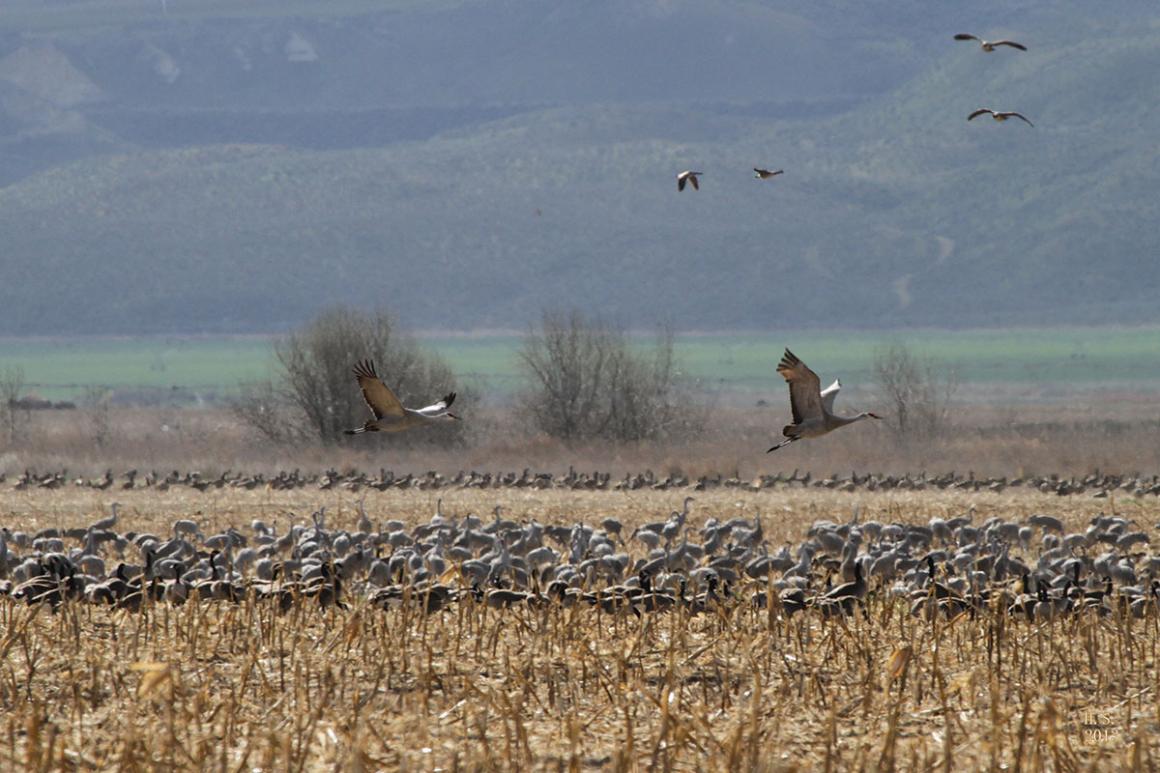
Every year in late March, thousands of sandhill cranes — a species that stands more than four feet tall — visit the area around the agricultural town of Othello, Wash., from their breeding grounds in northern Canada. The Othello Sandhill Crane Festival is a family-friendly event, typically offering a variety of birding tours by school bus, craft activities, “meet the bird” docents, guest speakers and guided walks. For 2023, the festival will take place March 24–26. Check the event website for info regarding registration and event details.
Bonus: The nearby Columbia National Wildlife Refuge is a stunning place to hike or picnic. If you’re lucky, you might catch sight of a marmot peeking over a cliff to get a look at you.
Washington’s coast
For another spectacular migration experience, head to Bowerman Basin in the Grays Harbor National Wildlife Refuge on the Washington coast in late April and early May to see migrating shorebirds by the thousands (and the peregrine falcons that hunt them). Park at the Bowerman airfield (itself a novelty for kids) and walk along the boardwalk to the end viewing platform, where you’ll see plovers, sandpipers, dowitchers, red knots and dunlins converging on the mudflats.
The best time to see the shorebirds en masse is two hours before and after high tide, so time your visit just right. The undulating sight of so many birds in flight is unforgettable.
More ideas for getting started…
Ear training: Check out local radio station KNKX’s archives of BirdNote, a two-minute program highlighting a bird likely to be seen at a particular time of year, along with its vocalizations and signature behavior.
Apps: Apps can also be a great way to engage kids in birding in real time. The Cornell Lab of Ornithology has suggestions for apps when birding with kids.
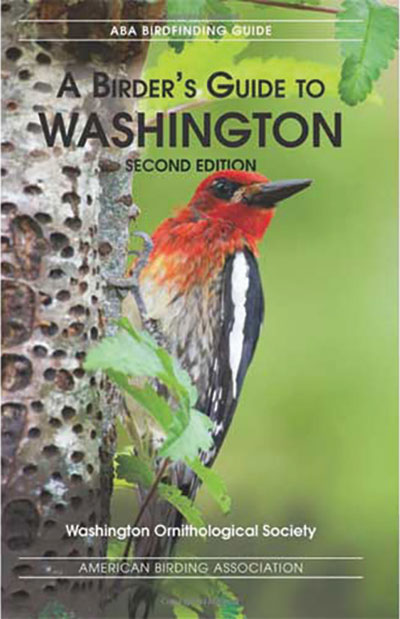
Books: Pick up a copy of the invaluable “A Birder’s Guide to Washington,” an exhaustive tour of every corner of the state for bird-watching, with driving directions and lists for what you are likely to see and where.
Editor’s note: This article originally was originally published in 2017 was updated most recently in 2023.