 Seattle Family Calendar
 Subscribe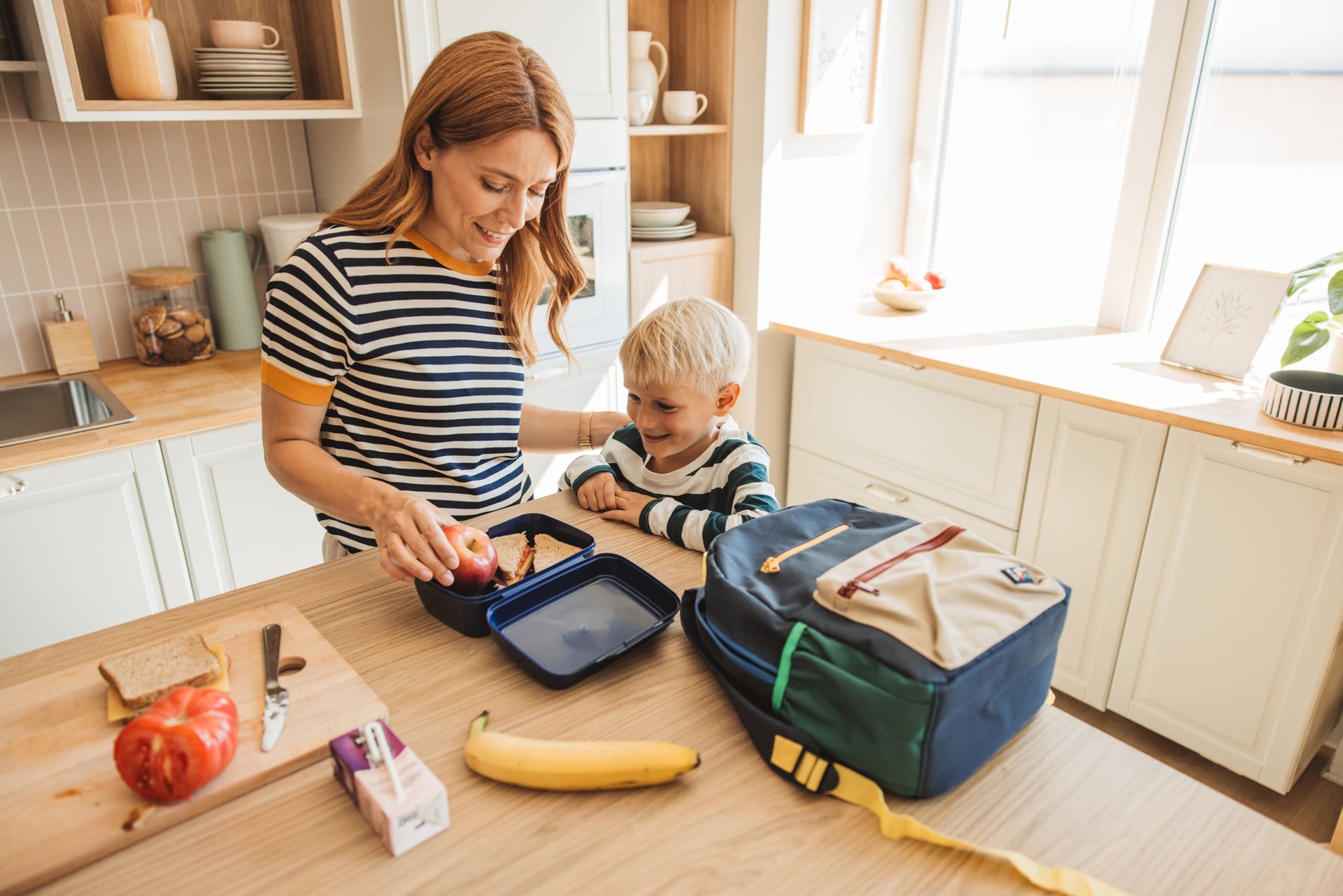

It’s back-to-school time — yay! And while there’s plenty to celebrate (routine, routine, routine!), getting everyone locked and loaded for the new school year can also feel chaotic. Between shopping for school supplies, adjusting to earlier mornings and figuring out the new after-school schedule, the school year also comes with a whole new level of busy.
When it comes to putting food on everyone’s plate, I certainly feel the pressure to make sure everyone’s eating well. Between packing lunches, planning dinners between soccer practice and tutoring sessions, and keeping a pantry fully stocked, feeding my family takes a lot of effort. As a mom of four and pediatric dietitian, I’ve always seen the school year as the perfect opportunity for a fresh start and healthier habits. But over the years I’ve learned that putting too much pressure on myself makes feeding kids more stressful than it needs to be.
Feeding kids doesn’t have to be complicated. Here are five common back-to-school nutrition mistakes parents make that make things harder, and what to do instead to make it a smooth start to the school year.
Mistake: Assuming a healthy lunch is enough
You can pack a perfectly balanced school lunch with a mix of protein, fruits and vegetables, but if the sandwich is soggy, the apples have turned completely brown or their yogurt has been sitting warm for hours, your kiddo may call it quits before they take one bite. And can you blame them? Packing a nutritious lunch is great, but it won’t do anything if it’s sitting there uneaten.
That’s where quality lunch gear comes in handy. Here are my suggestions:
- Invest in a leakproof lunch box: This means a bento box with leakproof compartments (so food doesn’t mix) and a firm clasp so when it rocks around in the backpack it doesn’t spill or open.
- Separate all liquids: If you normally pack sauce, dressing or anything liquid-y, use small, leakproof containers to ensure there’s no spilling on their mains and making them soggy.
- Use ice packs or temperature-controlled containers: Cold food should stay cold and hot food should stay hot. Not just for taste, but for safety too. Add ice packs to your child’s lunch box to keep perishables cold, or use an insulated container (like a thermos) for hot food.
Mistake: Serving new foods at a vulnerable time
There’s a lot of change and newness with the back-to-school season, which can cause a bit of unease or anxiety for kids. During this transition, serve accepted, familiar foods to help your kids feel comfortable and confident coming to the table. This isn’t the time to pack new foods in their lunch box or serve a new cuisine at dinner. Lean on familiar favorites while everyone settles into their new routine, then introduce new foods when things feel a bit more predictable. Plus, kids usually come home overstimulated and exhausted, which isn’t the best time for adventurous eating.
Mistake: Obsessing over the perfect weeknight dinner
After four kids and plenty of wasted meals, I’ve learned that there’s no such thing as the perfect dinner. I used to spend hours meal-prepping, pouring over online recipes and checking out cookbooks from the library so that my kids would come home to a beautiful meal. In reality, most kids come home exhausted, hangry and pretty much ready to wind down for the night. My “perfect” meals went to waste after a few bites. To be honest, most of the time I was overachieving without considering what my kids actually liked to eat, all in an effort to make a “perfect” dinner.
After-school dinners should be nutritious, easy enough to repeat and something that the whole family enjoys. Not beautiful, Michelin-worthy masterpieces. For us, the simpler the better. Here are some of my go-tos:
- Scrambled eggs, toast and a green salad
- Whole wheat pancakes with a side of yogurt and berries
- Taco meat, canned beans, canned corn, a bag of shredded lettuce and tortillas
- Baked ziti and steamed broccoli
- Sautéed tofu, bell peppers and zucchini with a side of rice
- Slow cooker salsa chicken, taco shells, rice and chopped tomatoes
Mistake: Panicking when your child only wants beige foods
You know the foods I mean. Buttered noodles, crackers, rice and bread — beige foods! The foods kids hope and dream about. Beige eating is incredibly common in childhood, but it doesn’t mean they’re automatically missing out on essential nutrition. Many of these foods provide important nutrients and energy for growing bodies. For example, two slices of bread pack in 5 grams of protein and plain pasta has 6 grams per cup. And beige foods aren’t limited to grains. Chicken, tofu, fruits and vegetables like jicama and peeled cucumbers all fit the bill.
As you get back into routine, continue offering colorful foods alongside their favorite beige foods to give them plenty of opportunities to explore variety. But don’t panic if their lunch box is looking a little, well, beige. These foods can absolutely be part of a nutritious diet.
Mistake: Making sugar completely off-limits
After a summer with a little more flexibility (and one too many popsicles and ice cream runs), most of us want to get back into our good ol’ routine. But completely cutting off sugar isn’t the best approach. For kids, anything off limits usually makes that “thing” more desirable. Saying “no” to sweets puts them on a pedestal and becomes something they obsess over because they can’t have it. So instead of banning cookies and candy, aim to set healthy boundaries.
As parents, you get to decide when sugar is on the menu or when it makes sense to put it away. This can mean offering chocolate cake after dinner but saying no to a lollipop before bed. Your kids may be frustrated with the boundaries, but it also reinforces healthy eating habits.
Keep it simple this school year
Ultimately, the best way to avoid these common back-to-school nutrition mistakes is to take the pressure off and keep things simple. Don’t overcomplicate it — feeding your kids well doesn’t mean doing more. I guarantee it’ll set your family up for a smoother start to the school year. You can thank me later.