Seattle Family Calendar
 Subscribe

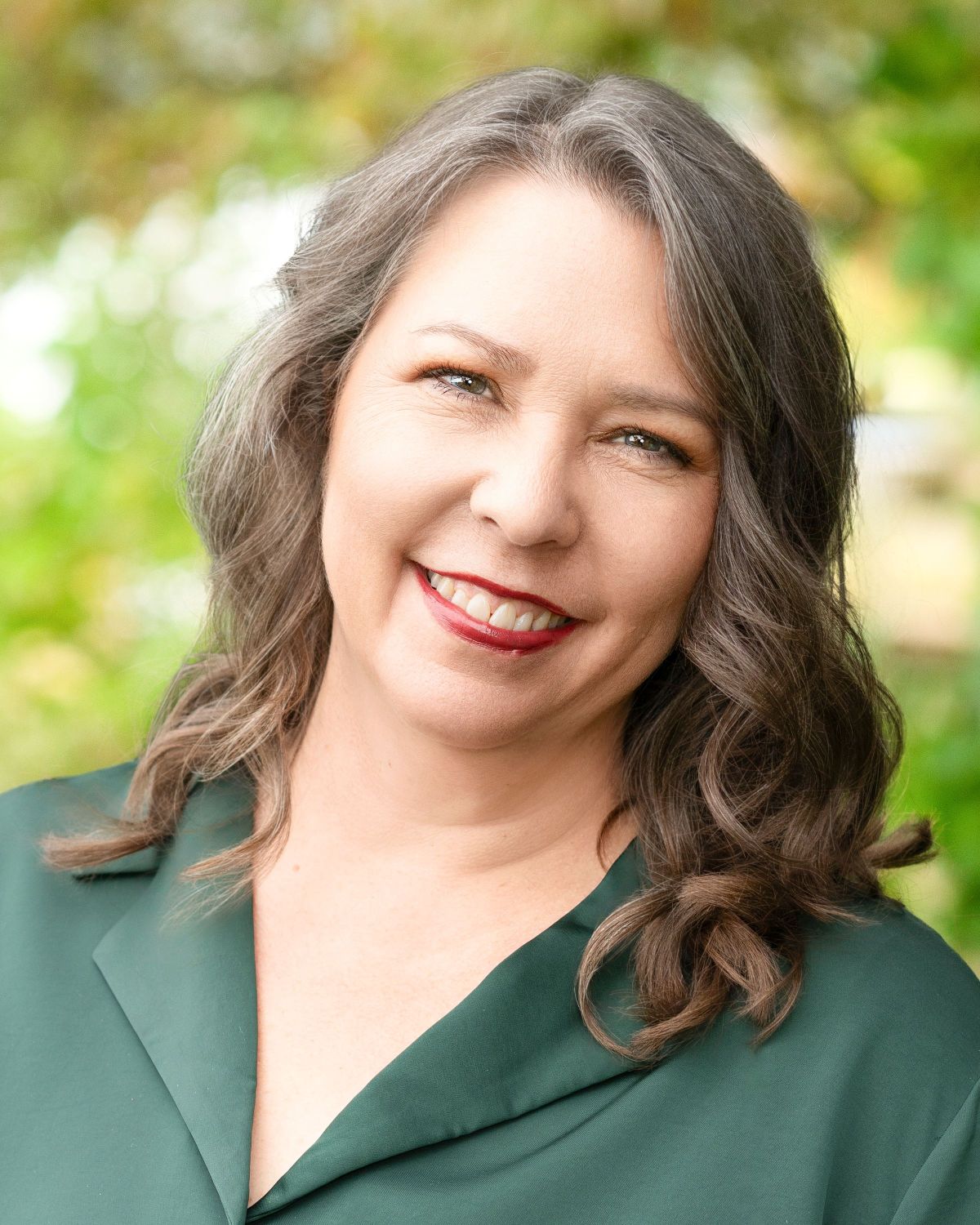
During Native American Heritage Month in November, many parents may be wondering what their family can do to honor and learn about the people who have been in the Puget Sound area since time immemorial. To get some ideas, I talked with Chef Jeremy Thunderbird, founder of Seattle-based Native Soul Cuisine, about Native culture, food and representation. One of Thunderbird’s missions is to be a role model for younger Native Americans, especially entrepreneurs.
An enrolled member of the Squamish First Nation, Ohlone and Chumash tribes, Thunderbird began his journey as a chef when he was in between jobs during college by serving food out of his own kitchen. He later segued into catering. But it wasn’t until he began incorporating his heritage into his dishes that his business took off. “Seattle is such a foodie city, but there was an absence of Native cuisine,” he says.
Thunderbird’s menus now offer many of the nostalgic, hearty meals of his childhood, each featuring his own unique twist. Food is a universal language, making it an easy way for people to learn about a culture by sampling its traditional dishes. As Thunderbird says, “Food is a living history book.”
The origin of fry bread
Thunderbird defines Native cuisine as what is indigenous to the area. “Every region has its own techniques and ingredients,” he says. Thunderbird walked me through the way differing regions and influences have affected a well-known Native dish: fry bread.
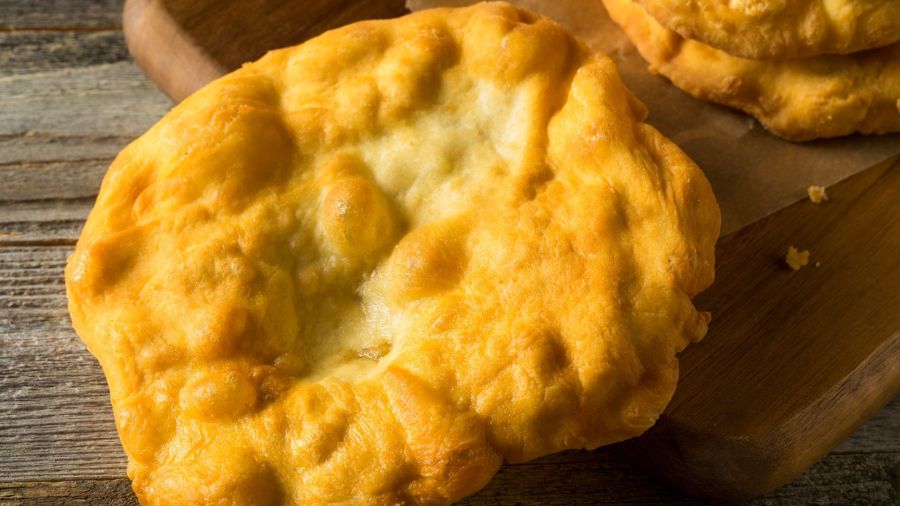
Fry bread was born out of government commodities, supplemental nonperishable foods given to Native Americans by the U.S. government after the forced removal of tribes from their ancestral land during the Indian Removal Act of 1830. Some of the survival staples given to tribes by the government were lard, white flour, baking powder, salt and sugar. Out of these ingredients, fry bread was born.
The recipe differs by region. Thunderbird’s father is Squamish First Nation from Vancouver, BC. There, fry bread is more dense, like a biscuit. He recalls his grandmother, who grew up in California, making fry bread that resembled a tortilla. Her fry bread tradition was influenced by Spain’s colonization of Indigenous peoples.
Native American influences abound
Modern day barbecue also has roots in Native culture. Native Americans smoked meat and fish as a preservation method and slow-cooked meats and fish over a leaf-covered pit.
Native cuisine is often a mixture of regional ingredients and cultural infusion. Many of Thunderbird’s recipes celebrate West Coast Indigenous ingredients like salmon and bison. One of Thunderbird’s dishes, Smoked Salmon Mac ‘n’ Cheese is the ultimate comfort food. “Smoked salmon is dear to my heart and I think most West Coast Natives would agree,” he says.
Another important component of Native culture is gratitude — honoring the harvest and the hunt. During gatherings, it’s important to acknowledge the land, and before enjoying a meal together, thanks are given to the hands that prepared the food and to the Creator for the ingredients.
3 ways to learn about and honor Native American culture
Thunderbird and I talked about ways local families could both learn about and honor the culture of the many tribes who have inhabited Puget Sound since time immemorial. He had three easy suggestions.
- Support Native food vendors.
- Educate yourself and your kids about your local tribes. “People tend to lump all Native Americans together,” Thunderbird says. There are 574 federally recognized tribes in the U.S., and many more who aren’t recognized. Every tribe is unique.
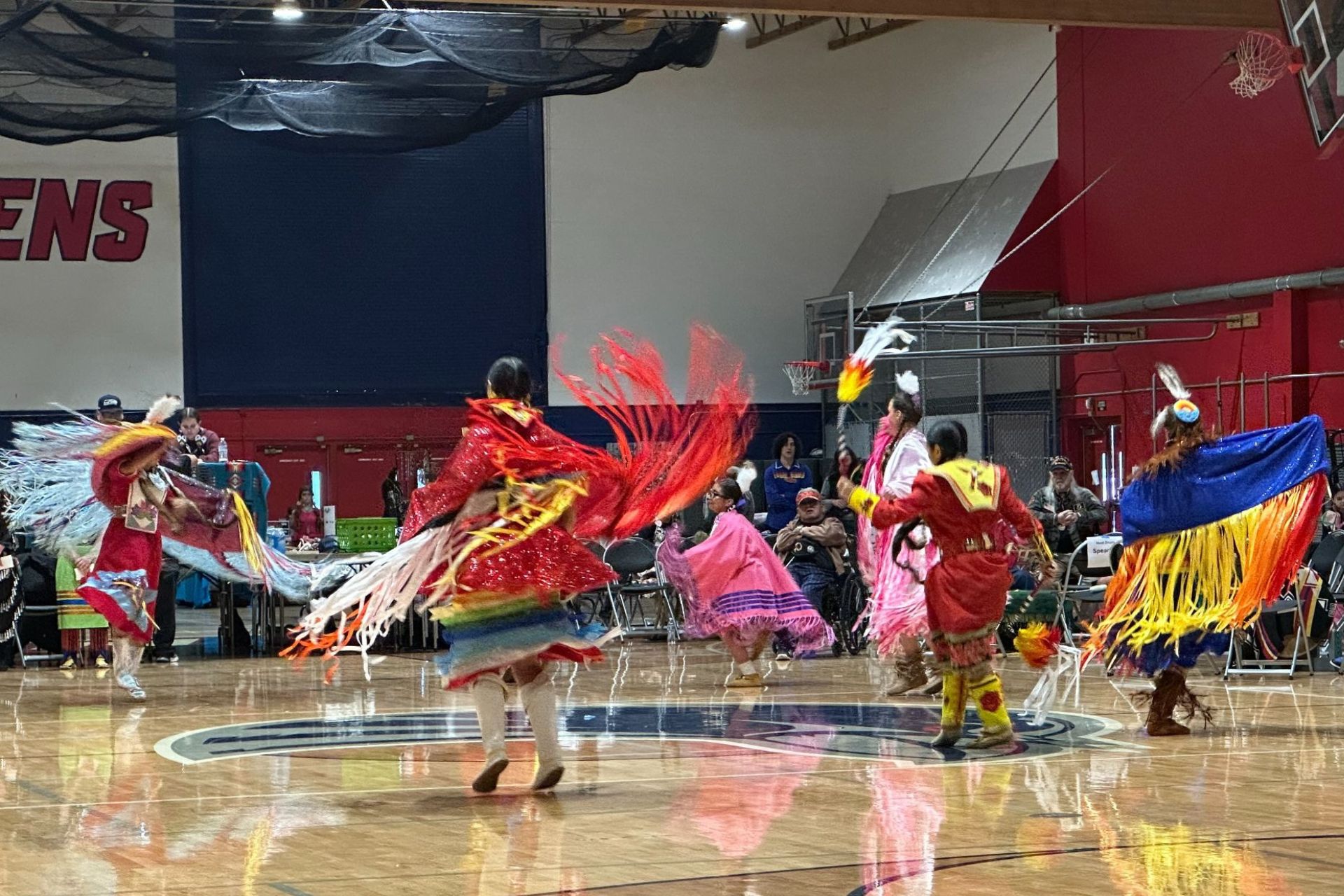
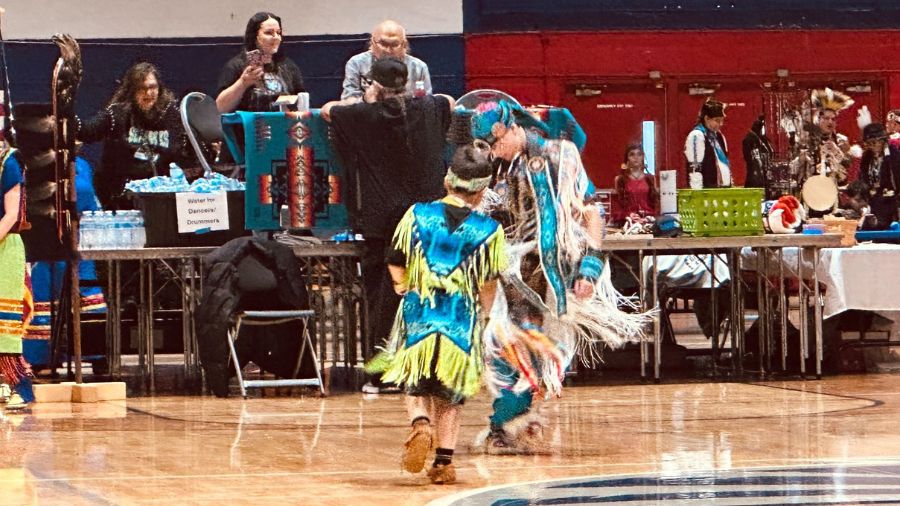
- Go to a powwow. At these events, families can see dancing and drumming competitions and visit Native vendors. Most powwows are open to the public and everyone is welcome.
To find out where you can try Native Soul Cuisine for yourself, follow Thunderbird on Instagram @nativesoulcuisine. He often has pop ups in public areas, and is available for catering.
Thunderbird also shared his recipe for Blue Corn Muffins so families can make them at home.
Blue Corn Muffins
Ingredients
- 3/4 cup butter, melted and cooled
- 1 cup sugar
- 3 extra large eggs
- 1 1/2 cups buttermilk
- 2 cups all-purpose flour
- 1 cup blue corn masa
- 1 1/2 tablespoon baking powder
- 1 teaspoon sea salt
Directions
- Preheat the oven to 350 degrees.
- Mix the dry ingredients until combined.
- Whisk the eggs.
- In a separate bowl, add the buttermilk, then add the other wet ingredients one at a time and mix.
- Slowly pour the wet ingredients into the dry ingredients while mixing.
- Fill muffin cups 3/4 full with batter and bake for 15–20 minutes.
Read books by Native authors
For early readers
Featured pick: “It’s Powwow Time!” by Martha Troian. A young boy’s first powwow becomes a celebration of culture, community and confidence as he finds his place in the dance circle.
- “Every Child Matters” by Phyllis Webstad
- “Molly of Denali: Little Dog Lost” by Mark Zaslove
- “My Powerful Hair” by Carole Lindstrom
- “Classified” by Traci Sorell
- “Contenders” by Traci Sorell
- “Her First Basket” by Michele Balagot
- “Killer Whale Eyes” by Sondra Simone Segundo
Advancing readers
Featured pick: “The Secret Pocket” By Peggy Janicki. This moving true story follows Indigenous girls at a residential school who secretly sewed pockets into their clothing to hide food, highlighting courage, resilience and survival.
- “Colonization and the Wampanoag Story” by Linda Coombs
- “Two Tribes” by Emily Bowen Cohen
- “Mascot” by Charles Waters
- “The Ribbon Skirt” by Cameron Mukwa
- “Circle of Love” by Monique Gray Smith
- “Indigenous Ingenuity” by Deidre Havrelock
Teen readers
Featured pick: “Braiding Sweetgrass for Young Adults” by Robin Wall Kimmerer. An inspiring adaptation that combines Indigenous wisdom, science, and environmental stewardship, encouraging readers to build deeper relationships with the natural world.
- “Legendary Frybread Drive-In: Intertribal Stories”
- “A Girl Called Echo: Pemmican Wars” by Katherena Vermette
- “The Case of the Burgled Bundle” by Michael Hutchinson
Local family-friendly events in Greater Seattle
- Find and attend events at United Indians of All Tribes Foundation
- Attend a powwow in Washington state. Many are open to the public. Review tips on powwow etiquette before attending.
- Attend a fry bread workshop at the Fall City Library on Dec. 12, ages 10 and older. No registration required.