 Seattle Family Calendar
 Subscribe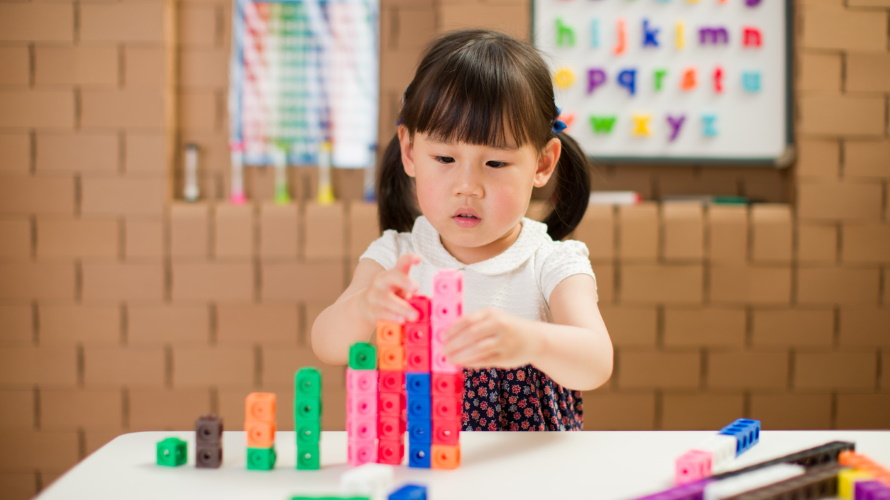

Learning through play
Many parents are still working at home with little kids by their side, vying for their attention. Finding time to educate and entertain kids can be an exhausting task and many of us could do with a little help. We all know that young kids learn best through play, so a few carefully chosen educational toys can go a long way to keep those little brains engaged.
With that in mind, we have picked out some excellent educational toys that boost learning and encourage independent play. The toys we have selected help kids with letter recognition, early reading, math skills, fine motor skills, spatial reasoning and more. Scroll through the arrows above for some clever ideas.
This article contains affiliate links. If you purchase products through links on our site, ParentMap may earn an affiliate commission.
Keeping track of time
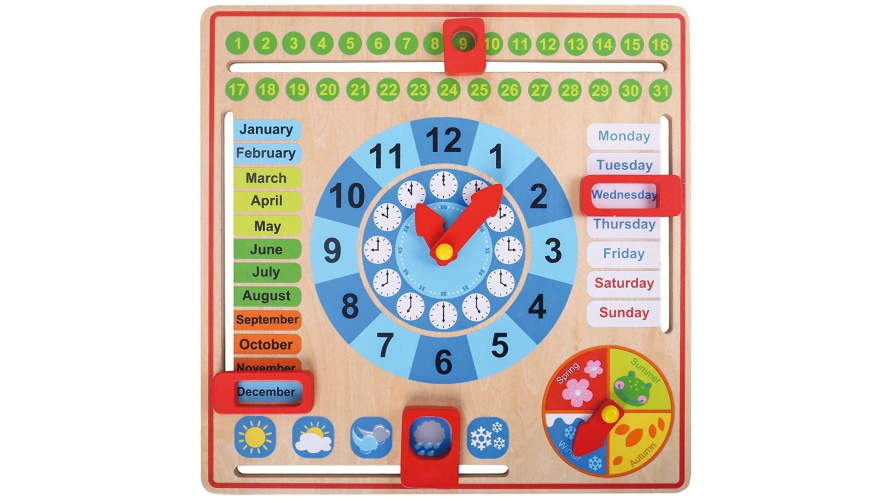
Keeping track of the days, the weather and the seasons is important and comforting for kids. This cute interactive clock and calendar toy helps kids learn about the concepts of time in a playful way and encourages communication and logical thinking.
Cutting and pasting
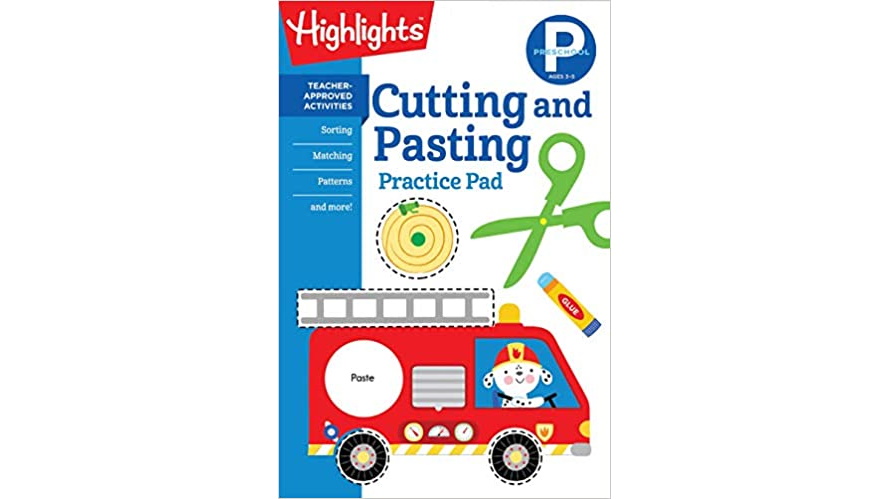
Cutting and pasting is an important skill for preschoolers to master. This activity helps develop fine-motor skills and hand-eye coordination. This cutting and pasting workbook from Highlights contains fun matching exercises and puzzles that will keep your little preschooler entertained for a good while.
Pro tip: Put a small amount of glue in a container (old yogurt containers are great) and give your kid a paintbrush. This will make it easier for them to handle the glue and will result in less mess!
Scooping up the fun
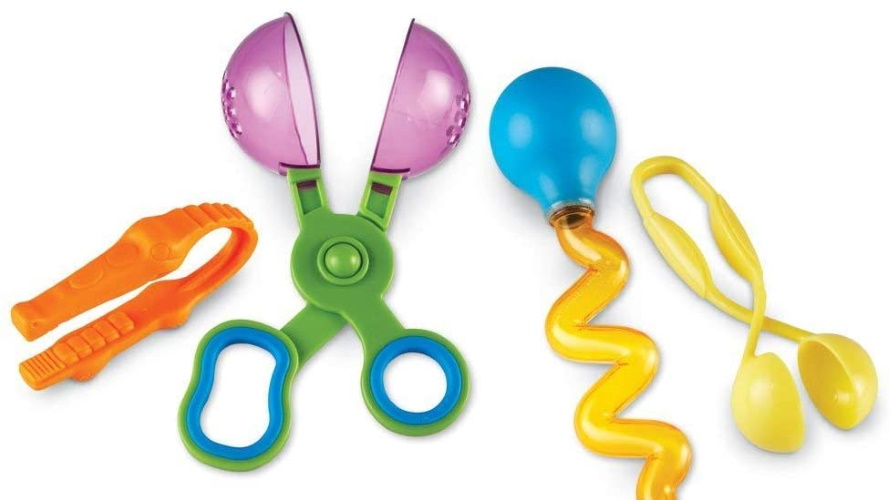
These cute little tweezers, scoopers and droppers may seem like frivolous toys, but they actually help strengthen hand muscles. Add them to a sensory bin or have your kid scoop and match colored beads or pasta shapes. These clever tools encourage kids to work on their pincer grip which can help with handwriting.
Working with shapes
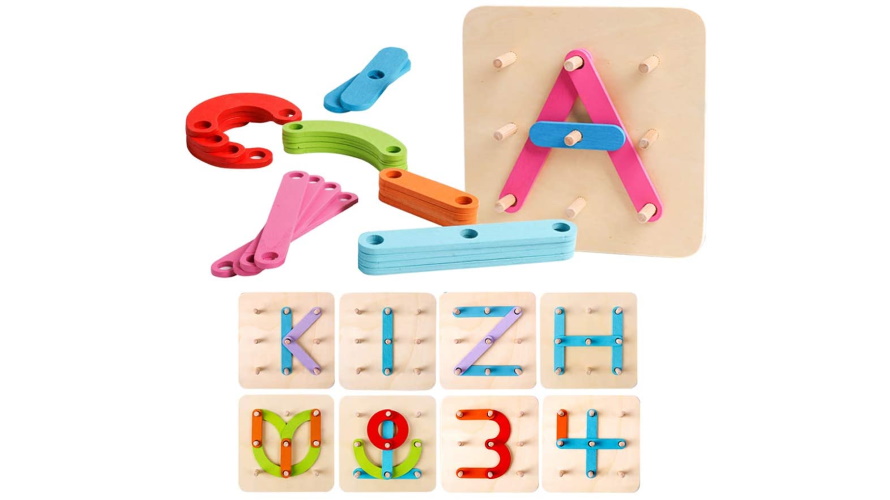
This beautifully made wooden letter and number activity set helps kids learn to recognize numbers, letters and shapes. Kids will have hours of fun putting the letters together and it will help improve their hand-eye coordination at the same time.
Reading blocks
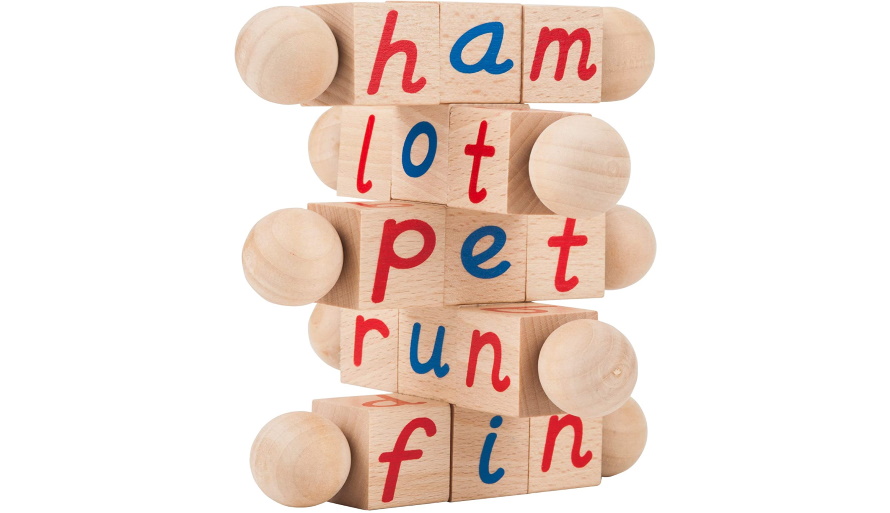
Once your kid becomes familiar with letters and phonics, they will be eager to start reading words. Instead of a boring sheet of paper, these adorable manipulative letter blocks let kids play with words. In no time at all, they will learn lots of useful words and develop confidence in their reading ability.
Matching words
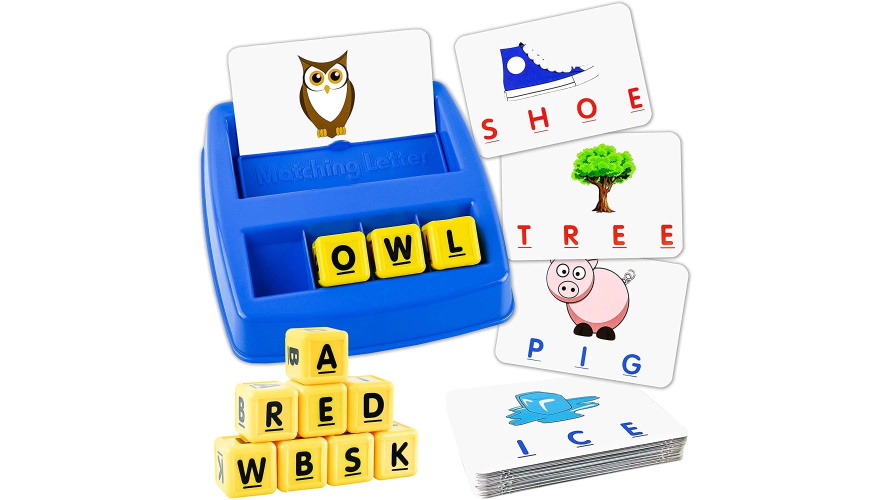
This nifty little word game helps kids develop memory skills, word recognition and strategic thinking. The game comes with a word tray, letter cubes, picture cards and word cards. It can be played alone or with a parent or friend.
Making math count
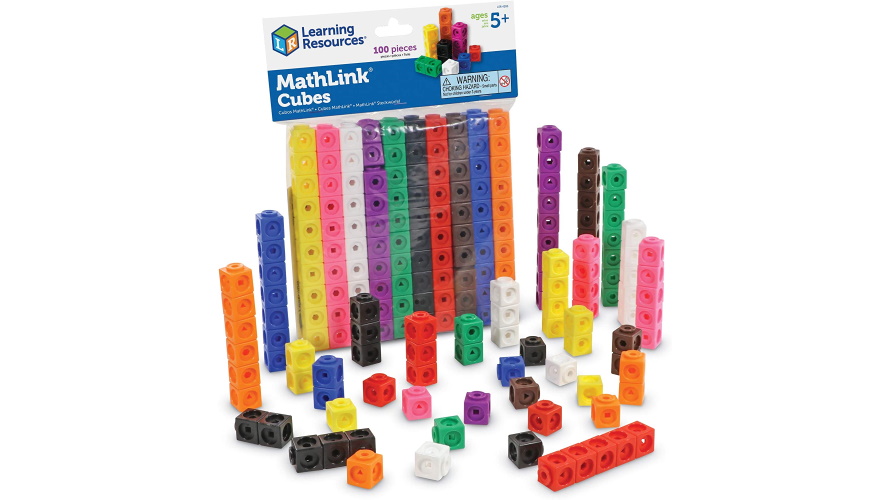
Math is an important skill for preschoolers to begin to grasp and this genius toy makes it a little easier for them to understand. Mathlink cubes help kids with counting, addition, subtraction and one-to-one correspondence. For younger tots, they encourage matching as well as color and pattern identification. Think of them as Lego with some extra benefits!
Playing with money
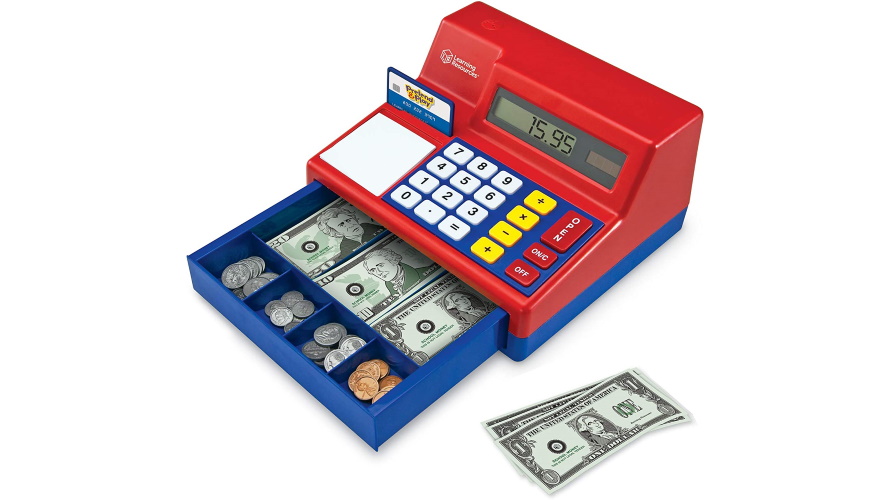
As soon as the kids get interested in math, money is a great way to build on their skills. This kid-sized cash register toy contains some realistic-looking cash and coins to help kids learn more about addition and subtraction. This toy is also great for imaginative role-play.
Loving logic
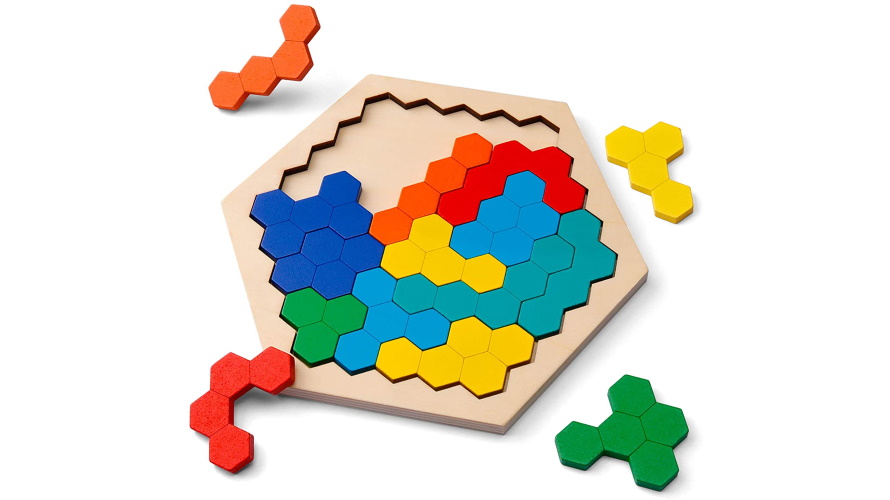
This stylish logic puzzle is great for young kids and adults! It’s a good test of patience for young kids and encourages them to practice their fine-motor skills, hand-eye coordination and spatial thinking. This is one toy you won’t regret buying and will last for years.
Creating geoboards
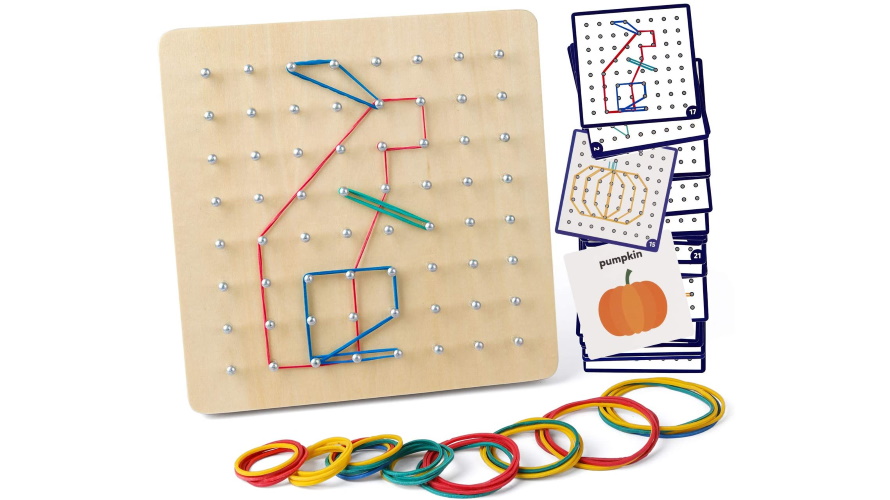
This awesome geoboard kit helps kids learn about shapes, letters and designs. It encourages kids to work on their fine motor skills, concentration and creativity. The toy comes with lots of geoboard pattern cards to get them started.
More tips for at-home learning:
- Less is more. Studies have shown that kids are more engaged when they have fewer toys to play with. Try not to clutter your kids’ playroom with mountains of toys. Keep a small selection of toys to play with and then store the remainder in your garage or attic.
- Arrange the toys. Montessori schools arrange activities on separate trays or baskets. This encourages kids to be independent and take and use their own work. It also encourages them to clean up afterward and put everything back in the right place.
- Swap out your toys. Kids get bored, so remember to retrieve those hidden toys from the garage and put out new items for them to play with. A toy that has been out of circulation for a few weeks can seem shiny and new again to a young kid.