 Seattle Family Calendar
 Subscribe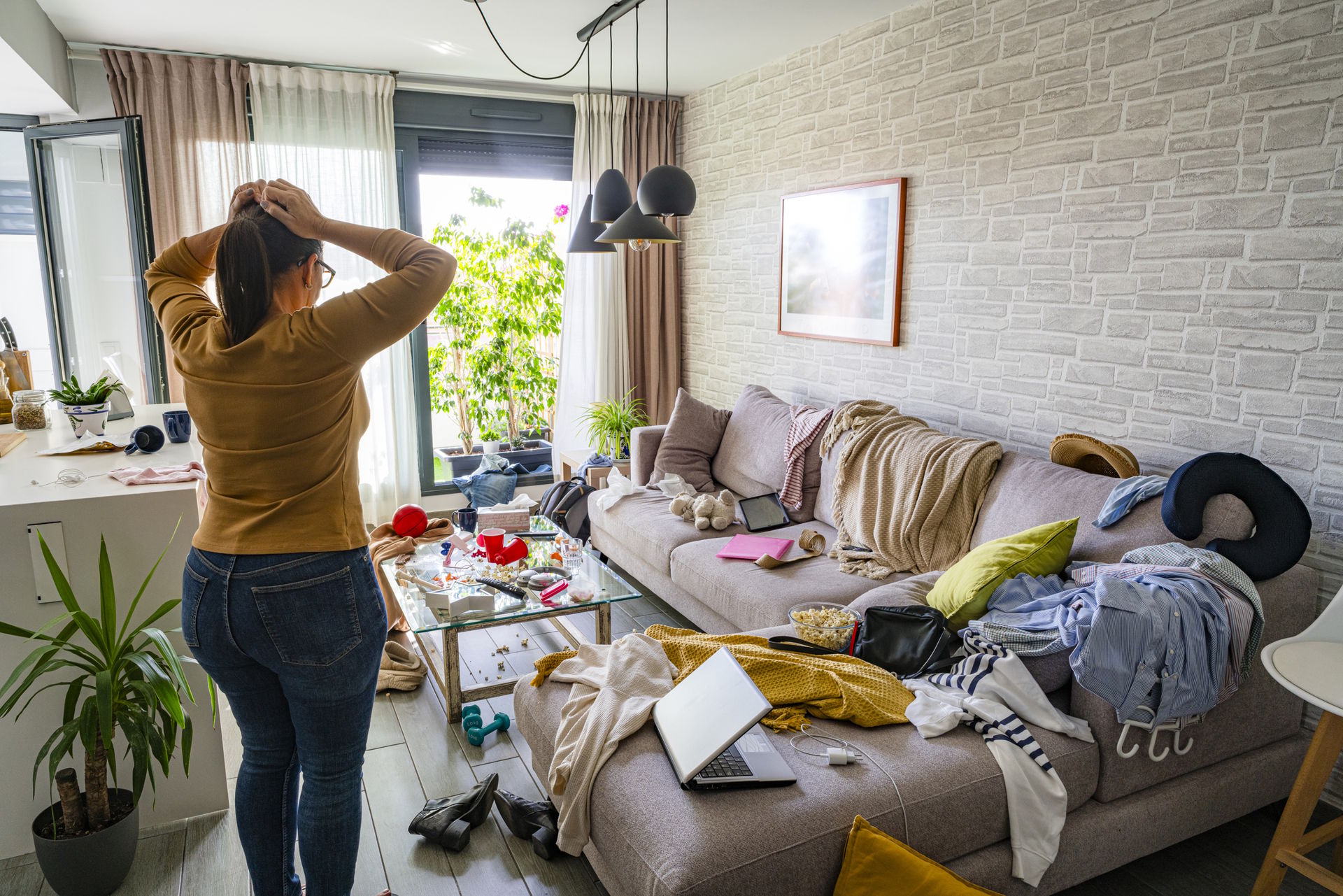

I looked around my living room the other day and thought, “Where did all this stuff even come from?” It is so easy for the piles to grow, especially this time of year when everyone is trying to remember how to get out the door in time for school. While there is no shortage of home-organization advice out there, what works and what doesn’t can feel like a mystery.
Wonder no more! I’ve come up with a simple quiz to reveal your clutter personality. Are you a sentimental saver? A just-in-case keeper? I’ve got home organization tips and tricks to address each type, and help get that kitchen counter and junk drawer under control.
Take the quiz: Uncover your clutter personality
What is sitting on your kitchen table or entryway table right now? (no judgement)
A) Your kid’s summer art collage, concert tickets and a stack of Christmas cards from 2024.
B) Extra boxes of tissue, hand sanitizer refills and a stack of “just in case they need it” school supplies.
C) Your keys, calendar and bills to pay. Because if you can’t see them, they don’t exist!
What feeling surfaces when you think about sorting through the closet you’ve been avoiding?
A) Nostalgic: Opening that door feels like a welcoming time capsule of memories. There is a good chance you will get lost looking at old photos and art projects rather than get any organizing done!
B) Prepared: If the zombie apocalypse hits tomorrow, that closet is your go-to survival spot. It’s packed with backup supplies for any emergency.
C) Anxious, with a side of curiosity: Deep breaths, you can do this. Who knows what you’ll find in there.
Why do you keep clothes you haven’t worn for years?
A) They remind you of a specific era of your life. (Do I still have my student-of-the-month sweatshirt from middle school? I plead the Fifth.)
B) Fashion is a cycle; you know it will all come back in style again! (Why, oh why, did I get rid of my Dr. Martens from high school?)
C) You haven’t looked at the back of your closet for years and forgot you owned all that stuff until right now.
What happens to mail and other papers when they enter your house?
A) You save the stuff that you want or that feels important or special so you can look at it again in the future.
B) Every receipt, manual or document is filed away in the right spot. What if you need it later?
C) Somewhere under the giant pile of mail is a kitchen countertop, you’re sure of it.
When you buy something new, what happens to the thing it replaced?
A) You just scoot the other one over and keep it, because memories!
B) The old item gets put in a box and stored as a backup in case the new one breaks.
C) The old item sits on a chair or the floor until you can figure out where it should go.
Which storage solution sounds best to you?
A) A handcrafted, beautiful memory box or photo album.
B) A heavy-duty shelving system for bulk goods (function over aesthetics).
C) One where you can see your stuff — wall hooks, pegboards and clear boxes or drawers.
What do you say when a friend spontaneously drops by?
A) “Sorry things are such a mess, but we’ve been having so much fun as a family!”
B) “Don’t mind the boxes, I just did a major Costco run.”
C) “Just let me shove this laundry onto the floor so you can take a seat.”
What do flat surfaces (tables, desks, counters, etc.) tend to look like at your house?
A) Covered in family keepsakes and kid projects from summer camp.
B) They serve as a staging zone for the household supplies inventory.
C) They are basically your reminder system — if it’s laying on a flat surface you’ll remember to take care of it later.
Discover your personal clutter reset
If you responded with mostly A’s you’re a Sentimental Saver
Your walls are covered with kid-art, drawers are stuffed with old holiday cards and sports team pictures, and your shelves are lined with ceramics from summer camp. It can be comforting to surround yourself with handmade objects and memories. But be careful or they can overtake your entire house!
- Your clutter-cutting plan: Start a “one-in, one-out” rule. Pick one box or extra-large manila envelope to store keepsakes for each person in your family. When it’s full, it’s time to let something go if you want to add something new. At the end of the year, digitize what you really love or pass some along to loved ones. (Grandparents are always thrilled with a piece of kid artwork!)
If you responded with mostly B’s you’re a ‘Just in Case’ Keeper
Will you be the house on the block ready when an emergency hits? You sure will. But stocking up to be ready for the end of the world can lead to crowded closets and probably more than one duplicate purchase.
- Your clutter-cutting plan: Set a backup limit. Once your (very practical) emergency bags are packed for each member of your family try limiting yourself to just one extra of each item. One extra container of dish soap or toilet cleaner is great, you’ll avoid a frustrating situation or a late-night trip to the store. Store your extra items in a bin, and when it’s full you know you are all set for whatever the world might throw at you.
If you responded with mostly C’s you are an In-Sight Stasher
If you can’t see it, it doesn’t exist. Organizing gets tricky for you because popular storage solutions (such as drawers, boxes with lids, cabinets that close, etc.) result in your stuff feeling hidden and can be quickly forgotten about.
- Your clutter-cutting plan: Clear storage and vertical hooks are your friends. Just say no to solid bins and cabinets with doors. You’ll forget what’s in them as soon as they close, and that will only result in frustration and unorganized spaces. Instead, try using clear boxes or bins, open shelving, desktop trays or wall hooks. You can cut down on clutter by having a place for all your things to go, while keeping it all where you can see it. It’s a win-win!