
 Seattle Family Calendar
 Subscribe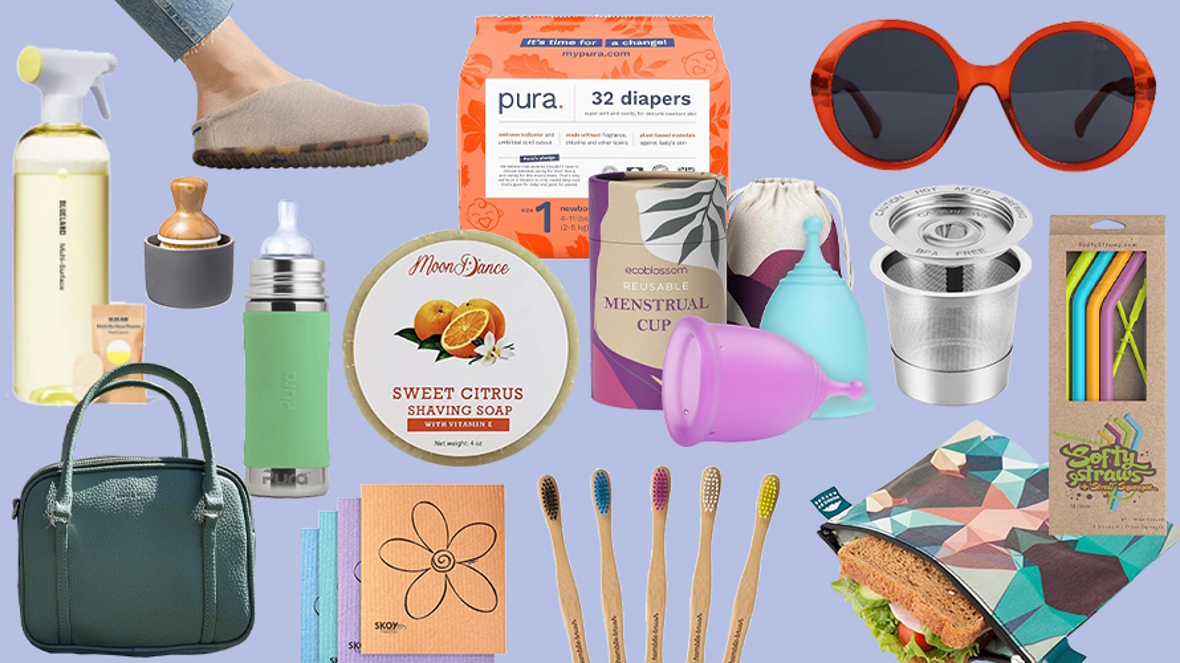

With the way climate change is going, we all want to do our part to make our planet a little greener. Though many eco-friendly products are more expensive than their mass-produced counterparts, others are cost-comparable and only require the will and the research to find. To help, we’ve collected a list of goods and tools that you can feel great about using.
Whether you want to press the reset button on your consumption habits or only have the energy to make one or two positive changes, browse through our list to find some inspiration.
Personal care products
These days the beauty market burgeons with more options than were available even a few years ago. For light-on-the-earth oral care, consider low-waste bamboo toothbrushes as well as silk or bamboo dental floss housed in a reusable glass container. Try switching to toothpaste tablets to cut down on plastic packaging.
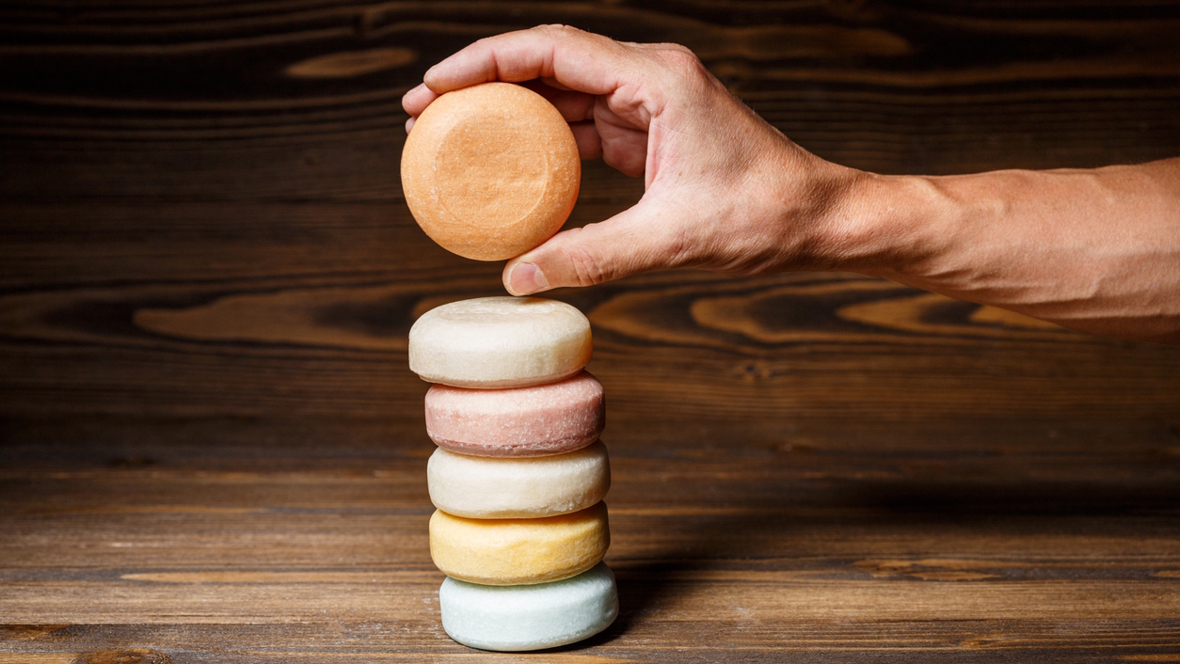
Shampoo, conditioner and shaving cream now come pressed into soap-like bars, lessening their plastic footprint or bypassing it altogether with compostable packaging. And, if you’ve budgeted for fancy, natural deodorant, several companies offer aluminum-free alternatives made with ingredients such as essential oils, tapioca starch and Dead Sea salt.
Reusable period products, such as menstrual cups and washable cotton pads, can make a real difference — for the planet and people! Did you know an individual can use up to 10,000 menstrual products over their lifetime? A reusable option can have a big impact, and save you a lot of money!
Baby care

We love babies but their diaper requirements turn them into mini polluting machines. To cut down on the waste they produce, consider washable diapers with absorbent microfiber inserts. If you want to stick with disposable, check out responsibly sourced plant-based diapers or chlorine-free options. Biodegradable baby wipes are also now, happily, a thing. Pro tip — it’s really easy to DIY your own baby wipe solution for an even greener (and economical!) option.
Baby bottles made of stainless steel and glass are environmentally preferable to those made with plastic, especially if you wash them with a cellulose sponge bottle cleaner and dry them on wooden racks.
Next up: Kitchen products
Go green in the kitchen
Take advantage of the many small ways to turn your kitchen into a hub of sustainability, from stocking up on biodegradable trash bags to a plant-based dish soap coupled with a biodegradable sponge. Or try dipping a bamboo scrubbing brush into a ceramic dispenser, which can be filled with liquid soap from a paper carton.
If you’ve given in to the siren song of the Keurig single-cup coffee machine, you can turn them from plastic gobblers into relatively eco-kind brewers by investing in reusable K Cups.
Metal straws are a must-have. Not only do they make you feel like you’re sipping a milkshake at a 1950s soda counter, but they save traditional straws from breaking down into microplastics and inevitably filtering into oceans. Not a fan of a metal straw hitting your teeth? Try these soft (and brightly colored) silicone straws.
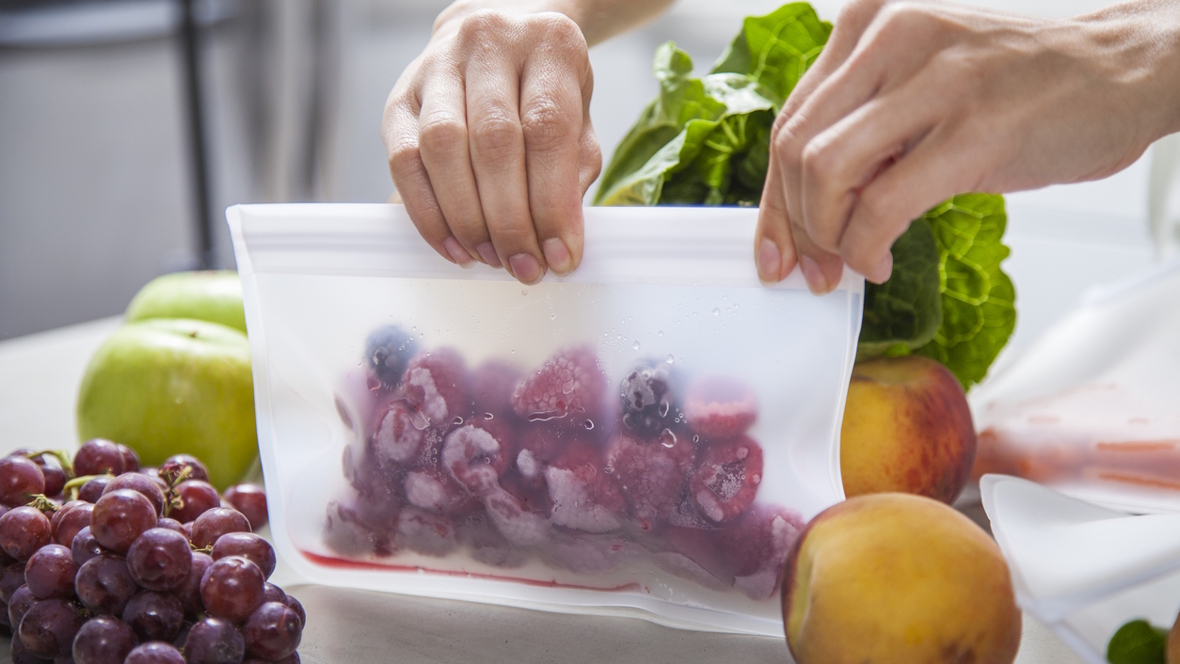
It’s much easier now to ban baggies from your home with silicone sandwich pouches. Tough and dishwasher safe, they can be used many times over. Recyclable and sealable paper bags are the best choice if you need something single-use, particularly handy for shorter stints of storage — think packing lunches. We love these BPA-free zipper sacks that can be hand-washed or tossed in the dishwasher.
Cut down on the plastic bottles of cleaning solution you buy with this kit that includes a refillable spray bottle and a device that makes a germ-killing blend with ionized tap water and nontoxic disinfectant. Blueland also offers reusable bottles and tablets so you’re not paying for — and gas-guzzling trucks aren’t hauling — plastic bottles full of mostly water.
Swedish washable dishcloths are super absorbent and come in cute colors and designs to brighten your kitchen while lightening your environmental impact. Reusable “paper towels” are another popular alternative that will help keep your kitchen sparkling and waste-free.
Reduce the carbon footprint of your bathroom and laundry room
Instead of contributing to deforestation with traditional toilet paper, lean into better alternatives such as recycled or bamboo toilet paper. If you’re due to replace your toilet cleaning brush but, understandably, haven’t given much thought to what you’ll choose, think natural. This beechwood-handled, coconut-fiber scrubber packaged in a cornstarch bag will cut back on your carbon guilt.
Finding an eco-friendly toilet cleaner is tough. Bleach-free liquid options abound but come packaged in plastic. Seventh Generation’s formula — free of bleach, artificial fragrances and dyes — comes in a 100-percent recycled bottle. Or, you can sprinkle baking soda and vinegar in your toilet bowl and, with a little elbow grease, scrub away the gross stuff.
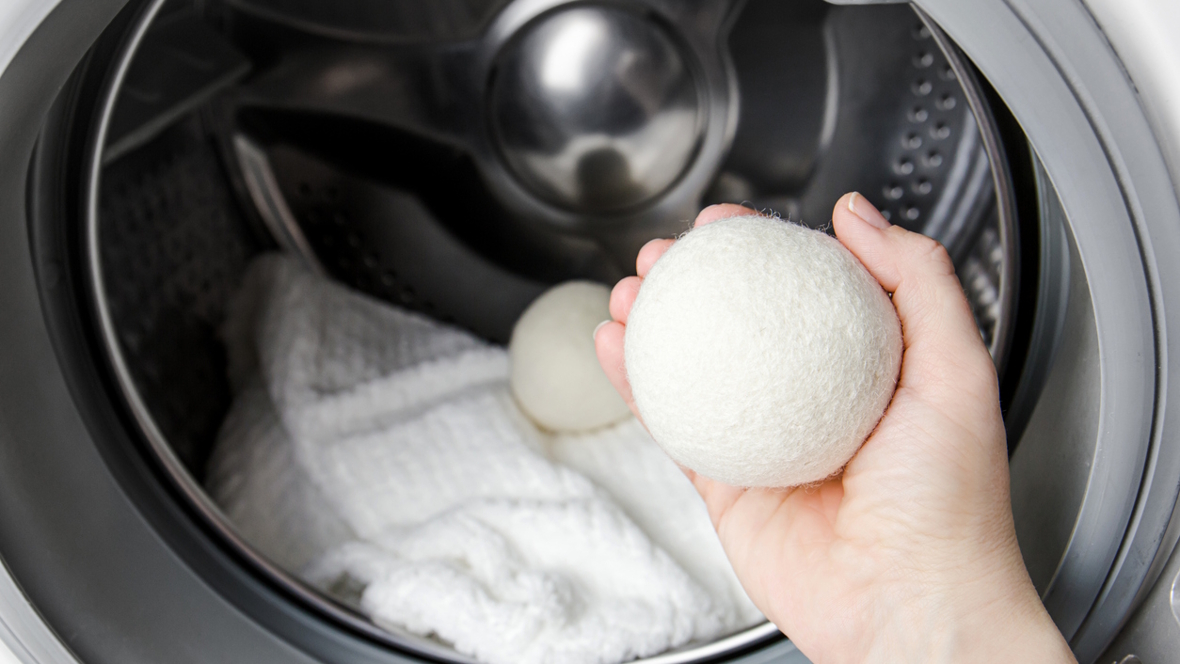
The newest trend in less-wasteful laundry is ditching big detergent jugs for eco-friendly sheets. If you’re a fabric softener fan, consider popular wool dryer balls, purported to reduce wrinkling and cut drying time by up to 25 percent. When the sun comes out, why not let it do some of the work for you? This clothes-drying umbrella is movable and collapsible, making it work in many spaces.
Get fashionable with merino wool and recycled plastic
If you’re able, splurge on Allbirds. Billed as the world’s most comfortable shoes, they are made of wool, recycled plastic bottles and castor bean oil. Rothy’s claims to put the planet and people first with its signature thread spun from repurposed water bottles.
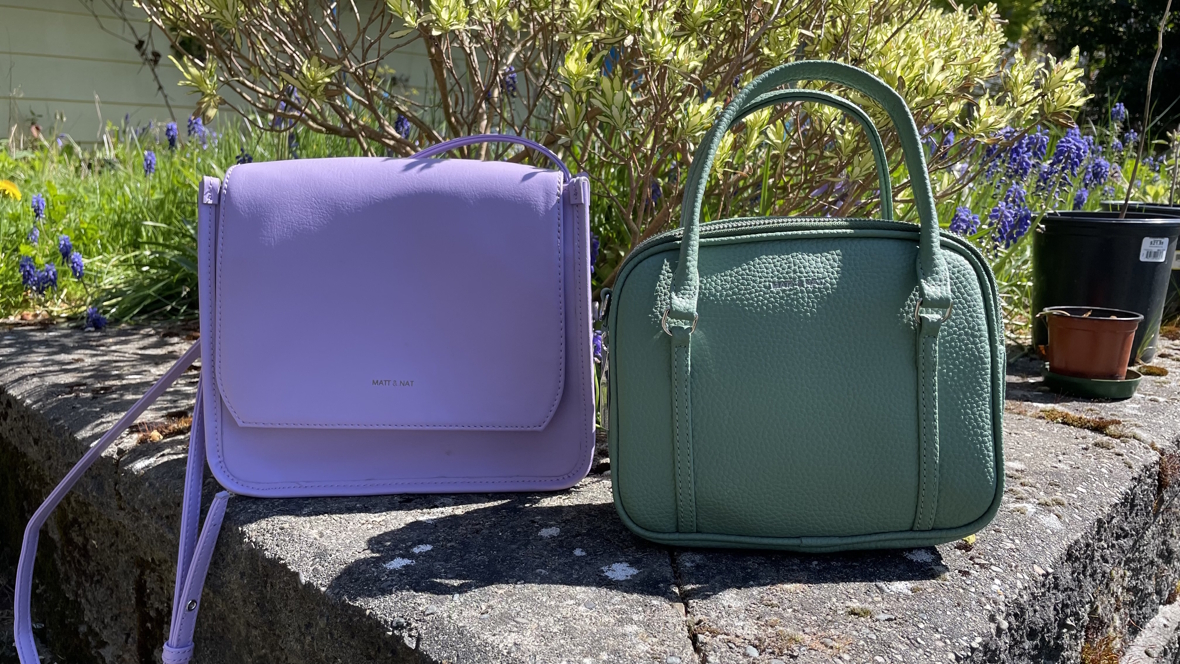
In the market for a new bag or other accessories traditionally made from leather? You’ll want to check out Matt & Nat, a Canadian company that puts sustainability first and makes all their products out of vegan materials. The materials they use to make bags, shoes and clothes range from polyurethane (a biodegradable material) to recycled windshield glass resin, and even fruit skin fibers. The lining for every bag is made from 100-percent recycled plastic bottles (about 21 plastic bottles are recycled for every bag they produce).
We can’t save the Earth all on our own, but we can vote with our wallets and feel good about making the best buying decisions possible to leave the planet in better shape and with a more stable climate for our children.
More eco-friendly ideas:
Editor’s note: This article was originally published in 2021, and was most recently updated on April 13, 2026, by ParentMap’s editorial team. This article contains affiliate links. If you purchase products through links on our site, ParentMap may earn an affiliate commission.