Seattle Family Calendar
 Subscribe
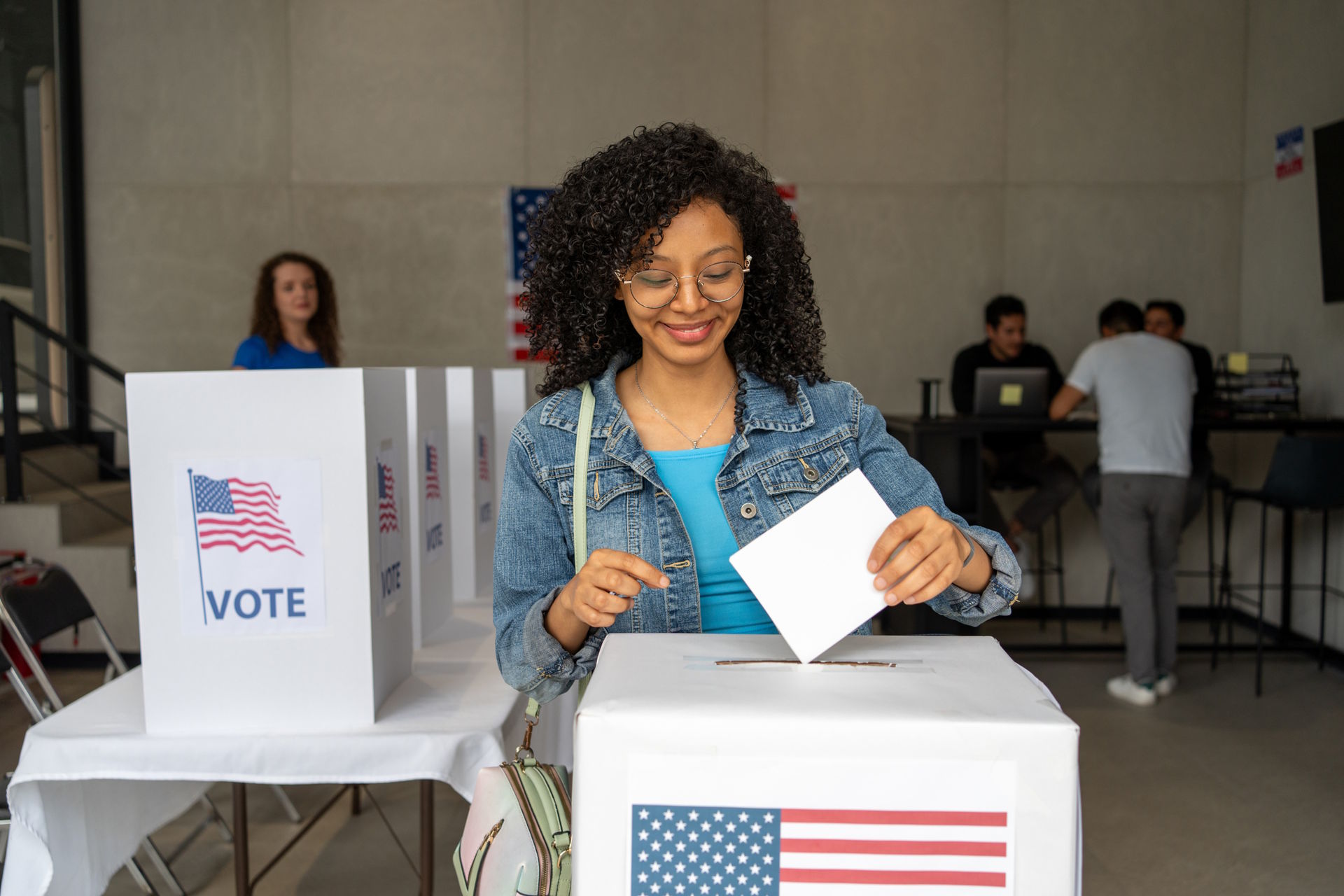

Depending on where you live, voting might mean walking into a local polling place or filling out a ballot at your kitchen table. As a little girl I remember going to our small-town community center with my parents when they voted. As an adult living in Seattle, I’ve voted by mail for decades.
Seasoned voters are familiar with the process, but for teens — or anyone voting for the first time — navigating registration rules, voting deadlines and mail-in ballots can feel like a whole new world. That’s why I’ve put together this list of key tips to ensure your teen’s ballot gets counted this election season, no matter which state you call home.
Make sure you’re registered to vote.
There are different rules and deadlines for registering to vote, so make sure you look up your state’s specific information. Did you know that in many states 16-year-olds can preregister to vote? It’s true, and a great way to make sure your teen is registered well before election day. Pro tip — my son was able to preregister to vote when he got his driver’s license, which was quite convenient.
Washington state votes by mail in every election. If you’re registered, the state will automatically send your ballot by mail. You can quickly and easily check your registration status online. Teens who are 16 or 17 years old can also register through the Future Voters Program and will automatically be registered to vote when they become eligible. So cool!
Every household should also receive the General Election Voters’ Pamphlet. It’s a good idea to read through the pamphlet as soon as it arrives, so when your ballot lands, you’re ready to vote.
Once you receive your ballot, vote early!
Now that you are registered to vote, it’s time to make sure you get to the polls or mail your ballot in on time! In some states, you can only vote on election day itself. In others, there is an early voting window. Make sure you look up and understand the voting dates and deadlines specific to your state.
Here in Washington, ballots are due on Election Day, the first Tuesday in November. They should be postmarked (No stamp required!) no later than Nov. 3, 2026, or dropped in a ballot drop box by 8 p.m. on Election Day. That said, many experts are urging voters to vote as early as possible to: 1) make sure that if there’s an issue with your ballot, there’s time to fix it and; 2) to minimize overwhelming the system on Election Day. If you’re going to use a ballot box as opposed to a mailbox, make sure it’s an official ballot box.
If you lose or damage your ballot, never fear! Simply contact your local county elections office if you need a new ballot or if yours never arrived in the mail. You can also print a replacement ballot online.
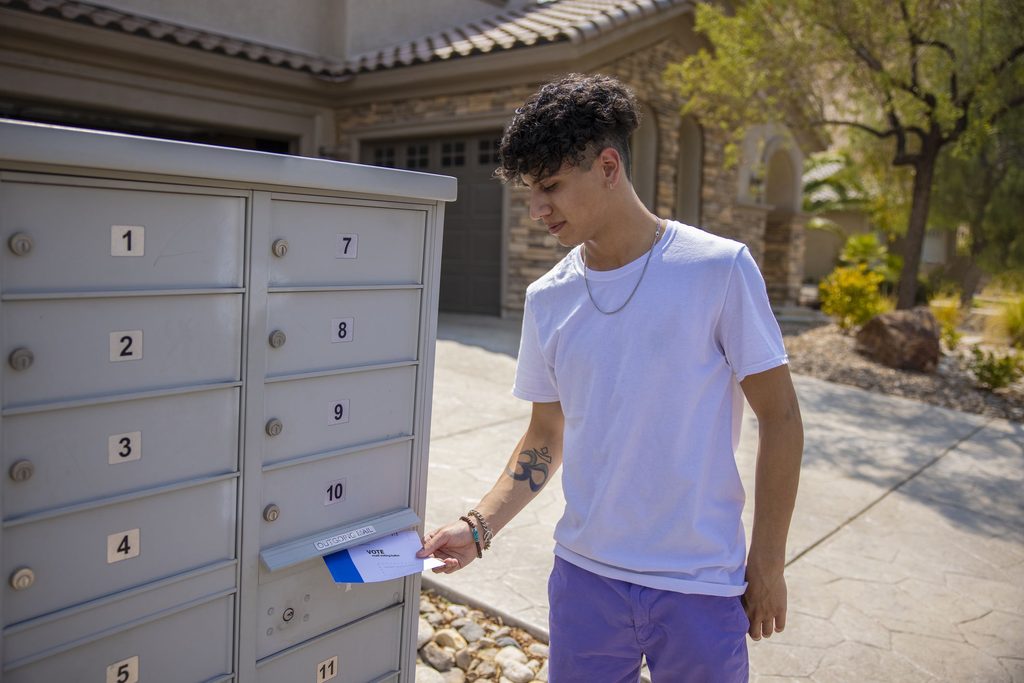
Follow instructions.
Voting rules vary by state, so it is vital to understand how everything works where you live.
If you are voting by mail, it’s important to read and follow all instructions carefully and double-check your ballot before you send it, as there are a handful of ballot disqualifiers. If your ballot is at home waiting for your attention on the kitchen table, make sure you keep it safe from drink and food stains! For Washington state, the Secretary of State’s FAQ on voting by mail is a great place to find answers to your voting-related questions.
Use the correct pen.
For mail-in ballots, scanners can only recognize certain kinds of ink. Do not use markers, red ink or other uncommon writing materials. Use a pen with blue or black ink only.
Use the correct signature.
The most common reason for rejection of a mail-in ballot is failure to sign, so first of all: Sign your envelope! And make sure it’s the correct signature. Believe it or not, your signature can be a disqualifier if it doesn’t match the signature that the state has on file. This has been an issue among younger voters in previous elections, so make sure your signature resembles the one on your voter registration record. If your signature does not match, the elections office will contact you (by mail, phone or text if signed up for tracking) to fix it before the election is certified.

Track your ballot.
We all track our Amazon packages religiously. Use that same enthusiasm to track your mail-in ballot! It’s just as easy to track your ballot online. You can also sign up to receive text messages letting you know when your ballot has been mailed, received and counted.
Frequently asked questions
Can 16- and 17-year-olds register to vote?
Yes, in many states, 16- and 17-year-olds can preregister to vote. For example, Washington state allows teens to register through the Future Voters Program, and they will automatically become registered voters once they reach eligible voting age.
How do mail-in ballots work, and when are they due?
In states that vote by mail, such as Washington, registered voters are automatically sent a ballot by mail. Mail-in ballots must meet strict submission deadlines — in Washington, they must be postmarked or returned to an official drop box by 8 p.m. on Election Day. However, experts recommend submitting your ballot as early as possible to fix any potential issues and avoid overwhelming the system.
What should I do if my ballot is damaged, lost or never arrives?
If your ballot is missing or damaged, contact your local county elections office to request a replacement. In many cases, you can also print a replacement ballot online directly through official election portals.
Why might a mail-in ballot be disqualified or rejected?
Common causes for ballot rejection include:
- Writing mistakes: Using the wrong ink (such as markers, red ink or uncommon colors) that scanners cannot read. You should strictly use blue or black ink.
- Signature issues: Forgetting to sign the envelope, or providing a signature that does not match the record on file. If a signature mismatch occurs, election officials typically contact the voter to cure the issue before results are certified.
- Physical damage: Physical damage or staining (such as coffee or food spills) can prevent automated voting scanners from properly tabulating a paper mail-in ballot. However, whether a damaged ballot is ultimately uncounted depends on local election laws and whether election officials can still clearly determine the voter’s intent.
Can I track the status of my mail-in ballot after submitting it?
Yes. You can track your ballot online or sign up for automated text updates to follow your ballot’s progress when it is mailed out, received and officially counted.
AI was used to generate the frequently asked questions portion of this article. It was reviewed by ParentMap’s editorial team for accuracy and edited for clarity.
Editor’s note: This article was first published several years ago and was updated most recently with current voting information and resources on Oct. 8, 2026, by ParentMap’s content editor, Kari Hanson.