 Seattle Family Calendar
 Subscribe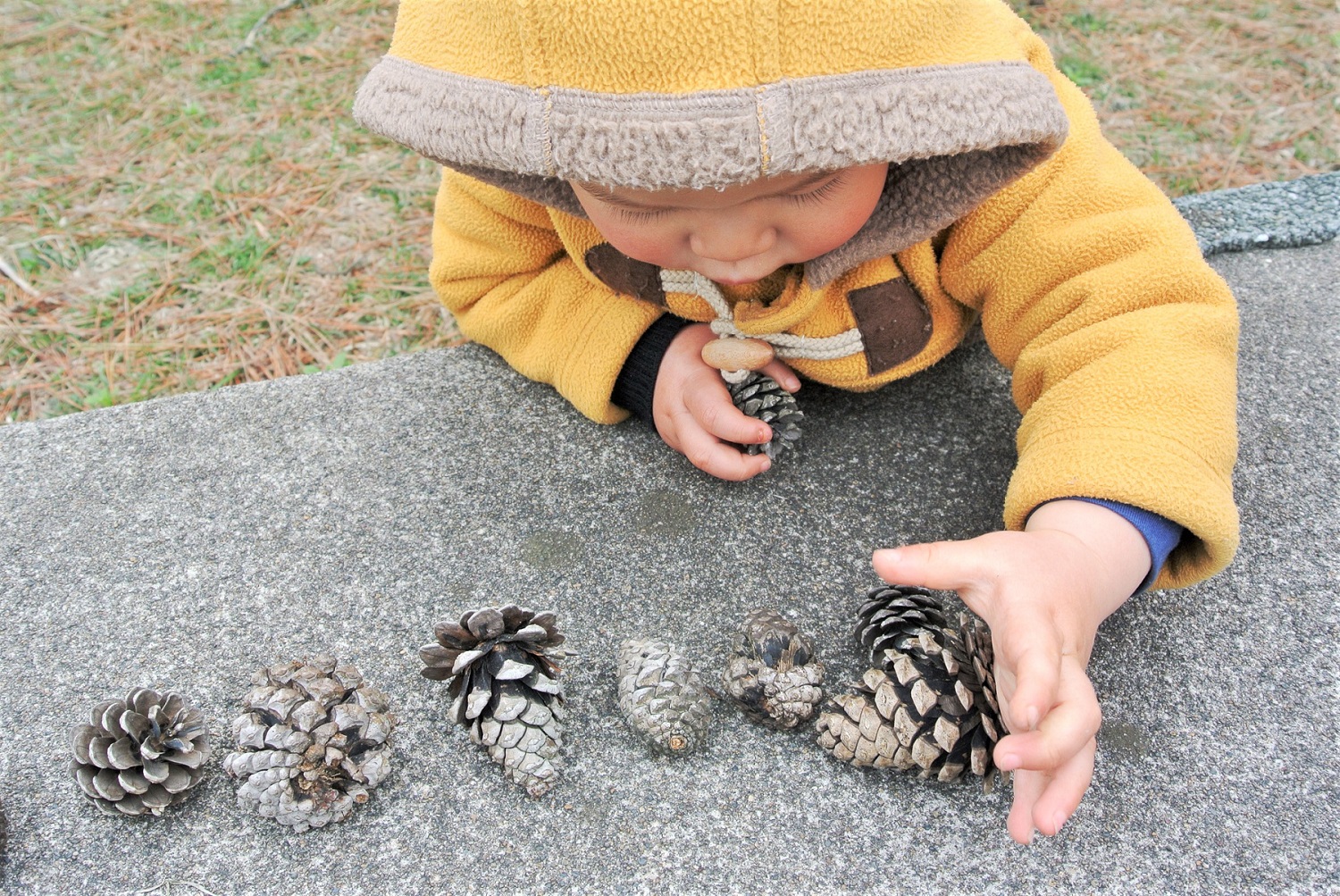

Go on a treasure hunt!
In any season, time outside can raise kids’ spirits (grown-ups’ spirits, too). Even as our days turn more toward gray, a breath of fresh air does wonders.
If you need an activity to get your crew moving around the block, to the park or into the woods, try your very own treasure hunt. Mother Nature provides the props, and they change every season. After you’re back inside, the treasures you’ve collected are perfect for craft projects, for display and for studying the natural world. It’s the perfect combination of art, science and education.
Use the arrows above the image for easy-to-find treasures to start with. Once you’ve found them all, maybe your kids will be inspired to create their own more challenging nature treasure hunts? Happy searching!
1. Pine or fir cones
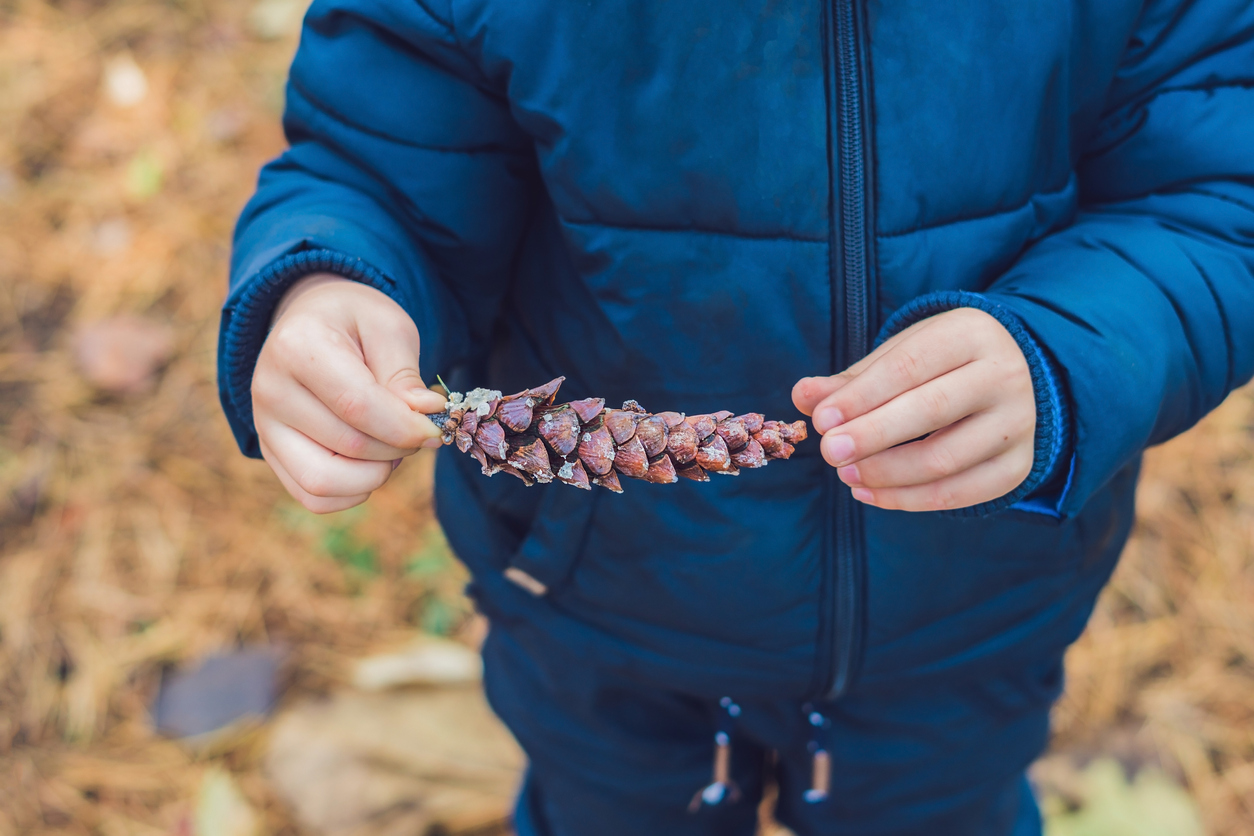
Have your kids find and identify the pine cones or fir cones of the conifers in your neighborhood. Fun fact: Cones that come from our plentiful local Douglas firs are fir cones, not pine cones, of course! A copy of “Mac’s Field Guides: Northwest Trees” helps with distinctions among different kinds of cones. The guides are good for other flora, birds and bugs, too, and they’re laminated so sticky hands can use them again and again.
The craft opportunities with pine cones are endless, from pine-cone owls to wreaths and snowmen. Display them in a Mason jar, a basket or other containers at home.
2. Rocks
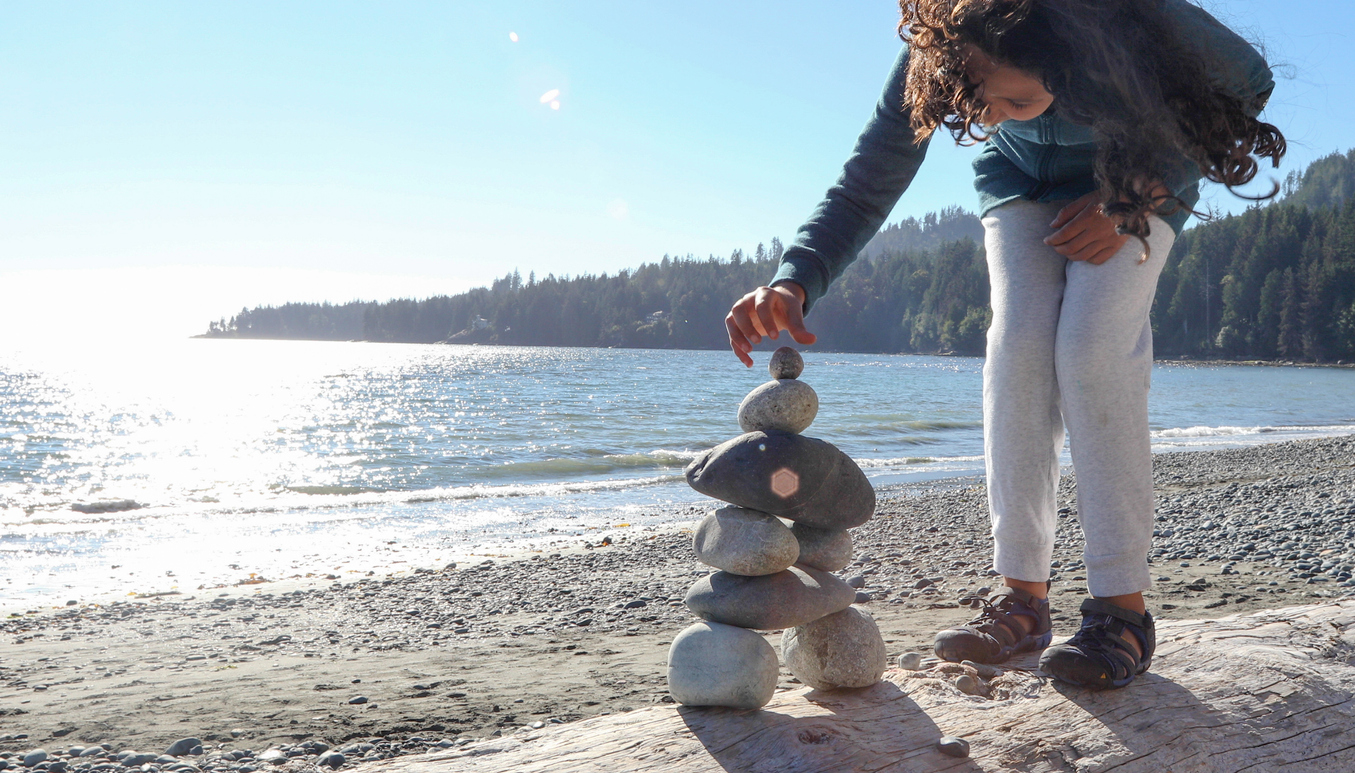
Even Martha Stewart loves rocks for great kids’ crafts. Bring home a few special rocks to paint as ladybugs or dominoes, or make a bookend out of a larger rock. Try to balance flat rocks in a stack to build a cairn.
Talk to older kids about the three main types of rocks (igneous, sedimentary and metamorphic), and find endless information, activities and learning games at sites such as Kids Love Rocks.
3. Ferns
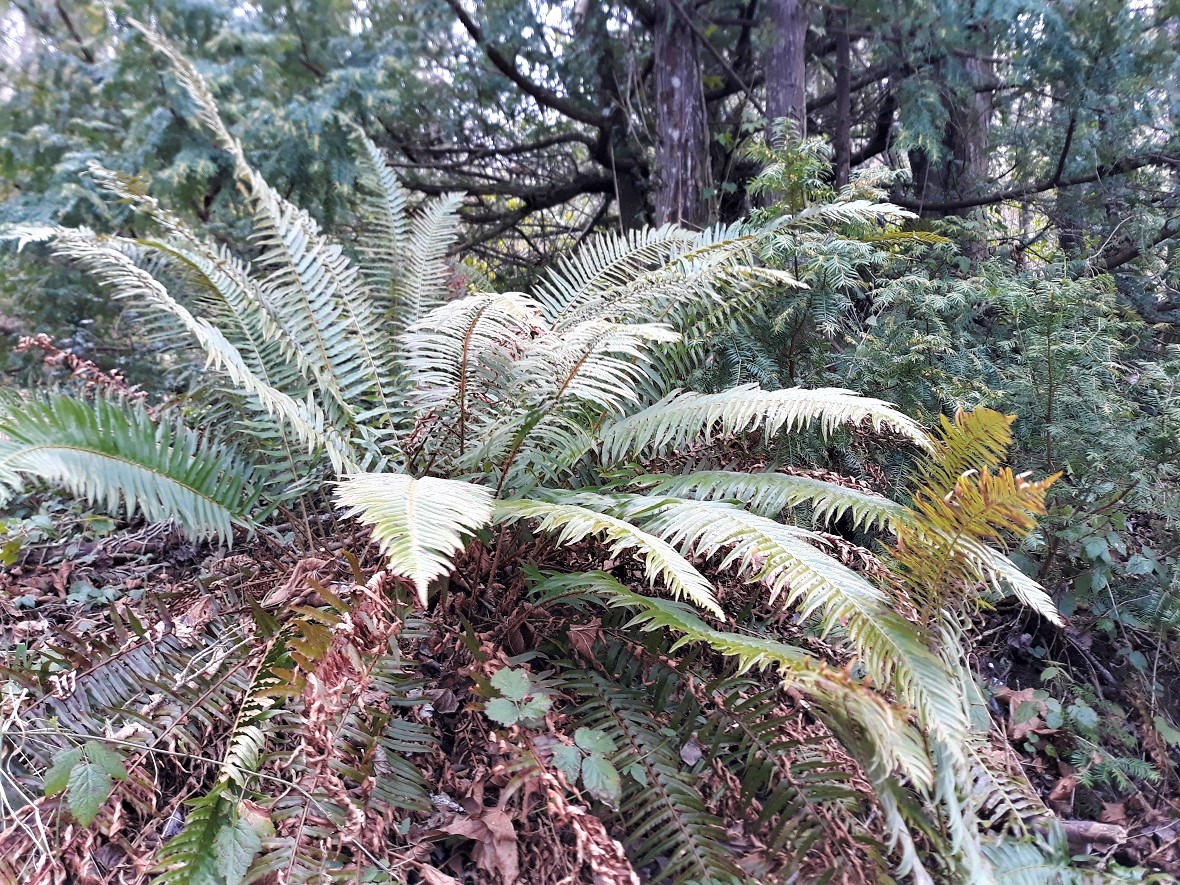
Our rainy Pacific Northwest region has tons of ferns, and you can find them in almost any park. In the spring, ferns give a little show. Look at the new ferns as they emerge tightly curled and gradually open over many weeks.
At other times of the year, pick a mature fern frond and bring it home to make a leaf print. Other leaves to try include maple and beaked hazelnut. Can you find these or other interesting leaves?
4. Leaves
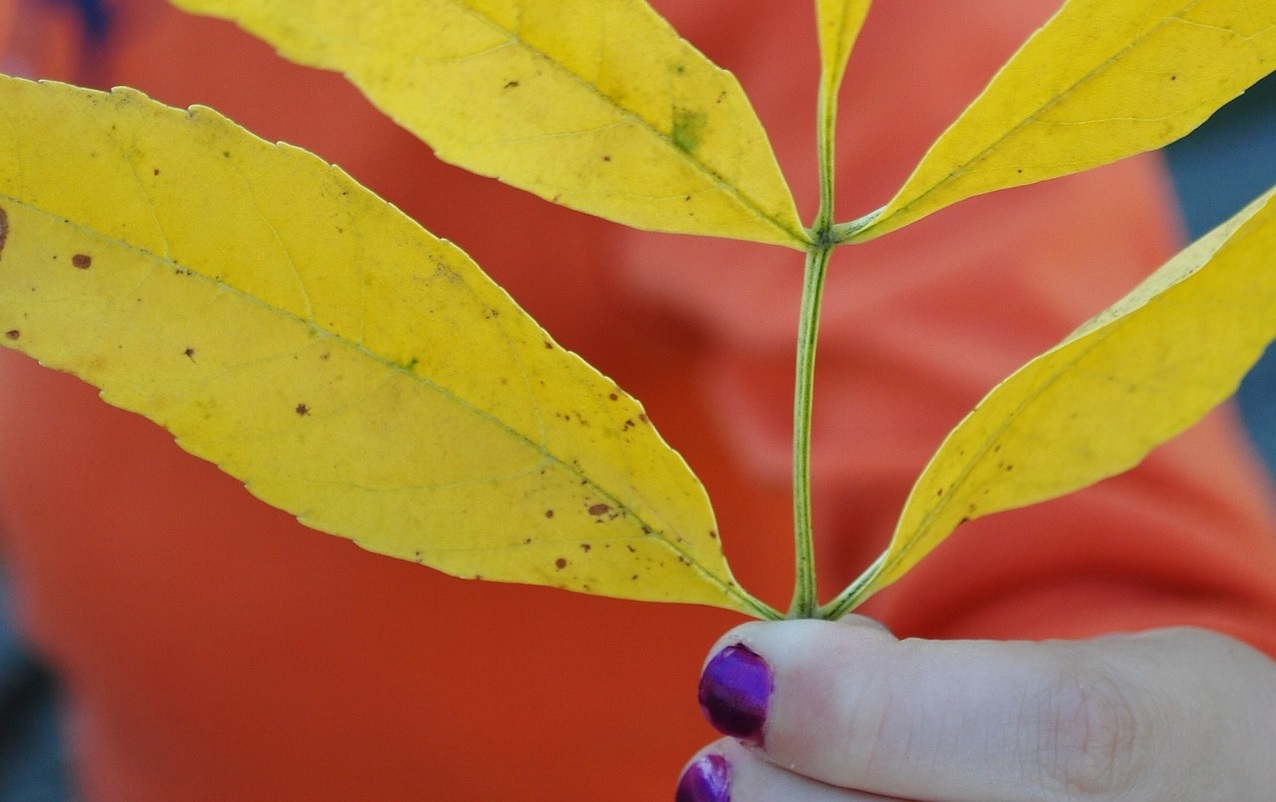
Leaves, of course, are treasures that are everywhere, and easily accessible in fall. Just look under your feet! Kids can identify different kinds by their color, texture, size and shape.
Project Learning Tree suggests some ideas for looking at leaves to encourage discussion about the varieties your child discovers! They are perfect for crafts at home, too.
5. Chestnuts
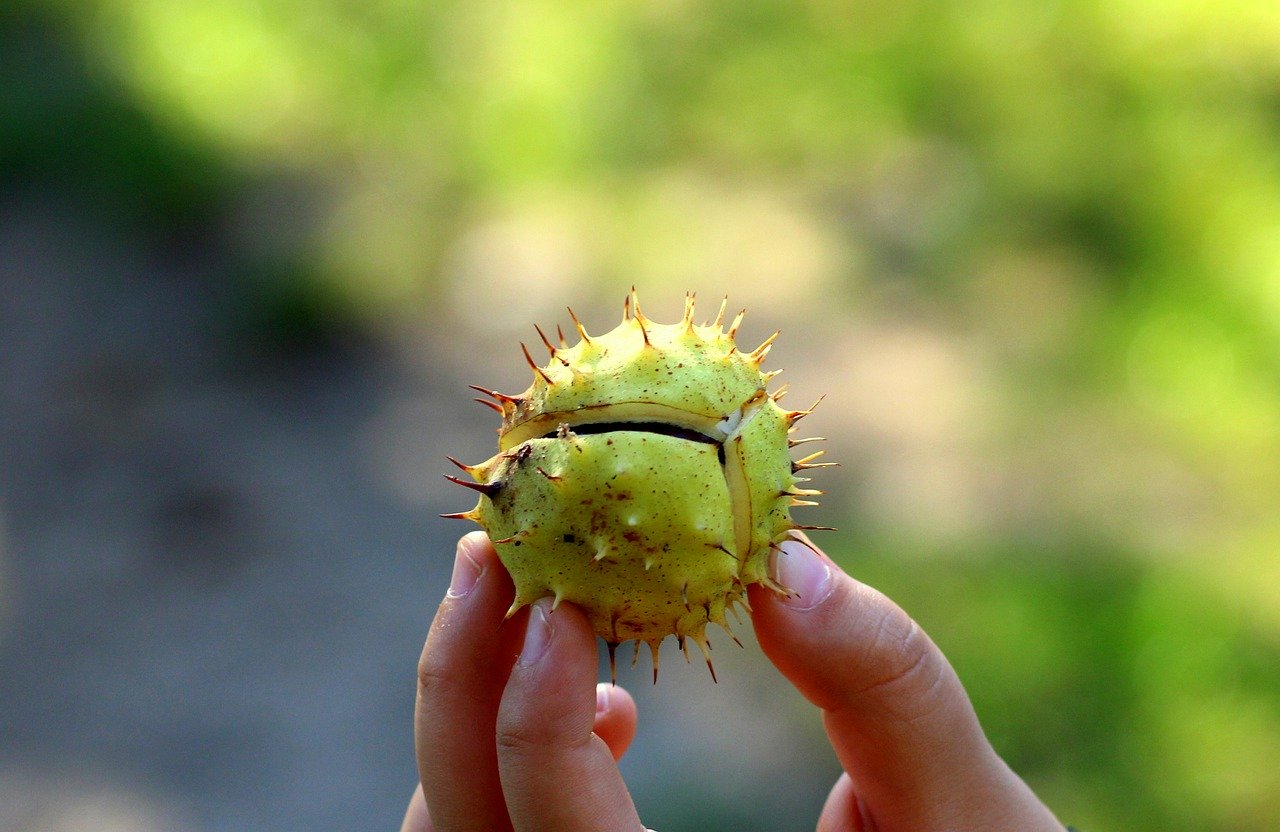
Most of the chestnuts you’ll find in the Pacific Northwest are horse chestnuts — not good for roasting and eating, but perfect for collecting. Kids will enjoy pounding chestnuts with rocks to slough off the prickly exterior to expose the smooth, burnished chestnut inside.
Stuff your pockets and bring them home for chestnut crafts and counting games. Then you can proudly display your collection in a Mason jar.
6. Lichen
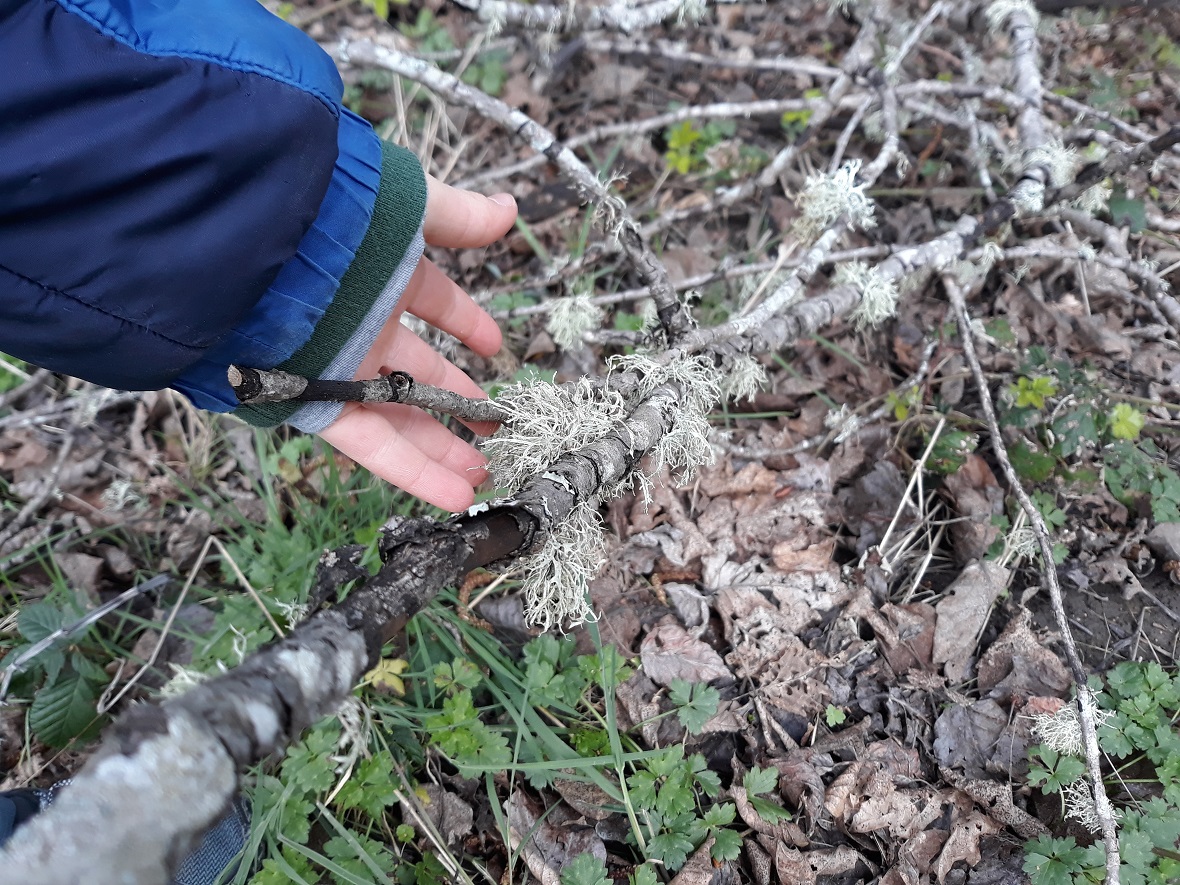
Read about the lichen you find on rocks and trees in the classic book “Cascade-Olympic Natural History: A Trailside Reference.” Identification leads to ideas: The chartreuse wolf lichen, for example, was used by First Nations peoples to color different fabrics.
What do different kinds of lichen look like to you?
7. Moss
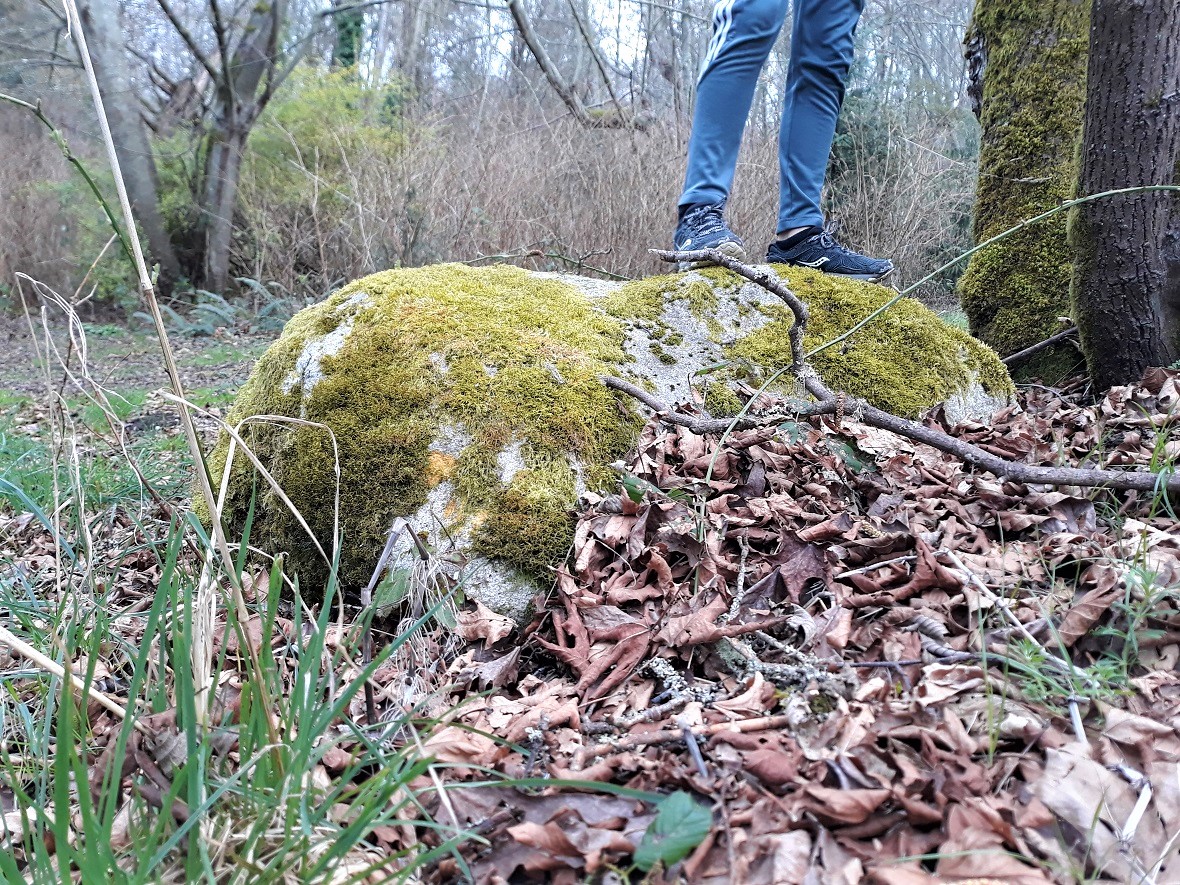
In the Pacific Northwest, moss is everywhere, but did you know there are more than 100 different kinds? You don’t want to pick live moss, but if you can find a bit that’s fallen on the ground, you can try using it for painting, the way you’d use a sponge. Or try a science experiment with your kids to learn how water moves through moss.
8. Feathers
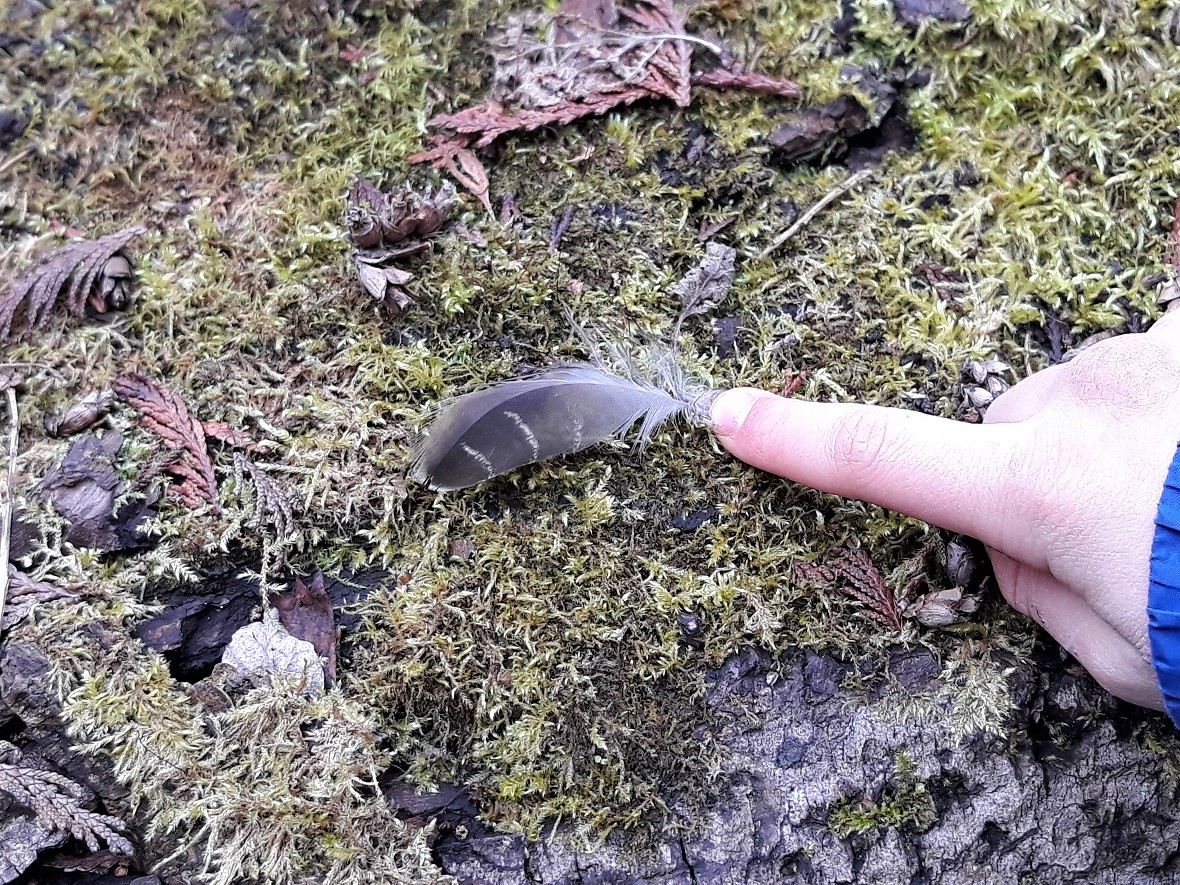
Why do birds lose feathers? How are birds going to fly without them? Feathers left by our migrant and local bird populations are a special treasure for kids. They display nicely, and Pinterest will give you hundreds of ideas for crafts.
For your little scientist, dig into bird facts with resources from the Cornell Lab of Ornithology or the National Geographic Bird Identifier. You might even try birding as a family activity that gets your whole crew out in nature.
9. Bird’s nests
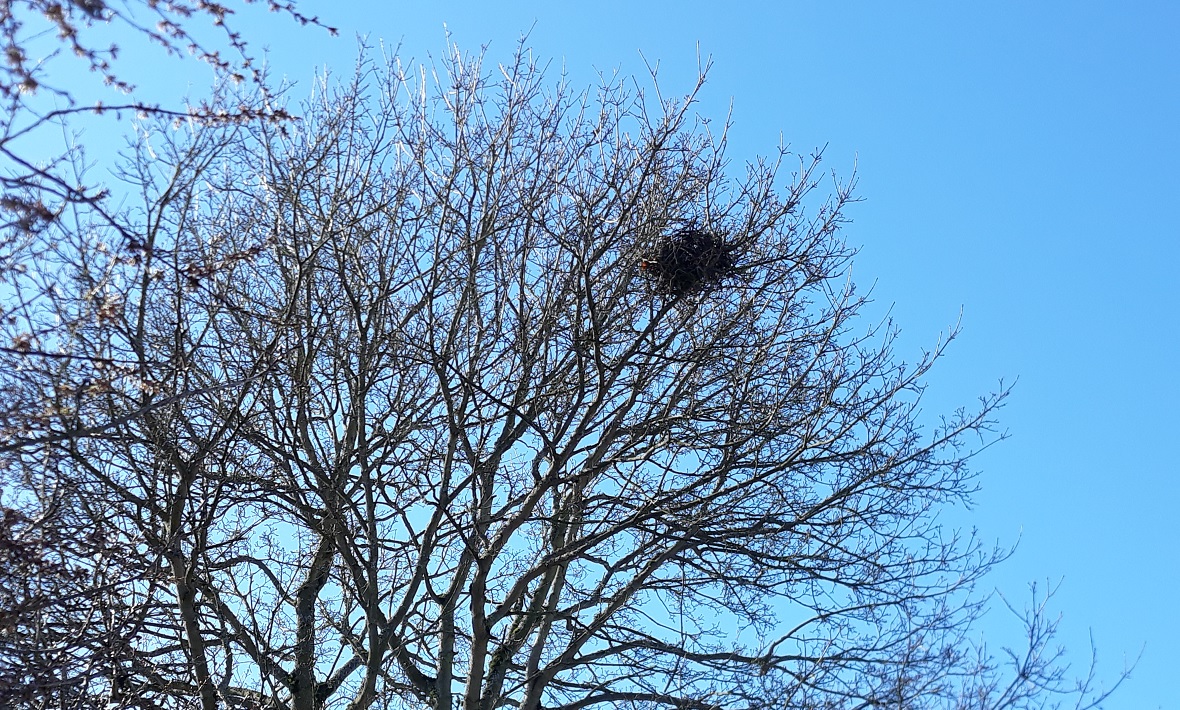
Keep your eyes in the trees and look for evidence of home-building by our avian neighbors. Inspect what you see for different nest-building techniques in action and discuss the different kinds of birds that share our region. Check out Seattle Audubon’s guide to birds of Washington. (Fun fact: Squirrels also build nests in trees.)
For more exploration, research different birds’ migration paths for a geography lesson. If you’re inspired, find out more about birds with resources from Seattle Audubon or the Seward Park Audubon Center.
10. Trees and bark
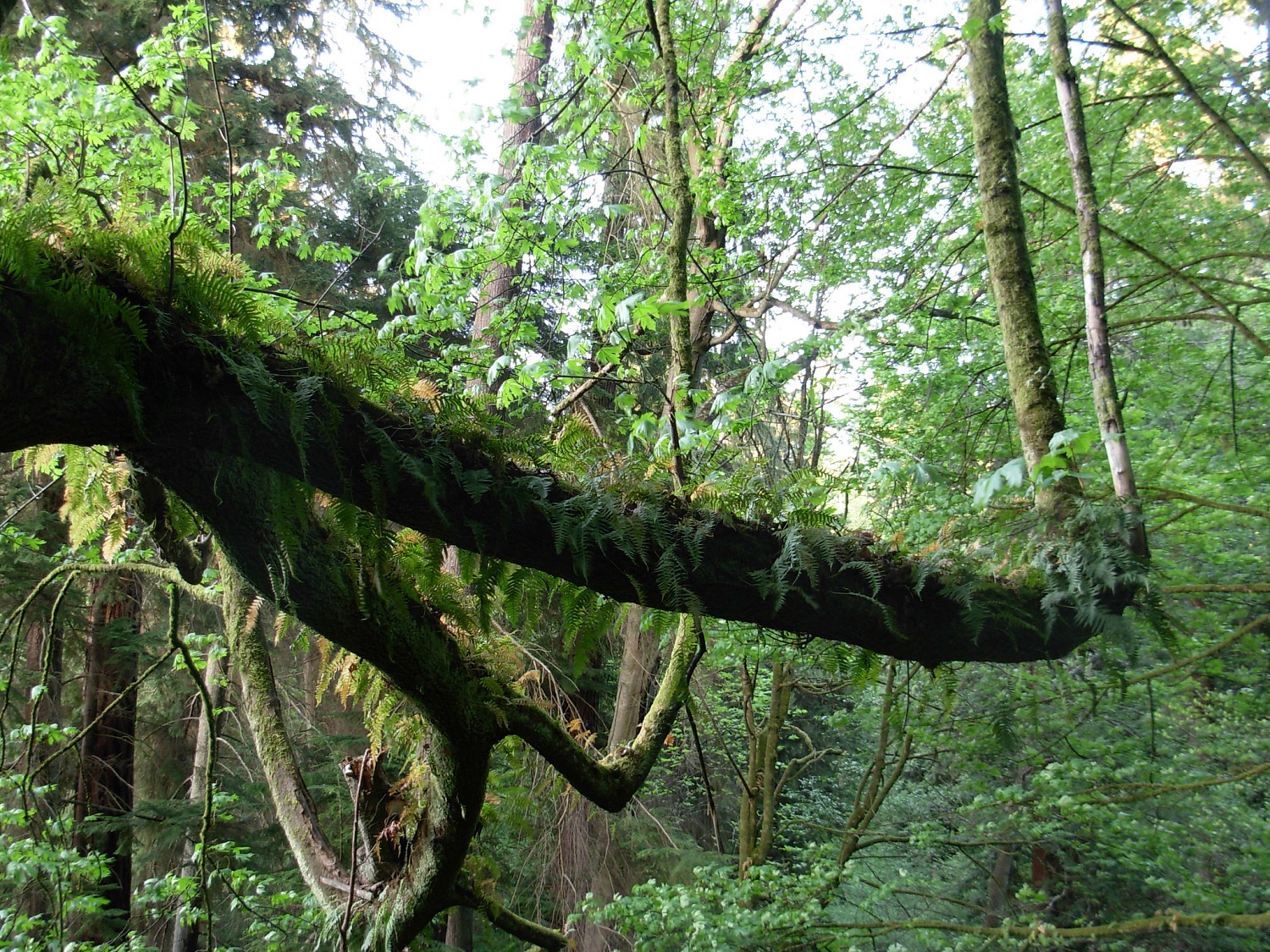
Those twigs your child likes to bring home can be great conversation starters and the foundation for many an art project. Of the 192 species of trees you can see in Seattle, just 28 of them are native. The most commonly seen tree species are red alder, bigleaf maple and beaked hazelnut. Can you spot any of those during your neighborhood stroll?
“Mac’s Guide” is great for more info on trees. Bark is perfect for pencil rubbings. Let your scientist discuss the differences she sees among the different varieties.
Now, go off and search out your own treasures! What else can you find: a snail, a slug, a ladybug?
Editor’s note: This article was first published several years ago and updated most recently in 2021.