 Seattle Family Calendar
 Subscribe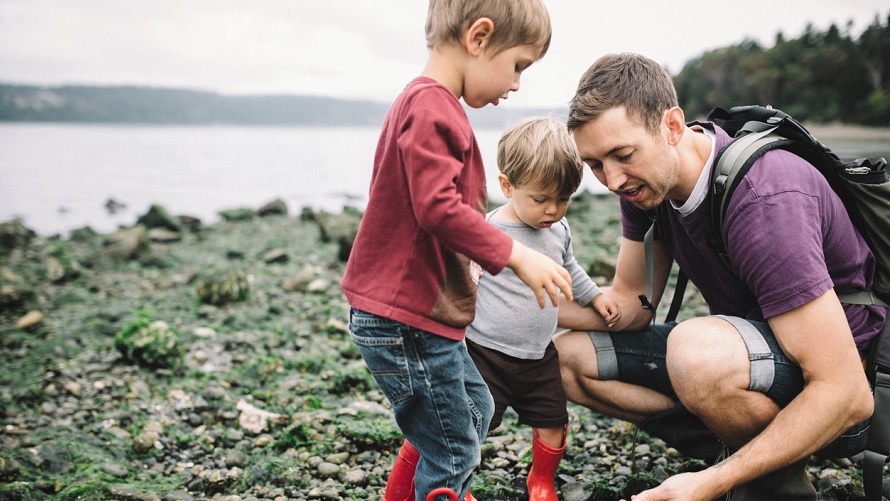

Tide-pooling treasures to search for around Puget Sound
From Alki to Carkeek, Dash Point to Camano, we’re lucky to have a plethora of family-friendly beaches for some science-y fun outdoor time. No matter the season, there’s something energizing about the crashing waves, sea-salty scents and all that nature at your fingertips. It certainly beats screen time.
The beach can be fun on rainy and sunny days alike, but we recommend you time your tide pool beach adventure according to the tide, not the prevailing weather conditions. Exploring tide pools is best when the water is low, so aim to be there during a negative tide to search for the sea creatures on our list. Refer to NOAA’s Tide Predictions chart to track highs and lows in your area.
Wondering where to start? Head to any of these Seattle-area beaches at low tide to discover treasures and creatures in tide pools left behind by the waves:
- Carkeek. Known for it’s popular salmon slide and great views of trains (always a crowd pleaser), this popular beach offers excellent tide-pool fun.
- Discover Park. It’s a bit of a hike to this beach at Seattle’s largest city park, but worth it every time. Not only will you see lots of fun stuff at low-tide, there is also a lighthouse to marvel at. And don’t forget to stop by the Environmental Learning Center to access trail maps and other information.
- Golden Gardens. Just minutes from the Ballard neighborhood in Seattle, Golden Gardens is a great beach for families. There is plenty to explore at low-tide, and you just might see some sail boats passing by against the backdrop of the Olympic Mountains.
- Beach parks in Edmonds. There are four waterfront parks in Edmonds: Brackett’s Landing North and South, Marina Beach Park and Olympic Beach. Each park has different amenities, including a marine sanctuary, waterfront paths, play areas and restrooms. And, of course, plenty of low-tide adventures. Head to The Olympic Beach Visitor Station for a chance to talk with a naturalist and learn even more about marine animals and the waterfront.
- Constellation Park/Charles Richey Sr Viewpoint. Just around West Seattle’s Lighthouse Point lies the rocky shores of Constellation Park and the elusive sea life that emerge at low tide. Throughout the year, you can often find Seattle Aquarium beach naturalists leading programs here.
- Seahurst Park. After exploring the shores of this Burien beach during low tide, kids can play on the nature-themed playground and enjoy the view.
Up first: sea star
1. Sea star
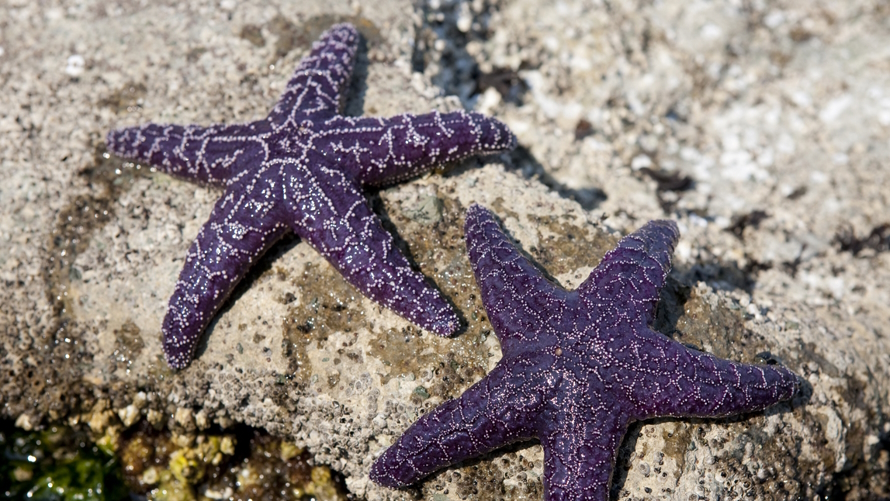
You might be accustomed to calling these creatures “starfish,” but the term is a misnomer — sea stars aren’t fish at all. They’re invertebrates with tough skin and soft undersides. Blood stars are bright red or orange and easy to spot, but keep a look out for ochre sea stars, too.
Why they’re cool: Sea stars move around by using tiny suction-cupped tube feet — their suction is strong, so we recommend you don’t touch the underside of a sea star. Kids might be impressed to know that sea stars can regenerate their limbs.
Up next: sea anemone
2. Sea anemone
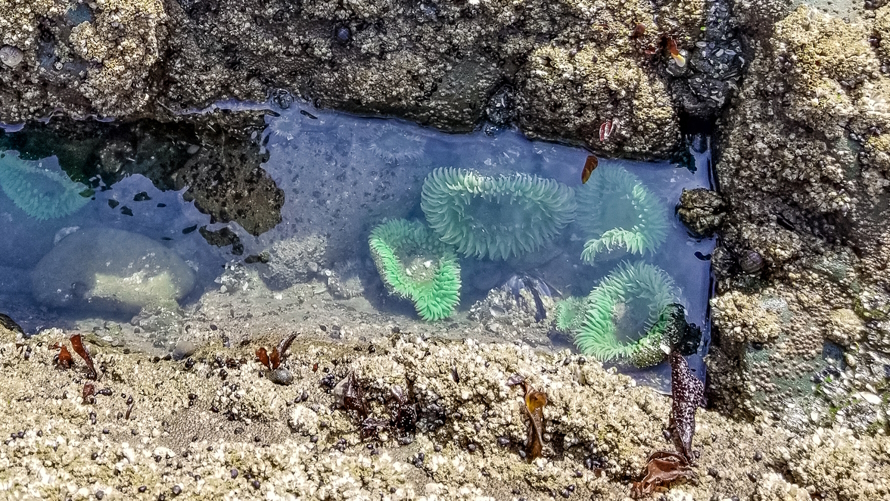
One of the most common creatures to spot during a Puget Sound low tide is a sea anemone. You can find sea anemones on the sides of bigger rocks that are submerged during higher tides, but they also might be nestled in the sand, so watch where you step. The easiest species to spot is the giant green anemone, as its bright green color stands out against the gray rocks.
Why they’re cool: Sea anemones are related to jellyfish and coral. Sea anemones have stinging cells at the ends of their tentacles, which they use to immobilize their prey. Human skin is too tough to be affected, so you can touch sea anemones in tide pools without concern. They’ll feel a little sticky, but won’t hurt you. Just be extra gentle and try not to poke too hard — they’re delicate.
Up next: crab
3. Crab
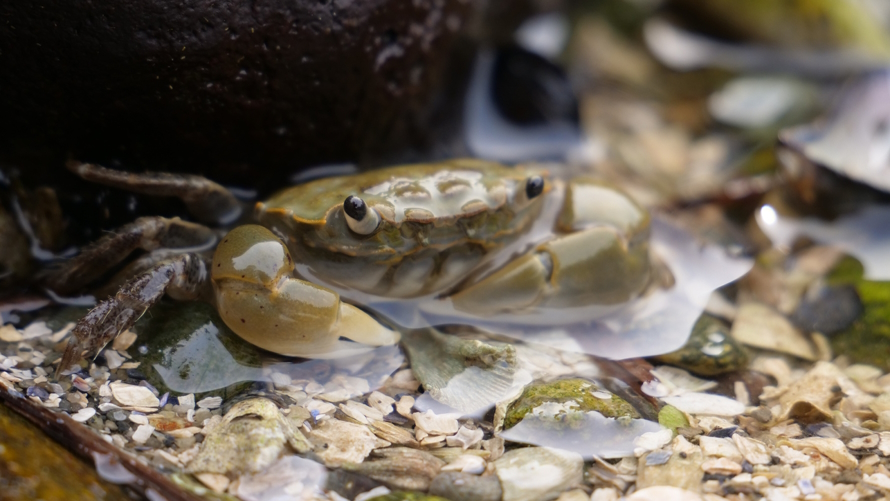
Crabs are a crowd favorite with tide pool enthusiasts. The easiest place to find crabs is under rocks. Carefully lift a medium-size rock and watch the crabs scuttle into hiding. Look carefully and you’ll find red rock crabs, pygmy rock crabs, hermit crabs and others.
Why they’re cool: The pinchers. The side-scuttle. Need we say more?
Up next: sea cucumber
4. Sea cucumber
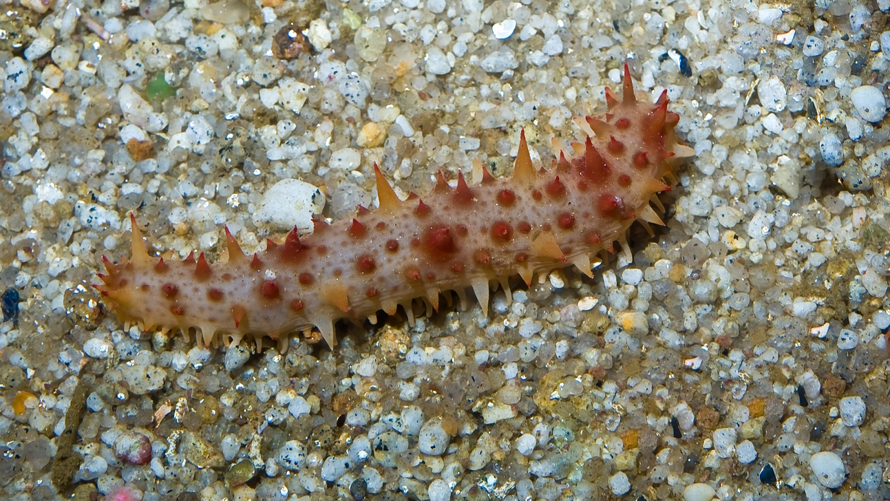
Sea cucumbers are a rare and special sight to see in Puget Sound tide pools. They can be found on the sloped undersides of boulders, usually farther out, near deeper pools. A common variety is the California sea cucumber, which is red with yellowish spikes and can grow up to a foot long.
Why they’re cool: Sea cucumbers are scavengers and have been called the vacuums of the sea. Though they’re soft to the touch, they’re actually related to the tough-skinned sea stars.
Up next: fish
5. Fish
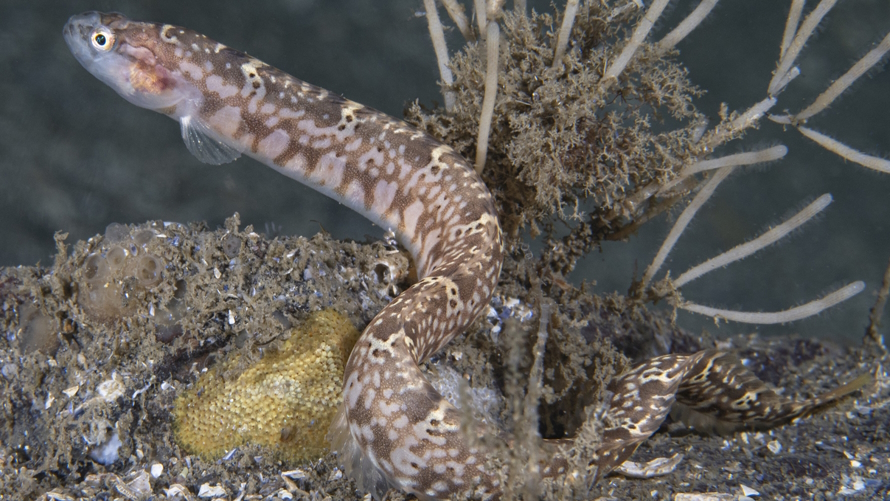
Disturb the water in a deeper tide pool and you might spot a tiny fish darting around. Common varieties include sculpins and gunnels. Sculpins have wide heads and tapered bodies, while gunnels are long and narrow and resemble eels.
Why they’re cool: Tide pool fish have excellent camouflage to blend in with their rocky gray-brown surroundings. It takes patience to spot them, but they’re worth it.
Up next: barnacle
6. Barnacle
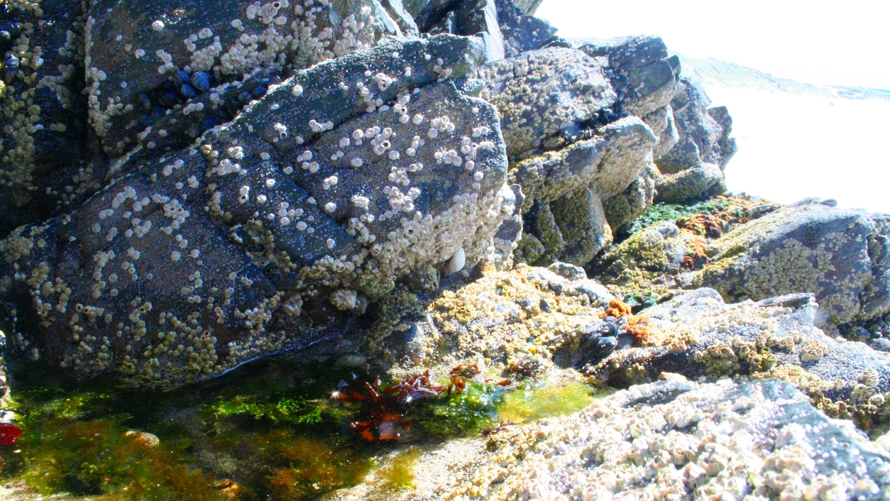
We all know barnacles as those hard, white bumps found all over beach rocks. Live barnacles have a round calcareous outer shell and internal plates that form a narrow slit. If you touch these plates gently, they’ll move as the creature inside closes them for protection.
Why they’re cool: This stationary animal, related to crabs and lobsters, may not seem exciting. However, when underwater, barnacles extend feather-like legs to catch plankton.
Up next: limpet
7. Limpet
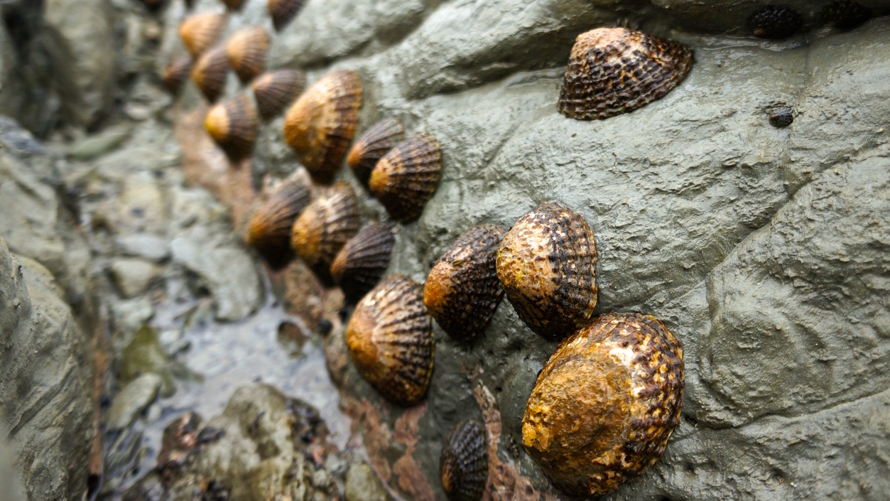
If you spy a conical shell about the size of a quarter, it’s probably a limpet. Limpets can usually be found affixed to the sides of rocks, but unlike barnacles, they are not stationary. They’re actually a type of marine snail.
Why they’re cool: Limpets have a strong muscular foot that holds them to the rocks. In fact, the foot is so strong that limpets are able to create a seal against the rock to hold in moisture. This keeps them from drying out in the sun while the tide is out. It also keeps them safe from predators that may try to pry them off.
Up next: chiton
8. Chiton
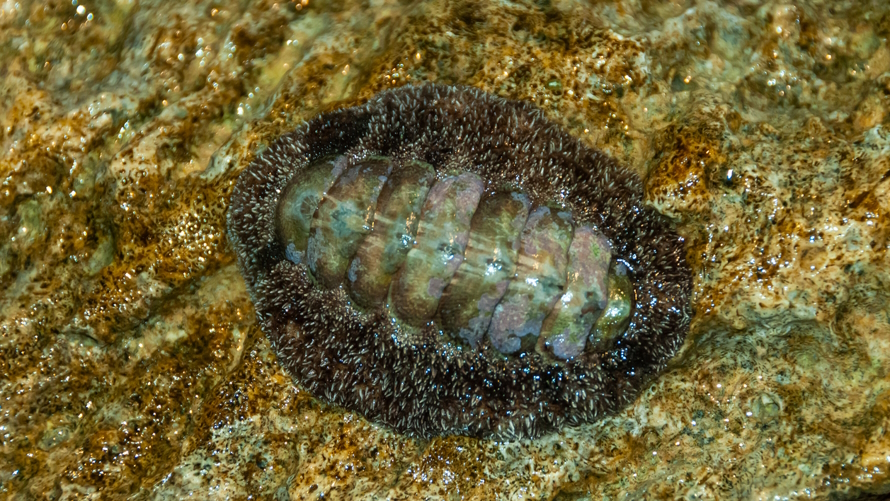
Chitons are related to limpets, but instead of one single shell, they have eight protective plates. Chitons also have a strong foot that holds them to rocks. In addition to acting as a defense against predators, this ensures chitons don’t get knocked off their rocks by crashing waves. Tip: Pronounce it like “KITE-en.”
Why they’re cool: Chitons are living fossils! Fossil records show chitons existed more than 400 million years ago.
Up next: seaweed
9. Seaweed
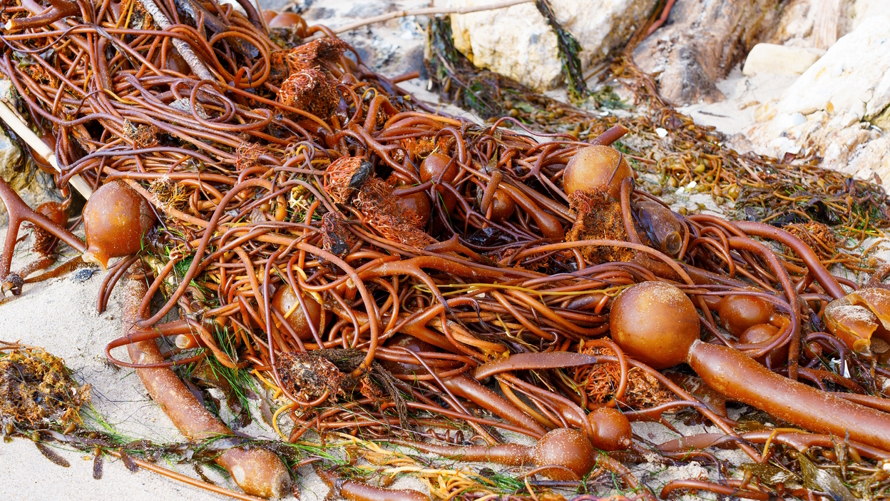
Okay, seaweed is a plant, not an animal, but it’s still worth a closer look! The easiest type to identify is bull kelp, due to its big, floating bulbs. Another common seaweed is rockweed, which has mitten-shaped bulbs that pop if you step on them. You can also easily find Turkish towel seaweed, which is red and bumpy. Big swaths of slippery green seaweed are likely to be sea lettuce. There are many, many varieties of seaweed: If you want to nerd out on all kinds of seaweed, the Seaweeds of the Pacific Northwest website provides a great overview.
Why it’s cool: Seaweed bulbs are called pneumatocysts and are filled with various types of gases. Underwater, these bulbs keep the leaves of seaweed close to the surface to absorb sunlight for photosynthesis. Sea otters use floating seaweed to anchor their babies in one place while the parents search for food.
Up next: tide pool tips
Tide pool tips
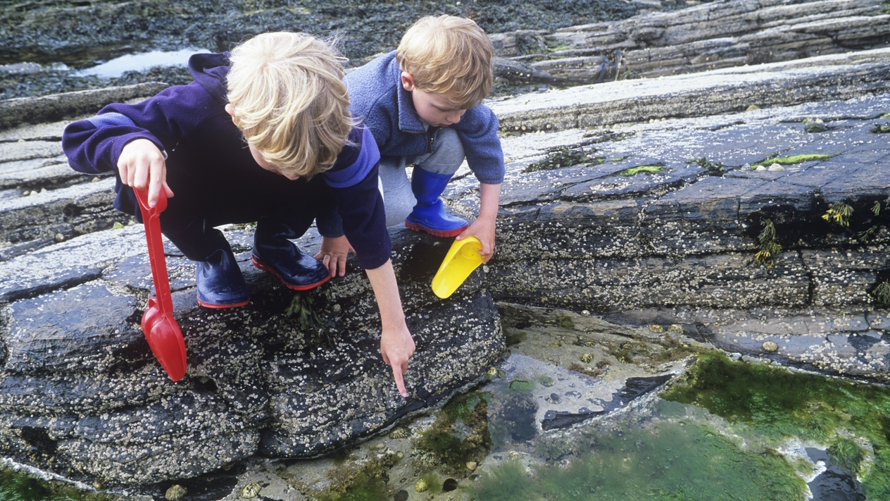
Before you head off to the beach in search of sea stars, anemones and more, here are some quick tips to keep your family and the wildlife comfortable and safe.
What to wear:
- Wear waterproof footwear with good soles — the rocks are slippery, and you’re bound to get your toes wet.
- Speaking of getting wet: Bring extra clothes and towels, just in case.
- Wear layers (another reason for those extra clothes). After all, it’s the Pacific Northwest! Who knows when the wind will pick up or the sun will come out (or disappear)?
Tide pool rules:
- Be careful where you step. When the tide goes out, all sorts of delicate creatures are exposed — it’s important to watch where you step so you don’t accidentally squish or damage an animal.
- Use one finger to touch. You shouldn’t squeeze, grab or pick up sea creatures.
- Flip rocks with care. There are many fun things to see under the rocks in a tide pool, but be careful not to squish creatures in the process. If you lift a rock, make sure to gently put it back where it was when you’re done admiring the tiny habitat underneath.
- Take pictures, not souvenirs. Shells, rocks and other natural treasures are an integral part of the ecosystem and should remain at the beach. If you find something particularly interesting or pretty, take a photo!
Editor’s note: This article was first published a couple of years ago, and updated most recently in February 2024.