 Seattle Family Calendar
 Subscribe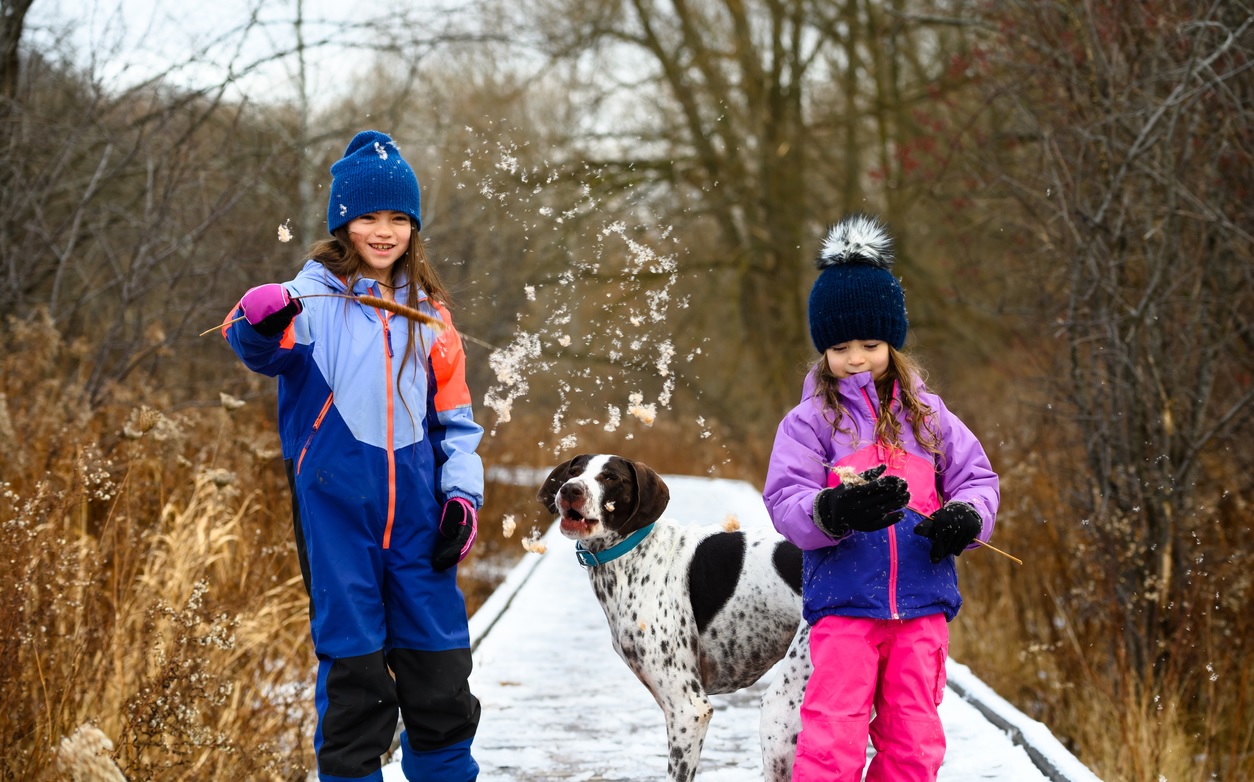

Craft and nature walk combos for Northwest kids and families
Do most birds fly south for the winter? How do leaves turn different colors? Why is every snowflake unique? If you know a little naturalist who wonders about such things, these adventures are for you.
It’s easy to see winter as the season of nature’s dormancy, a drab stretch of months with inclement weather and scant sunlight before the burst of bright blooms and birdsong of spring. But nature in winter is very much alive and it rewards curious children with its wonders. Connect with nature in its quiet season through arts, crafts and hands-on activities in the great outdoors.
Bundle up your little adventurers head to toe in layers — hats, scarves, gloves (fingerless mitts are handy for doing crafts outdoors) and warm, waterproof boots are a must. Pack a thermos of hot chocolate or tea for frequent warm-up breaks.
Use the arrows above the image to find five ways to get crafty in nature over the winter months, plus our picks for where to go, from sea to snow.
First up: land sculpture
1. Collaborate with nature to make a land art sculpture

Search around the forest floor or a rocky beach. What do you see? An oak forest may be carpeted with acorns and leaves, while a beach may have many types of seashells. A land art sculpture is created entirely from materials found in the environment within which it is constructed, residing in harmony with the earth. After the children have collected some materials, they may choose to lay out a spiral pattern of pinecones, or a sunburst sculpture of fern fronds with rays made of lined-up snowberries.
For inspiration, search for images of the cool balanced rock formations of artist Michael Grab, or the ombré lines of intensely hued leaves by Andy Goldsworthy. Remember, land art sculptures are to be left in place, where they will eventually be dismantled by weather and wild animals. This may be challenging for kids who want to take their work of art home; take a photo instead and try to use the opportunity to teach the Zen philosophy of impermanence in nature.
Where to go for inspiration: Kayak Point Park in Snohomish County has a wonderful pebble beach south of the point for perusing water-polished rocks in many colors and driftwood, and the adjacent forest trail offers a bounty of leaves and pinecones. Washington Park Arboretum in Seattle is the place in the city for finding many different hues and shapes of fallen leaves and cones, with wide open-ground spaces for assembling works of art. Kids can also practice creating land art in their back yard with whatever cones, sticks, berries and leaves they may find there, and then observe as their sculpture gets dismantled by weather and the passage of time.
Next up: fallen leaves
2. Collect and press colorful fallen leaves
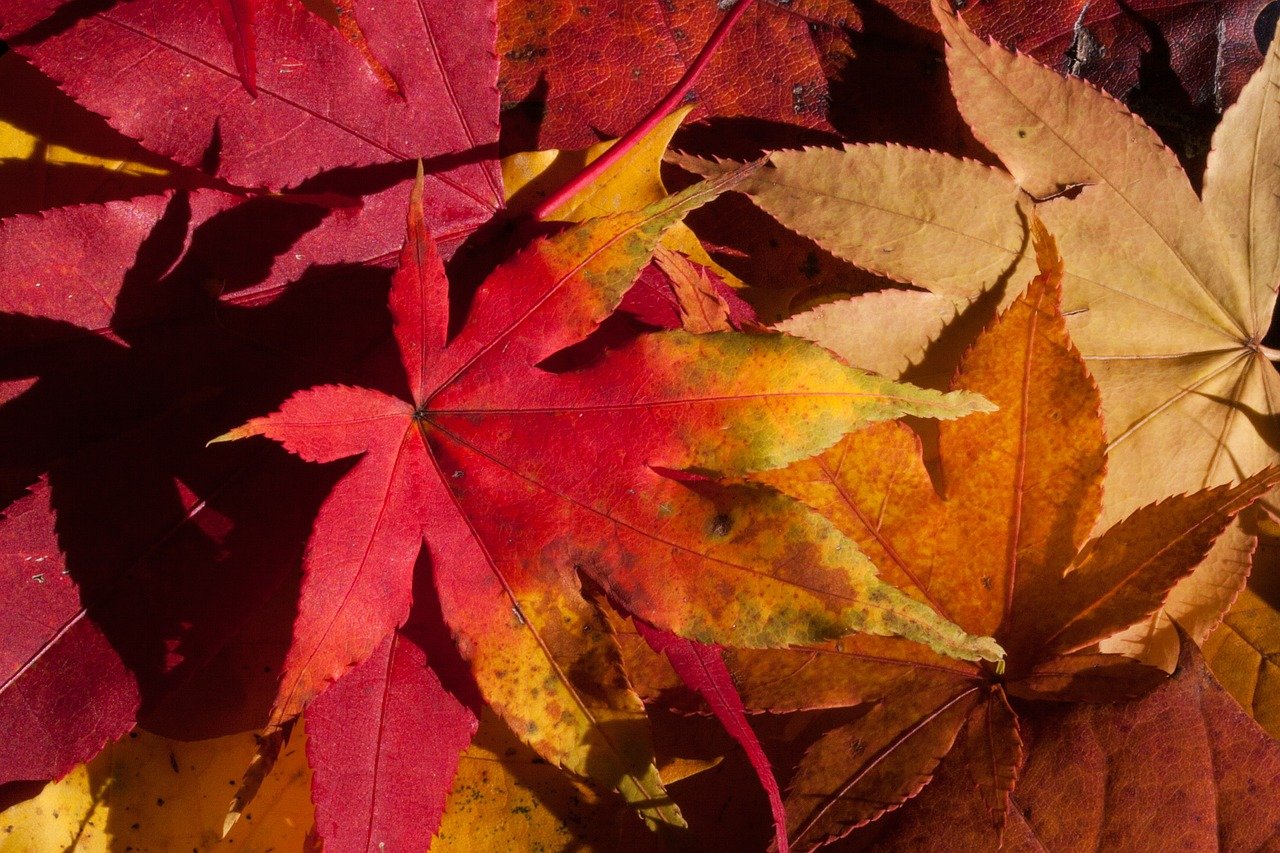
Kids know winter is coming when the air turns chilly on the playground and the days get shorter, then shorter still. Trees know it, too, and they stop photosynthesizing. As water and green chlorophyll slowly disappear from their leaves, other colors such as deep crimson, fiery orange and mellow yellow that had been hidden become the stars of the show. Once leaves fall to the ground, these bold hues will gradually fade to brown, so snatch them up quickly. It’s fun to count how many different colors and types of leaves you can find.
To press leaves, sandwich them in a single layer between two sheets of newspaper, then lay each of these parcels flat in between or within big, heavy books stacked atop one another. The more books you have, the more leaves you can press. After a week or two, check on them; your leaves should be ready to come out and be crafted or displayed. Try taping them to windows, arranging them into a seasonal centerpiece or making a collage you can frame — be creative!
Where to go for inspiration: To find colorful leaves in autumn, you’ll want to choose a path lined with lots of different kinds of deciduous trees. Head to Kubota Garden in South Seattle for a variety of leaves from different species of Japanese maples. Tacoma’s Wright Park on the south end of the Stadium District features winding paths around 100 native and exotic species of trees in a 27-acre arboretum. The collection includes a red oak planted in 1903 in honor of President Theodore Roosevelt. For native bigleaf maple and vine maple leaves, head to the kid-friendly Twin Falls Trail at Olallie State Park near North Bend.
Next up: sketch or paint
3. Sketch or paint an animal
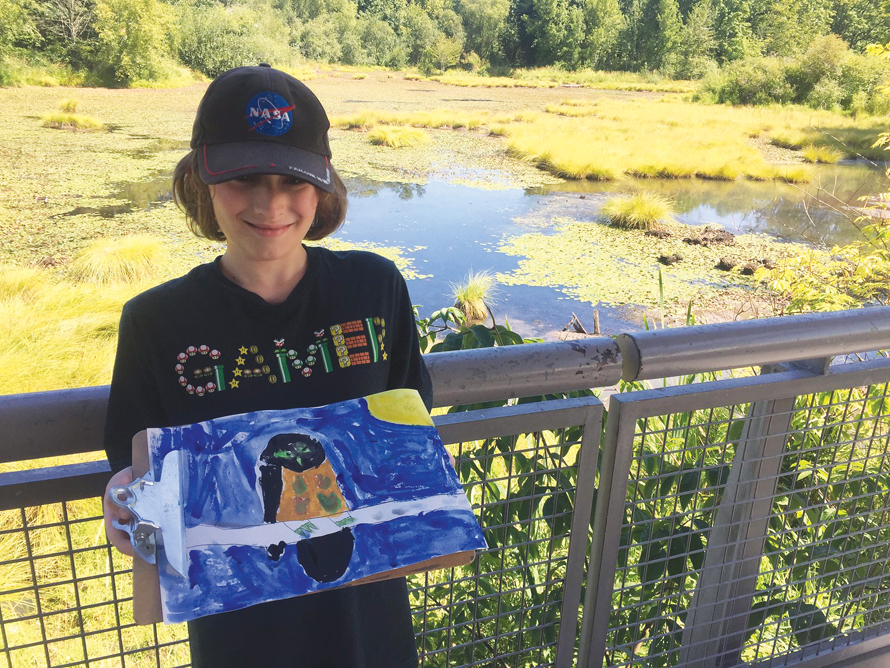
Pack up some pencils, sketch pads, paintbrushes and a watercolor palette, then head to a nearby wetland or forest to spot wildlife. You may have to sit still for a while before you notice a bird, squirrel, deer or other animals to sketch. It’s a good idea to snap a digital photo of your animal in case it scurries away too soon. Using small, tentative pencil strokes instead of unbroken lines helps create energy and gives a sense of movement and life to your animal.
Bring more life to the sketch with a finish of watercolor paint for both the animal and its surrounding landscape. For inspiration and instruction, look for books by Molly Hashimoto, a Seattle artist who teaches connections with nature by observing, sketching or painting it. Find tips for creating your own work of art by referencing her 2019 title “Birds of the West: An Artist’s Guide.”
Where to go for inspiration: Between Tacoma and Olympia, the Billy Frank Jr. Nisqually National Wildlife Refuge is a sure bet for spotting animals in winter, especially turtles resting on logs and birds such as great blue herons, mallards and bald eagles. Its boardwalk trail loops around the forested estuary; benches placed here and there along the path provide places to sit, sketch and paint en plein air, the French term for painting in the outdoors. The Union Bay Natural Area in North Seattle has a short loop trail to the wetland-ringed shoreline of Lake Washington, with plenty of benches on which to sit, observe and sketch the many dabbling and diving ducks that overwinter here, and the hawks and eagles perched in nearby trees.
Next up: treasure jar
4. Comb the beach to fill a treasure jar
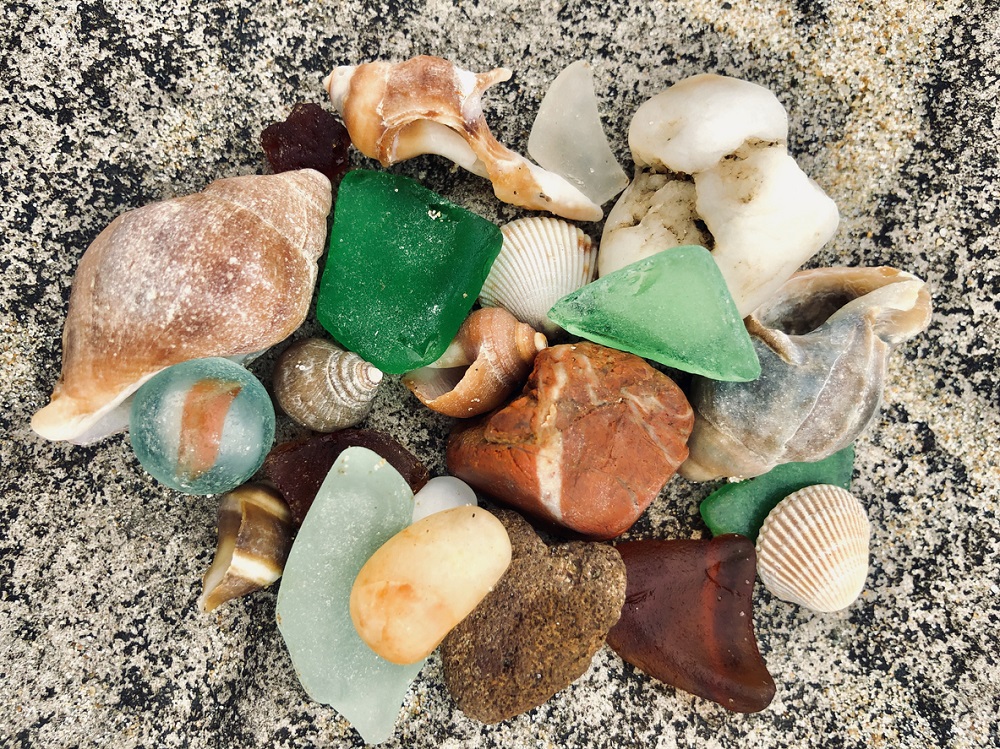
Comb a beach at low tide for a variety of items — a unique shell, beach glass, sand dollars, a raven feather, a bit of sea fern. Lucky beachcombers may find a glass float, agate or starfish skeleton. Be sure to gather a few cups of sand into a zip-close bag as well. When you return home, assemble your beach relics into a large glass jar, lining the jar’s bottom with the sand first (if the sand is wet, dry it out on paper towels or in the oven on a low temp, with the help of a parent). Arrange the objects one at a time on top of the sand – be creative! Your reliquary sand jar will look great next to your bed or on a desk to remind you of your fun beach adventure every day.
Where to go for inspiration: Any sandy beach at low tide will do, but some beaches attract more treasures than others. For beach glass, scour the beaches at Fort Worden State Park in Port Townsend. Older kids might handle the arduous hike west from the park at low tide along the beach for 3 miles to Glass Beach, which is chock-full of tide-tumbled sea glass. Some parts of the Oregon Coast boast the best beachcombing in America — Netarts Spit Trail at Cape Lookout State Park is a 5-mile stretch of beach popular for sand dollars and the occasional rare glass float lost from a Japanese fishing boat.
Next up: snow fun
5. Observe snowflakes, then make snow ice cream
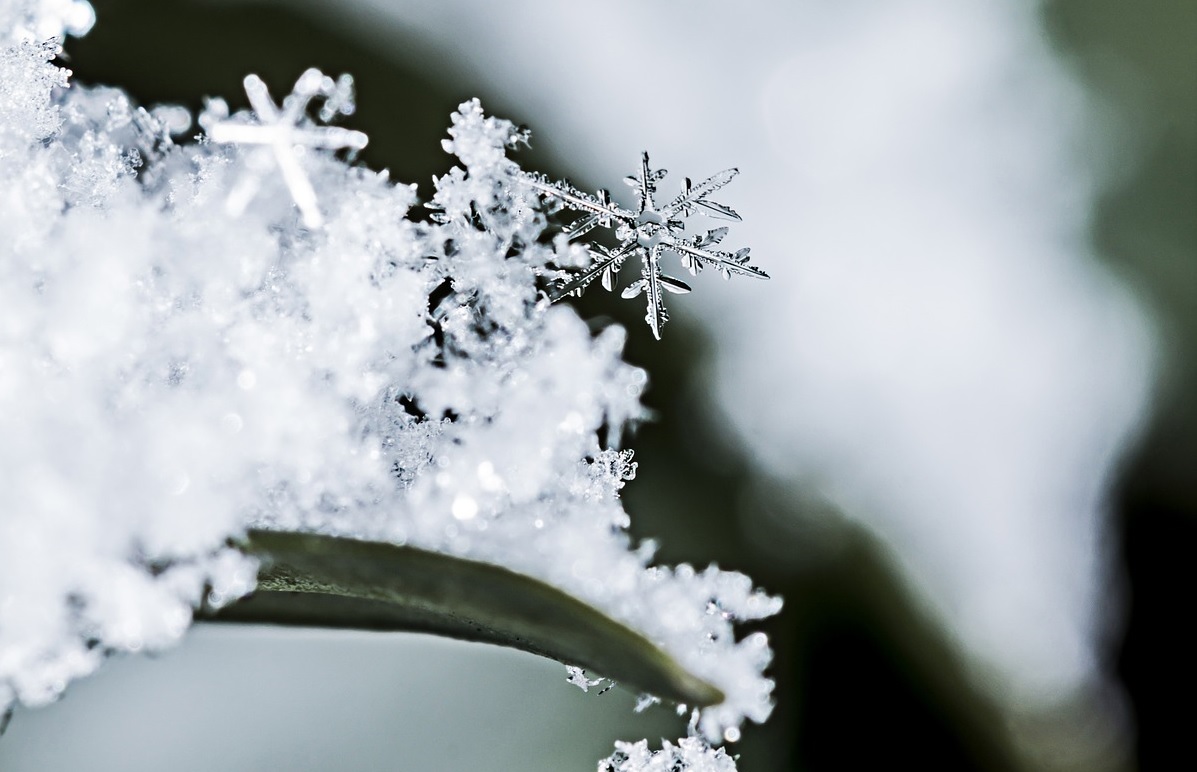
If snow starts to fall, let its magic draw you outside. Bring a magnifying glass in your pocket, and wear dark-colored gloves so falling snowflakes that land on them are more visible. Snowflakes form in the clouds above from microscopic water droplets, which collide together, freeze and build ice crystals, the start of a snowflake that will grow more intricate and complex as it attracts more ice crystals. Use your magnifying glass to see the different patterns and shapes, which are influenced by the amount of moisture and temperature. You can sketch the different snowflake patterns you see. Is the snow fluffy or heavy? Are the flakes small or large? Try catching snowflakes on your tongue to see how they taste.
Did you know you can make ice cream from snow? Just take 8 or so heaping cups of fresh, clean snow and add it to a pre-whisked mixture of ½ cup sugar, 1 cup of milk and 1 teaspoon of vanilla extract. Then, dig in!
Where to go for inspiration: Finding freshly fallen snow in winter takes a bit of watching the weather forecast and a bit of luck. When the snow level is down to 2,500 feet or so, the Trail of the Shadows at Longmire in Mount Rainier National Park is a flat, easy trail for children to hunt snowflakes. For beginning young snowshoers, you can’t beat the trail to Gold Creek Pond, located just a few miles east of Snoqualmie Pass. Even in Puget Sound lowlands we’ll get a snowfall once a year right in our front yard, so keep your warm coat, gloves and magnifying glass handy by the front door.
Editor’s note: This article was originally published in 2019 and updated for 2022.