Seattle Family Calendar
 Subscribe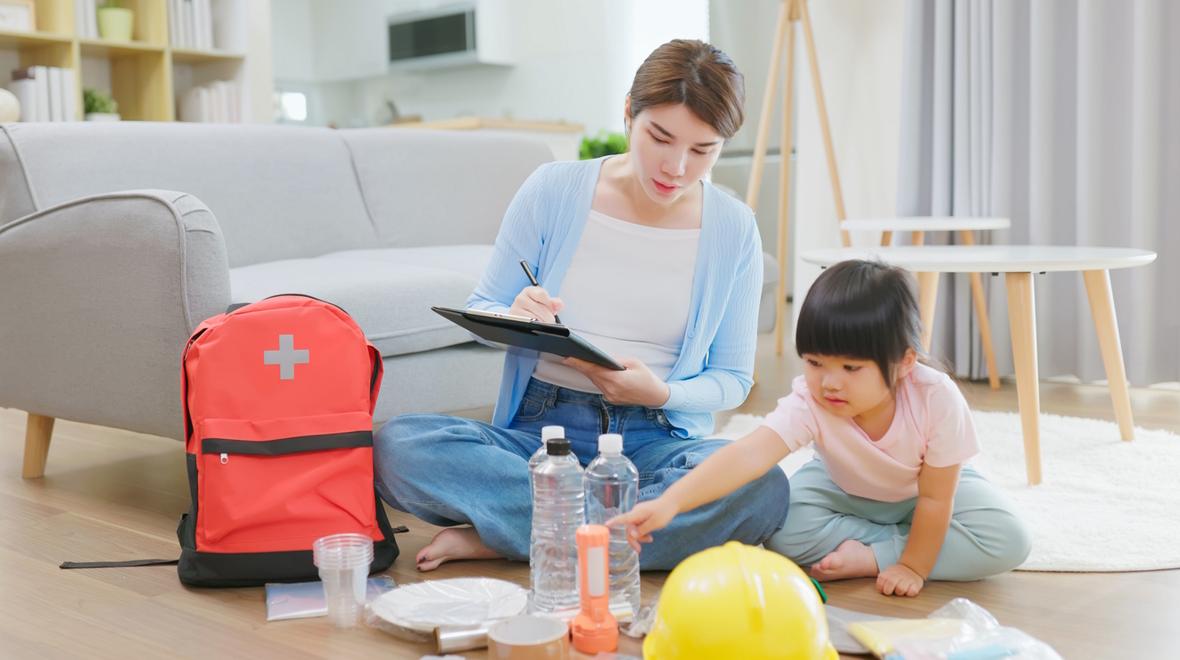

Most of the time home is where you go to feel safe. But if recent years have taught us anything, it’s to expect the unexpected. When you need to leave home in a hurry without knowing exactly how long you’ll be gone, bug-out bags can help keep your family safe and relatively comfortable even in an emergency.
In the wake of a disaster, local authorities, utilities and emergency services may be unavailable, crippled or overwhelmed. History has demonstrated that it can take 72 hours to get emergency responses operational. Most people are familiar with the often-ignored recommendation to keep a three-day emergency kit in our house. This is to ensure that you have everything you need to survive during the critical 72 hours immediately after a power outage or a natural disaster. But what do you do when an emergency requires you to leave your home? Bug-out bags, also called “grab and go bags,” are streamlined, portable kits for emergencies that require evacuation.

Those emergencies are myriad: windstorms that knock out power in freezing weather, earthquakes that make your home unsafe to occupy, wildfires, tsunami warnings or even ICE activity. With so many seasonal and perennial reasons you might need to evacuate, putting together bug-out bags for your family is practical preparedness rather than survivalist paranoia.
How to build a bug-out bag
If you’ve put together a three-day emergency kit for your home, you’re already familiar with the kinds of things you might want for a bug-out bag. The main differences are that every member of the family should have their own bug-out bag, and those bags should be sized so that anyone who can walk can carry their own. While your home emergency kit may involve many gallons of water (1 gallon per person, per day) stored in a closet, a bug-out bag might include a water bottle and purification tablets and should be kept someplace quickly accessible so you can grab it on your way out the door — when a tsunami warning goes off, you may have no more than five minutes to bug out.

Obviously, parents’ bags will be bigger, heavier and hold more things than kids’ bags. But kids who are big enough to carry a backpack should still have their own bags for immediate access to comfort items and age-specific supplies. Kids’ bags should also contain contact information in case you get separated. Carrying their own change of clothes frees up space in adults’ bags for other items and can also give kids a sense of responsibility and empowerment during a stressful time. Although there are lots of backpacks specially marketed for emergencies, any sturdy, comfortable backpack will do and letting kids pick the design of their own bag (such as superhero-themed) can also create a sense of adventure to replace fear. Your large dog might even carry their own emergency supplies in a canine hiking pack, but if you have smaller pets, you’ll need to make room in your pack for their needs. And if you haven’t already, get your pets microchipped so that you can be reunited later if they run off during the chaos.
Although each bag will be customized for the person carrying it, ideally your family would be equipped with:
- As much water as you can carry and water purification methods
- Food (nonperishable, easy foods that kids will eat)
- First aid kit tailored to your family with prescription medications and supplies
- Copies of IDs, insurance, medical records and a little cash
- Communication (hand-crank or battery radio, solar phone chargers, written contact list)
- Light and warmth (flashlights, emergency blankets, lighter)
- Tools and safety (multi-tool, whistle, dust masks)
- A change of clothes and basic hygiene items (even in an emergency, it’s easier to face the day with fresh breath)
For comprehensive lists, see chapter four of Disaster Ready Washington’s Prepare in a Year guide.
How often should I check my emergency kits?
Preparedness is not one-and-done. Emergency kits need to be maintained. Children outgrow spare clothes, prescriptions change and even MREs and granola bars expire eventually. Set calendar reminders to check your kits seasonally, swapping out seasonal items and checking expiration dates. Regular maintenance can also help keep emergency preparedness affordable. It’s easy to spend a fortune on overpriced, ready-made kits. But it’s easier to start with the bare minimum and add or upgrade items during seasonal checks, building up comprehensive bags over time.

Create a family emergency evacuation plan
The bag is most useful if you have a plan for how to use it. Make a family emergency plan (and if parents are separated, make sure the plan accounts for both households). Planning for “disaster” can be overwhelming. Think about specific scenarios, preparing for the most probable first. In the Puget Sound area, the most frequently declared emergencies involve severe winter weather (wind, snow or ice), landslides, flooding and power outages. Sometimes speed matters (your house is on fire) while in other circumstances you may be able to take more time (a tree fell and made a hole in your roof). You’ll soon see that some items and actions are universal, while others are specific, but every plan should include:
- Designated meeting spots
- Two evacuation routes from home
- An out-of-area contact family members can check in with
A plan only works if everyone knows it. Practice evacuation drills regularly. This does not have to be a scary exercise; you can frame it as a Get Ready Game, with prizes for successful runs and even challenges to imagine and test different scenarios. Always stop for treats on the way home from an evacuation drill.

Peace of mind through emergency preparedness
It’s natural to want to avoid thinking about scary things, and even to feel superstitious about “tempting fate.” But having a plan and being prepared can give you the confidence to face the unexpected; and if you ever do need to bug out, being prepared can make a difficult situation much more manageable — or even save your life.