 Seattle Family Calendar
 Subscribe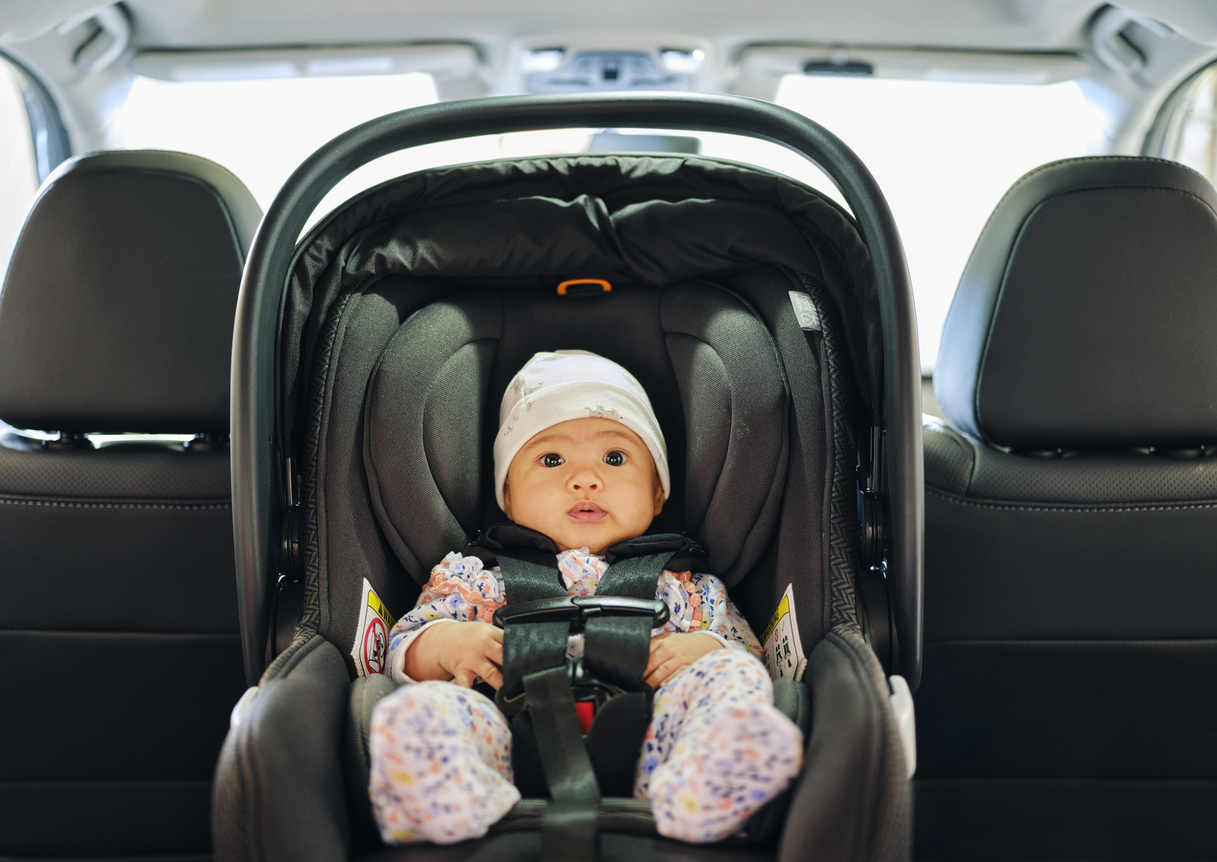

Child safety advocates at Primary Children’s Hospital in Salt Lake City are urging parents to be cautious of purchasing car seats online, warning that they’ve seen a rise in the number of parents unknowingly buying counterfeit car seats.
Many counterfeit car seats — though they may appear legitimate at first glance — don’t meet U.S. safety standards and often lack crucial safety features that protect children in car crashes. Advocates worry that using these car seats could be putting children’s lives at risk.
“It’s hard to tell a car seat is counterfeit from a small picture online, and many parents think they found a great deal from a major retailer,” said Michelle Jamison, community health program manager at Intermountain Primary Children’s Hospital. “Once they realize there’s a problem and try to return it, the site they got it from has already been taken down.”
Hospital officials warned that even though car seats purchased online can be “enticing” because of their discounts, “what often confuses parents is that these seats are found on the websites of major national retailers through third-party sellers.”
For years, Primary Children’s Hospital has offered in-person and virtual car seat checks to help parents learn how to properly install and use car seats. It’s during these checks where caregivers have started noticing more counterfeit car seats pop up, Jamison said.
“The counterfeit car seats that Intermountain Primary Children’s Hospital caregivers are seeing look legitimate and can cost hundreds of dollars,” the news release said. “But many of these are missing key components that keep children safe in a crash, and they worry that using these seats could have deadly consequences.”
Jilian Davis is one parent who learned she had a counterfeit car seat from Primary Children’s.
A family member gifted Davis the car seat, which was purchased online. After giving birth in June, Davis’ daughter spent two weeks in the Neonatal Intensive Care Unit at Intermountain LDS Hospital and Primary Children’s before she went home. As they were preparing to leave the hospital, a car seat tech assisting them realized the car seat was counterfeit, according to hospital officials.
“It’s completely shocking because this is my fourth child and I’ve never heard of this being an issue,” Davis said in a prepared statement. “It’s scary to think I could have been driving around with my child in a car seat that’s dangerous.”
Primary Children’s gave Davis a car seat to use, but now Davis said she wants to warn other parents and family members who might not know better.
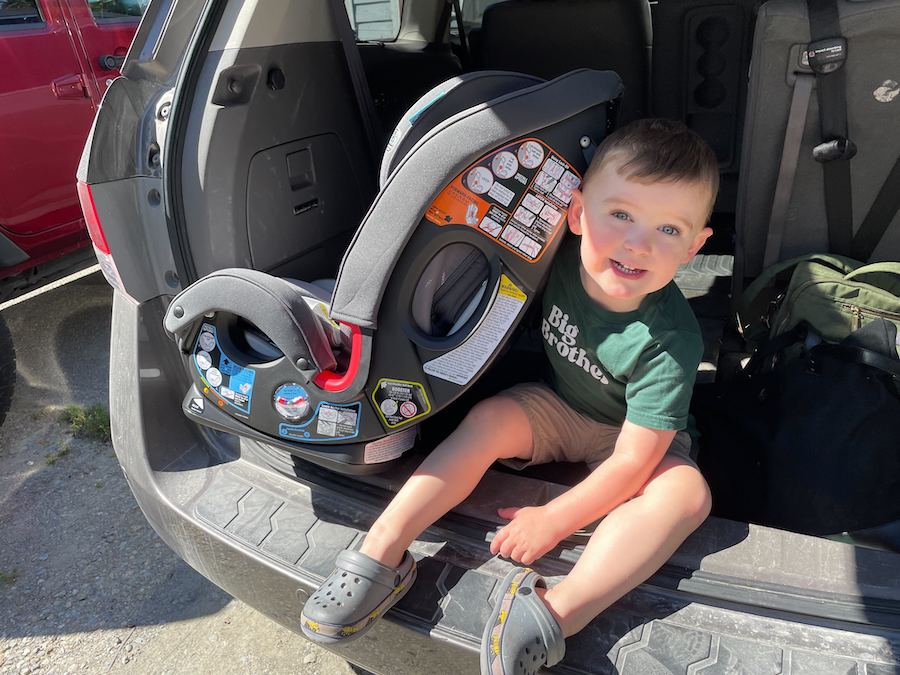
How do you know if a car seat is counterfeit?
“Experts say the best way to avoid counterfeit car seats is to buy directly from the manufacturer’s website or go to a store in person to purchase the seat,” Primary Children’s officials said. “All these models will be legitimate and meet safety standards.”
While online discounts are tempting, Jamison said it’s worth paying the extra money to ensure your children’s safety.
“Parents may think an in-store purchase is more expensive but what they’re really getting is the peace of mind their child’s car seat is safe,” Jamison said. “While some models are pricey, there are less expensive ones that are still crash tested and safe.”
To adhere to federal safety standards, all car seats must have the following:
- A manufacturer’s label, which includes the name of the car seat, date of manufacture, branding, model number and expiration date. This information is used to register your car seat, which allows manufacturers to notify you of any recalls. Counterfeit car seats don’t have the model number, making them ineligible to register.
- Warning labels written in both English and Spanish. They’re found on the back of the car seat, and are also required in the area where the baby’s head rests near the top of the seat.
- A chest clip. Chest clips are required in the U.S., but not other countries, which is why counterfeit car seats usually don’t have them.
“Counterfeit car seats are often missing the labels, or they’re written in another language,” hospital officials said. “Sometimes these labels have grammatical errors, and the wording doesn’t make sense.”
Jamison urged parents to check their car seats. If they discover they may be counterfeit or not adhere to U.S. safety standards, “stop using it immediately and contact the retailer to notify them that they sold a counterfeit car seat,” Jamison said.
“You may be able to recover the cost of the seat if you used a credit card or purchased through a major retailer,” she added.
Parents can report counterfeit car seats through STOPfakes.gov, the National Highway Traffic Safety Administration (NHTSA) or the U.S. Department of Commerce via their contact form.
Hospital officials also encouraged parents to submit a report through their state’s consumer protection agency.
Parents needing help with their car seat can find a technician in their area. They can also call Intermountain Primary Children’s Hospital to book a virtual or in-person car seat check at 801-662-CARS.
For more information, visit primarychildrens.org/safety.
More resources for keeping kids safe:
Editor’s note: This article is republished from Washington State Standard under a Creative Commons license. It was first published by the Utah News Dispatch.