 Seattle Family Calendar
 Subscribe

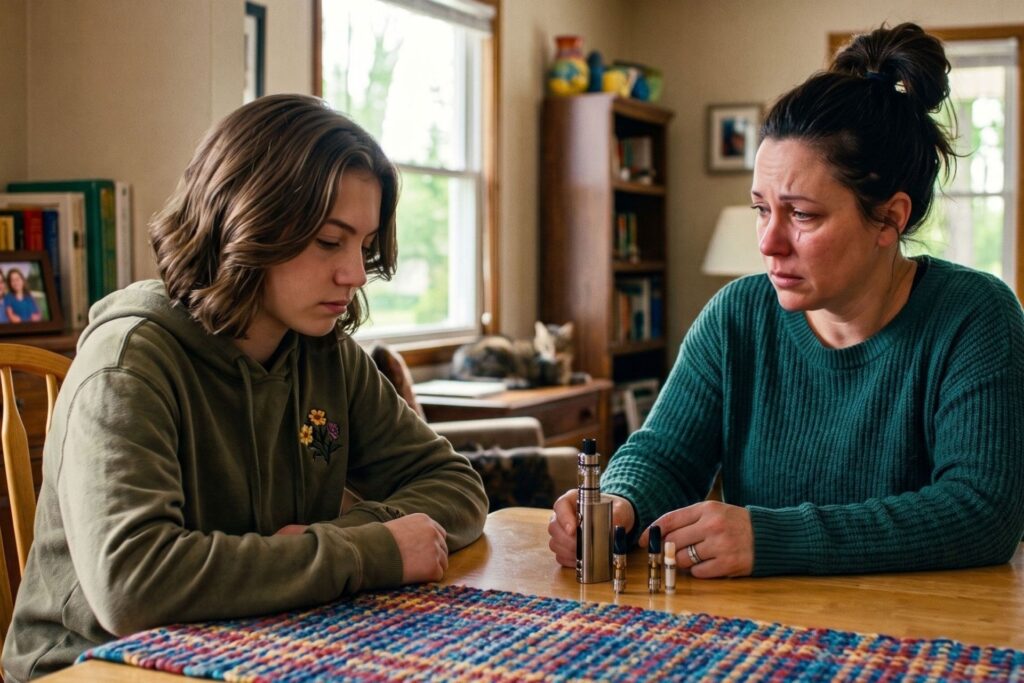
As almost everyone with kids knows, raising a family has never been easy. But for many Washington parents, the challenges feel especially daunting right now. Rising housing costs, expensive child care, food insecurity and economic uncertainty are placing unprecedented pressure on families across the state. At the same time, the nonprofit organizations that provide critical support are facing funding shortfalls and increasing demand for services.
Akin is working to meet those needs and bridge that gap. Founded in 2024, Akin is the product of a merger between Childhaven and Children’s Home Society of Washington. “Akin is like a 100-plus-year-old start up, harnessing the passion, expertise and knowledge from two legacy organizations as we continue to evolve as Akin,” says Dr. Daniele Lyman-Torres, Akin’s chief operating officer.
Through its seven Family Resource Centers, statewide reach and a new initiative called Bundles of Love, Akin is helping families access essential supplies, support and the resources they need to thrive.
The growing pressures on Washington parents
Families in Washington are currently facing a complex array of challenges, which can make parenting extremely hard.
“The challenge certainly isn’t a lack of love or commitment,” says Lyman-Torres, “it’s the increasing cost of simply raising a family. Families in Washington continue to face rising housing, child care, food and transportation costs. Things have really continued to escalate in some pretty dramatic ways. And this financial stress is one of the strongest predictors of family instability and also one of the strongest predictors of child welfare involvement. Casey Family Programs did some research on this that highlighted that poverty is closely connected to child welfare system involvement.”
In fact, they found that if policies to reduce childhood poverty were enacted, child protective services investigations would be reduced between 11.3 percent and 36.4 percent, and an estimated 16,000 to 23,000 fewer children would be removed from their homes and placed in out-of-home care each year. While poverty alone does not constitute neglect or necessitate child welfare involvement, it creates incredible amounts of stress. Helping families access basic necessities can alleviate some of that stress and increase family stability.
“When it comes to basic needs, which is what we really address in our Family Resource Centers,” says Lyman-Torres, “it’s one of the key ways we get people coming in. Families often come seeking diapers and baby essentials, but they also need more than that. When they come in, we find out the reason why some of those concrete needs can’t be met is because of rising costs in housing, which is the number one thing families bring up to us when they come in.”
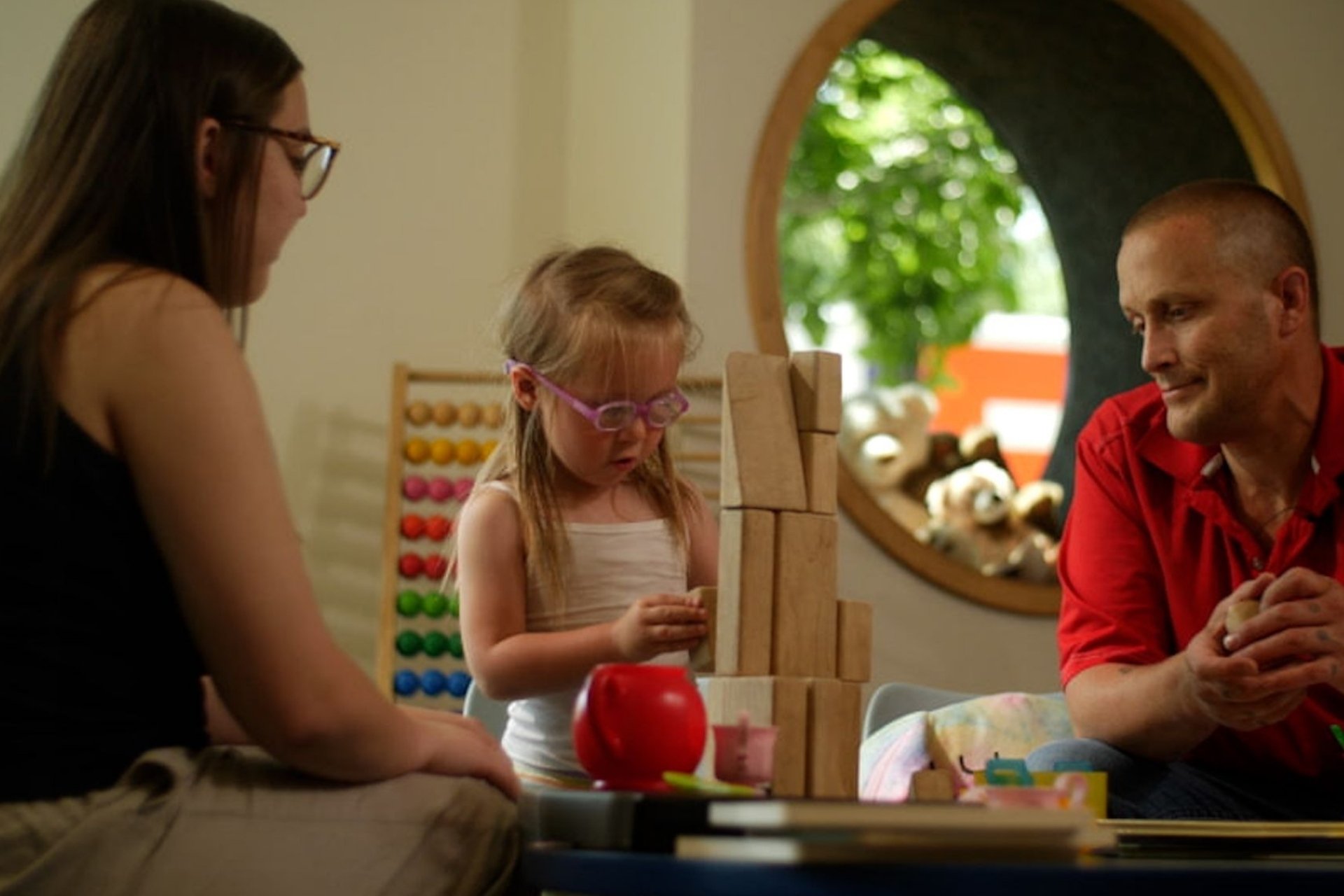
Akin operates seven FRCs across Washington state in Seattle (North Seattle and Kent), Spokane, Vancouver, Washougal, Walla Walla and Wenatchee. FRCs are stigma-free, multigenerational, single-entry point hubs where families can bridge the gap between their everyday needs and formal service systems. Akin also provides clinical services (including behavioral health), early learning, and family and community well-being.
“We believe that an investment in prevention provides support early and can help families thrive, which is what we’re really trying to do across all communities in Washington,” says Lyman-Torres. And Akin truly does have a presence all across the state. More than 61 percent of Washington state’s children, and 59 percent of households receiving SNAP benefits live within 20 miles of an FRC.
A growing need, fewer resources
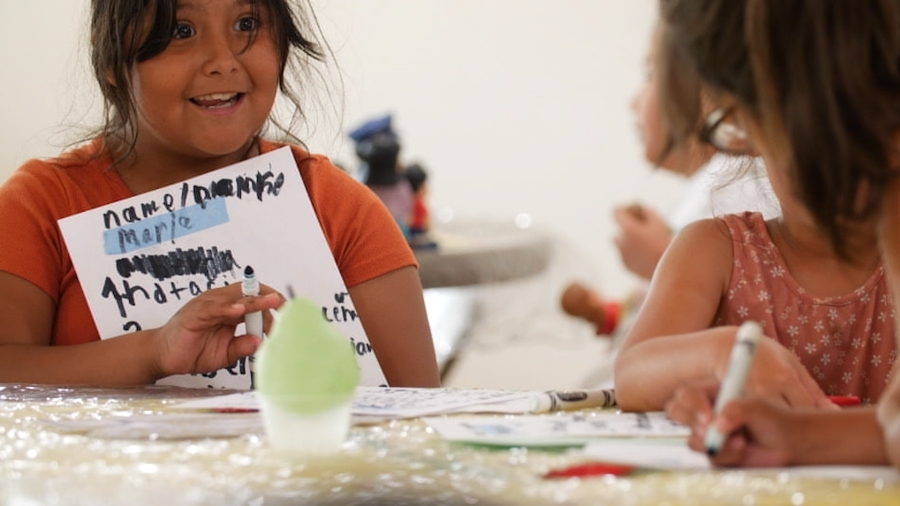
Families are not the only ones struggling in Washington. The nonprofits who strive to offer services and support find themselves in a challenging position too: an increase in families needing their support, and a decrease in available funding. Federal and state funding streams that provided support may no longer be available, and there is less philanthropy to fill the gap.
“The demand for services is increasing while nonprofits’ ability to respond to it is decreasing and organizations are really struggling to keep some programs going and to keep dealing with their own rising costs. The cost of operations, employment, insurance — the costs keep going up,” says Lyman-Torres.
One way nonprofits are dealing with these financial challenges is through partnerships. Lyman-Torres thinks these partnerships are key to helping meet community needs and keep nonprofits afloat, especially smaller, grassroots organizations. She says these smaller organizations “are closer to the people from a cultural competency and connectivity outreach standpoint. But, those are going to be the organizations that are least able to continue because of a lack of infrastructure. And so there’s going to be some more need to partner and collaborate to get through that.”
Akin works with many partners across Washington, including the Institute for Black Justice. A small grassroots organization, IBJ is able to deliver programs for Akin in communities where they have a strong connection, allowing Akin to reach and support more families than they would otherwise be able to. Akin provides IBJ with funds, free use of their spaces for delivering programs and technical assistance. Everyone benefits and more families can receive services, a true win-win.
Bundles of Love campaign delivers essentials and builds connections
In the face of this increase in community need and decrease in nonprofit resources, Akin is launching Bundles of Love in an effort to help families access basic essentials, and increase community awareness of Akin and their services.
“The biggest thing that people come into our FRCs for are diapers and baby essentials. And so we are thinking about a way to increase awareness of Akin as a resource for families, but also provide a tangible solution right now,” says Lyman-Torres.
Families and caregivers can pick up a free Bundles of Love tote bag on these dates at one of the following locations:
- July 18 and 19 at the Greenwood Fred Meyer, 100 N.W. 85th St., Seattle
- Aug. 1 and 2 at the Hazel Dell Fred Meyer, 7700 N.E. Hwy. 99, Vancouver
- Aug. 22 and 23 at the Spokane Sullivan Fred Meyer, 15609 E. Sprague Ave., Spokane
The bags will be stocked with at least 80 diapers, baby supplies including wipes and food while supplies last. Families will also receive information about their nearest FRC where they can pick up more supplies, meet with an FRC team member, and learn about the services and resources available to them through Akin, including access to Family Navigators, Play & Learn groups for young children, early learning programs, behavioral health and clinical services, and food assistance.
The Bundles of Love campaign will be active through 2026; families and caregivers can come back into one of Akin’s seven FRCs around the state, refill their tote with available supplies, meet with FRC team members and create a plan that meets their family’s unique needs.
“Bundles of Love is designed to be a welcoming entry point into Akin’s broader ecosystem of support,” says Lyman-Torres. “We are hoping that these interactions around baby essentials for people who haven’t been introduced to the support we offer will give them the welcome they need to partner with us on lasting family well-being.”
Ways to support Bundles of Love
You can learn more about attending the Bundles of Love events, the campaign and how to make a monetary or material goods donation on Akin’s website.
“When families have support networks, practical help and trusted relationships, children do better,” says Lyman-Torres. “Prevention isn’t complicated. It’s about making sure families aren’t carrying everything alone.”
Editor’s note: This article was sponsored by Akin.