 Seattle Family Calendar
 Subscribe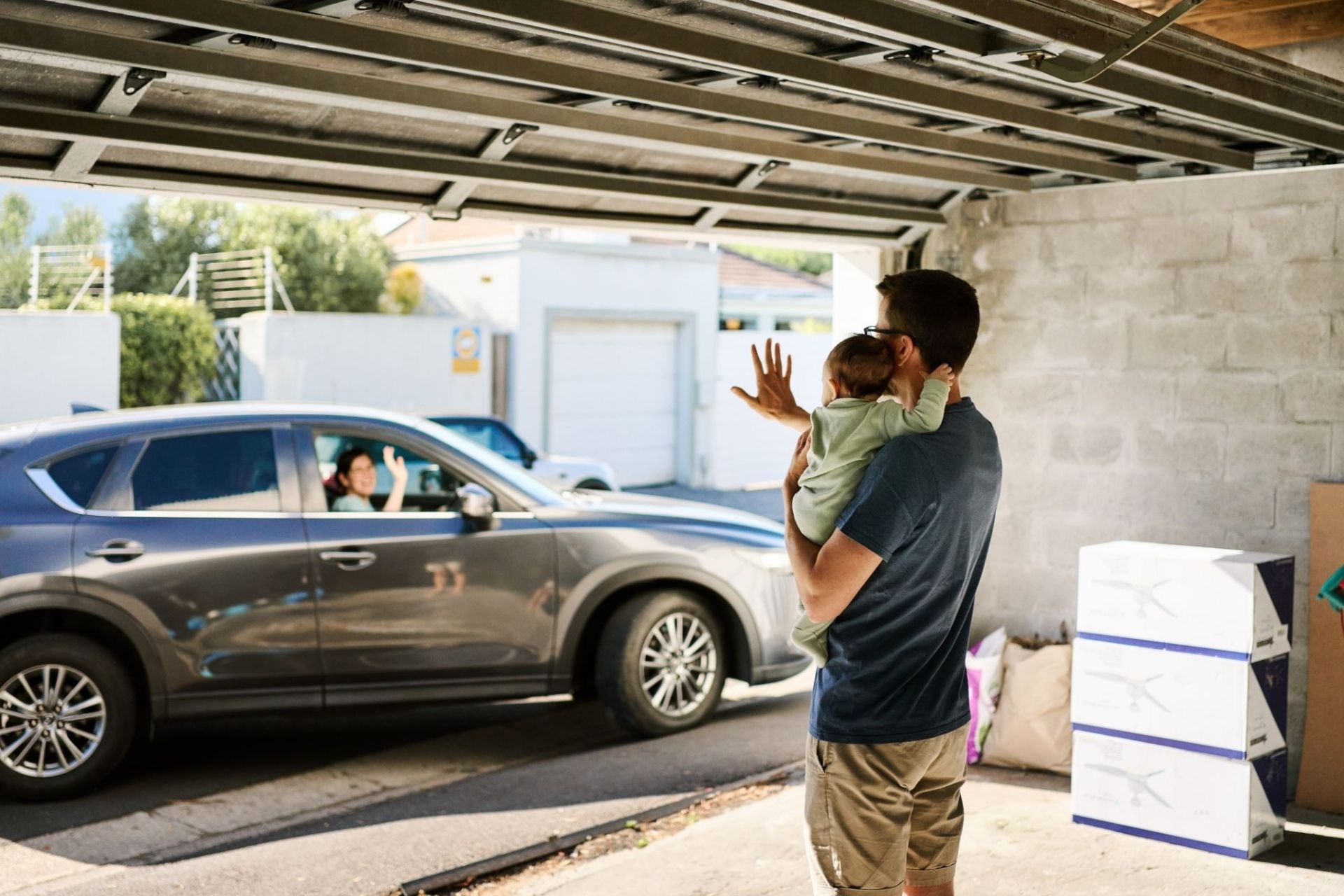

I didn’t take my first solo overnight away until my son was well into toddlerhood. As someone who usually recharges best on my own, I hadn’t expected the wait to be so long. But becoming a first-time mom without family nearby made even the idea of taking time for myself feel complicated. Between the logistics, the guilt and the emotional shifts that came with early motherhood, getting away felt far harder than I had ever thought it would be.
Experts say that hesitation is common and often reflects the emotional transition parents are navigating more than a child’s actual readiness for separation. For parents considering that first night away, readiness often has less to do with a child’s age and more to do with the emotional and practical groundwork happening behind the scenes.
Why does the first overnight feel so hard?
It’s common for new parents to feel hesitant about spending time away from their child, even briefly. The pressure to always be available can make even one night away feel surprisingly emotionally charged.
Andrea Wetterau, a Seattle-based LICSW and LMHC specializing in pregnancy, postpartum and parenthood, says many of her clients feel shame around prioritizing their own needs. “Self-care can be seen as selfish or almost indulgent,” she explains. That pressure can make handing over caregiving responsibilities especially difficult for first-time parents, often bringing up deeper fears around trust, control and attachment.
According to Santiago Delboy, a Chicago-based psychotherapist and founder of Fermata Psychotherapy, some parents worry that time apart could somehow damage their bond with their child. “There can be a fear of hurting the relationship with the child emotionally or psychologically if I’m not there,” he says. But Delboy says those feelings do not necessarily mean a parent isn’t ready. In many cases, they reflect a deeper psychological shift that often begins with parenthood.
The identity shift no one warns you about
Between nursing sessions every two hours, trying to get my son to sleep and learning what every cry meant, I was deeply immersed in caretaking, simply trying to make it through each day and often each night. In that season, there was little time and space left for myself.
According to Delboy, that experience is more than emotional: “When we have a child, our whole psychology is reorganized around parenthood.” That shift, he says, can make separation feel far more emotionally complicated than many parents expect.
Melissa Schulz, a parenting coach who works with families around the world, including many in the Seattle area, puts it more simply: When a baby is born, a parent is born too. She says many parents become so focused on caring for their child that they slowly lose touch with hobbies, friendships and routines that once helped them feel grounded.
Delboy says maintaining interests, relationships and a sense of self outside of caregiving can ultimately benefit both parent and child.
Learning to create small, intentional moments of separation can help parents begin reconnecting with themselves in meaningful ways.
In my own life, that didn’t start with an overnight. It started much smaller. My husband and I began having weekly date nights after what was supposed to be a one-time babysitter arrangement turned into a recurring Thursday evening outing. It ended up being one of the best things we’ve done for our marriage. Having dedicated time together each week gave us space to connect not only as parents, but as a couple.
I also have a mother’s helper who comes a couple of mornings each week. While I’m still home, I’m no longer the primary caregiver during those hours. Early on, I felt a need to be present for everything and had a hard time letting go. Over time, accepting help allowed me to take a walk, focus on my writing or simply take care of myself without feeling responsible for every moment of my son’s day.
What can children and parents actually gain?
For parents who still feel guilty walking out the door, therapists say time apart can actually strengthen the parent-child bond rather than weaken it.
According to Delboy, secure attachment is built not only through closeness, but through separation and reunion. “Secure attachment is not fully accomplished without experiences of separation and reunion — without experiences of rupture and repair,” he says.
Delboy says it can also be healthy for children to see their parents as whole people with friendships, interests and relationships outside of caregiving. Over time, children learn that love and connection can remain strong even when a parent steps away. Time apart can also create space for children to bond with other trusted caregivers, whether that’s a grandparent, close friend, partner or another member of their parenting village.
For parents, the benefits can be just as meaningful. Wetterau says time apart can help parents prioritize personal well-being outside of caregiving, while also nurturing important relationships. “Just to really take care of yourself so that you are more able to be the parent you want to be when you’re with your child,” she says.
How to prepare for your first overnight and know if you’re ready
If you’re waiting until you feel completely ready to spend a night away from your child, Delboy says that moment may never fully come. Instead, readiness may look more like noticing a desire to reconnect with interests and needs that may have been pushed aside during early parenthood. That could mean friendship, hobbies, rest, your relationship or simply solitude.
My readiness didn’t happen all at once. After becoming a mom, my first night away was for a belated anniversary celebration with my husband, followed by an overnight work trip with my best friend. Looking back, part of what made those trips feel possible was that they had a purpose. I wasn’t leaving simply for myself; I had a reason to go.
Over time, smaller moments away helped me build confidence. Weekly date nights, a mother’s helper a few times a week, and short periods of time focused on my own needs made time away from my child feel manageable and possible.
At the same time, Wetterau says some parents may benefit from extra support before spending a night apart from their child. “If you feel like you’re white-knuckling through every day, if you’re in tears, if you’re so anxious, if you’re having intrusive thoughts … I would encourage anyone to reach out,” she says.
A local perinatal support group also encouraged me to take a self-care inventory and think about what actually felt restorative during this season of motherhood.
With limited child care and a full-time working husband, I kept my first overnight close to home at Salish Lodge & Spa. Knowing I wasn’t far from home helped ease my anxiety, while one quiet night, a spa treatment and the peaceful setting near Snoqualmie Falls gave me the space to fully exhale. I also knew that if something truly went wrong, I could easily drive home.
When I returned, I felt exactly what the experts described: more rested, more present and more like myself again. It wasn’t that anything in my life had changed overnight. I simply felt like I had enough space to come back to my family with a fuller cup.
For many parents, the first step isn’t suddenly feeling completely ready. It’s the realization that love, trust and attachment can still hold, even when you step away.