If 2021 has already lost some of the shine of a new year, there’s still hope for a fresh start. Thanks to the lunar calendar, you can always get a do-over for the New Year’s holiday. The Chinese New Year is celebrated throughout Asia under the names Lunar New Year or Spring Festival. Traditionally, it starts on the new moon of the first month on the lunar calendar and ends on the full moon with the Lantern Festival.
Even today, many people in Asia take a full week off for the holiday, and children look forward to cash-filled red envelopes with the same greedy anticipation that red-suited Santa inspires on Christmas. Not only is the Chinese New Year a bigger celebration than the one that happens on Jan. 1, it’s also more suited to the circumstances of our times, with its focus on family, food and home. The Year of the Ox begins on Feb. 12, and we’ve got ideas for fun (homebound) ways to celebrate. Xin nian kuai le!
Read up
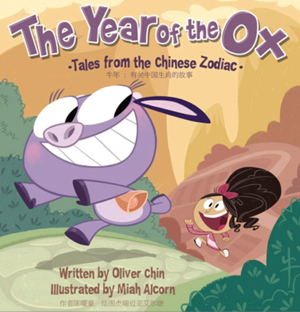
Get kids excited about the holiday in advance by reading all about it. The Seattle Public Library suggests Chinese New Year read-alouds and other new-year-themed books for young children.
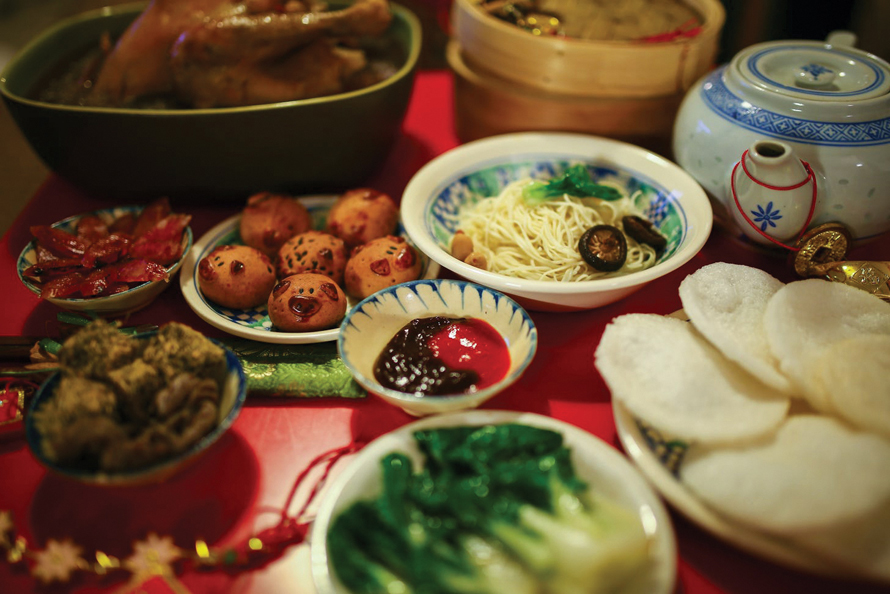
Few holidays can compete with the Chinese New Year in the good-food category. Try starting the new year with a vegetarian dish, following the Buddhist tradition that nothing should be killed on the first day of the new year. Buddha’s Delight is traditionally prepared with 18 symbolic ingredients, but you can try local author Hsiao-Ching Chou’s simpler Lucky 8 Stir-Fry, from her new book, “Vegetarian Chinese Soul Food: Deliciously Doable Ways to Cook Greens, Tofu, and Other Plant-Based Ingredients.”
Signifying family reunion (as most families prepare them to eat together at midnight on New Year’s Eve) and prosperity (their shape resembles ancient Chinese money), dumplings are a traditional feature of Lunar New Year celebrations and can be made by even small children in a fun family assembly line. Other traditional foods include noodles (signifying a long life) and whole baked fish (signifying wealth).
Don’t forget dessert! Sweet, sticky candy ensures a good report from the kitchen god. Fa gao is a fermented and steamed rice cake; its name is similar to a word meaning “gaining wealth.” The website Chinese New Year lists delicious New Year’s foods from all over China, together with their symbolic meaning.
But there is nothing wrong with takeout for an easy celebration. As the date of the Chinese New Year gets closer, keep an eye out for special holiday family dinner offers and meal kits from your favorite Asian restaurants.
Get crafty
Calligraphy on red paper is a popular Chinese New Year decoration that kids can make at home. They can copy the word 福 (fú) for happiness with black or gold paint. Write it twice for double the joy, or hang it upside down to indicate that good fortune has already arrived. More ambitious kids can try to calligraph banners like the ones from Chalk Academy, while younger kids can print them out and decorate them. For ox-themed projects, try blogger Red Ted Art’s suggestions.
Making homemade drums to scare away the monster Nian or paper lanterns for the Lantern Festival are popular New Year’s crafts for kids. Nina Simonds’ book “Moonbeams, Dumplings & Dragon Boats: A Treasury of Chinese Holiday Tales, Activities & Recipes” has instructions for these and other Chinese holiday projects. Also check out ArtsyCraftsyMom’s Pinterest board of Lunar New Year activities, and of course, there are loads of tutorials on YouTube.
I know we’re all tired of virtual events, but hear me out. Although most Americans have never heard of it, Chunwan, the CCTV New Year’s Gala, is an annual production recognized by Guinness World Records as the world’s most-watched television program. More than 1 billion people tuned in to the 2018 gala. It’s essentially a four-hour live variety show; though not all of it will appeal to kids (stand-up comedy in Mandarin, anyone?), the acrobats are breathtaking, and the dancing and some of the music will hold everyone’s attention. It will air Feb. 11 at 8 p.m. online and on YouTube for overseas viewers (or try OnDemand China if the Chinese-language webpages prove too challenging to navigate). Past events can also be found online if you want to fast-forward through the speaking parts.
A lot of us are looking for every opportunity to keep that Groundhog Day feeling at bay. So, be persistent as an ox and stretch the Chinese New Year into the two-week festival it’s meant to be. From the new moon to the full moon, each day has stories, activities and foods attached to it. Draw from traditional activities, such as eating wontons and feeding stray animals on the second day. Or follow the more contemporary recommendations found on the Chinese American Family website for activities such as cleaning out closets on day six. And if you don’t manage an activity for every day, at least one holiday tradition — staying home on day three — is a cinch this year.
Seattle-based freelance writer Gemma Alexander has been writing at the intersection of parenting and the arts for more than 13 years. Her ParentMap feature, “ Middle Earth Adventures: A Family Guide to New Zealand’s Wonders and Challenges ,” won the 2025 Gold Award for travel writing from Parenting Publications of America. When she’s not writing

 Seattle Family Calendar
 Subscribe