 Seattle Family Calendar
 Subscribe

For many parents, saving for college is a balancing act between the financial needs of today and the anticipated expenses of an unknown future. Between mortgage or rent payments, child care, and household bills, many parents find their monthly budgets stretched thin.
This is where grandparents can step in to truly make a difference. Grandparents often have both the foresight and the stability to help carry the financial torch. By joining forces with parents, grandparents can help ensure that a child’s future isn’t limited by financial roadblocks.
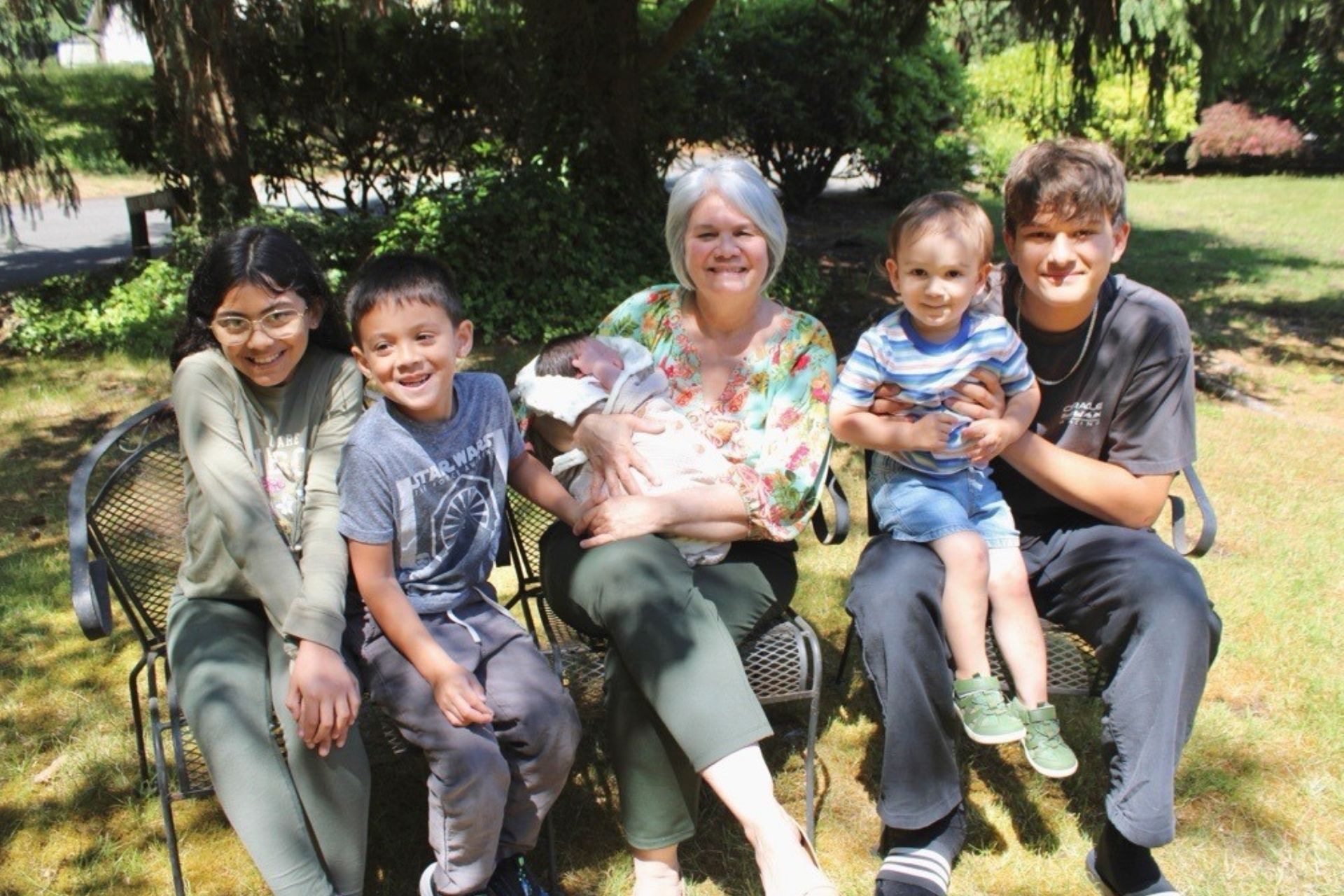
To see how this looks in practice, we talked with Jackie Ferrado, a local grandparent and associate director for community engagement at WA529, who started saving for her five grandchildren long before her own retirement. She shares how she plans to keep that savings going after retirement.
National College Savings Month
Congress officially declared September College Savings Month in 2003 to encourage families to plan and save early for future education costs. But education after high school looks different for every student. Some may pursue a university classroom while others prefer hands-on training or an apprenticeship.
“As a grandparent, I realize I can’t predict every detail of my grandkids’ future,” says Ferrado. “One may head to a four-year college; another might be drawn to community college or choose a skilled career pathway. A 529 plan isn’t about knowing their exact destination — it’s about keeping the door open and reducing the need for my grandkids to rely on loans when the time comes.”
A recent change to FAFSA rules is making it easier than ever for grandparents to help pay for college without unintended drawbacks. Previously, when a grandparent took money out of their 529 plan to pay for a student’s education, it counted as untaxed student income on the following year’s FAFSA, and often reduced the amount of aid the student was eligible for. The FAFSA Simplification Act changed this, and now grandparent-owned 529 plans are not reported on the FAFSA at all.
“It was tempting to wait until they’re older to start saving, but I also knew a 529 plan was an opportunity to get ahead of those future expenses,” Ferrado says. “Even more importantly, these savings will provide my grandchildren with something priceless: support, flexibility and the opportunity to pursue the path that’s right for them.”
Managing on a retirement budget
Ferrado started saving well before retirement, and she is thankful for that early decision. “Starting early matters,” she says, “because it’s not just putting money aside; it’s letting time do some of the heavy lifting. Even when my contributions weren’t huge, steady saving over time is making a real difference.”
How does one keep saving after retirement when a regular paycheck ends and a fixed budget often becomes more restrictive? Ferrado told us that this transition doesn’t need to mean the end of saving. Instead, it’s about adjusting habits to meet the changing budget.
“Retirement isn’t going to be a pause button — it will be a continuation of a habit,” she explains. To keep contributions consistent while being careful not to overextend, Ferrado recommends the following strategies:
- Set a small automatic monthly contribution you can live with, even if it’s modest.
- Use “raise-free” extras such as tax refunds, birthday money or a little left over from each month.
- Rebalance your budget quarterly and move a bit from other buckets where you consistently spend less.
- Make saving a family conversation. Sometimes other relatives will want to add to an account instead of buying more toys.
Leaving a legacy
A college savings account is more than just a financial legacy. It’s a message of love and support, showing your grandkids that you are excited for their future and can’t wait to see what they do next.
“Ultimately, these contributions are about more than money,” Ferrado says. “They’re a way of showing my grandkids that I believe in them and their future. Every contribution, no matter the size, is an investment in their future and a legacy of support that will last long after the check is written.”
Editor’s note: This article was sponsored by the Washington College Savings Plans (WA529).