 Seattle Family Calendar
 Subscribe

Editor’s note: This article was sponsored by Seattle Children’s Hospital.
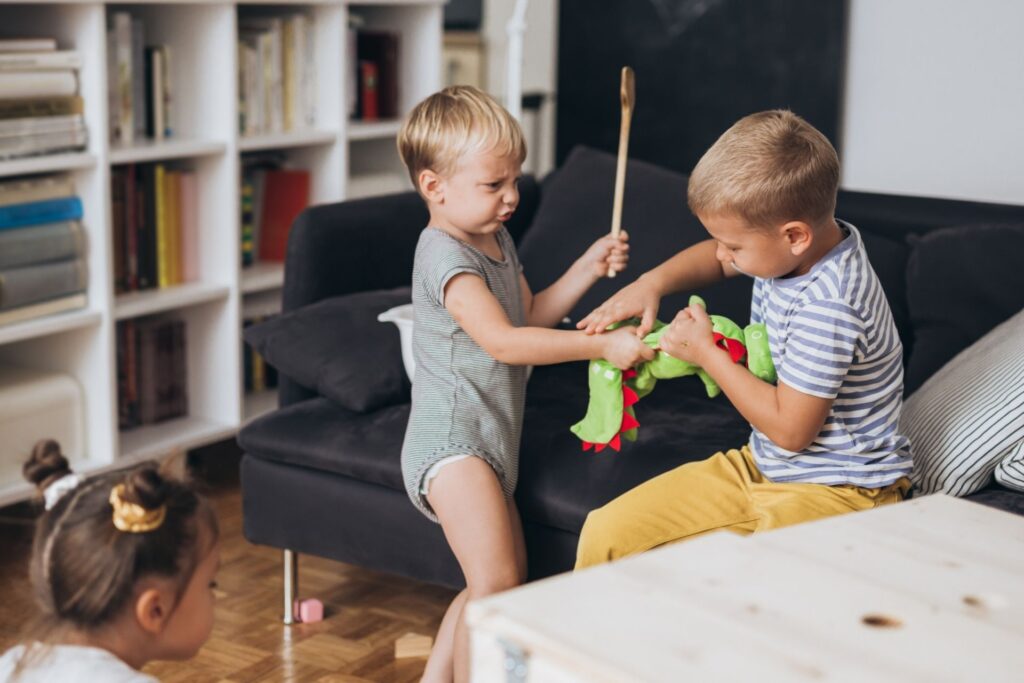
From sibling squabbles to chore showdowns, winter break’s routine disruptions can create the perfect breeding ground for behavior challenges.
For parents in the thick of it, finding the right tips and strategies can be tough.
Locating the right parenting book — and taking the time to read it — may feel overwhelming. Parenting classes often come with a hefty time commitment and cost. Meanwhile, lengthy waitlists for therapists and evaluations can delay professional support.
Enter Seattle Children’s free on-demand Behavior Basics course, which is designed for kids 5 to 12 with disruptive behavior. Through 11 short videos and corresponding worksheets, parents can work at their own pace to learn quick tips and strategies that can make a big difference.
“In the time it takes to heat up easy mac in the microwave, you could watch this and learn something,” says Erin Gonzalez, the co-director of the Behavior and Attention Management program in Seattle Children’s Psychiatry and Behavioral Medicine department. “We hope it’s a Cliffs Notes primer for folks.”
Why early attention matters
Seattle Children’s staff created the Behavior Basics course with the understanding that most families occasionally need additional help or advice. Maybe previously-used strategies are no longer working, or a new situation has added an additional stressor.
“When that happens, we see kids switching to seek more negative attention than positive,” Gonzalez says. “They’re getting more out of pushing buttons and limits than meeting expectations.”
During those times, it’s important to quickly adjust course to address the new challenges. If undesirable behaviors are left unaddressed for too long, families might enter into a cycle of frustration and strained relationships that harm their quality of life. Ultimately, the goal of these interventions is to improve family interactions before negative habits stick.
“We may be starting to feel like we’re becoming parents we don’t want to be,” she says. “We have the power to switch patterns to help children feel secure and understood.”
Addressing a growing need
The Behavior Basics program offers “light touch” intervention ideas for families who need a little expert guidance. That’s a population that might be receiving less health system support, as the pandemic intensified the demand for more severe youth mental health needs, Gonzalez explains.
Even so, families with milder behavioral needs still need guidance and support. While there are other online programs available, many require fees or registration. The absence of a pay wall is a real game changer for accessibility, she adds.
“We don’t want cost to be a reason why families don’t get help,” she says.
The Seattle Children’s team developed the skills based on decades of research focused on how to help children with challenging behaviors. They combined those time-tested strategies with tips and tricks the department’s experts have gleaned from their own work.
“We boil it down to the smallest steps that can make the biggest changes,” Gonzalez says.
These on-demand tools may be all some families need to shift their household dynamics. If they do require additional supports, the course will help them build skills while they wait for an evaluation or appointment. These approaches are often the initial recommendations provided from behavioral support professionals.
“We want to give families as big of a boost as we can while they wait,” Gonzalez says.
What’s on demand
Parents can log on to the Seattle Children’s Behavior Basic website at any time and access the material. While some might choose to watch all the segments in one sitting, others might go step-by-step, allowing time for the new skills to sink in.
The two- to five-minute core videos, plus three bonus videos, feature various Seattle Children’s experts who share quick bites of advice, from the benefits of creating special time with a child to the value of ignoring certain bothersome behaviors.
One video discusses when/then strategies for pairing difficult tasks such as chores or homework with something more naturally rewarding. For example, when a child gets dressed, then they can go play with the dog. When they get out of bed with one reminder, then they can be the DJ for breakfast.
“Children spend most of their day doing things that other people want them to do so it’s not surprising they have trouble staying motivated to follow instructions from adults,” psychologist Cindy Travino explains.
Another video breaks down which behaviors may need a consequence, such as a time out or a “privilege pause.”
“Even with all the praise, reward and structures in the world, there will still be behaviors that are not OK,” says psychologist China Bolden in the video.
The corresponding FAST-Behavior workbook provides a way to go deeper into a particular skill that resonates. For example, if a caregiver is interested in creating “special time,” the workbook includes activity ideas as well as tracking sheet. That way, the parent can better document their child’s response and issues to problem solve.
There’s even help for the beleaguered parent, with ideas on how to remain calm if you’re starting to feel frustrated such as drinking a glass of water or texting a friend. That same section includes statements a caregiver can repeat to manage their own strong feelings including: “He’s a little boy, his brain is still growing” or “I won’t take the bait. I can be the adult here.”
Spreading the word
Over time, Seattle Children’s will gather feedback on the format and content with the goal of making the program even more effective. They hope the word spreads and pediatricians can point families in need to these resources.
More than anything, the guidance can help parents see they aren’t alone in their struggles.
“There’s no real manual for parenting in general, but pretty much all parents say they could use some help, pointers, commiseration and validation,” Gonzalez says.
Sponsored by: