 Seattle Family Calendar
 Subscribe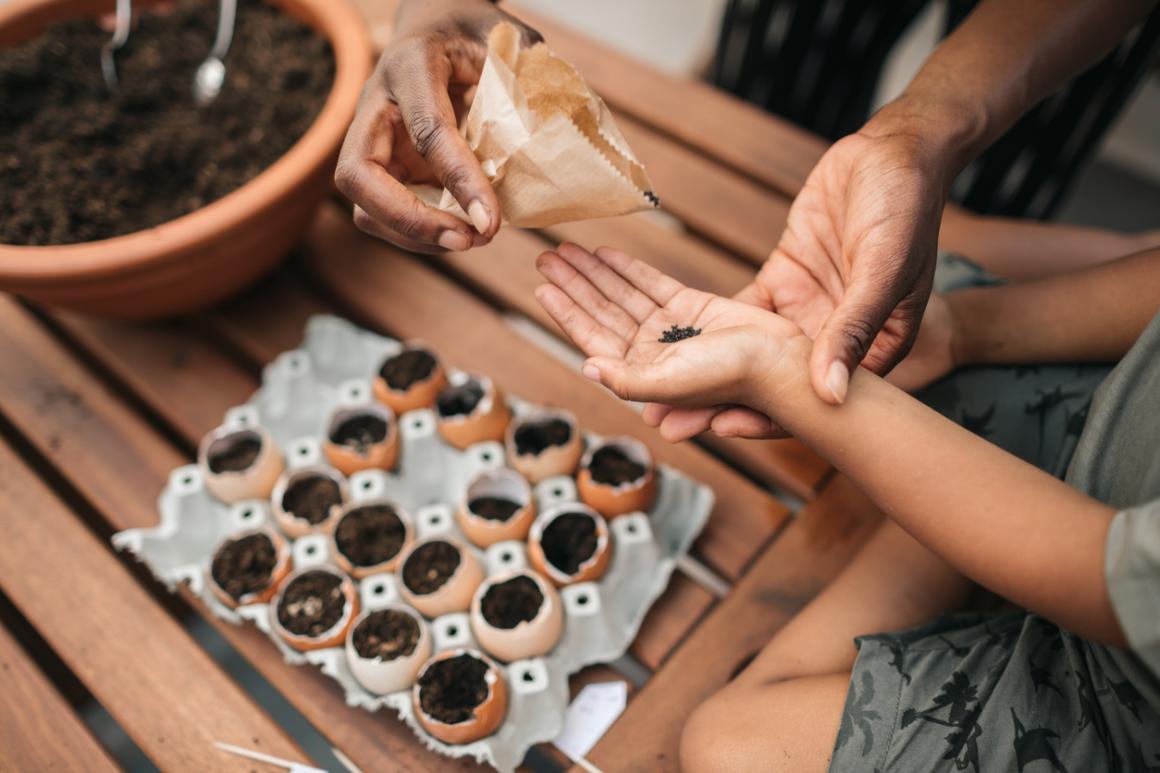

Get your grow on
The physical and mental health benefits of spending time outdoors are well documented. Try some of these environmental learning projects for both academic and vitamin D enrichment for kids.
While it is not so much the case today, during the first 10,000 years since agriculture developed, most family members had a role in growing food. Use this homebound time to introduce kids of all ages to the art and science of gardening.
Toddlers can poke seeds into the ground (or into a pot on the porch) and pick fruit when it’s ripe, while older kids might take over one section of the garden. Grade-schoolers can run plant experiments: Your students can calculate germination rates; conduct seedling races to demonstrate growth under different light or water conditions; dissect plants and flowers to identify their parts; and learn to distinguish the good bugs from the not-so-good ones. Teens might take over planting plans for the whole garden and calculate harvest times; they can also get exercise by building raised beds and turning compost.
If your outdoor space is limited, you can plant a container garden, make a terrarium or read the book “Linnea’s Windowsill Garden,” a collection of indoor gardening ideas, such as sprouting plants from meal leftovers.
Click through the arrows above for more fun ideas.
Cancel climate change
The science of climate change is hard to grasp, but we can teach our kids that human activities such as driving gas-powered cars and using too much electricity make the planet less habitable.
As a family, study the climate impacts of transportation. Print out a map of your neighborhood, then go on a walk. Help small children mark places on the map they can walk to. Point out the cars, power lines and polluting activities you see along the way. Have older kids highlight places on the map where there isn’t a sidewalk or a bike lane, then send a copy of the map to an elected official, asking them to put more sidewalks and bike lanes in your neighborhood.
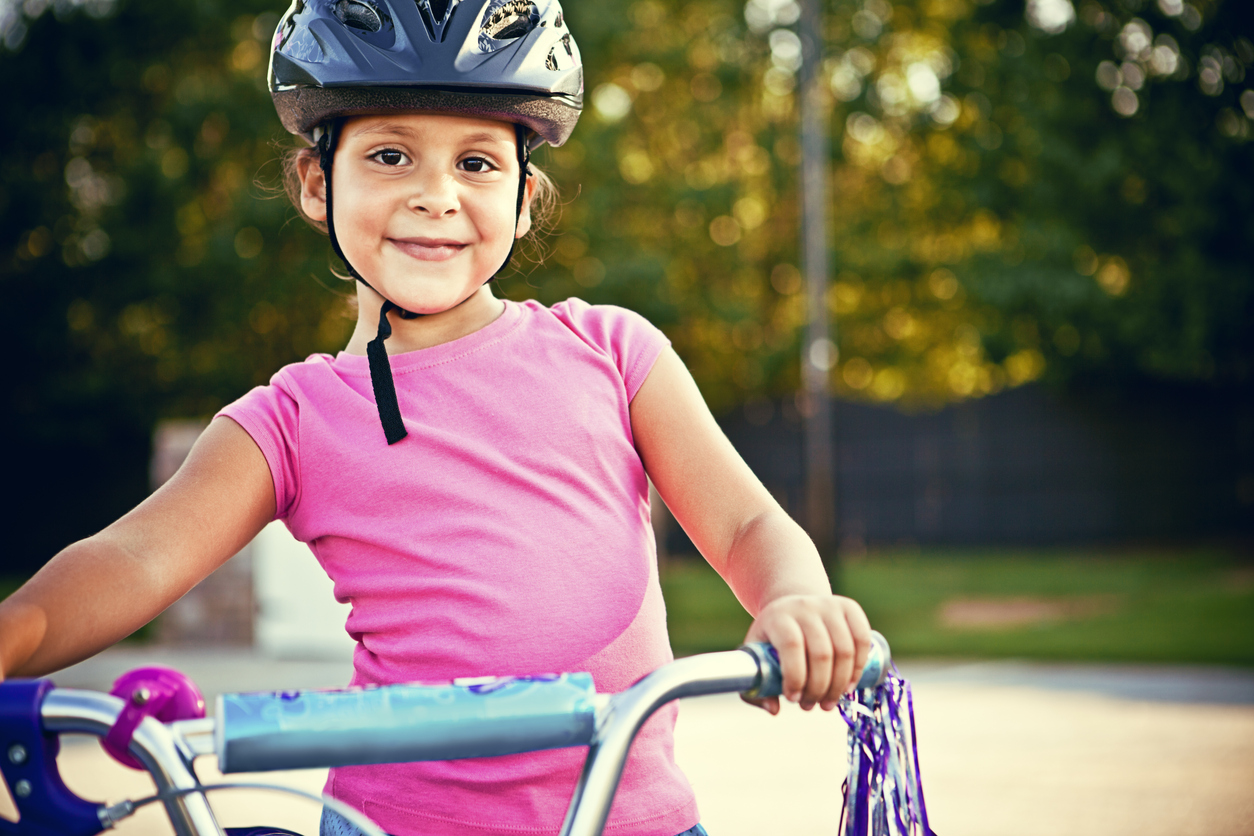
Afterward, make a plan together for incorporating more walking and biking into your family’s daily life, and for using public transit once physical distancing is over. If they haven’t learned already, now is a great time to teach your kids how to ride a bike and use bike hand signals.
To understand the power of solar energy, preschoolers can use a thermometer to see differences between sunny and shady areas before using solar energy to melt blocks of colored ice, blow up balloons or create shadow art.
For their study of sustainable energy sources, older kids can build a solar oven or make their own wind turbine. Building a dirt battery doesn’t really illustrate geothermal power, but it is fun! Teens can conduct the same experiments without supervision, or even make their own biodiesel. Then they can calculate your family’s carbon footprint and develop a household climate action plan.
Wonder about water
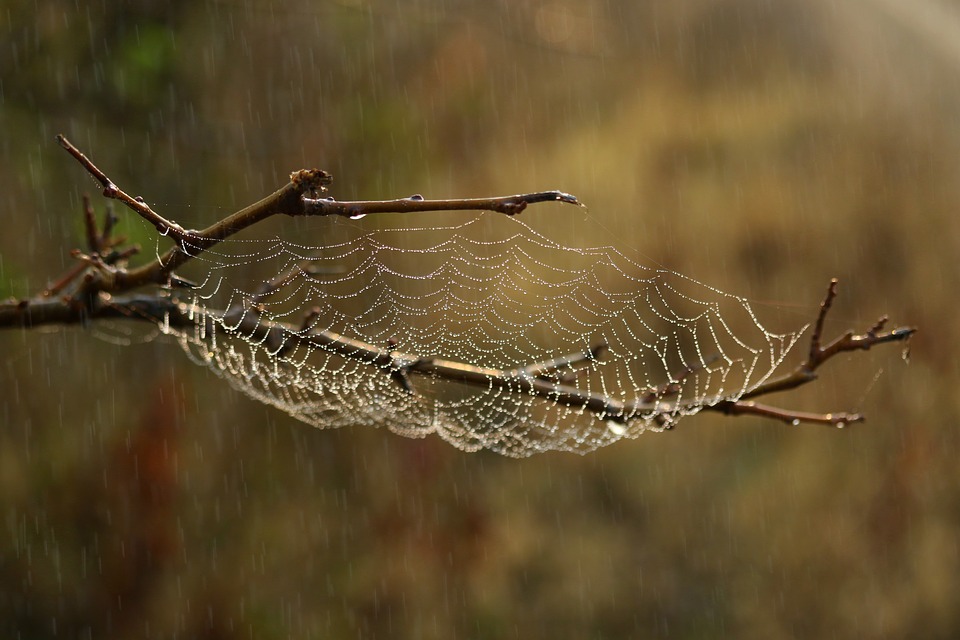
Even toddlers can grasp the concept of water pollution by performing a simple activity (conducted outdoors to minimize cleanup, and with weather permitting) to “pollute” and then filter a bucket of water. A similar water treatment experiment using sedimentation, filtration and disinfection is good for older kids. Making a rain gauge is a surprisingly satisfying enterprise for kids of all ages, as is exploring the outdoors on a rainy day.
Older kids can follow step-by-step instructions to find plumbing leaks inside and outside of the house. Kids will use investigative skills, perform tests, learn about water use and even do a little math on the way to saving water.
Teens can learn about potential water contaminants and the problem of lead in drinking water. Then they can take water samples from your faucets and outdoor water sources and test them with a home test kit. Or, for a more ambitious outdoor water project, they can build a rain garden.
Discover taxonomic treasures
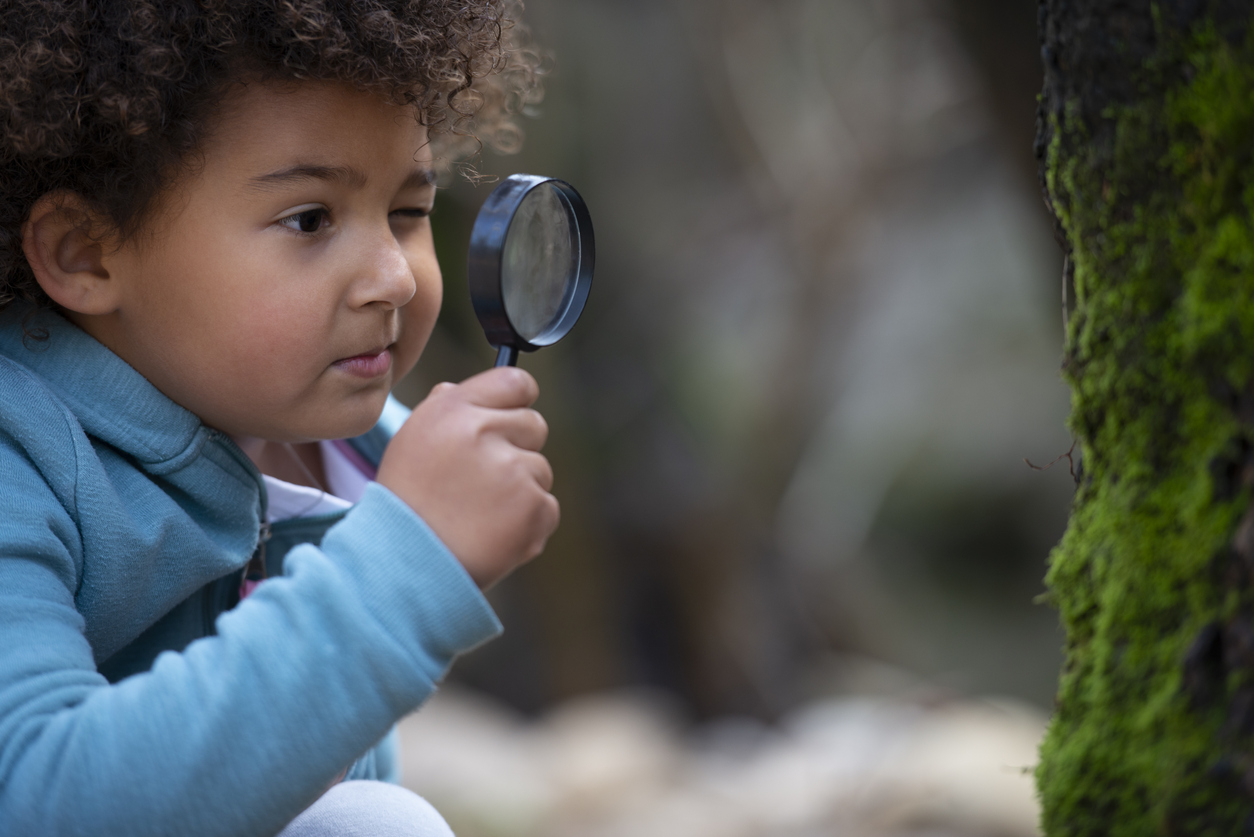
In “How to Do Nothing: Resisting the Attention Economy” (surely a guidebook for these times!), artist Jennie Odell talks about the satisfaction that comes from mentally transforming an undifferentiated mass of greenery into known species. That knowledge gives a sense of both belonging and control, which most of us really need right now. For little kids, just taking a walk and pointing out common flowers or spotting the eagle flying overhead may be enough to make them feel knowledgeable. More goal-oriented tots might appreciate a scavenger hunt or a game of bug bingo.
Your family can use iNaturalist, a social-media app, to record encounters with other organisms, crowdsource identification and maintain life lists. Older kids can also download Mammalz, a sort of multimedia YouTube for nature content.
Teens can take their botany and taxonomy a step further by using identification keys in field guides — and by extension, learning the vocabulary to describe leaf shapes, feather types and insect anatomy.
Become an activist
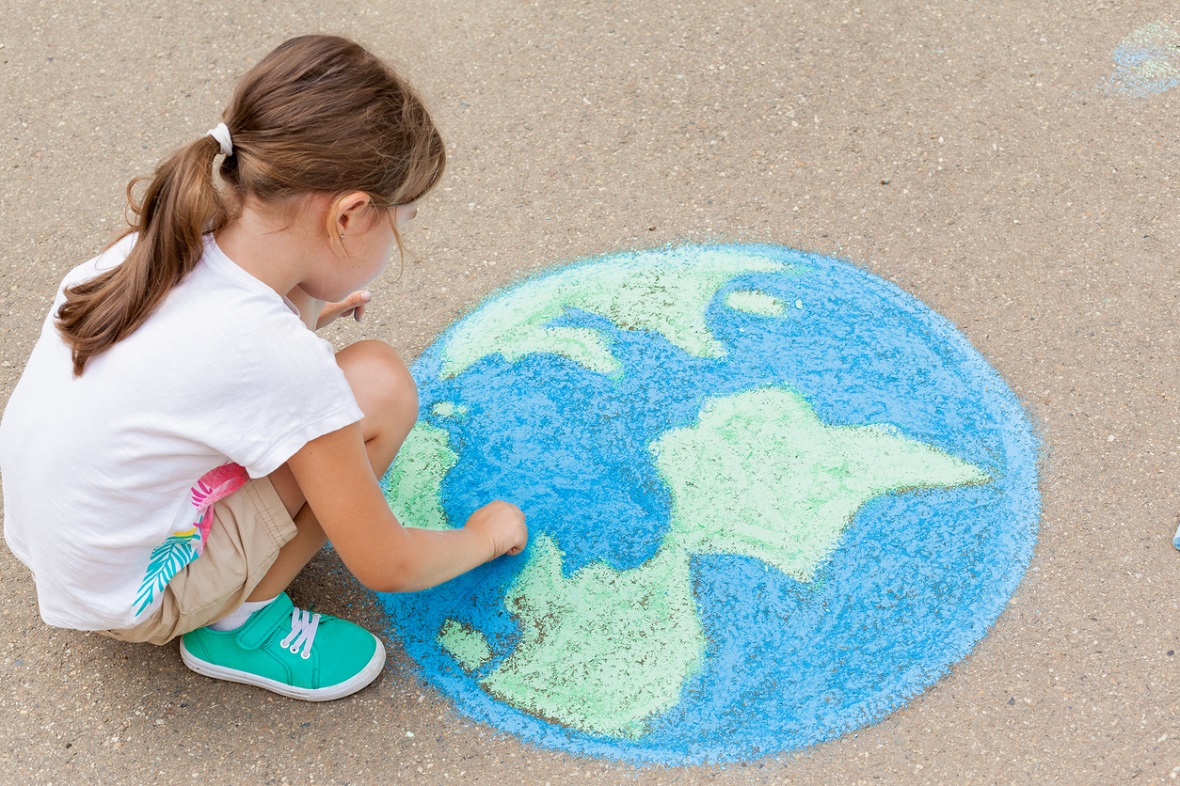
Even little kids can comprehend the impacts of human activity on the environment when you spot rats and coyotes in the city during daytime or show them pictures of dolphins swimming in Venice’s canals. While everyone is at home, take the time to transform information into action.
Students can study endangered habitats and species around the world through artist John Dyer’s Last Chance to Paint project. Then they can submit their own artwork inspired by endangered species for display in the online World Gallery. They can also post the artwork to social media — and tag elected officials when they do it.
Kids of all ages can use the new Earth Challenge app to become a citizen scientist, linking local environmental data collection with digital political action. Picking up litter as part of the Great Global Cleanup pairs nicely with this app. Earth Day Network also suggests the following age-based environmental endeavors:
- Ages 4 and older: Reduce bird collisions with DIY CD sun catchers
- Ages 7 and older: Make a bee condo
- Ages 10 and older: Plan an invasive-species cleanup
- Ages 12 and older: Plant a wildflower garden
Editor’s note: This article was originally published in 2021 and has been updated for 2022.