 Seattle Family Calendar
 Subscribe
Teens take action
Over the past four years, ParentMap has partnered with the Gates Foundation Discovery Center to spotlight the stories of young change-makers from the Greater Seattle area. I have had the good fortune to interview many of these fine young people myself, and have consistently been energized and moved by their tireless efforts to work for change and justice in a world continually beset by too many societal and existential ills to count.
The stories of these tenacious teens remind us that we all have the capacity to make a difference. Here are a few key lessons I have learned from some of the inspirational young superheroes ParentMap has interviewed for the series over the years.
- Avi Schiffmann: Never underestimate the power of the individual
- Chayton Remle: But that said, no one has to go it alone
- Cameron Davis: Turns out, we parents do matter
- Sophia Moser: You have to meet people where they are
- Daniela Cortez: Make it personal
- Maya Milton: Don’t lose hope, especially when the world seems at its most intolerant
- Anya Shukla and Kathryn Lau: Remember that you can’t eat an elephant in one bite
- LaShaiah Dickerson: Let discomfort be your guide — and a goad to action
As parents, we can be some of the first and best models of heroism to our children. We can teach them that inaction is not an option, that courage starts as a small spark that can grow exponentially, that empathy for and service to others are nonnegotiable aspects of family and community life.
Discover more tenacious teens, amazing organizations and dozens of ways your family can give back.
1. Avi Schiffmann: Never underestimate the power of the individual.
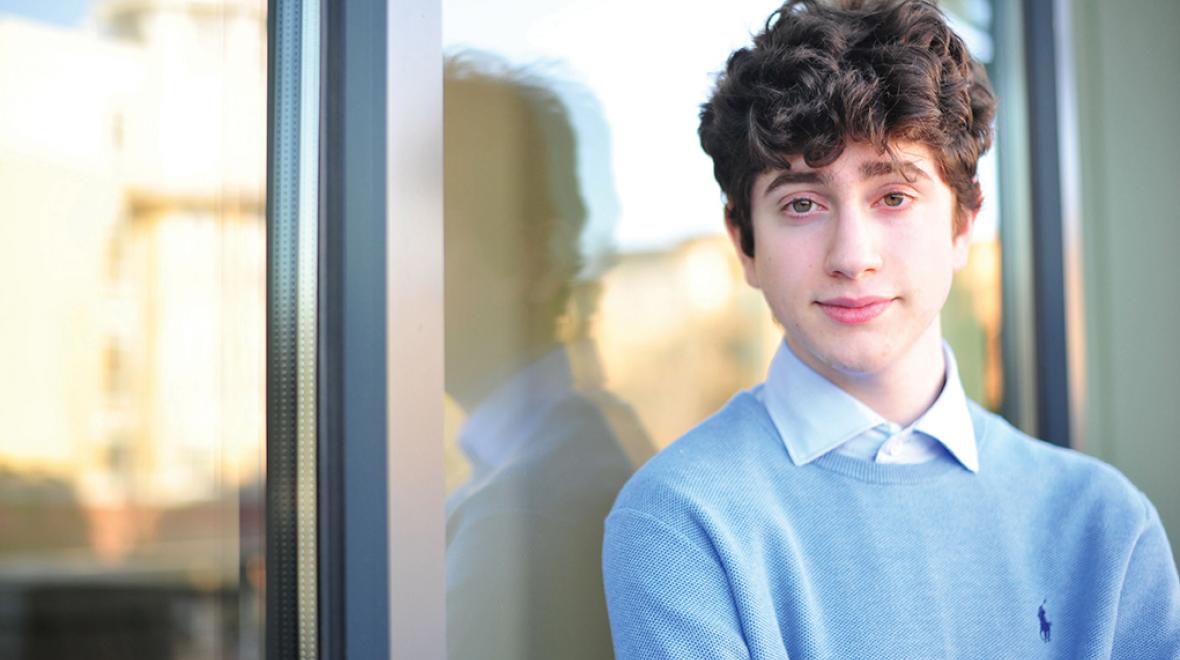
“I definitely would say the biggest thing is that I’ve learned there’s so much an individual can do. You doomscroll through social media and just see all these things that are so terrible, and it feels like there’s really nothing you can do about it. But working on these websites really has given me the naive confidence that I actually can do a lot of things as an individual to solve the problems we face.”
When Mercer Island teenager Avi Schiffmann was honored as the 2020 Webby Awards Person of the Year for creating nCoV2019.live, an interactive dashboard website that updates in real time to provide accurate global data on coronavirus cases, deaths, testing and vaccinations, he shared a five-word acceptance speech that is the matter-of-fact motto of his life: “You can learn anything online.”
When Dr. Anthony Fauci presented Schiffman with the award, he called the wunderkind developer’s scrappy achievement “an invaluable resource that sounded the alarm on the virus and its spread, notably calling attention to its severity long before it was broadly recognized.”
Schiffmann, who is now studying at Harvard, popped back into the headlines last month when he responded to the latest humanitarian crisis — the war in Ukraine — with a new website he developed with a classmate. Ukraine Take Shelter helps match Ukrainian refugees with potential housing and hosts in neighboring countries.
2. Chayton Remle: But that said, no one has to go it alone.
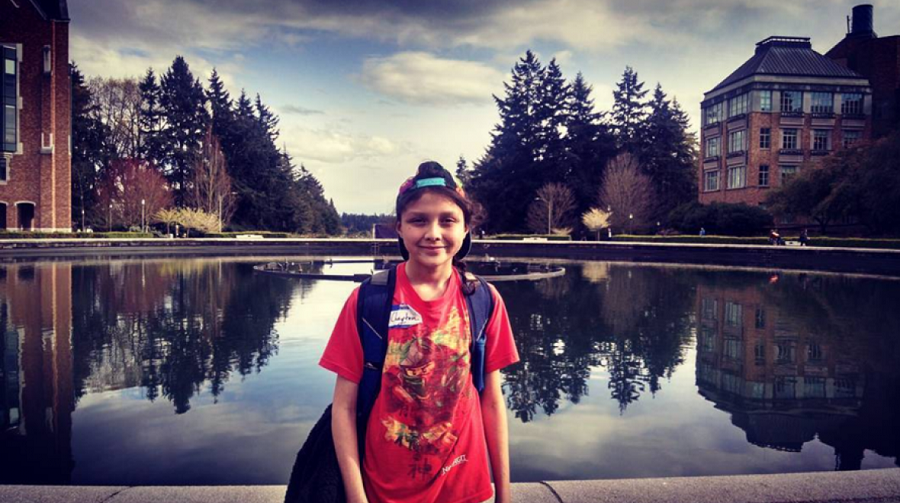
Every single person has a gigantic change for the world. I think it’s important, because otherwise there would be no change, things would just stay the way they are. So, you should step up, try to find some people who will support you — and then do it, get it done and make a change.
Chayton Remle (Hunkpapa Lakota) has been active in efforts to protect the environment and steward Indigenous rights, treaty rights and ancestral lands for most of his life. He has engaged in these efforts in various ways, such as attending rallies and marches, creating petitions and speaking out about issues in public forums. Through his involvement with Clear Sky, a unique volunteer- and youth-centered program of the Urban Native Education Alliance, he has participated in projects and advocacy work that directly benefit urban Indigenous learners, educators, families and the wider community.
3. Cameron Davis: Turns out, we parents do matter!
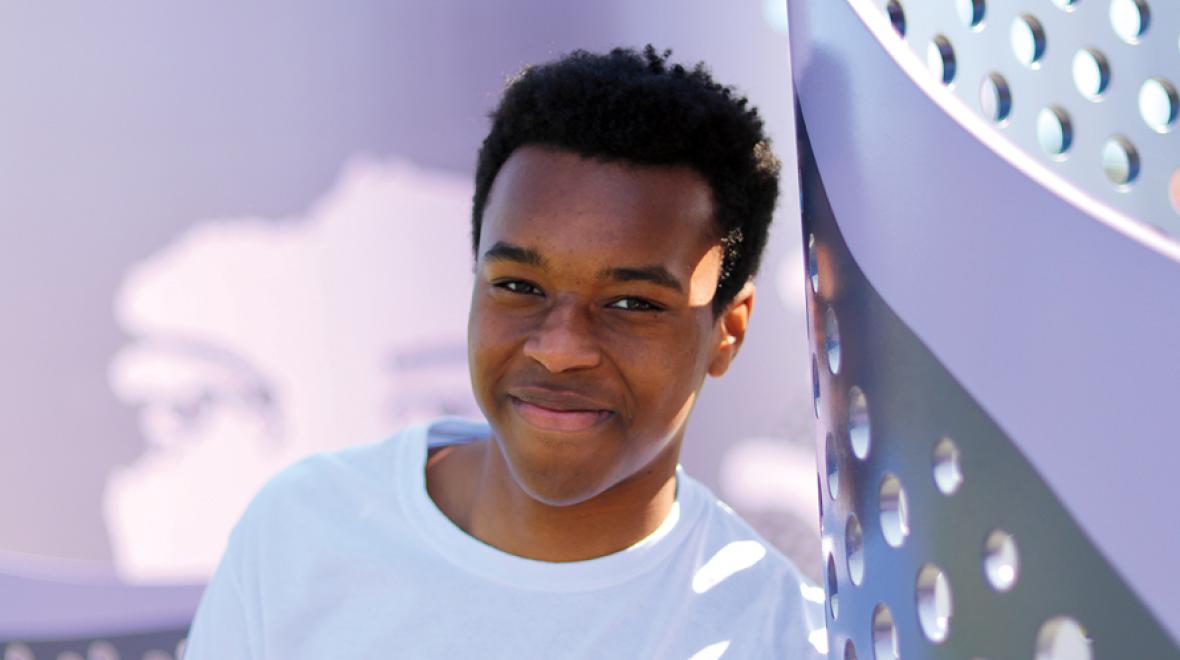
As I reflect on my service, I realize how much planning and thought my mom put into developing our service-mindedness. I always felt like I was making choices — there wasn’t a choice about whether or not we would be involved in community service, as this was a requirement in our house, but I did get to choose what kind of service I would get involved in. I am grateful that she led me to so many different and important opportunities.
Lakeside School graduate Cameron Davis, a longtime volunteer and youth board member with Water1st International, hardly remembers a time when he wasn’t involved in service activities, and he has credited his mother for cultivating and supporting his work in and for the community. From raising funds with a brother-sister pop-up shop at a dog park to benefit PAWS to selling lemonade to provide safe water and toilets to children in countries thousands of miles away,
Davis, now a freshman at the University of Pennsylvania, maintained a strong commitment to volunteering activities throughout his childhood. The secret? His mother deftly helped him align his volunteerism with his personal interests and the understanding of shared human experience that connects us to others in our imperfect world.
4. Sophia Moser: You have to meet people where they are.
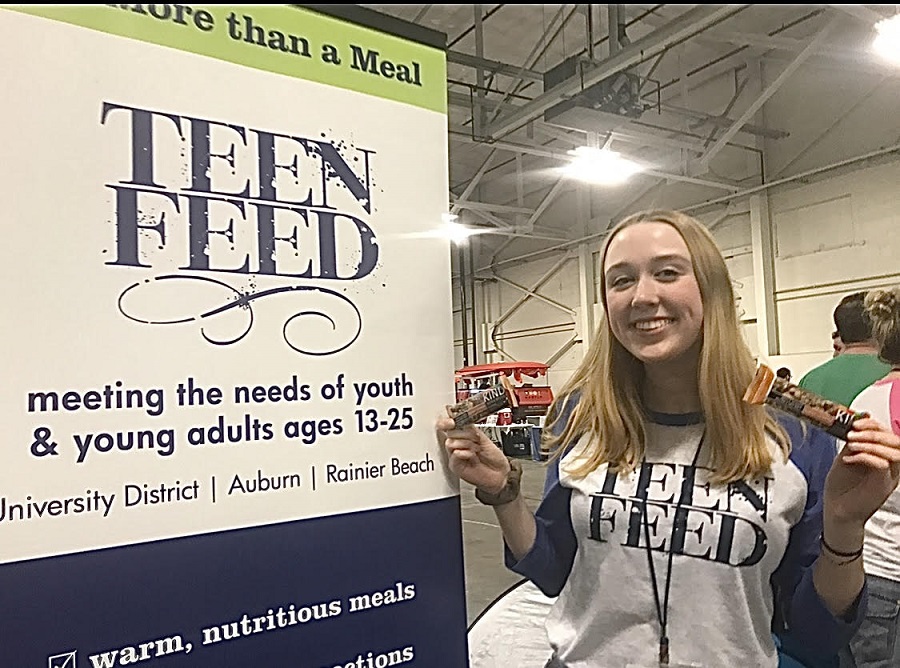
A lot of times with nonprofits, there is an imbalance between the giver of help and the receiver. It’s a really important thing for youths to learn that giving back to the community is about the community, not about being a savior or fixing people. Teen Feed taught me that I can help, but I’m also learning and growing, building something together with the people I serve.
Sophia Moser was introduced to Teen Feed, a local nonprofit that works to meet the most basic needs of homeless youths in Seattle, through the Gates Foundation’s Take Action Summer Workshops a number of years ago. She interned at Teen Feed during her senior year of high school and continued to volunteer for another year after that. Moser eventually returned to Teen Feed as a staff member, recruiting and training new employees.
Now a graduate of the University of Washington with a degree in international relations, Moser is teaching English in Brazil on a Fulbright grant.
5. Daniela Cortez: Make it personal.
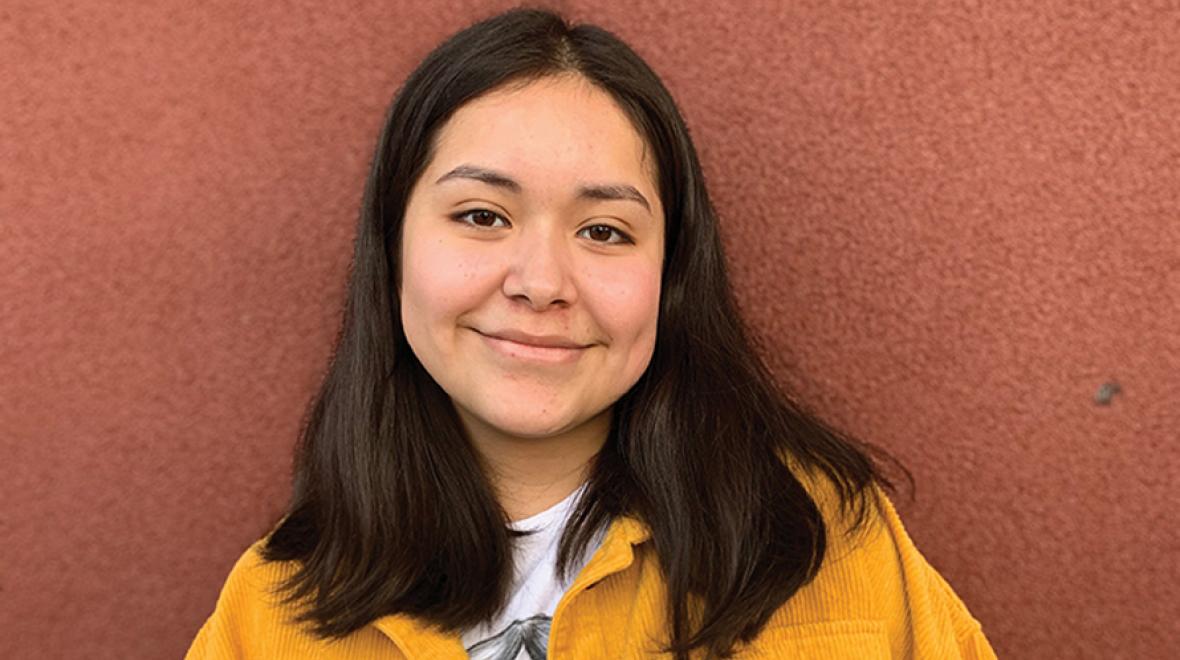
This work can be heavy and sometimes even frightening, but I stick to it because I have five siblings. I want for them to be able to grow up in a world where they don’t have to worry whether their planet is doomed or not. … It’s so easy to give up — but it’s so much more empowering to be able to keep going and to be able to be that person for someone else. I’ve always wanted to be a person who makes sure that no one gets left behind.
Since she was 13, Daniela Cortez has been a part of the Duwamish Valley Youth Corps, a vibrant youth advocacy program of the Duwamish River Cleanup Coalition (DRCC). The DRCC exists to advocate for a clean, healthy and equitable environment for the people and wildlife impacted by the pollution of the Duwamish River, and to act as a technical and stakeholder advisory group to monitor the EPA-mandated cleanup of the valley. Through its programmatic emphasis on environmental health and social and climate justice, the organization and its youth corps prioritize community action through education and empowerment.
6. Maya Milton: Don’t lose hope, especially when the world seems at its most intolerant.
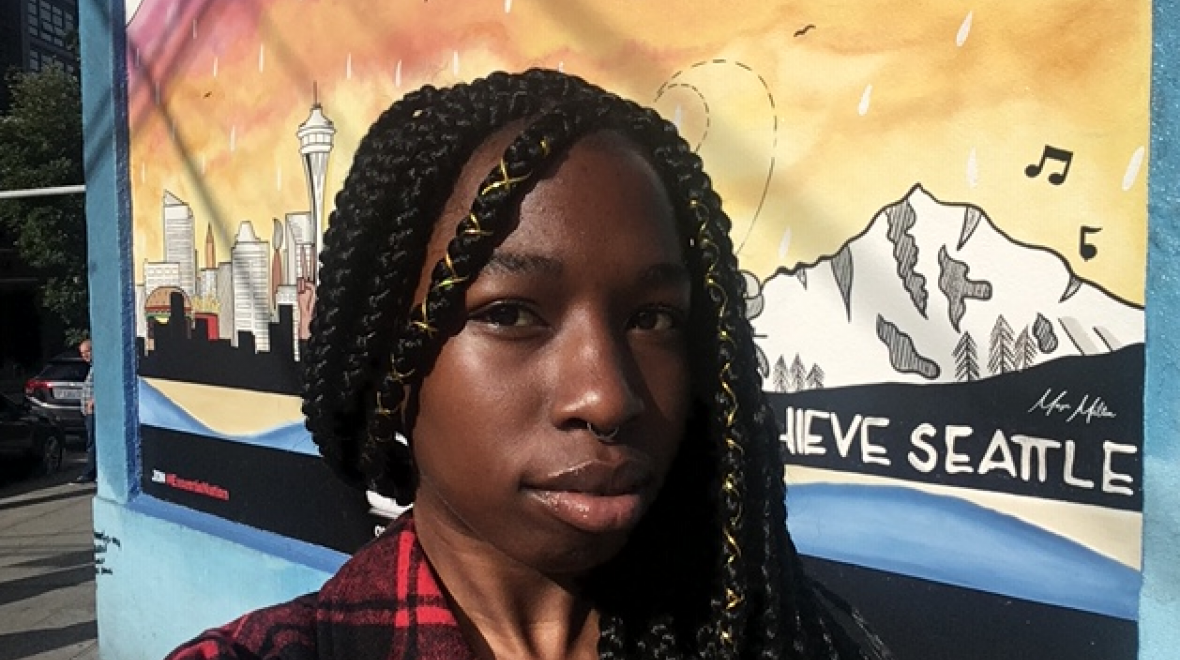
When I feel concern that we’re going backwards in society, I remind myself that marches are happening and protests are happening everywhere. I think that those are huge signs of hope, to know there are people out there who are continuously fighting for what’s right and fighting for what they believe in.
South Seattle native Maya Milton is a working artist with a very succinct mission: “I’m just making art. I make art all the time for whoever wants or needs it in their life.” Her artwork centers and empowers people of color — Black women, particularly — to celebrate themselves. Her paintings have been showcased in local galleries, during art walks, and at multimedia events for performing and visual artists of all types. “A Hip-Hop Revolution,” one of her acrylic murals, is presently featured just outside the entrance to the MoPOP exhibition “Contact High: A Visual History of Hip-Hop.”
7. Anya Shukla and Kathryn Lau: Remember that you can’t eat an elephant in one bite.
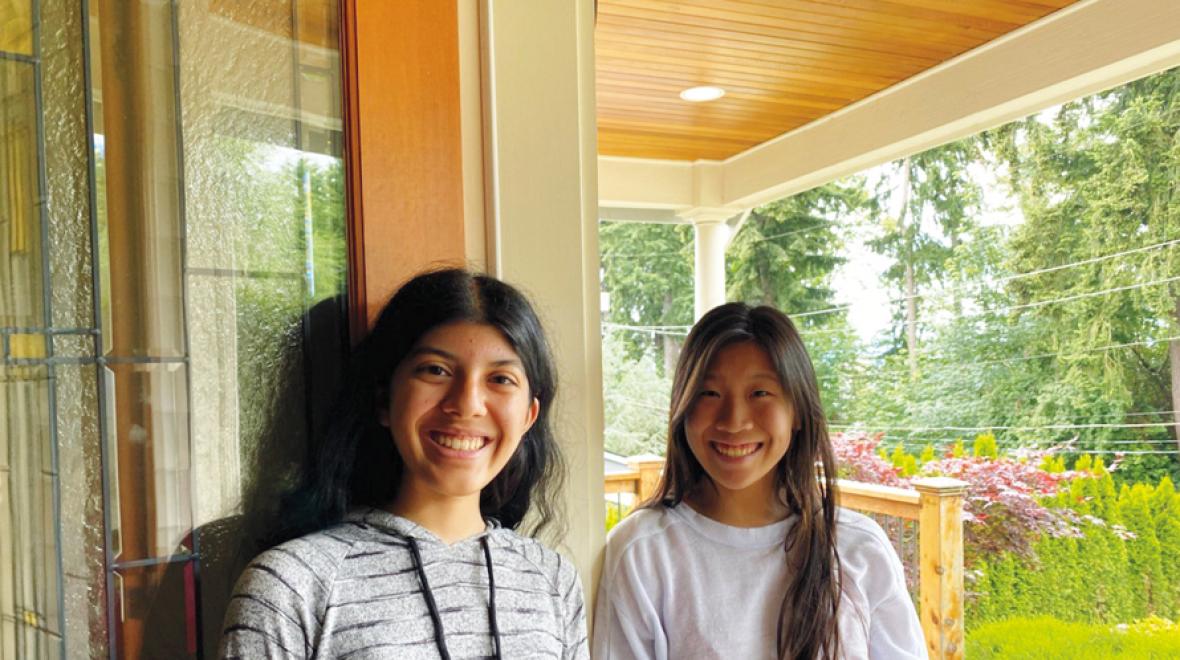
Anya Shukla and Kathryn Lau are founding members of The Colorization Collective, a youth-run organization that aims to promote diversity in the arts by supporting teen artists of color through mentorship programs and original content production. The organization exists to address a pipeline problem: If teen artists of color lack role models or peers who look like them, they drop out of the arts; consequently, a new generation of diverse artists fails to enter the workforce. I asked them to offer advice for how youths can take actions to realize their ideals and aspirations.
Anya: “Break things down into small goals. … Then slowly expand from setting those small goals, reaching them and continuing from there to achieve a larger mission.”
Kathryn: “I think it’s really important to take time to just step back and feel accomplished, and to have the same level of pride in smaller things as you do in the big milestones. Be self-aware throughout the process of creating change or doing things — and savor it, because time flies.”
8. LaShaiah Dickerson: Let discomfort be your guide — and a goad to action.
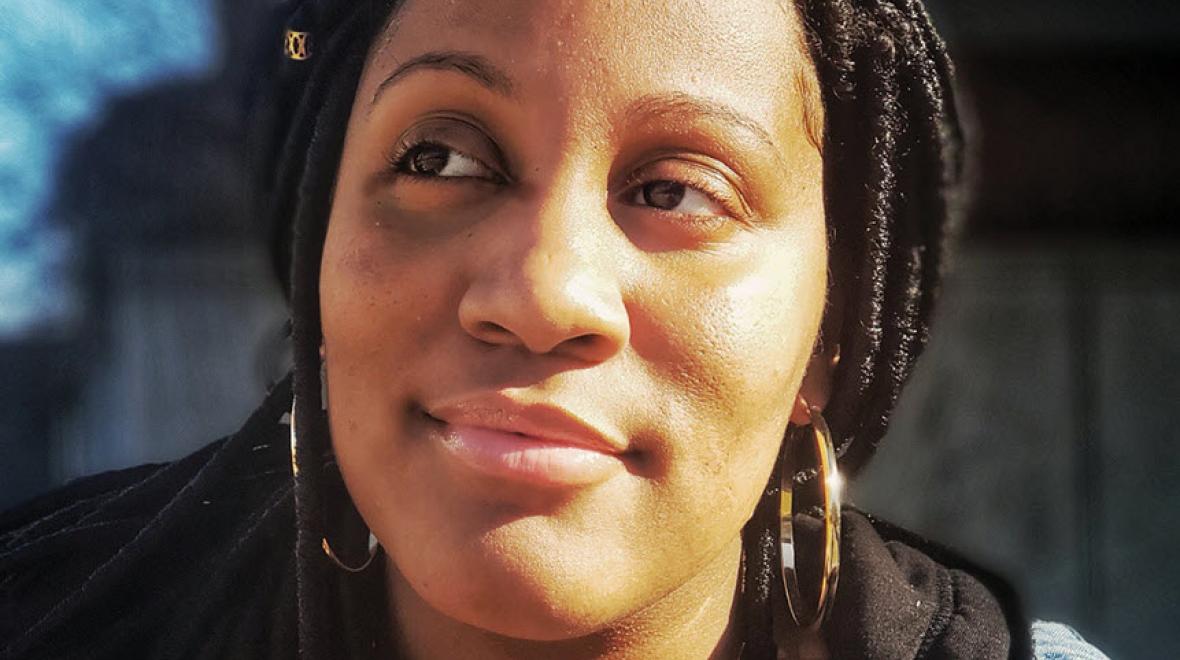
A big mistake that I made when I got into high school was that I waited until I felt comfortable enough before I got involved. But I feel like once you dive in, when you’re the most uncomfortable, that’s when you can start navigating your way through.
I spoke with LaShaiah Dickerson in 2019, well before the coronavirus upended our lives and one year prior to the brutal murder of George Floyd, which ignited the largest racial justice protests in the United States since the civil rights movement and sparked a global reckoning with racism. At the time, she was a senior at Edmonds-Woodway High School, catalyzing her own local reckoning with racism. She noticed that the casual use of the N word was normalized at the school — and nobody was saying or doing anything about it.
Dickerson overcame an initial reluctance to get involved and joined the school’s Black Student Union. Her active involvement on the BSU leadership council helped revitalize and galvanize the group to dramatically alter the climate of the school through organized cultural events and presentations. The group also led a successful petition process to augment the curriculum with the addition of an ethnic studies course. Dickerson is now attending Western Washington University and is active in the university’s Black Student Union.