 Seattle Family Calendar
 Subscribe

Using books to teach difficult concepts
In our house, books are the No. 1 way we teach our kids important skills. Our kids are more receptive to new ideas when we read about them first; this is especially true for social skills, which are a tricky concept for many children to grasp.
Picture books are a great vehicle for introducing social skills, thanks to their colorful illustrations and engaging prose; kids often don’t even realize they’re learning while they’re reading!
If your child is struggling to master some of the complexities involved with growing up to be a functional, polite and pleasant human being, here is a list of picture books that might help with …
Teach communication skills
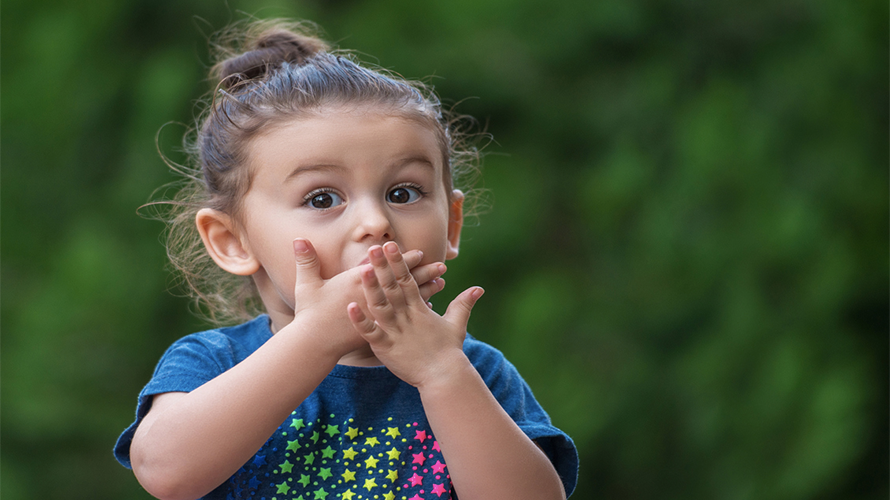
Kids spend the first couple years of their life crying to communicate what they want and need. But at some point, they have to figure out how to ask politely for things, use an indoor voice and take turns during a conversation. If your child’s chatterboxing needs a little refinement, read one of these picture books and give them a handful of “Talkin’ Tokens” or a voice volume scale to reinforce expectations around communication.
“My Mouth Is a Volcano!” by Julia Cook
Louis gets so excited about all of his big, important thoughts that he can’t keep them to himself, which means he’s always interrupting people. Can he learn how to save his thoughts for later and share them when it’s his turn to speak?
“Decibella and Her 6-Inch Voice” by Julia Cook
Isabella expresses herself so loudly that it bothers everyone around her: her parents, teachers and friends. She learns about the many different volumes we can use when speaking to people (and which volumes are right for which situations).
“Lacey Walker, Nonstop Talker” by Christianne C. Jones
Lacey Walker’s favorite activity is talking, but that means there’s not much time for listening. When she loses her voice and is forced to be quiet, she realizes that her non-stop talking has caused her to miss out on things.
Teach manners
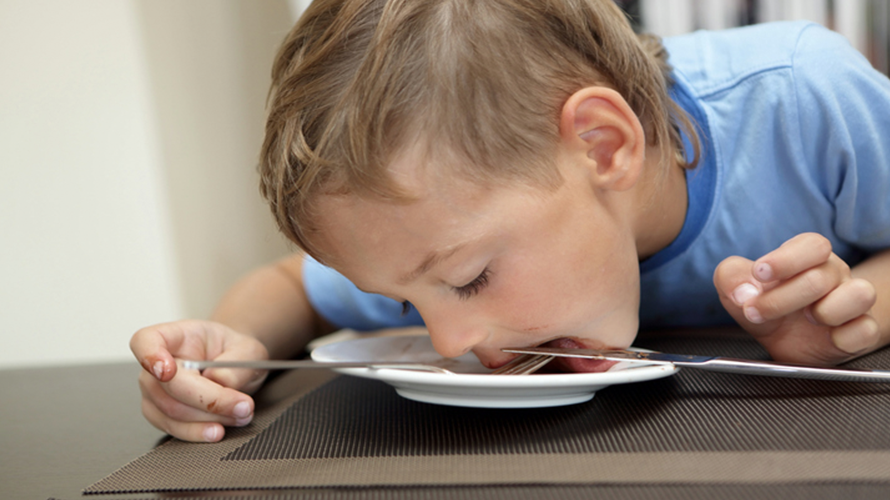
To kids of all ages, it probably seems as if there are an awful lot of rules about what you are and are not allowed to do in the company of other people. Chew with your mouth closed! Cover your face when you cough! Say please and thank you!
Interactive role-playing games (such as a manners party or even dramatic restaurant play) can help kids memorize the basic rules of polite civilization — especially if you read one of these picture books about manners as an introduction.
“Richard Scarry’s Please and Thank You Book”
Richard Scarry’s books are classics, and this one is no exception. Through a series of vignettes featuring the residents of Busytown, kids can follow along as their favorite characters navigate common social situations.
“Do Unto Otters” by Laurie Keller
Teaching the Golden Rule has never been so funny — or so effective! When Mr. Rabbit gets new neighbors (a bunch of otters, obviously), he’s not sure they will all be able to get along. Of course, if he remembers to “do unto otters” as he would like the otters to do unto him, he’ll be just fine.
Teach personal space and boundaries
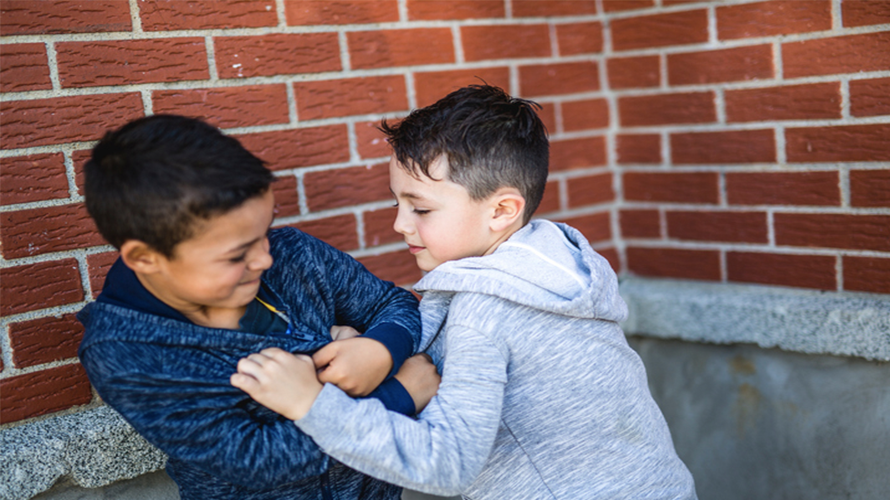
Most young children don’t realize that we all have invisible “bubbles” around us protecting our personal space. If you’ve got a kid who is clueless about the way they interact with others, can’t keep their hands and feet to themselves, or comes on too strong with physical displays of affection or excitement, try reading them one of these books and then implementing some visual cues or social stories to help them recognize and honor other people’s boundaries.
“Personal Space Camp” by Julia Cook
Louis doesn’t realize that when he’s using his imagination to pretend he’s in outer space, he’s wiggling and crashing right into his friends and classmates. But his teacher helps him translate his outer space expertise into personal space expertise.
Any book from the “Best Behavior Series” by Martine Agassi, Ph.D.
The simple presentation of concepts in these board books will help the littlest kids understand all the great things their bodies can be used for, while reminding them that they shouldn’t use their bodies to do things that hurt other people. A few recommendations: “Hands Are Not for Hitting,” “Feet Are Not for Kicking,” “Teeth Are Not for Biting.”
“Clark the Shark” by Bruce Hale
Clark the Shark has a boisterous personality, but his excitable ways often bother his friends and classmates. With help from his teacher, Clark sees how his actions affect the people around him and learns that some activities are more fun when everyone is calm.
Talk about tattling

When kids see a sibling or friend breaking the rules, they want there to be consequences. It’s only fair, right? Except sometimes they start complaining about Every. Little. Thing. that happens when a grown-up’s back is turned.
If you have a child who loves to file grievances all day long, read them one of these books about tattling and display some handy printables (such as this one or this one) on the wall for daily reference.
“A Bad Case of Tattle Tongue” by Julia Cook
Josh tattles so much on everyone around him (including his dog!) that he’s earned the nickname “Josh the Tattler.” One day, he develops a case of “tattle tongue,” which ultimately helps him learn the essential difference between “tattling” and “telling.”
“Don’t Squeal Unless It’s a Big Deal: A Tale of Tattletales” by Jeanie Franz Ransom
Mrs. McNeal’s students have a problem with tattling, but she teaches them to recognize when they should try to solve their problems themselves and when they really need to ask for a grown-up’s help (i.e., in an emergency).
Talking about anger and frustration

It’s genuinely hard to be a kid: The world is a confusing place, someone else is always telling you what to do and you have a lot of super intense feelings you don’t understand. Plus, your mom is always giving you the blue cup when you really, really, reallywant the red one.
For kids prone to angst, keeping these books in constant rotation — while encouraging your child to identify their big emotions and ask for appropriate help — can ease those growing pains.
“You Get What You Get” by Julie Gassman
Melvin learns to control his temper and just let it go when things don’t go exactly his way. A must-read for kids struggling with life’s everyday disappointments, this book is a twist on the old adage, “You get what you get and you don’t throw a fit!”
“Even Superheroes Have Bad Days” by Shelly Becker
If mighty superheroes can have bad days, so can kids. But this book teaches readers that while there are plenty of not-so-great ways to cope with a bad day (such as literally destroying the world in an epic temper tantrum), there are also plenty of better ways to cope, such as letting yourself feel mad or sad for a while before trying again.
Editor’s note: The article was published in 2018 and has been updated in 2021.