 Seattle Family Calendar
 Subscribe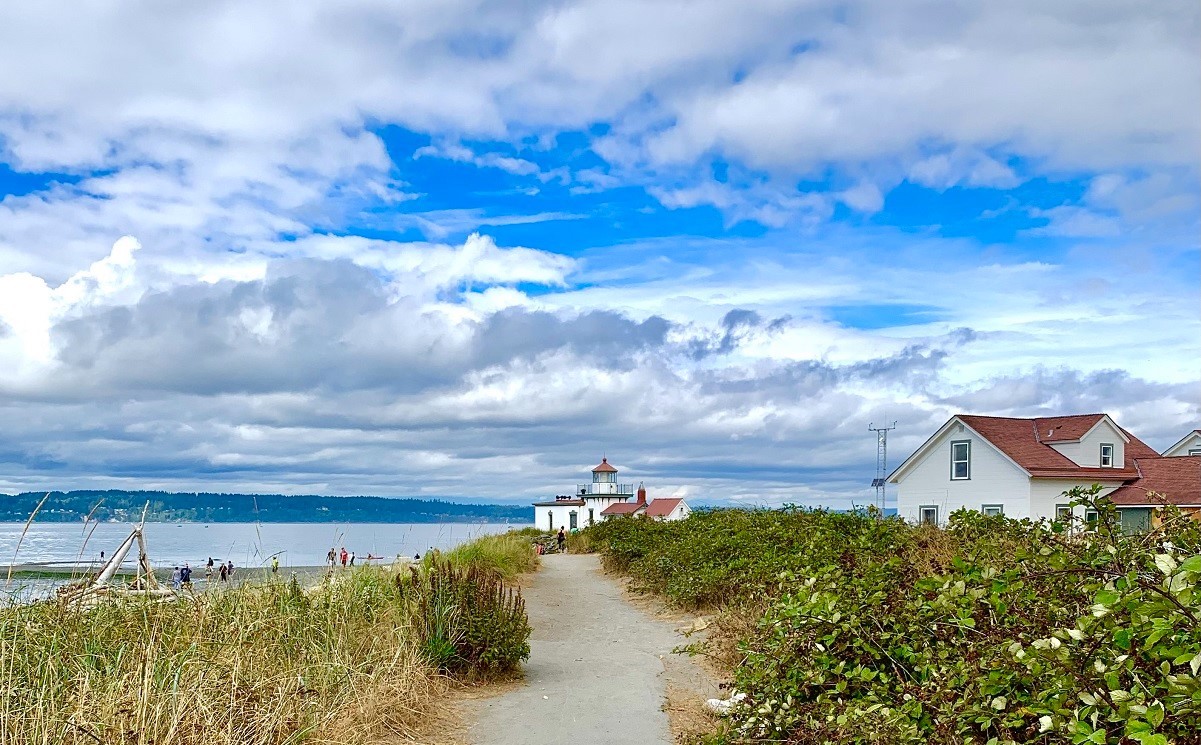

We like big parks — who doesn’t?
They say it’s about the journey, not the destination, but could someone please explain that to my kids when we have to drive two hours to a trailhead? To help keep the backseat peace, we often opt for a shorter commute to one of the Seattle area’s enormous parks.
These expansive greenspaces offer something for everyone: playgrounds, nature trails, beach access, intriguing built features or public art, gardens and so much more. Visiting these parks feels like heading into the wild, yet they’re close enough that, if needed, we can make it home by naptime.
Ready to check out four of the Puget Sound region’s biggest and most incredible destination parks? Let’s go!
First stop: Discovery Park
Discovery Park
Find it: Discovery Park is located at 3801 Discovery Park Blvd. in Seattle (Magnolia neighborhood).
At 534 acres, Discovery Park is Seattle’s largest park, and visiting it feels like you’ve been magically teleported far outside the city.
Build a fort at the playground
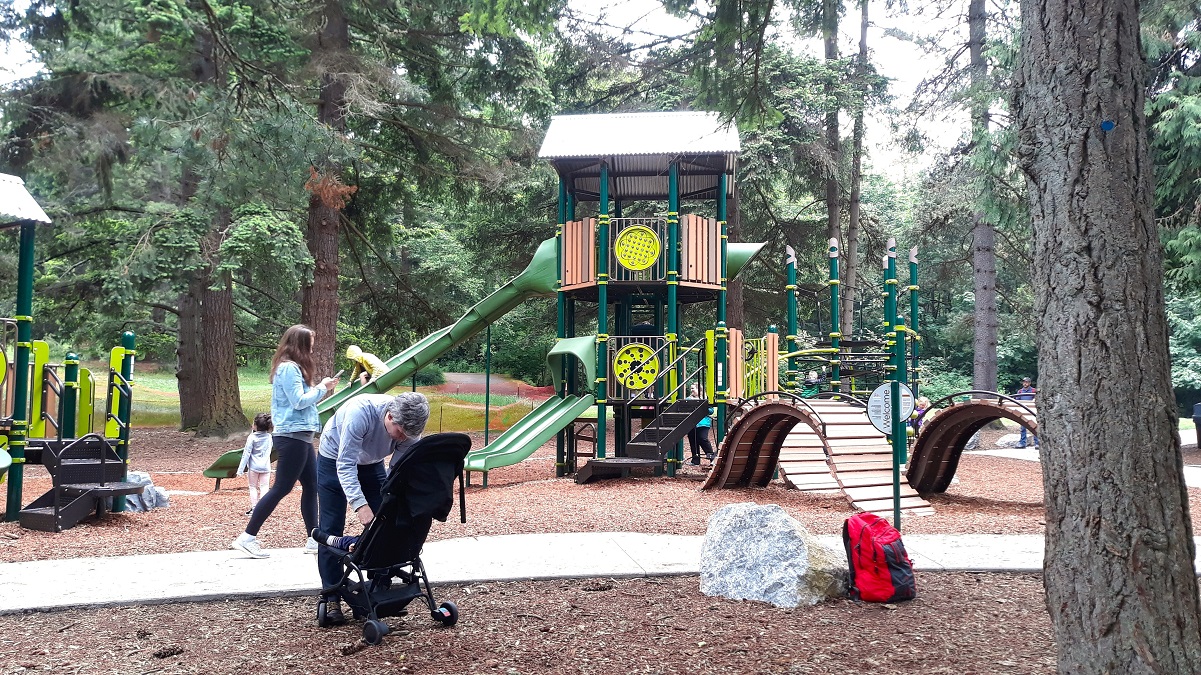
Renovated in 2017, Discovery Park’s playground provides many opportunities for nature-inspired play. A multilevel climbing structure gives kids the sense that they’re in the tree canopy, while tunnel-like archways below offer spaces to crawl over and through.
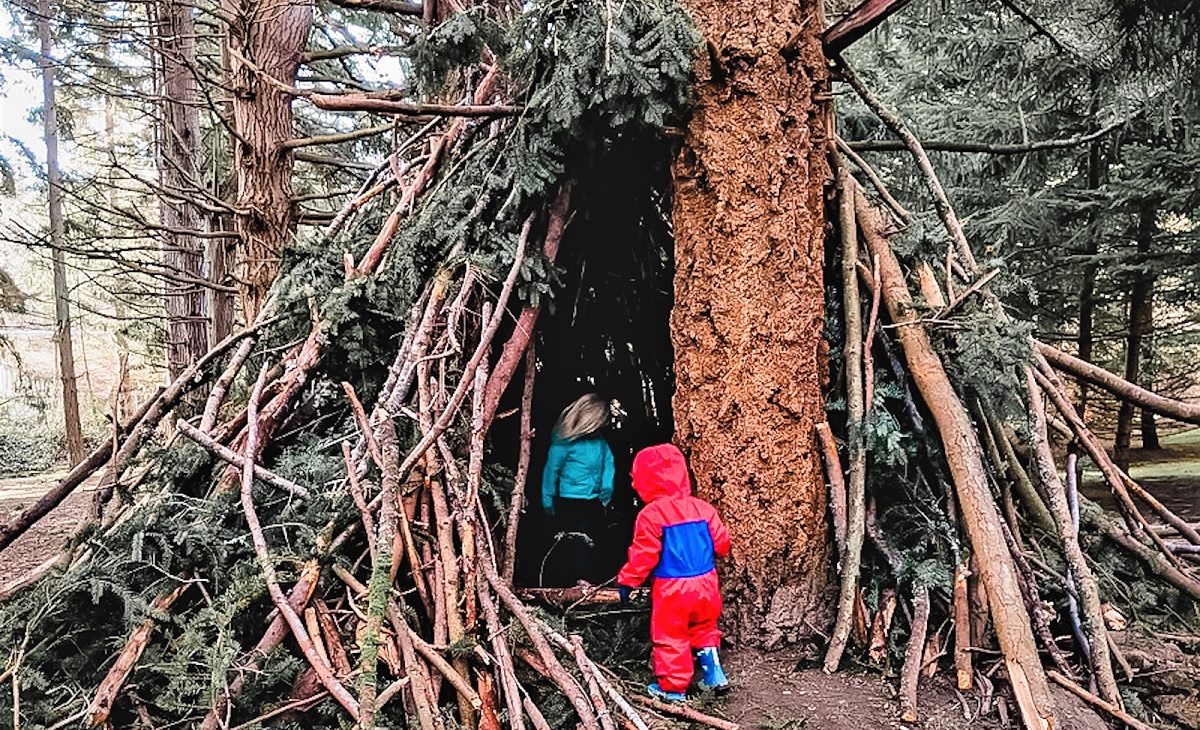
After a dozen flights on the zip line, my kids often migrate to the trees. While I can never guarantee it, previous playground visitors often leave behind epic forts constructed from fallen branches. If you don’t find one, build your own!
Discovery Park’s excellent Environmental Learning & Visitor Center remains closed as ADA updates are finished. Look for it to reopen this fall. The east parking lot, the one adjacent to the visitor center and closest to the playground, has reopened. Parking is tight on sunny weekends; park along 36th Avenue West if needed (and leave nothing in your car if you do find a spot in the lot — trust us).
Get some sand in your shoes
Puget Sound beaches are known for being rocky rather than sandy, but if you park at Discovery Park’s south parking lot, you can trek to the viewpoint on the bluff and play in some fantastic, honest-to-goodness sand.

With a few toys packed from home and a good bit of distance from the cliff, my kids can play happily while we watch for boats and seals. (Orcas have also been known to make their way past the park.)
Weather tip: There is no real tree cover on the exposed bluff. While a little rain never hurt anyone, we head to another area on windy days to avoid getting sand blown in our faces.
Hit the trails
Of the parks featured in this guide, Discovery Park has the most traditional dirt hiking trails. (There are also paved roads through the park that suit bikes.)
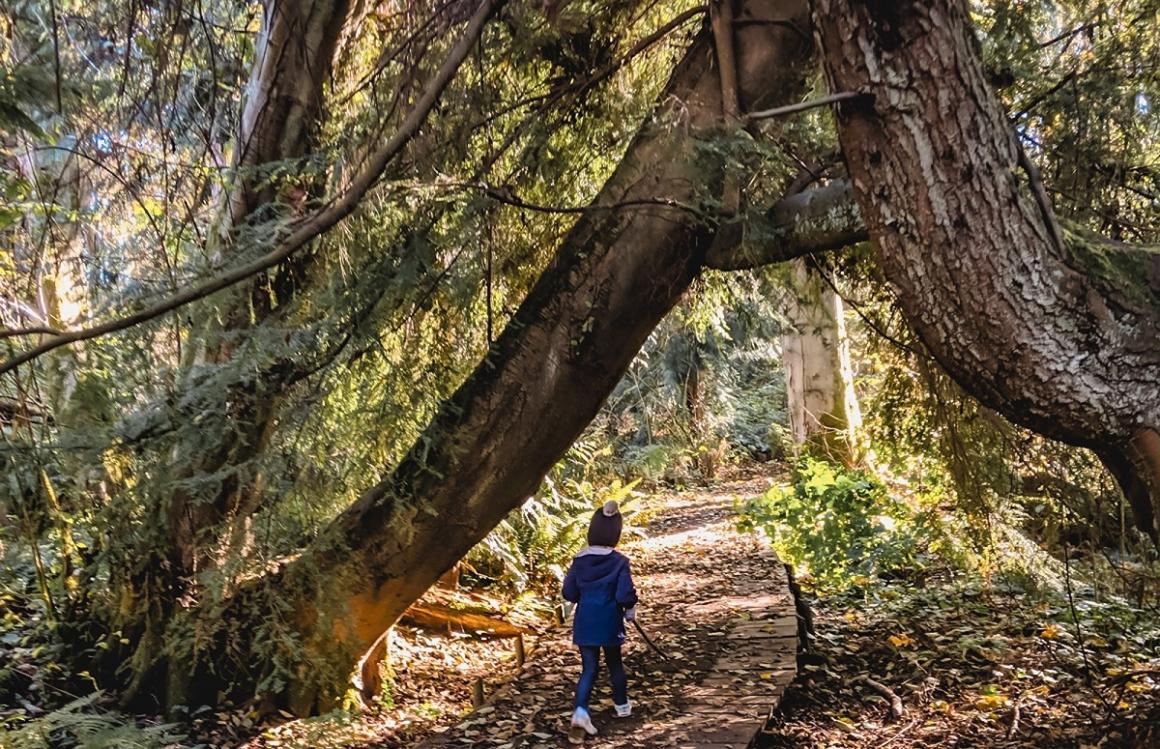
With independent little legs, we head for Wolf Tree Nature Trail. The quarter-mile loop has cute boardwalks and plenty of stops to learn about the local flora and fauna. (Remember: Dogs are not allowed on this particular trail, but they’re allowed elsewhere in the park, on leash.)
If we’re feeling more ambitious, we cobble together some combination of the Loop Trail and North Beach Trail. If you take this approach, make sure you have a map; download one from the Friends of Discovery Park website or use an app like AllTrails. A round-trip hike of about 4 miles takes us by the West Point Lighthouse and the beach, which is currently only accessible on foot or with an ADA placard — once the visitor center reopens, check for the availability of beach parking permits for families of young children.
Search for wildflowers
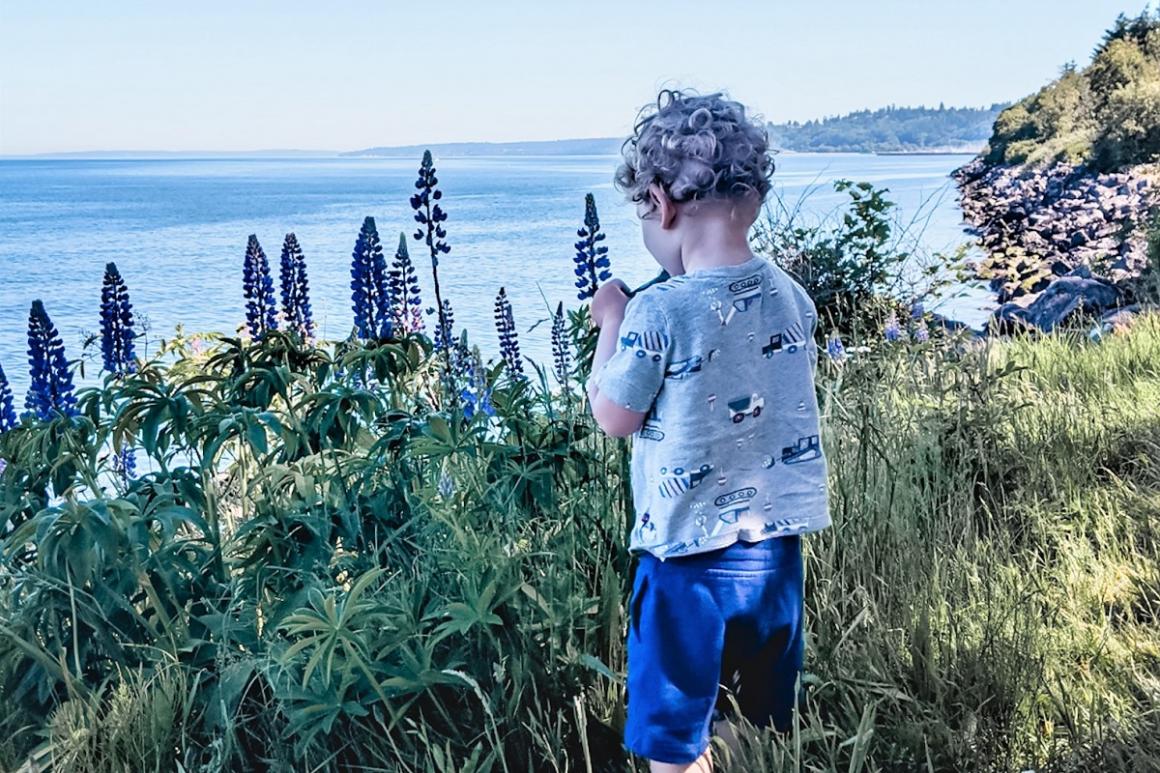
I’m a sucker for a good field of wildflowers. Springtime blooms seem to peak in late May and early June in the meadows of Discovery Park, and I can usually con my toddler into a floral scavenger hunt if I promise him some beach time. In my experience, the North Beach and Hidden Valley trails offer the most variety — we’ve seen wild roses, salmonberries, giant daisies and large patches of purple lupines.
Remember that we share this big backyard with others. Please admire flowers from the path and don’t pick them (I know, it’s tempting); that way, everyone gets a chance to enjoy them.
For more Discovery Park fun, including educational opportunities, check out this tip-packed article.
Next stop: Magnuson Park
Magnuson Park
Find it: Magnuson Park is located at 7400 Sand Point Way N.E. in Seattle (Sand Point neighborhood).
Formerly a naval air station, this 350-acre space is Seattle’s second-largest park. It’s popular with sporty families for the bevy of sports fields and courts spread throughout the park, but every kind of family will find lots to do here as well.
Duck and cover at the Air, Land and Sea playground
Donated by the Junior League of Seattle, the park’s playground is located at the site of the naval base’s control tower. Its history is commemorated through fun touches, such as a sidewalk oriented in the same direction as the former runway (with realistic markings!) and a mosaic depicting nautical themes.
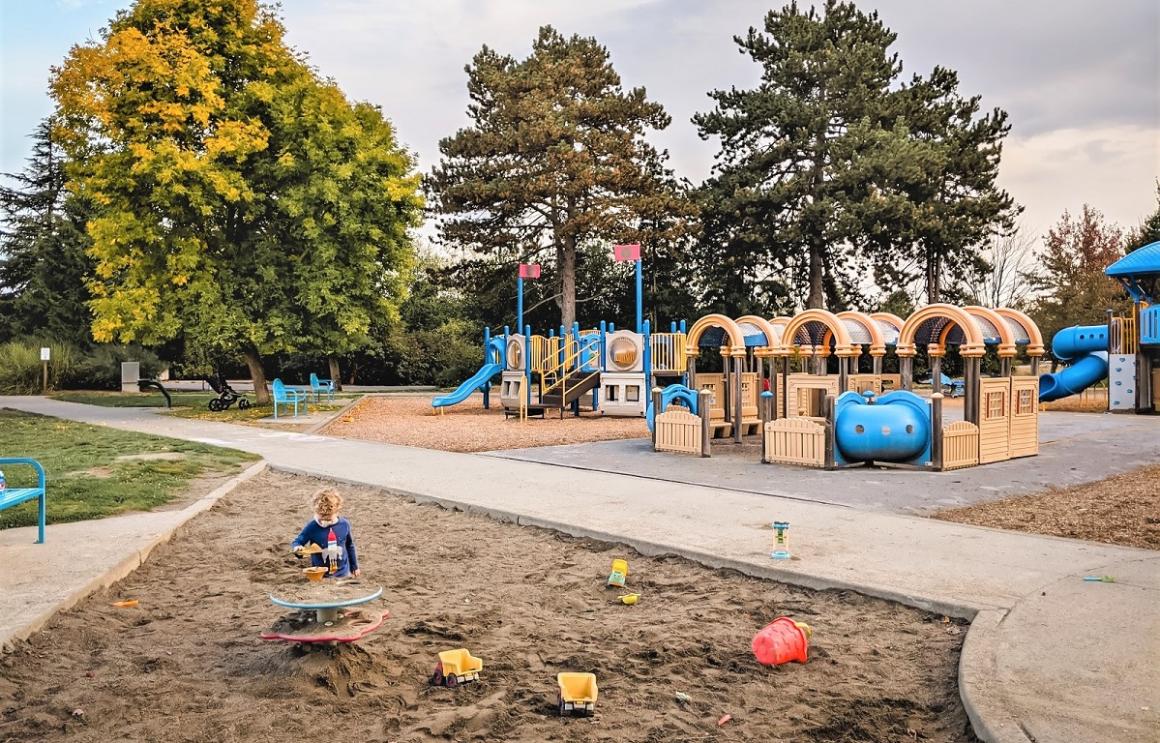
My family loves this spot on a drizzly day. While the playground is not covered, the play structures are spread out with lots of hidey-holes where you can seek shelter from the sprinkles. Sometimes we just embrace the rain and spend our time digging in wet sand. (It makes better sandcastles, anyway!)
A whale of a time at the Magnuson Children’s Garden
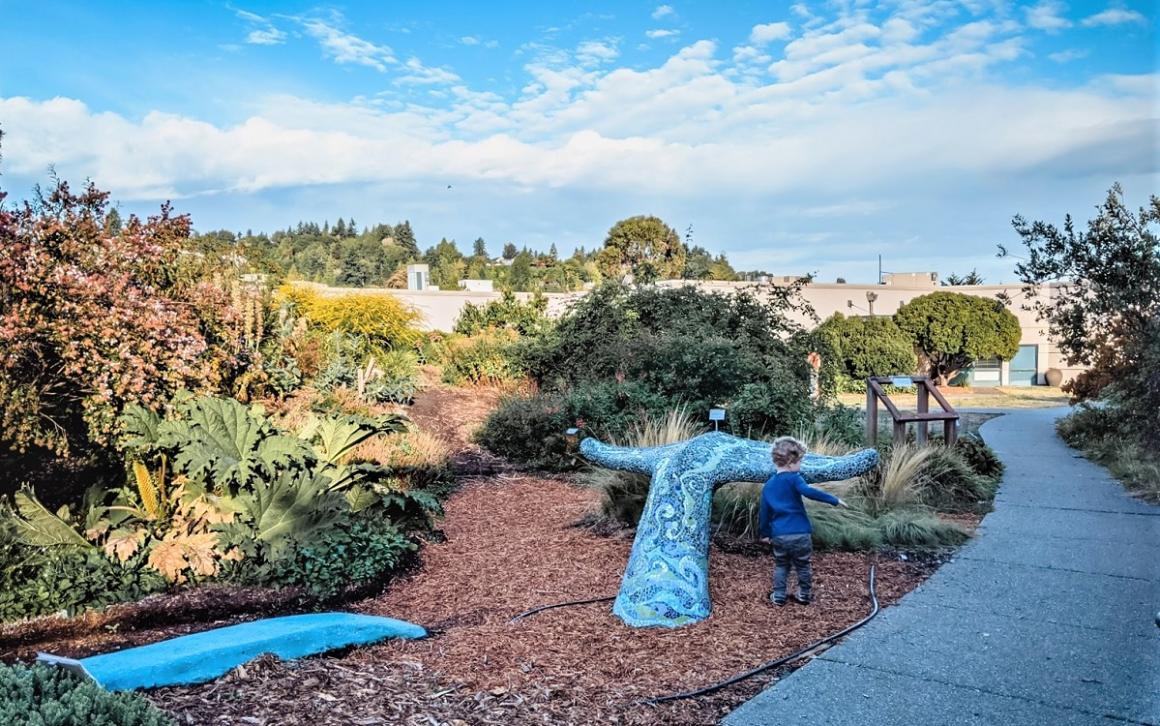
Located just a hop, skip and a jump away from the playground, the Magnuson Children’s Garden offers nature-focused fun. Local children and volunteers dreamed up imaginative features for the garden, such as a mosaic whale’s tail, a stream of ceramic salmon and a lookout point surrounded by painted flags.
Enhance your garden visit by downloading a free Discovery Card with nature activities that highlight some of these features. The card is available in multiple languages, including Lushootseed, the Coast Salish language spoken by the park’s past and present Native stewards, the Duwamish Tribe.
Soar over sculptural orca fins at Kite Hill
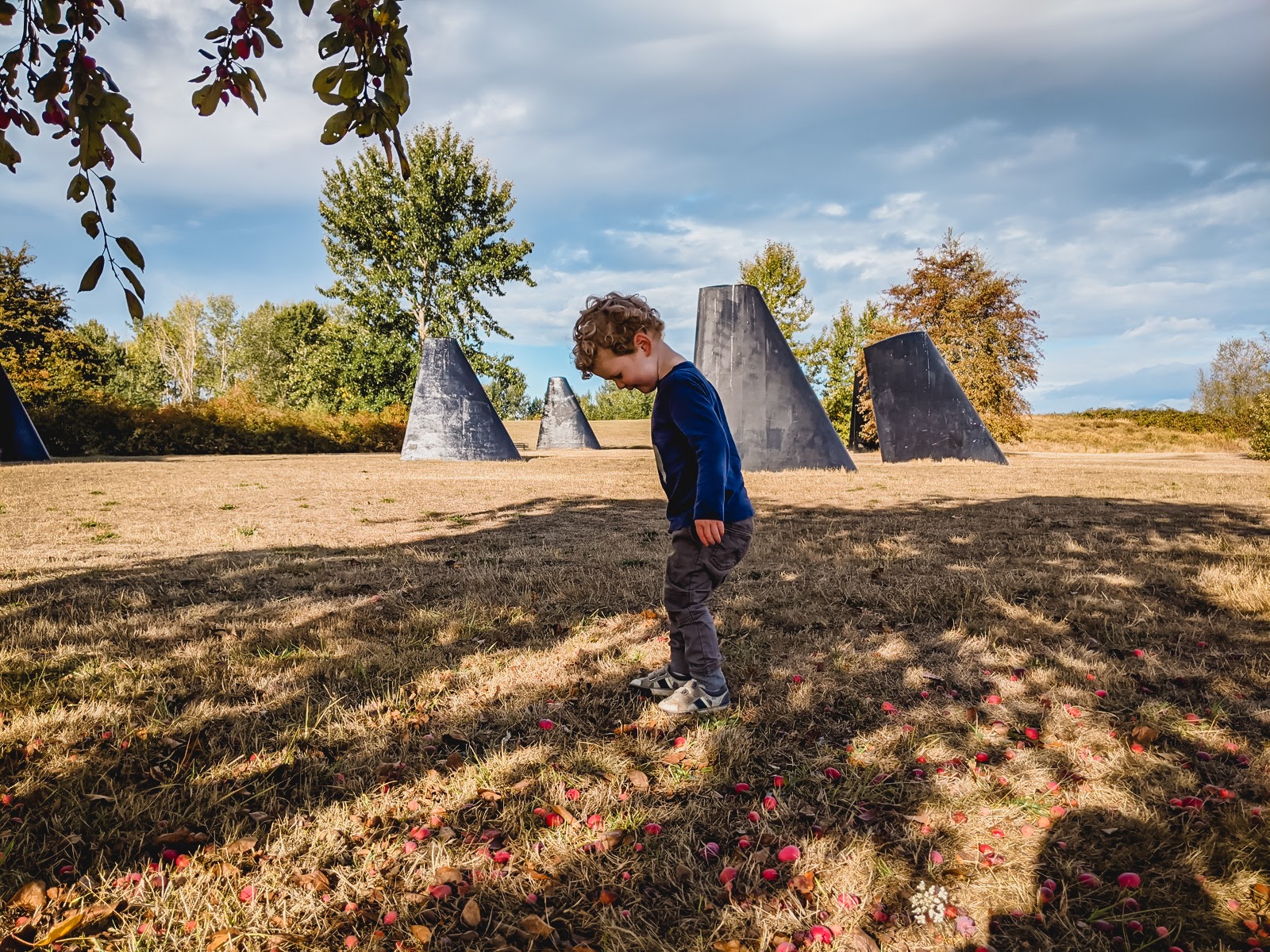
Families can send kites soaring from Kite Hill, 35-foot-high hilltop, which affords spectacular views: Mount Rainier peeks out from clouds in the distance, and the Fin Project art installation rests at the base of the hill.
John T. Young’s monument to peace uses decommissioned submarine fins to represent the dorsal fins of a pod of orcas. My son loved chasing me around the giant structures before sampling a taste of the tart crab apples that grow along the waterfront pathway.
Sail away, sail away
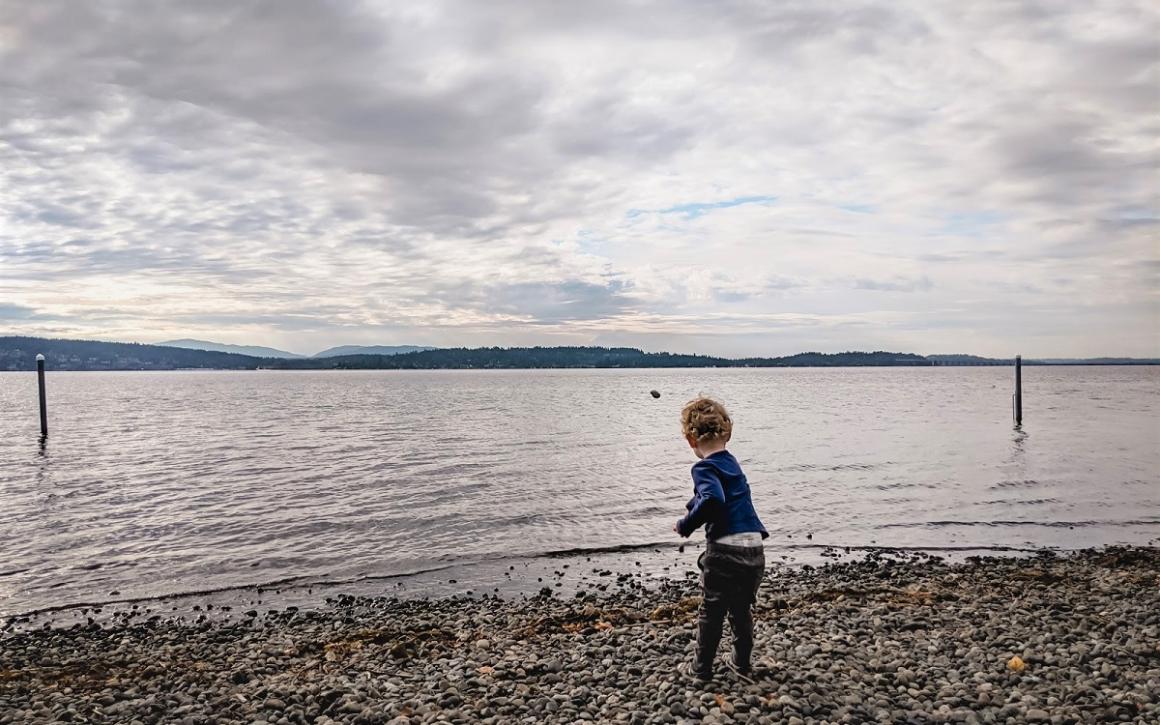
The beach at Magnuson is a beautiful spot for some water play in the summer; there’s even an extension of the off-leash dog area that offers Fido a chance to splash. While lifeguards aren’t on duty the other nine months of the year, it’s peaceful to look out at Mount Rainier while the kids watch the ducks and throw rocks in the water (not in the vicinity of the ducks, naturally!).
The Magnuson boat launch is one of the best (and most popular) in Seattle. It features four lanes — two for boat launches and two for retrievals — and plenty of open space in the parking lot to take down sailboat masts without blocking traffic.
Next stop: Marymoor Park
Marymoor Park
Find it: Marymoor Park is located at 6046 W. Lake Sammamish Parkway N.E. in Redmond.
King County’s oldest and largest park has attracted visitors for millennia. Native Americans, likely from eastern Washington, fished and hunted along the Sammamish River some 6,000 years ago, and members of the Duwamish Tribe camped on the riverbanks before a series of settlers built homesteads on the land.
With 640 acres to explore, Marymoor Park offers some truly unique recreational opportunities.
Tip: Be sure to bring quarters or small bills for the parking machines ($1 per day), or stop by the kiosk in Lot K, which offers an option for credit cards.
Three play areas for your playground-loving kids
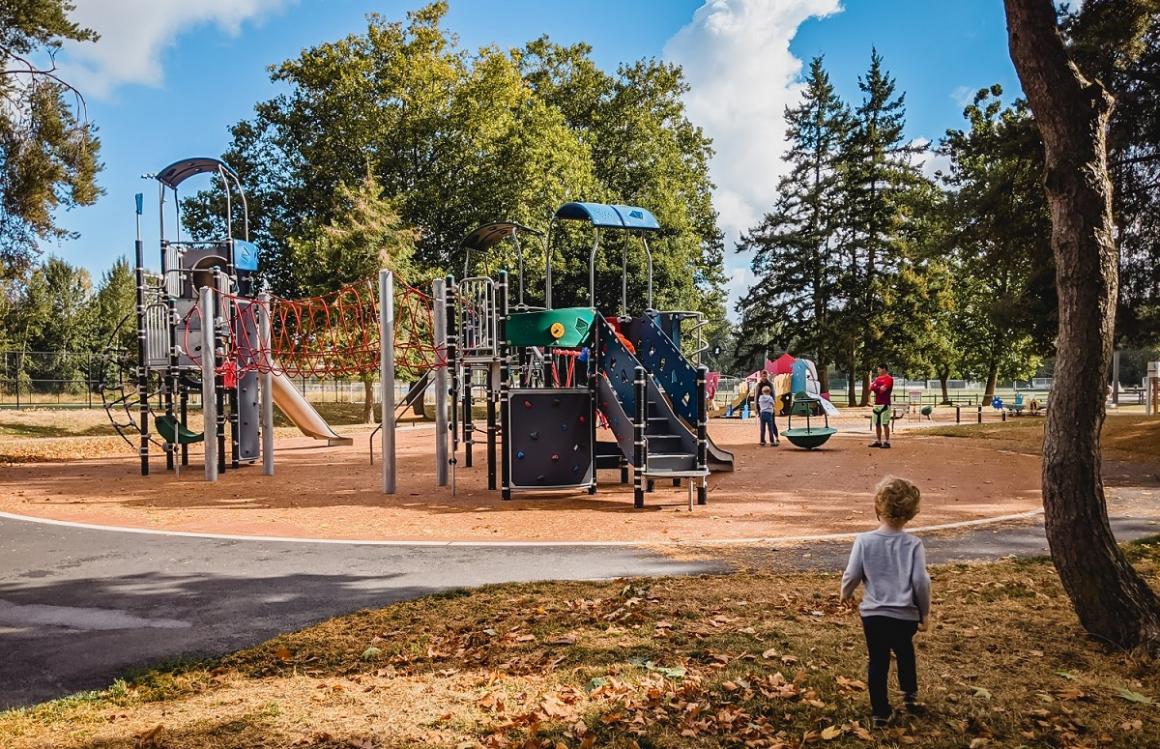
You could practically hold a playground scavenger hunt at this park (or at least that’s how I frame it for my son). The newest play area near the concert venue features a fun zip-line swing and a balance-focused obstacle course. Head over to Lot K for the largest play space (and family restrooms with a changing table).
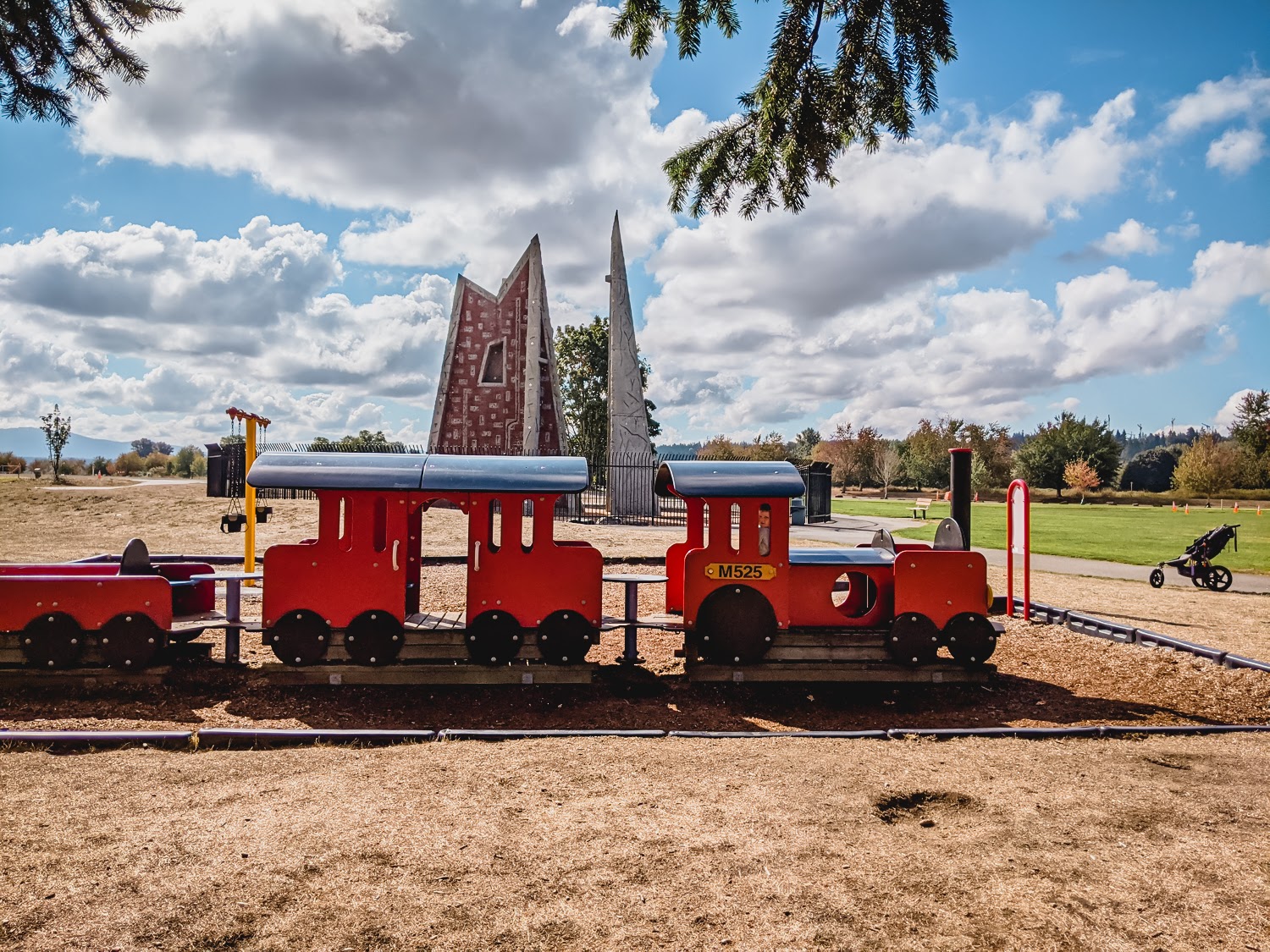
Our surprising “people’s choice”? The wooden train structure near the giant climbing wall! My son played on the simple train for nearly an hour on a recent visit — talk about a little engine that could!
A river runs through it (and so does my toddler)
The Sammamish River flows along the western border of the park, providing a home for many animals and a scenic walk for dogs and families. Little legs can manage the Audubon BirdLoop, which winds under tree canopies and along the river’s edge. My son loved running along the flat boardwalk before hopping back into our all-terrain stroller when the trail intersected with the off-leash dog park.
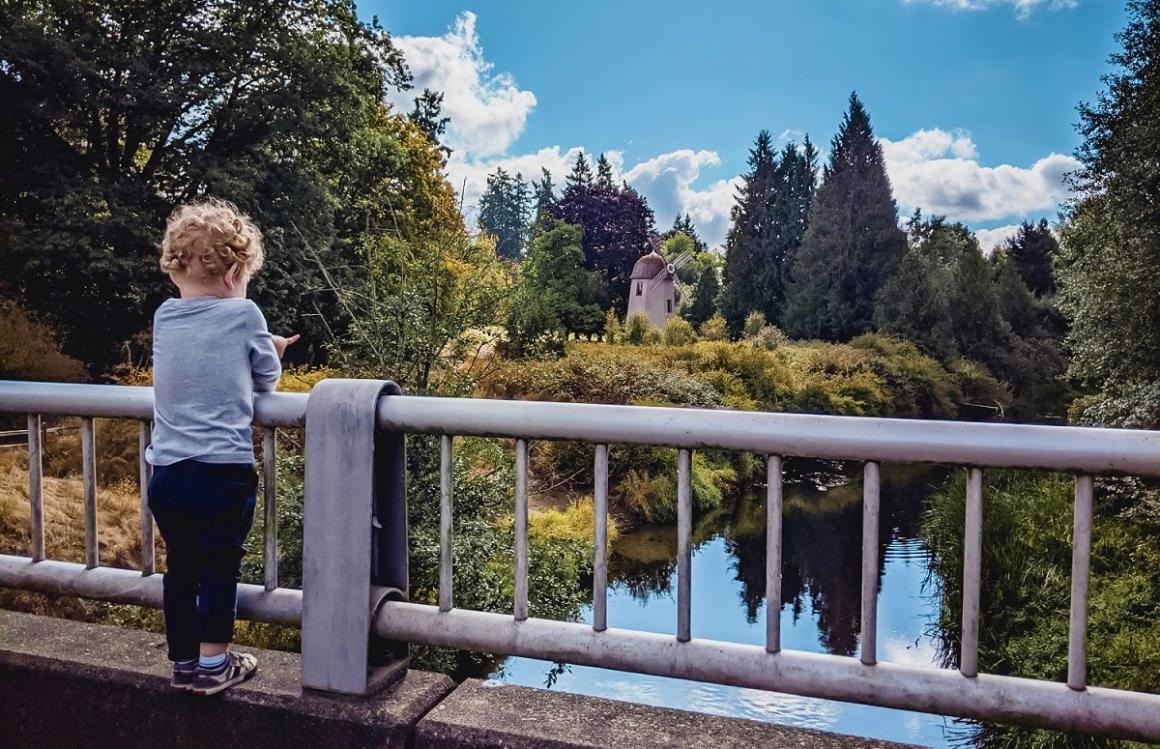
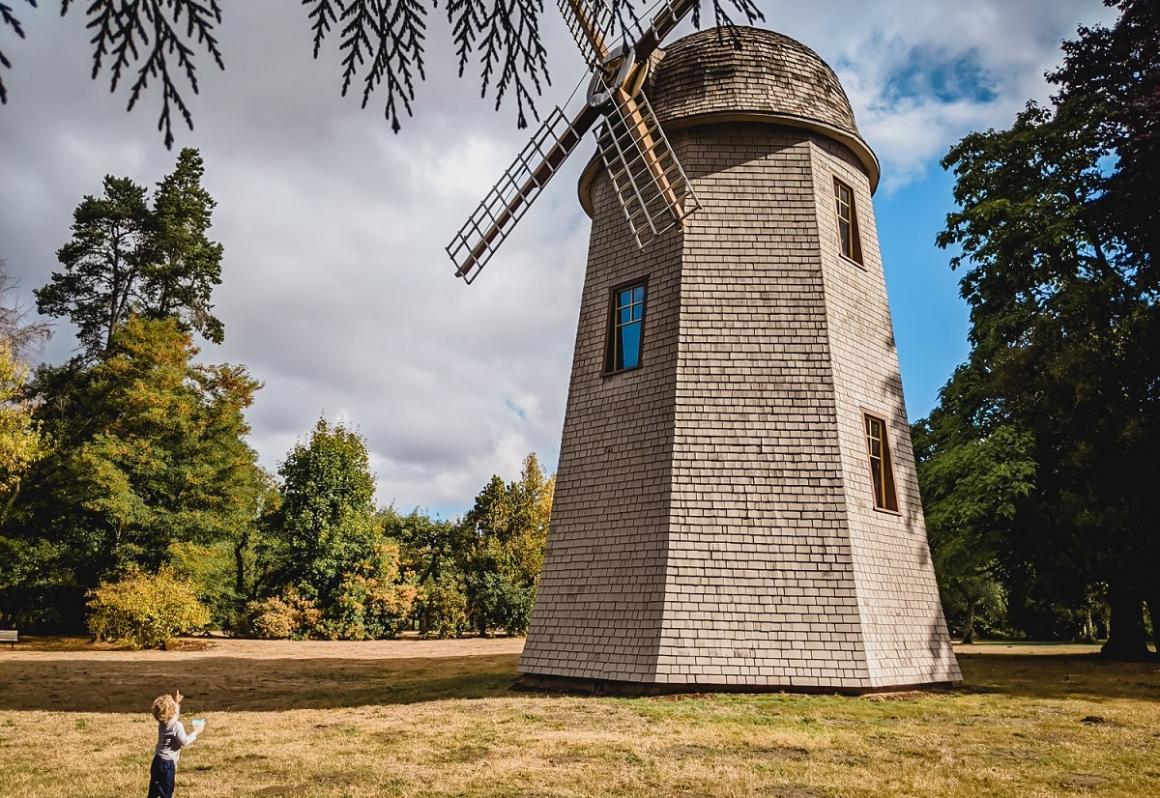
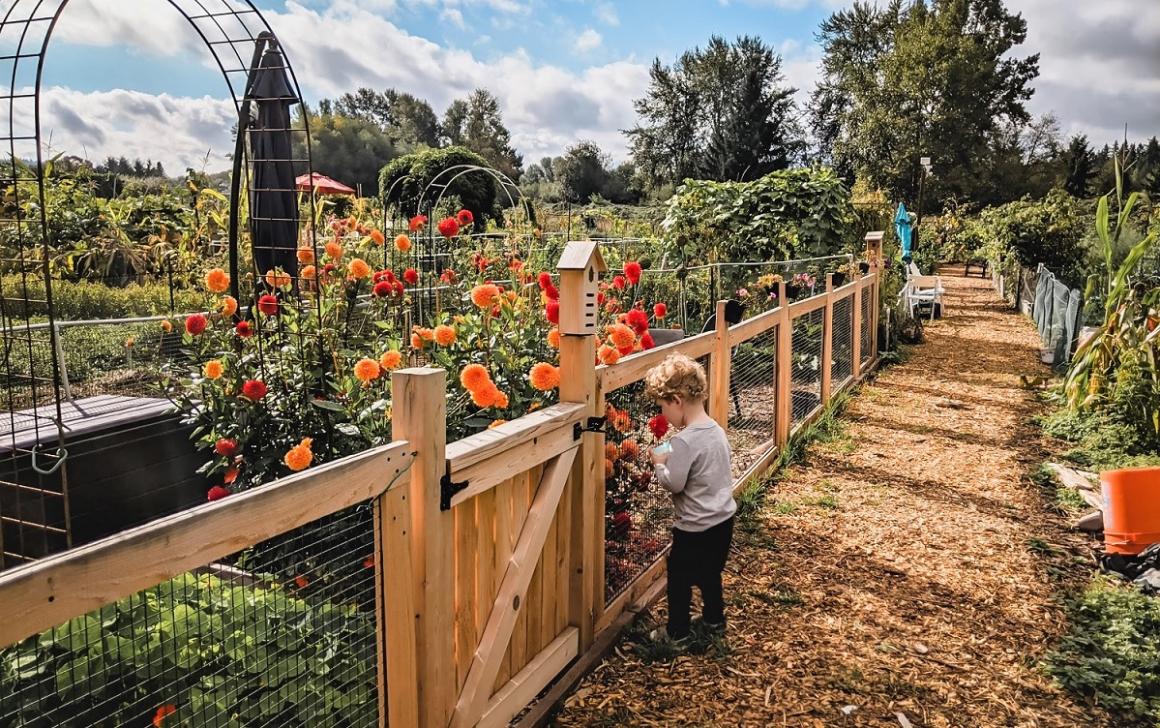
On our most recent visit to the park, we took a detour to the larger-than-life community garden before continuing along the river toward the Clise family’s passion project: a Dutch-style windmill. After a particularly memorable visit to the Netherlands, the former owner of the Marymoor property built the — decorative, but operable — windmill. One of the best views of the windmill is from the bridge over Northeast Marymoor Way, where you may also spot salmon returning to spawn in the fall.
Watch radio-controlled aircraft take flight
The Marymoor Radio Control Club (MAR/C) manages the RC airfield in Marymoor Park. Its 300 members can fly aircraft from 8 a.m. to dusk, so your chances of spotting a plane close-up are pretty good, especially in the summer.
Take a victory lap at the velodrome
Cycling enthusiasts will love watching a track race at the Jerry Baker Memorial Velodrome in summer; the season typically runs from May through August. Cyclists of all ages can use the facility when there are no events on the velodrome’s calendar, but track bikes (which have no brakes — watch out!) have priority.
Kids ages 9–16 who already know how to ride a bike can participate in a week of Camp Velo. This summer program teaches students how to safely ride and race track bikes.
Younger kids can head to the track for a “Kiddie Kilo.” Held on first and third Fridays during the summertime Friday Night Races series, kids as young as 2 take a lap around the track with their own helmet and wheels. The best part? The event ends by 8 p.m., so you won’t have to postpone bedtime for too long.
Next stop: Chambers Bay
Chambers Creek Regional Park
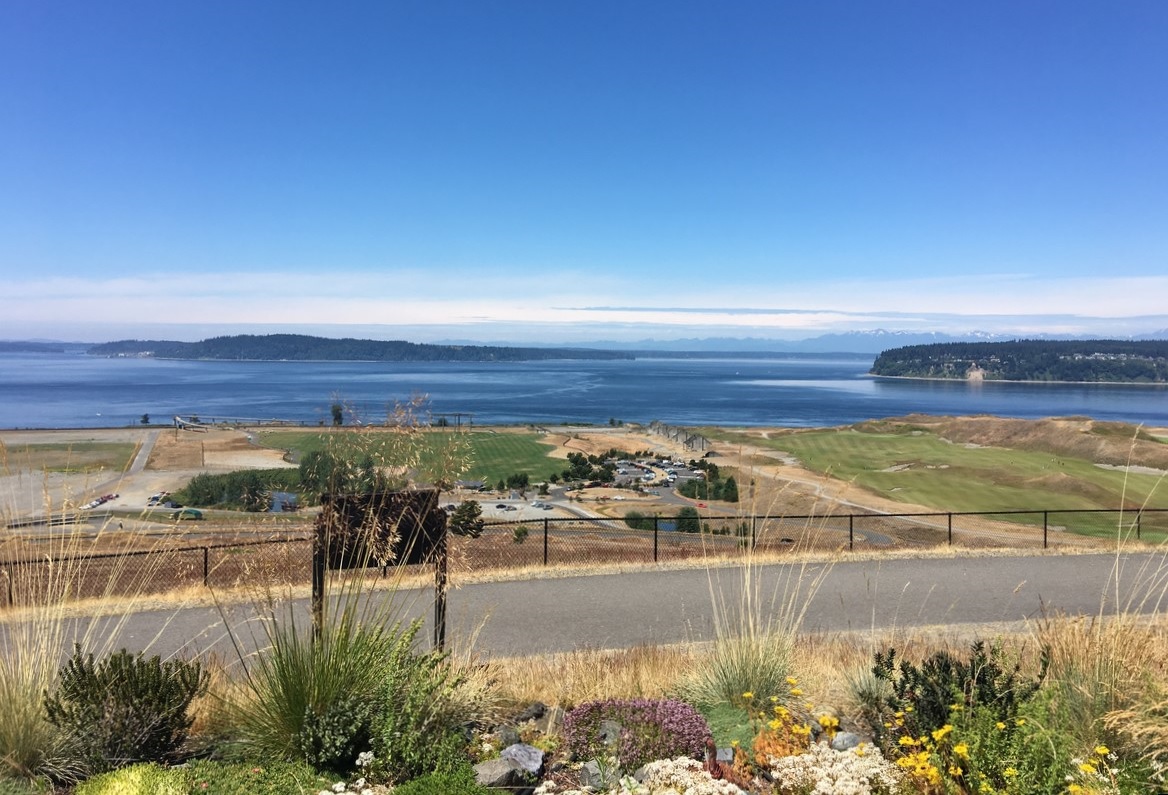
Find it: Chambers Creek Regional Park is located at 6320 Grandview Drive W. in University Place, just south of Tacoma.
Locals commonly refer to this park as Chambers Bay, after the golf course that hosted the 2015 U.S. Open, but its 930 acres offer so much more than 18 holes.
Cross a kid-size Galloping Gertie
Enjoy the water views and the local flair that decorates the wooden Playground by the Sound on the northern end of the park. Orcas leap through the toddler area near a lighthouse and crab shack. Big kids can cross a bridge bearing the nickname for the Tacoma Narrows bridge, “Galloping Gertie,” before descending through an obstacle course watched over by an octopus named Stanley.
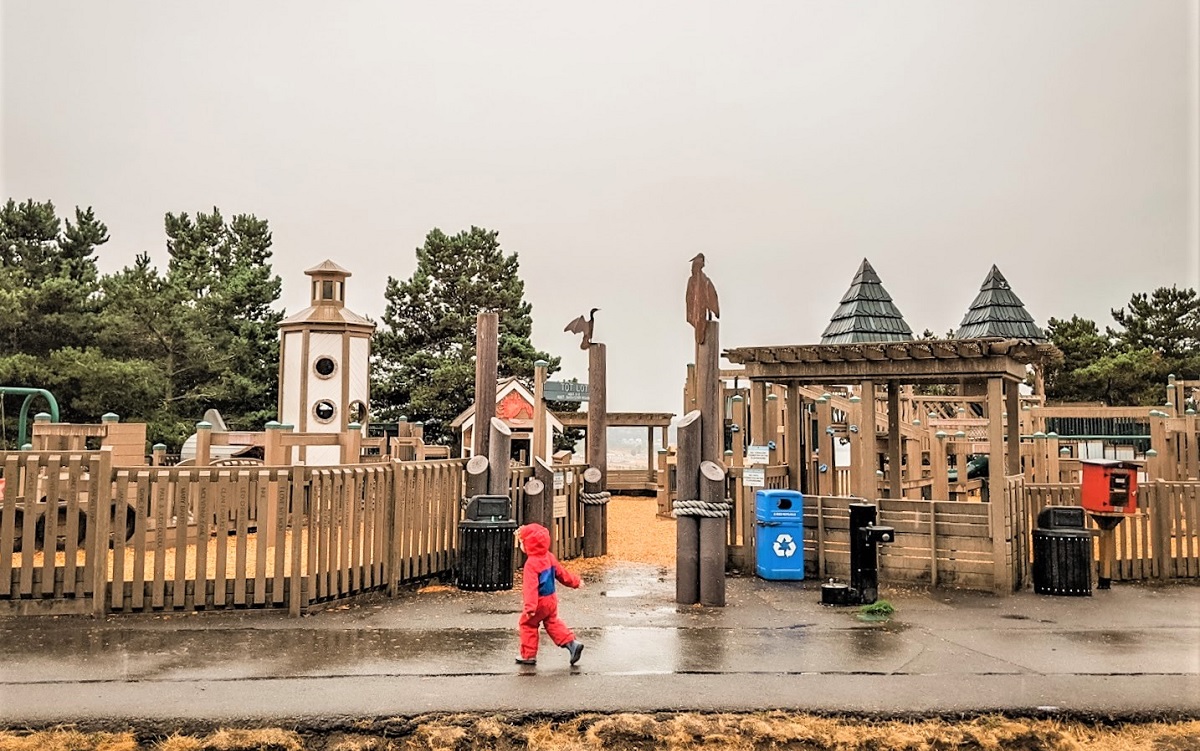
The playground is surrounded by a wooden fence, so you don’t have to worry about runners, but keep in mind that strollers and pets aren’t permitted inside the play area. I like to park near the playground before taking the Soundview Trail down to the Central Meadow area to extend our play. It’s 2 miles each way and a bit steep, but the paved path is stroller-friendly.
Fly a kite
Catch a sea breeze with your kite in the open skies surrounding Chambers Creek’s central meadow. Any windy day will do the trick, but in summertime, check the Pierce County Parks website for a kite festival and additional kite-flying days, when kids can learn from more experienced fliers. There’s even access to food trucks as well as special activities for kids on select dates.
Cross that bridge when you come to it
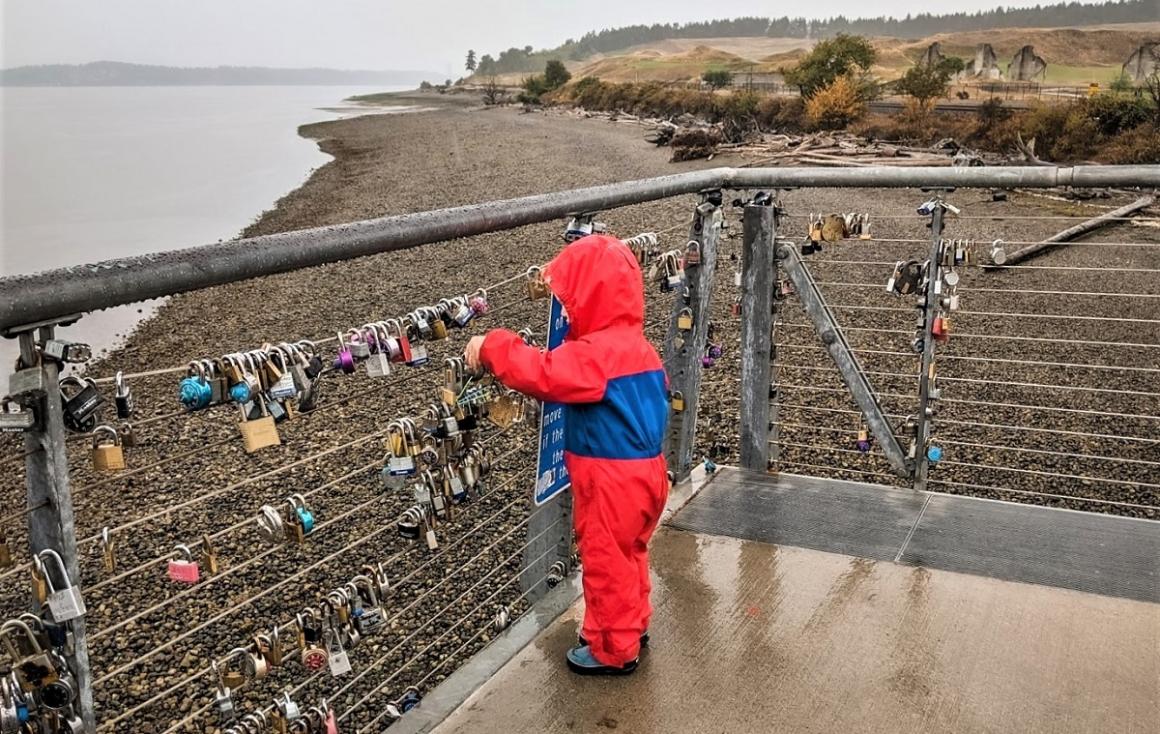
The beautiful pedestrian bridge provides an excellent viewpoint for your little engineer to watch trains as you walk over to the beach. Herons and seals frequent the area, which was once a fishing village for the Steilacoom Tribe, and the rocky coastline is the perfect place for spotting wildlife.
As you head back to the meadow, admire the padlocks placed on the bridge’s rails by couples commemorating their everlasting love.
Climb and play around not-so-ancient ruins
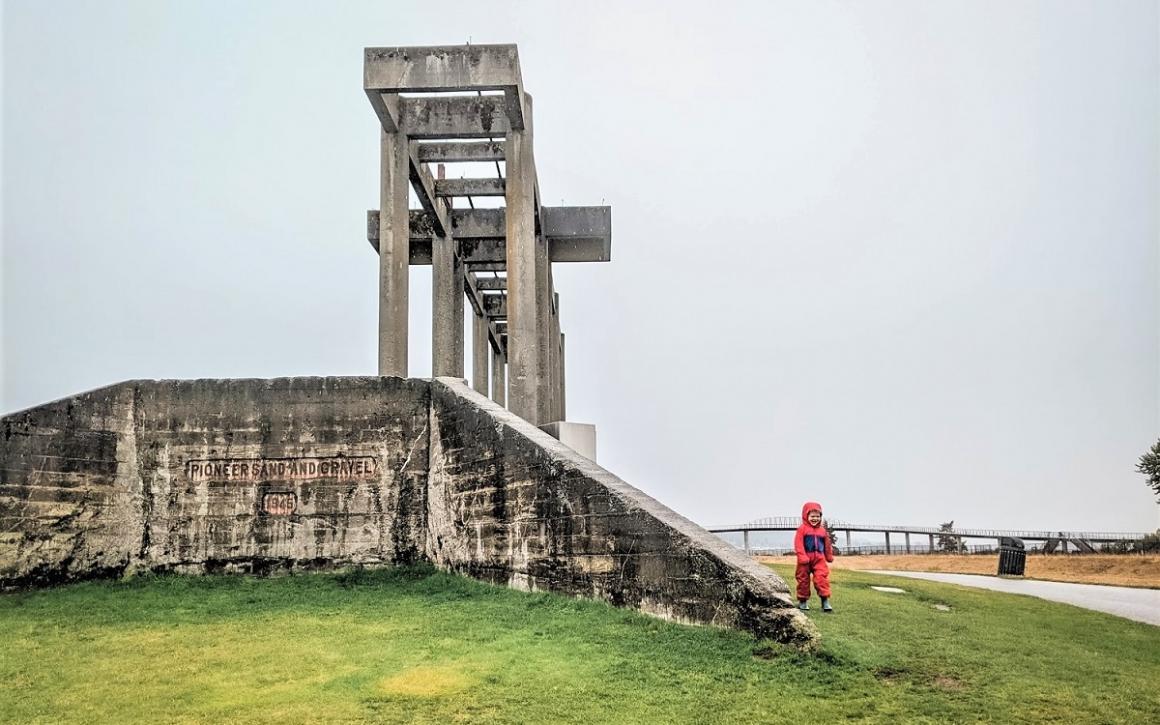
Gravel mined from the park once supported the building of Fort Worden, Fort Flagler and Fort Casey, and mining operations didn’t cease until 2003. Remnants of the former mining facilities provide a striking architectural element, but my kids think they’re best used for games of hide-and-seek.
My tips for your big-park outing …
- Most of the parks offer paved or gravel trails that are wheel-friendly. (Discovery Park has more traditional hiking trails.) Consider a jogging stroller or carrier if you’re planning to tour the whole park and have young kids in tow. We often walk 2–5 miles on a visit, and the right gear makes this possible.
- Save the best for last! I like to take my young kids for a walk first before revealing that we’ve magically parked just out of sight of the play area — sure to result in an instant energy boost!
- Strategize for your “ins and outs.” Unlike your favorite neighborhood park, these urban oases are so big, they aren’t within walking distance of a café, and their restroom facilities are spread out and sometimes basic. Pack a picnic and use bathrooms when you have the opportunity.
More places to play …
Editor’s note: This article was originally published in 2021 and has been updated for 2023.