
 Seattle Family Calendar
 Subscribe

We all know we should be using sunscreen. But which one? A walk down the aisle of any store will show a wide variety of sprays, sticks and lotions meant to protect skin from sun damage. But which ones are most effective? Best for playing in the water? And most importantly, which sunscreens are safe to slather all over our children?
Plus, these days even if you have time to read through the microscopic list of ingredients on the labels, it’s hard to know which ones are safe and effective without a chemistry degree.
The Environmental Working Group (EWG) has come out with its 2025 sunscreen guide to help families find the best fit for their budget and sunscreen needs. Each sunscreen is rated based on a variety of factors, including the balance of protection from both UVB and UVA rays, sunscreen stability, transparency of ingredients, and whether or not they include ingredients on EWG’s “unacceptable” list — ingredients that may be hazardous to your health.
What is SPF and what number is best?
Sunscreens work by absorbing and reflecting ultraviolet (UV) radiation, which reduces the amount of sunlight hitting the skin.
One of the first things you see on a sunscreen product is the sun protection factor (SPF). SPF is a measure of how long you should be able to stay in the sun without burning. For example, if you would normally burn in 10 minutes, a sunscreen with an SPF of 15 would theoretically keep you from burning for 150 minutes. However, that is only in theory. Studies show that most people use only one-fourth to one-third of the recommended amount of sunscreen.
Other real-life factors come into play when calculating SPF, such as sunscreen coming off when you sweat, swim or even towel off after getting out of the water. You know, all of the things you do while staying cool in the summer.
Higher SPF numbers aren’t necessarily better either. Products with an SPF over 50 are only slightly better than those rated 50 and below, and these can offer a false sense of security, potentially causing people to stay out in the sun longer.
The SPF number is based primarily on blocking UVB rays that can cause sunburn and some cancers. But UVA rays are also concerning, as they can cause deeper skin damage. Sunscreens that are EWG verified don’t carry an SPF rating of over 50 and protect against a balance of both UVA and UVB rays. Verified products must provide test results even more stringent than those required by the FDA or Europe to prove balanced protection from UVA rays.

Concerning chemicals
The EWG’s rating system also includes whether the sunscreen contains ingredients that have been shown to behave as hormone disruptors, cause allergic reactions, harm the environment or are more readily absorbed into the skin. For example, some countries and Hawaii have banned the use of one of these chemicals — oxybenzone — because it harms marine life. If you’ve traveled to Hawaii recently, you will have seen signs prohibiting the use of sunscreen with this ingredient. But oxybenzone has also been shown to cause allergic reactions and is a potential hormone disruptor in humans. You can read more about the other chemicals on the EWG’s “unacceptable” list.
These chemicals are concerning because they are absorbed into our bodies through the skin. Studies have shown the presence of some sunscreen ingredients in blood, breastmilk and urine, sometimes even weeks after sunscreen was used. This is even more worrisome when it comes to children, who are more vulnerable to chemicals.
Sunscreen sprays and powders are also excluded from the EWG verified label. These are not considered safe because of the potential for inhaling the sunscreen ingredients.
Sun protection beyond sunscreen
Once you’ve found a safe and effective sunscreen, consider these steps to help protect your family from sun damage:
- Experts recommend that you apply sunscreen 15–30 minutes before going outside, use at least one ounce (about a palmful) and reapply every two hours — sooner if you are sweating or swimming.
- Don’t rely on sunscreen as your skin’s only defense. Cover up with clothing and hats when possible. Take breaks in the shade.
- Try to get outside in the early morning or afternoon. Midday is when the sun’s UV rays are at their strongest. Also, be sure to take into account where you are recreating, higher altitudes and reflective surfaces like water increase UV exposure. Check the UV index on your phone (usually with the weather app) to get an idea of when to go out.
- Avoid using spray sunscreen to avoid inhalation or incomplete coverage. If you do use sprays, spray the product into the hands and then apply to the skin.
- Avoid using sunscreen/bug spray combos.
- If you will be swimming or playing in water, use a product labeled as providing 80 minutes of water resistance.
- The American Academy of Pediatrics recommends not using sunscreen on babies younger than 6 months old. If you can’t find shade or cover for your baby, apply sunscreen on small areas of the body.
- Most importantly, the best sunscreen is the one you use.
Best budget-friendly sunscreens
These EWG-verified sunscreens are all less than or around $20:
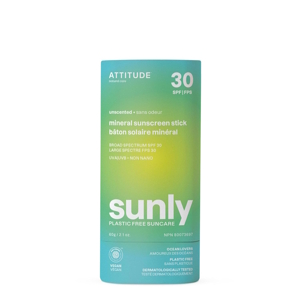
Attitude Sunly Mineral Sunscreen Stick, unscented, SPF 30, available on Amazon, $21.99
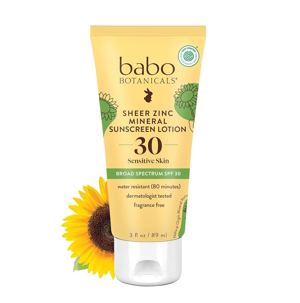
Babo Botanicals Sheer Zinc Mineral Sunscreen Lotion, SPF 30, available on Amazon, $18
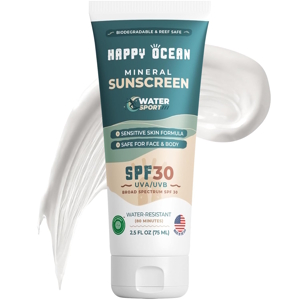
Happy Ocean Water Sport Mineral Sunscreen Lotion, SPF 30, available on Amazon, $20.30
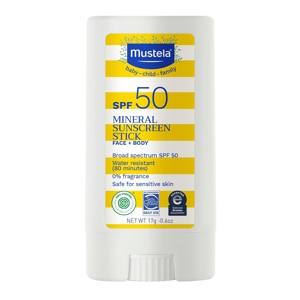
Mustela Mineral Sunscreen Stick, Face and Body, SPF 50, available on Amazon, $12.99
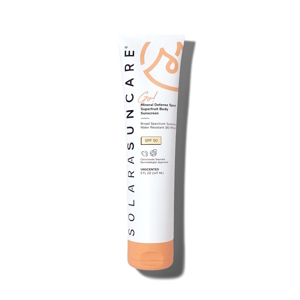
Solara Suncare Go! Mineral Defense Sport Superfruit Body Sunscreen Lotion, SPF 50, available from Amazon, $19.99
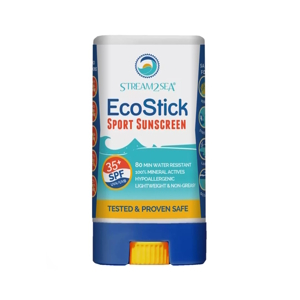
Stream2Sea EcoStick Sport Sunscreen Stick, SPF 35-plus, available on Amazon, $14.45
Thinksport Clear Zinc Sunscreen Lotion, SPF 50, available on Amazon, $16.89
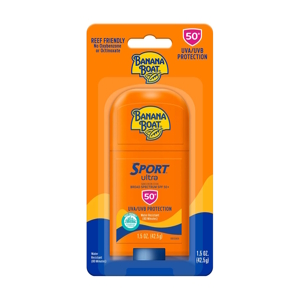
Banana Boat Sport Sunscreen Stick, SPF 50-plus, available on Amazon, $16.46
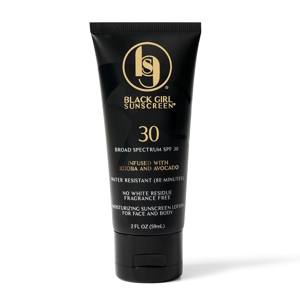
Black Girl Sunscreen Lotion, SPF 30, available on Amazon, $9.49
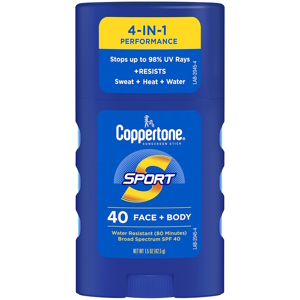
Coppertone Sport Sunscreen Stick, SPF 40, available on Amazon, $6.26
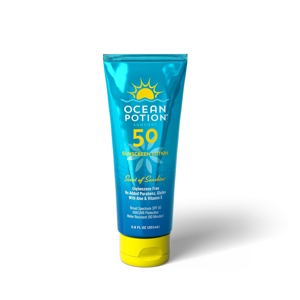
Ocean Potion Broad Spectrum Suncare Sunscreen Lotion, SPF 50, available on Amazon, $12.98
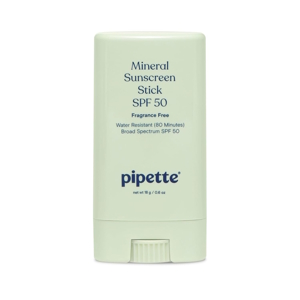
Pipette Mineral Sunscreen, SPF 50, available on Amazon, $18.99
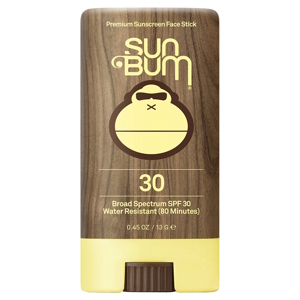
Sun Bum Sunscreen Face Stick, SPF 30, available on Amazon, $12.48
More ways to have (safe) fun in the sun:
Editor’s note: Listed pricing is current as of publication but subject to change. This article contains affiliate links. If you purchase products through links on our site, ParentMap may earn an affiliate commission.