 Seattle Family Calendar
 Subscribe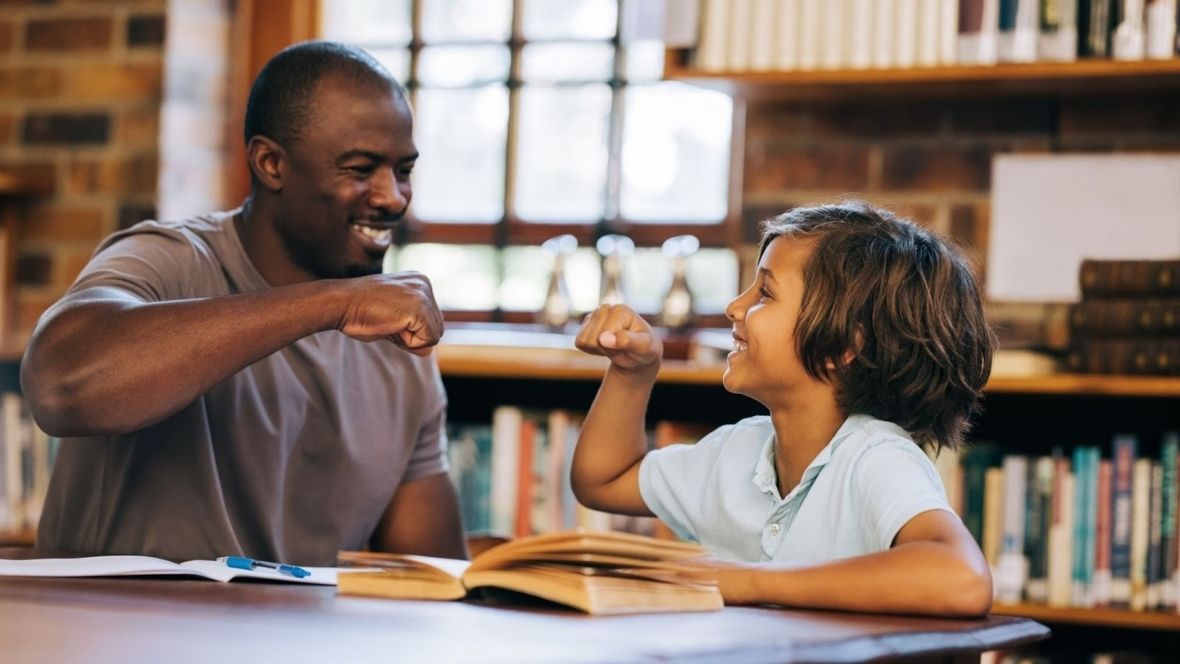

Key takeaways:
- Relationships with trusted adults help prevent child abuse. Research shows that kids who feel safe talking to parents and other trusted adults are less vulnerable to grooming, manipulation and online exploitation.
- Teaching kids to speak up is important to their safety. When children understand boundaries, trust their instincts and have honest reactions, they are more likely to report uncomfortable situations and interactions.
-
Building a network of safe adults protects kids. Child safety experts recommend helping kids identify several trusted adults they can turn to if they need help.
Keeping children safe is one of the most important roles adults play. Today’s kids face risks that extend far beyond their neighborhood or school. With more time spent online, greater exposure to strangers through social media and gaming platforms, and growing mental health stressors, protection can’t rely on rules and monitoring alone. What truly helps keep children safe is connection.
Prevention science shows that children who feel safe talking to adults, who are encouraged to use their voice, and who know how to identify trusted people in their lives are less vulnerable to manipulation, grooming and exploitation. This “protection connection” is built through relationships — not fear — and strengthened when kids know they are not alone.
Why connection protects children
Children who trust the adults in their lives are more likely to ask questions when something feels confusing, share when something feels uncomfortable and seek help when they are unsure or scared.
Predators and groomers look for the opposite: isolation, secrecy, unmet emotional needs and silence. They often present themselves as the one person who “understands” the child. A child who has strong relationships with safe adults is harder to isolate or control.
Connection works as prevention by building emotional safety and creating multiple paths to help. It means creating an environment where a child knows, “If something happens, I have people I can talk to.”
Barriers to building connection
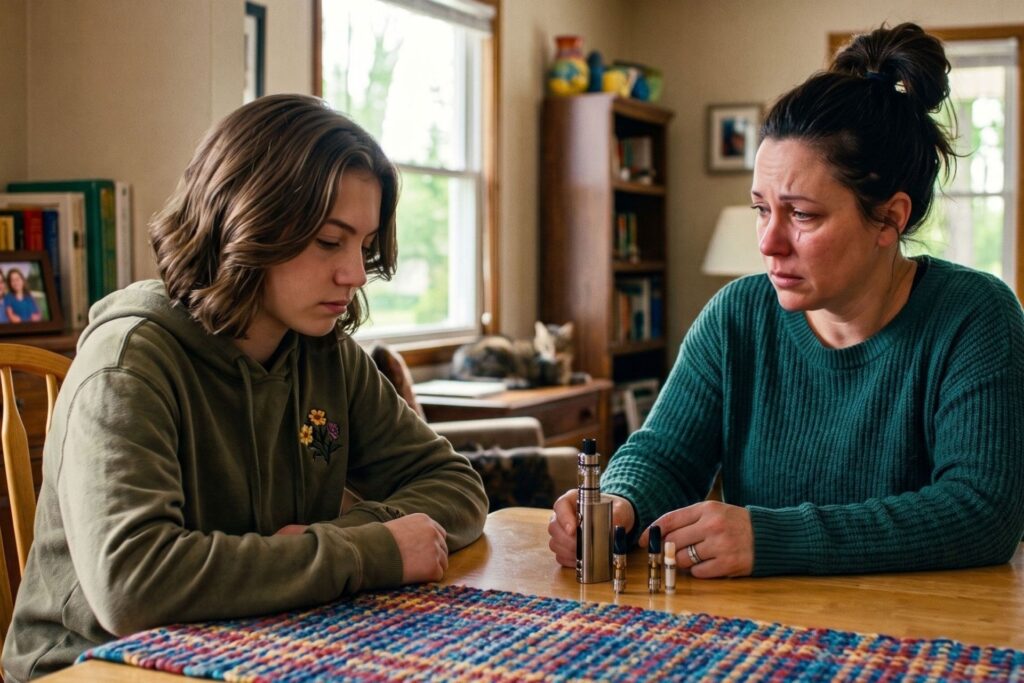
Some children face additional challenges. Experiences such as trauma, abuse, neglect, family instability or housing insecurity can make it harder to trust adults or speak up, especially if a child fears getting in trouble for telling the truth or is unsure of how adults will respond. These children may be more vulnerable to someone who offers attention, affection or understanding.
This is why prevention must be relationship-based, not just rule-based. When adults rely only on control or warnings, children may learn how to hide concerns instead of how to reach out. Connection teaches something different: that kids’ feelings matter, their voice matters, and they will be supported when they speak up.
How the digital world changes risk
Today, children and teens build friendships online as easily as they do in person. While technology can be positive, it also allows strangers to reach kids in ways that feel normal and private. Grooming often begins as conversation, compliments, shared secrets or sympathy.
The scale of this risk is growing rapidly. The National Center for Missing & Exploited Children reports that online enticement increased more than 300 percent between 2021 and 2023, with over 186,800 reports in 2023 alone. In 2024, through early October, NCMEC had already received over 456,000 reports of online enticement. These numbers underscore how common exploitative approaches have become for children and teens.
Moving from warning to partnership
Instead of only cautioning “Be careful online,” adults can help by talking to kids about how people may not be who they claim to be online, normalizing coming to an adult with screenshots or messages, and teaching kids that secrecy is a red flag — not something to seek or trust.
The goal is not surveillance. It is partnership. When kids understand risks and feel supported, they are more likely to slow down, think critically and reach out.
In some families or cultures, children are taught not to question adults or to stay quiet about uncomfortable topics. While respect is important, silence can be dangerous. Children need to know they can say no, change their mind, tell an adult even if someone said not to, and be believed and supported.
Helping kids use their voices
One of the most protective lessons we can give children is that their body, feelings and safety matter — even when cultural or generational expectations tell them to stay quiet or compliant.
Reading books about boundaries, role-playing scenarios (“What would you do if…?”), and practicing how to ask for help all make it easier for kids to use their voice when it matters most.
Simple ways to build a network of safe adults
Protection does not require special training. It requires intentional connection. That connection can be built in simple, everyday ways:
- Start conversations early. Talk about bodies, boundaries and safety using age-appropriate language.
- Create emotional safety. Let children know they will not get in trouble for telling the truth, even if they made a mistake.
- Identify safe adults together. Help children name three to five trusted adults they could talk to when they need help or support.
- Talk about online relationships. Ask who they’re talking to and what they enjoy about those interactions.
- Watch for changes. Notice withdrawal, secrecy, fearfulness or sudden mood shifts.
- Model help-seeking. Normalize asking for help by doing it yourself.
Protection takes a community
Not every child has a consistent parent in their life. Some live with grandparents, relatives, foster families or experience housing instability. That makes community even more important. Schools, religious institutions, youth programs and neighbors all play a role in building a protective web around children.
The Centers for Disease Control and Prevention identifies safe, stable and nurturing relationships as key factors in preventing abuse and exploitation. These protective relationships buffer stress, reduce vulnerability and increase the likelihood that a child will disclose concerns before harm escalates.
When children know they have trusted adults to turn to, they are more likely to speak up and less likely to be isolated or exploited.
Connection does not guarantee that harm will never happen. But it lowers risk and increases the chance that a child will speak up before a situation becomes dangerous.
Rules can be broken. Apps can be hidden. But relationships, when nurtured, create something far stronger: trust.
By talking, listening and surrounding children with safe adults, we do not just protect them from harm. We give them confidence, resilience and the knowledge that they are worthy of safety and care.
That is the true power of the protection connection.