 Seattle Family Calendar
 Subscribe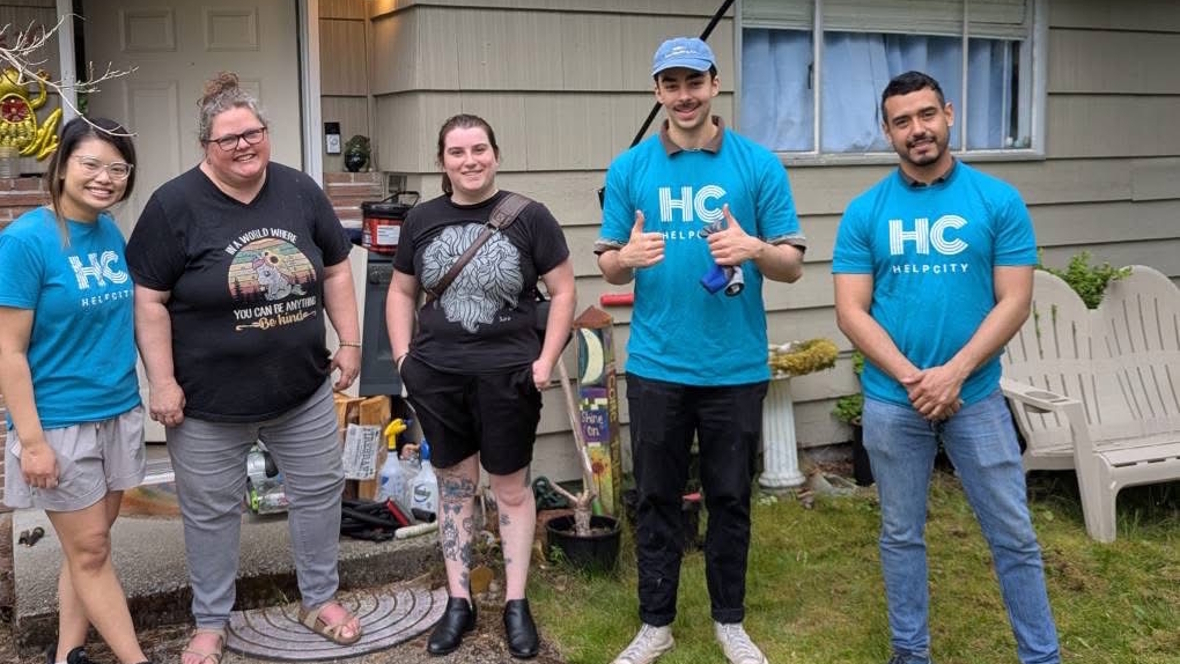

When my kids were little, sometimes as my husband walked through the door at the end of the day I would just say, “I need to leave for a minute,” and walk right out the open door. I was never gone long; I just needed a break, a few moments to breathe and be alone after a long day of parenting our young children.
On more than one occasion, I remember thinking that for many parents, there was no relief coming through the door at the end of the day. That they were responsible for it all, from breakfast to bedtime, as well as working, keeping up the house, going to the store and on and on and on. Sometimes it can just feel like too much. Because sometimes, it is.
Thankfully, there are organizations like HelpCity, a Seattle-based nonprofit with the mission of bringing relief to low-income single mothers and widows by dispatching volunteer groups to help with physically demanding tasks in their homes. Founded in 2021, HelpCity was inspired by founder Bryan Staab’s experience growing up with a single mom, and the struggles he witnessed her navigate.
“As a boy, it made me feel angry to see her have to solicit help from men in the neighborhood and in the church for simple repairs around the house,” recalls Stabb, “and helpless that I couldn’t do more.”
The need has only grown in recent years as the cost of living in Seattle continues to skyrocket. In fact, the cost of living in Seattle is 45 percent higher than the national average, according to September 2025 data from The Cost of Living Index. The median rent for a two-bedroom apartment is $2,138 per month. Individuals need to make $41.11 per hour to afford that rent, double Seattle’s $20.76 per hour minimum wage. The cost of childcare follows the same trend — in Washington state, the average annual cost of childcare for a full-time infant is $21,348. To put that in perspective, annual day care costs now top annual college expenses: a year of in-state tuition at the University of Washington is $13,406.
It’s easy to see how expenses add up, and time is scarce for single moms. After working all day, taking care of kids and doing homework, who has the time, energy or financial resources for extra projects, no matter how badly they need to be done?
Thanks to HelpCity, single moms and widows in the Seattle area have a free resource to help provide some much-needed support.
On a mission
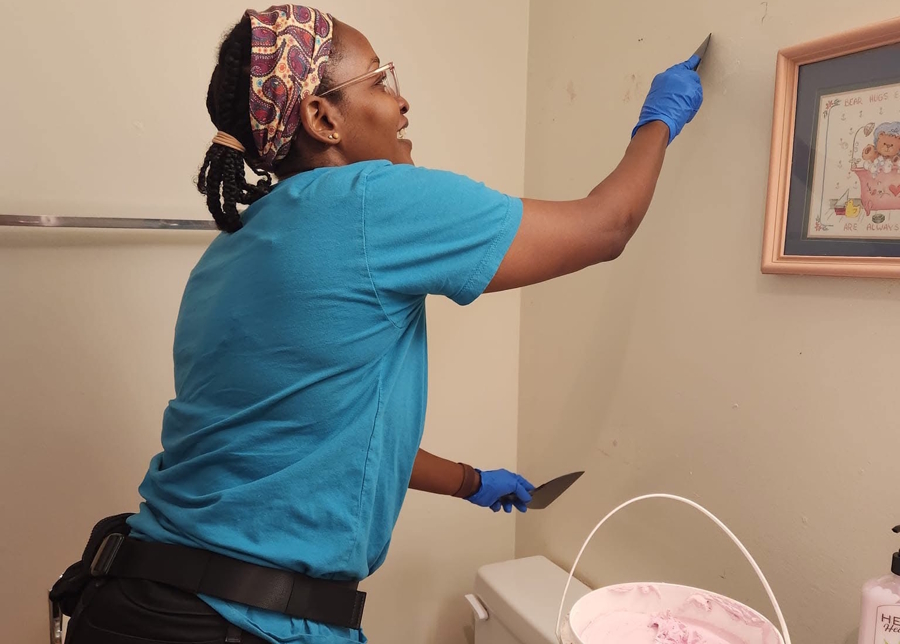
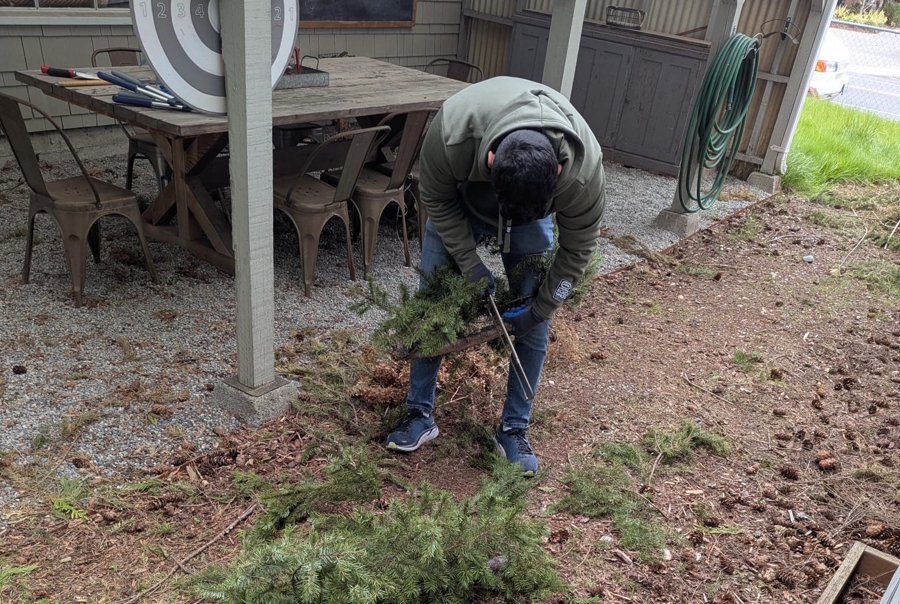
HelpCity’s vision is “to make Seattle a city of help and refuge for single mothers and widows in distress.” They send out small groups of volunteers to the homes of single moms who have reached out for help. Volunteers work for two hours on Saturdays on projects including yard work, deep indoor cleaning, building and moving furniture, painting, and other projects in or around the home (they cannot do work such as electrical or plumbing, which require certification and expert knowledge). One mom who recently had HelpCity volunteers come to her home says, “volunteers came and tackled our ivy and overgrowth! Such a selfless and generous donation of their time.”
Women reach out to HelpCity directly through a form on their website or through Facebook, says Leighton Carter, who oversees HelpCity’s local programming. Carter says they work with 15 to 20 moms each year, though many more reach out. They often have a waitlist that they try to keep to two weeks (though sometimes waits can last up to a month). Women are also referred to HelpCity through a partnership with Mary’s Place, a Seattle nonprofit with a mission “to ensure that no child sleeps outside by centering equity and opportunity for women and families.” When Mary’s Place clients move into permanent housing, they sometimes need help getting their new home in order (building or moving furniture, yard work, etc). HelpCity volunteers help meet that need.
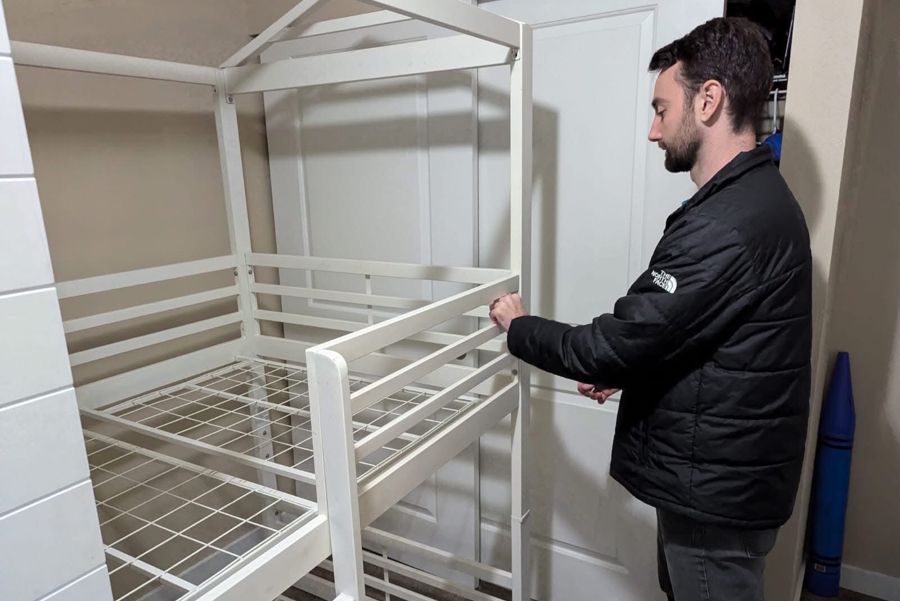
“We were in transition for a little bit dealing with homelessness and I was looking for organizations to reach out to, and then I found one [HelpCity],” says a single mom who connected with HelpCity. “… I know it’s just up from here.”
Another mom, grateful for her experience with HelpCity says, “They are more than willing [to help] and so happy and so friendly and so personable, and it’s nice to have that support that single parents don’t always have. … That’s what it feels like: caught a break, won the lottery here.” She shares that it helps her and other single moms know it’s okay to let go, and to be able to say what you need and have those needs met.
Many women who have HelpCity volunteers come to their house reach out again and again. There is no limit to how many times they can request help, however the number of volunteers currently active with HelpCity does limit the amount of work they can accomplish. Carter says that Staab hopes to one day expand HelpCity beyond Seattle.
Get involved
Currently, HelpCity has fewer than twenty volunteers, and Carter says they would love to have more, especially volunteers who are looking for a regular gig.
Carter says that one of HelpCity’s main challenges is recruiting volunteers who come back for multiple projects. She says volunteer groups often are made of work colleagues, families or church groups. They tend to do a project or two, and then stop volunteering. While she is, of course, grateful for every single volunteer who has worked with HelpCity, Carter is working hard to help them form a real community, so they feel like they are truly part of a larger team working together to support women and their kids in Seattle.

Carter says she is hoping to have more in-person volunteer get-togethers in the future, and encourages anyone interested to fill out HelpCity’s online contact form. There is no minimum time commitment, and while projects are all Seattle-based, volunteers can live anywhere in the area. A background check is required, and volunteers must be age 18 or older.
One volunteer says, “All those little things of having a clean place, an organized place makes it so much easier to focus on the things you need to focus on, and I think that can have a big impact on people who just otherwise don’t have the time or ability to do that.”