 Seattle Family Calendar
 Subscribe

In the Pacific Northwest, we like to think of ourselves as raising outdoorsy kids, the kind with muddy knees, pockets full of rocks and naps earned on the trail. But even here, where green space is everywhere, more and more young children are barely getting outside.
A new national poll from the C.S. Mott Children’s Hospital at the University of Michigan shows just how often it’s happening, and the numbers may surprise you. According to the survey of more than 700 parents of children ages 1–5, 1 in 10 young kids play outdoors only once a week or even less.
Indoor play thrives, and screens are creeping in
Most parents say their toddlers and preschoolers spend plenty of time playing inside: 88 percent say their child runs, climbs or jumps on a typical day, and 68 percent say their child enjoys make-believe play.
But outdoor playtime? That’s slipping for some families.
Meanwhile, screens are showing up earlier and more often: About 60 percent of parents say their child watches TV or videos daily, and nearly one-third say their little one plays video games or uses similar media.
Why outside time matters
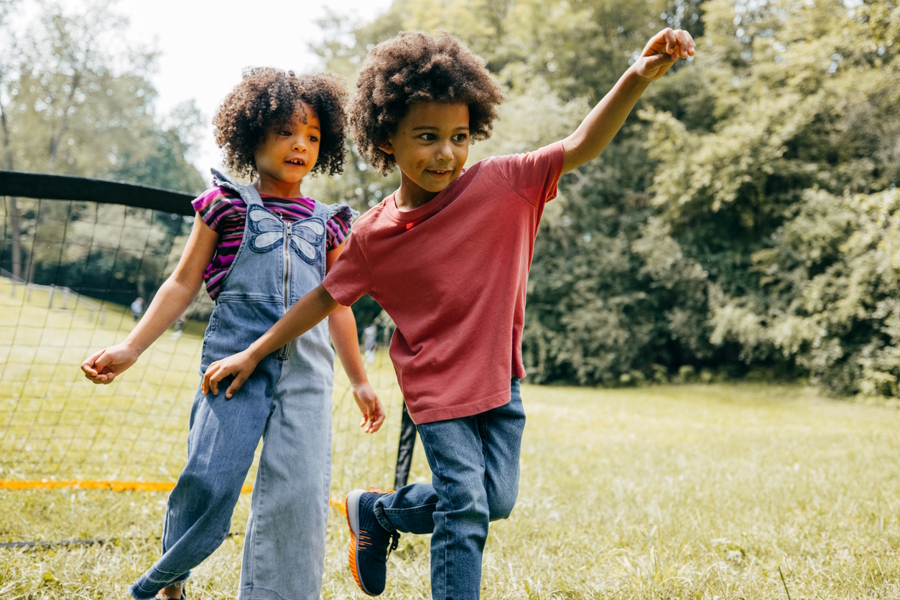
Outdoor play isn’t just about burning energy, it’s how young kids learn to problem-solve, test their limits and manage uncertainty. Think of climbing a rock, running on uneven ground or chasing bubbles at the park; these activities help kids build confidence and independence in a safe way.
“Play is the key to how young children learn and develop,” says Sarah Clark, co-director of the Mott Poll. “Our report suggests that many families could support healthier development by encouraging a wider variety of play experiences.”
Parents feel the tug between safety and freedom
Also of note, 4 in 10 parents say they feel uneasy when their child goes “too far” or climbs “too high” at the playground. And while most say their preschooler can swing independently, far fewer are comfortable letting them cross the monkey bars alone.
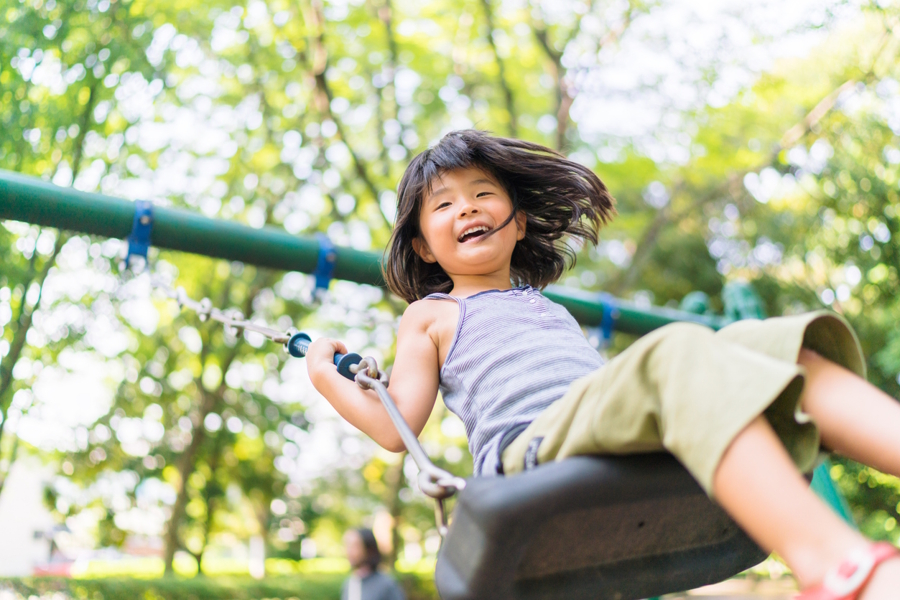
Yet those small moments of independence matter, says Lenore Skenazy, bestselling author of “Free-Range Kids: How Parents and Teachers Can Let Go and Let Grow.”
“Why are trust, responsibility and independence so crucial to kids’ mental health?” Skenazy writes. “Because that’s how they get a sense of what they can handle, a sense of who they are in the world: a competent, growing person — not a baby or a bonsai tree.
“You don’t remember the times your dad held your handlebars. You remember the day he let go.”
It’s a familiar push and pull for Pacific Northwest parents: balancing a love of adventure with the fear of injury or judgment. Sarah Clark of the Mott Poll reminds parents that supervision doesn’t mean interference: “Appropriate challenges help kids discover what they’re capable of.”
How to fit more outdoor play into real life
Small shifts make a big difference. Start small, with one or more of these suggestions:
- Start where you are. Bundle up and walk around the block after dinner. Ten minutes outside is better than none.
- Make it part of your routine. Stop at a park on the way home from preschool, or take a weekly walk to the corner coffee shop together.
- Let your child lead. Follow their curiosity. If they want to dig, climb, splash or collect leaves, that’s real learning in action.
- Keep screens in check. Tablets buy quiet time, but outdoor play recharges kids in ways screens can’t.
- Loosen the reins. Let them balance on a curb or climb that low branch. Those tiny risks build big confidence.
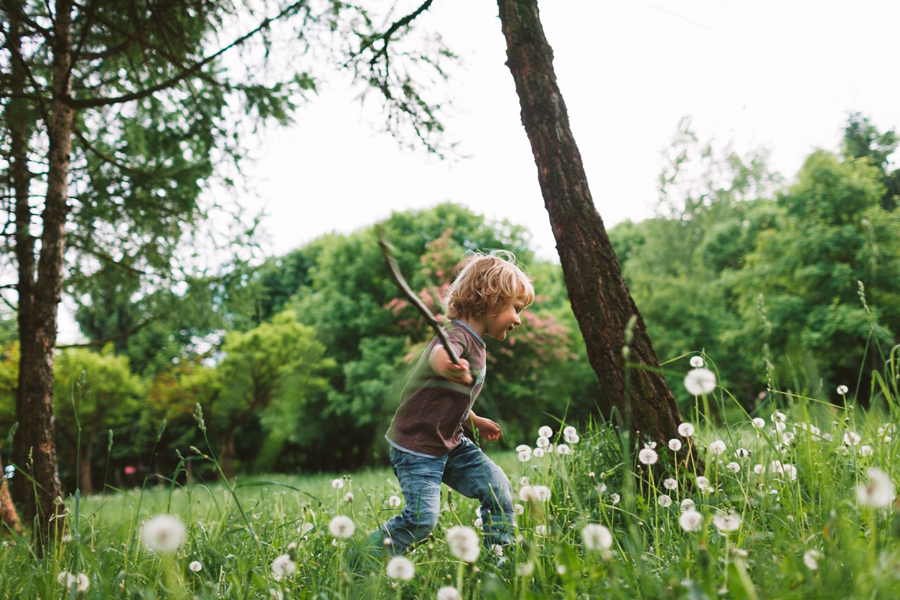
Most young kids in Washington still spend time outside several times a week, but the fact that so many rarely do is a wake-up call. Between busy days, gray skies and glowing screens, unstructured play in fresh air is quietly disappearing from childhood.
The Pacific Northwest gives kids one of the best backyards on Earth, with mountains, tide pools, tree forts and trails. Let’s not let our weather (or our calendars) keep them from it.