 Seattle Family Calendar
 Subscribe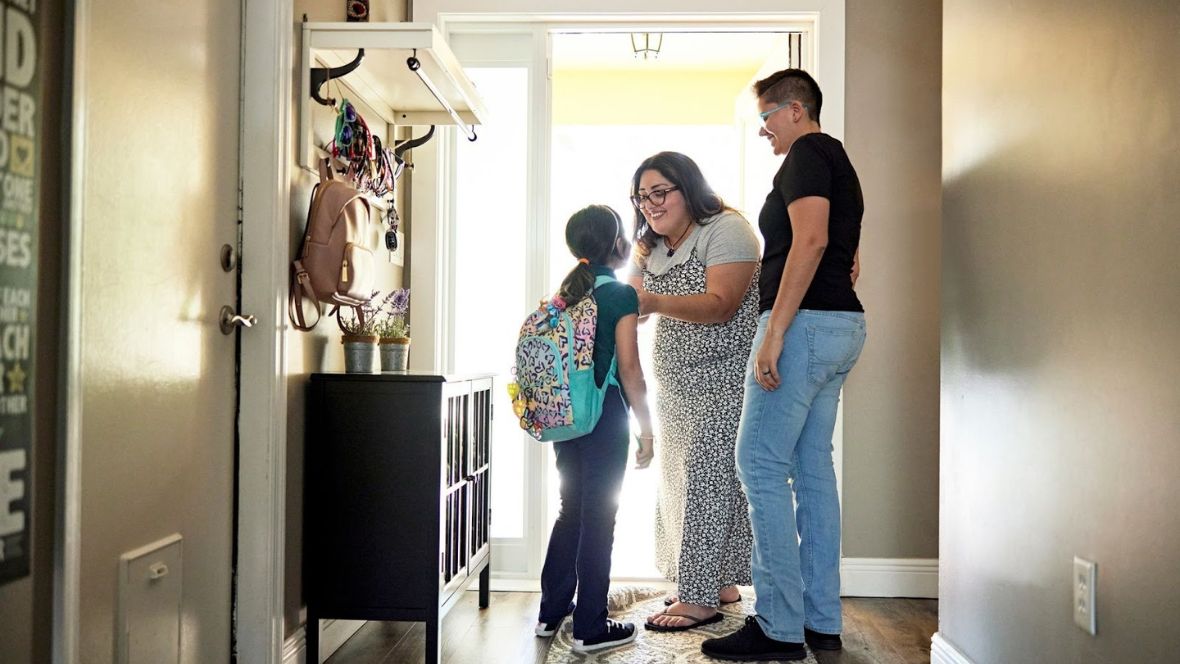

At some point, your kids who won’t get out of bed, move at a snail’s pace and forget how to brush their teeth will miraculously turn into fully functioning humans who get to work dressed and on time. I know — hard to believe. In the meantime, if you’re a parent juggling breakfasts, backpacks, lunches and your own sanity, here’s how to create a more cooperative, faster morning flow as we get ready to head back to school.
It’s (really) not their fault
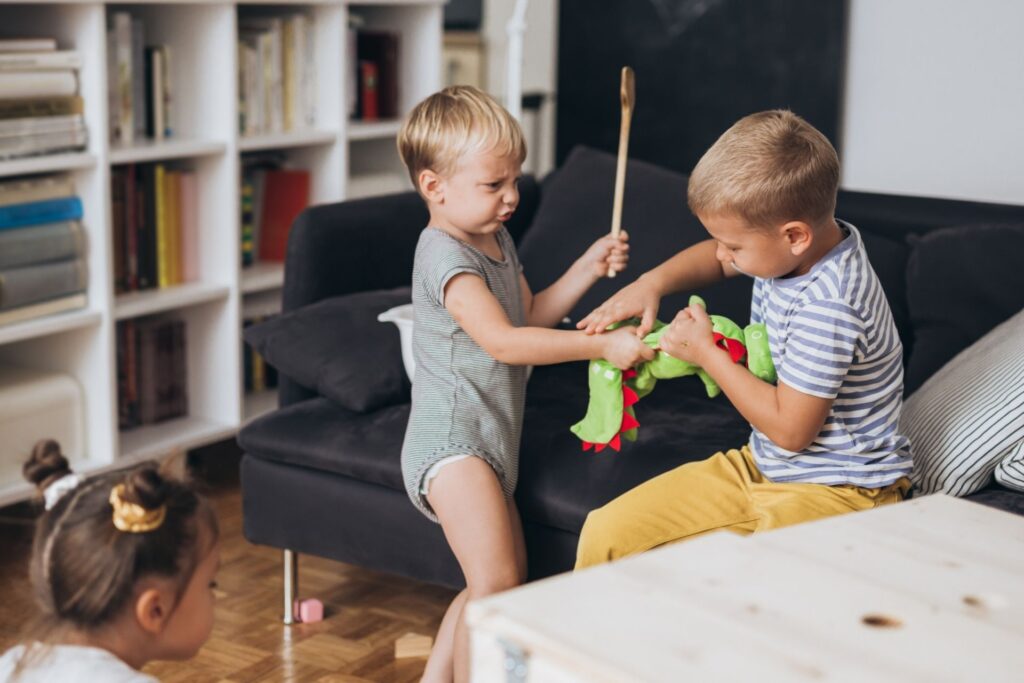
This is the first thing to understand. Many children find transitions emotionally difficult, and the transition from warm, comfy bed to “Get moving, now!” is a biggie, even for adults. When your little one dawdles or your preteen makes excuses, they’re not doing it deliberately — they’re being kids. Staying calm and gentle as a parent is the first step.
Make tomorrow easier today
This is classic advice for a reason. Prepping clothes, backpacks, lunches and breakfast bits before bed reduces the number of decisions everyone has to make in the morning. For children, fewer choices equals less hesitation and fewer delays. Try this:
- Lay out outfits for everyone the night before.
- Pack lunches and water bottles together as a quick nightly routine.
- Charge devices and put permission slips where they belong.
To reduce clutter in the house, use the garage. A morning pegboard or hooks near the car is an excellent place for backpacks and coats. Both options keep everything together and ready to grab just as you leave.
Create a visual morning game plan
Kids are not great at sequencing and may genuinely not remember what to do. I have a constant running checklist in my head, and I’m sure you do too. But your little ones? Nope.
A visual routine chart — simple pictures showing the order of tasks — will help. Knowing what comes next reduces resistance and supports independence, so eventually, children will need fewer reminders:
- Use a checklist by the door with steps like “Get dressed,” Eat breakfast,” “Brush teeth,” “Backpack ready.”
- Let kids physically check off or move a magnet through the steps — each one becomes a micro-win.
- Suggest older kids play a “Beat Your Personal Best” challenge to manage steps themselves.
Remember that children don’t naturally sense how long 10 minutes is. Visual timers, clocks or countdown songs help them see or feel minutes passing. Physical clocks also facilitate learning how to tell time, which helps young minds work.
Make it fun or rewarding
I know what you’re thinking: “Not one more thing to gamify,” but we’re not talking full-on treasure hunt here. Try playing your child’s favorite upbeat song during dressing or creating a family persona — like “The Morning Ninjas” — that everyone wants to be. When kids are motivated, they’re more likely to cooperate.
Set a playful challenge, such as “Can you get dressed before the song ends?” You can also offer a small privilege once morning tasks are done, such as extra reading time, a choice of snack or screen time.
Help your kids feel capable
When we give kids tasks they can own, even little ones step up faster. Aim for age-appropriate independence, such as:
- Young toddlers: Picking out their clothes for the next day
- Elementary age: Packing their lunch and cleaning up afterward
- Tweens/teens: Managing their own wake-up alarm and outfit choices
Delegating manageable tasks reduces your own stress and cognitive load and gives the child a sense of accomplishment. Win-win.
End with a connection ritual
Everyone’s ready, but before rushing out, share a group hug, high-fives or whatever works for your family. This shows youngsters that their efforts to be on time have helped the whole team.
From chaos to calm
Turning mornings into a fluid, connected start to the day needs a bit of a mindset shift from all concerned. By building a predictable and supportive routine, you can empower your kids and reduce stress all around. With this cooperative approach, even little snails can become morning ninjas and create good habits for life.
Editor’s note: This article was published in February 2026, and was updated by ParentMap’s content editor, Kari Hanson, on Aug. 13, 2026, with additional images and formatting changes.