 Seattle Family Calendar
 Subscribe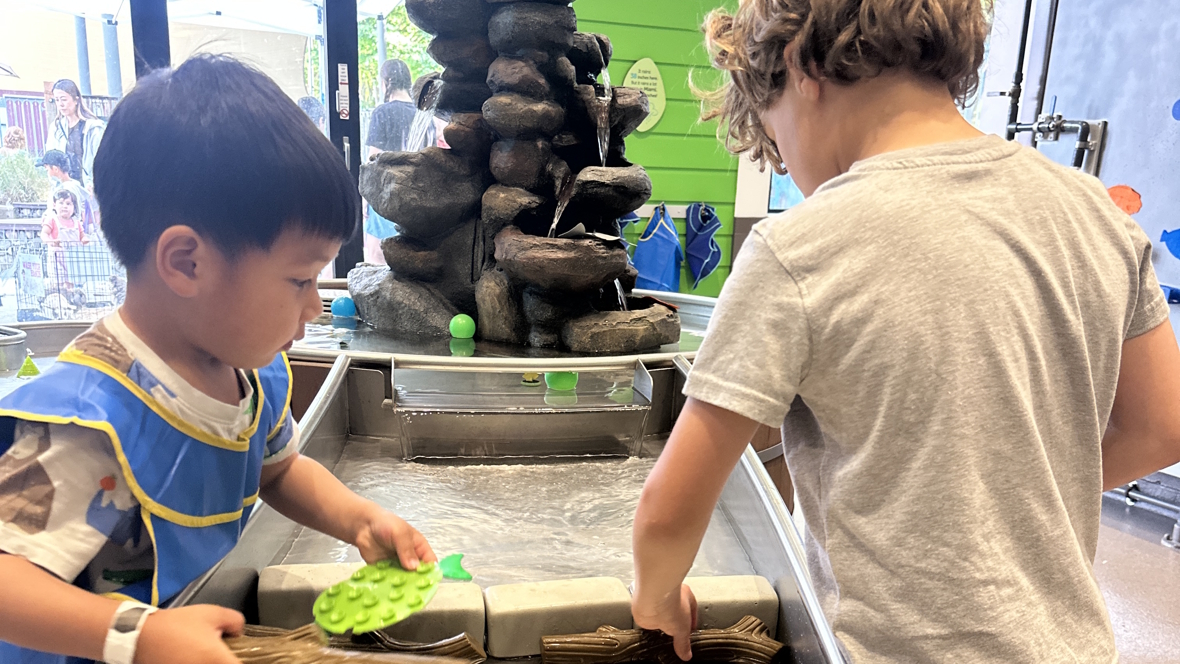

Editor’s note: This article was sponsored by KidsQuest Children’s Museum.
As parents gear up for the big leap into kindergarten, many wonder: Is my child really ready? It’s a valid and increasingly common concern, especially in the wake of the coronavirus pandemic. In fact, only about 50 percent of incoming Washington kindergartners demonstrate readiness across key developmental markers. The reasons behind this gap are complex — and deeply human.
Many of today’s preschoolers are so-called “Covid babies,” born or raised during lockdowns and disruptions. So, you may wonder if your child had enough social settings like preschool, playgroups and family gatherings to prepare them for what’s required to enter kindergarten. And what about the academic requirements?
What does “kindergarten ready” even mean?
Kindergarten readiness encompasses more than knowing letters or counting to 20. It’s a holistic assessment of a child’s development across six domains, according to the Washington Kindergarten Inventory of Developing Skills (WaKIDS) framework:
- cognitive development
- language
- literacy
- mathematics
- physical development
- social-emotional skills
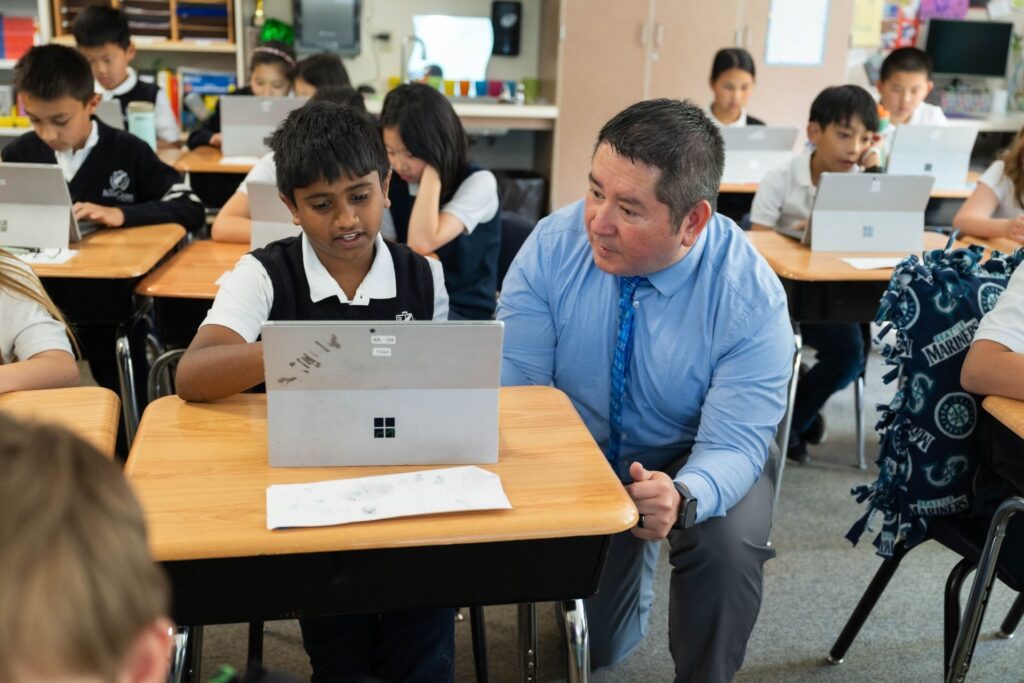
Each domain plays a role in a child’s ability to thrive in a classroom. For example, a child may know their ABCs, but if they struggle to stand in line, share with others or handle transitions, they may not yet be ready to engage in a structured learning environment.
Kindergarten teachers don’t expect perfection, but they do look for signs of progress. Readiness is measured in tandem across all domains, with the understanding that children develop at different paces. If a child is having difficulty making friends or navigating group routines, it may simply mean they need more time and practice to feel comfortable.
Play leads to readiness
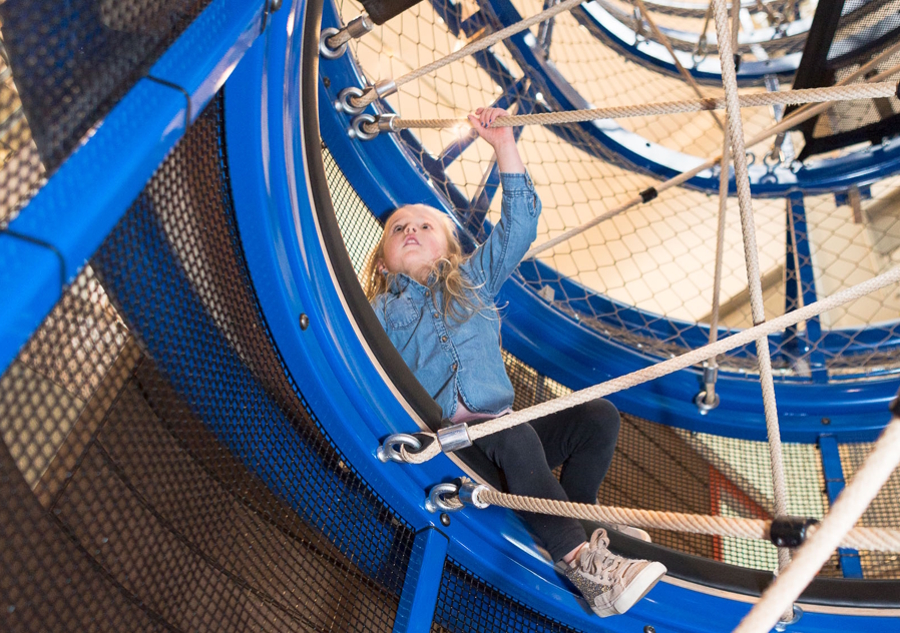
What is one of the best ways to prepare young children for kindergarten? Play. And not just any play: intentional, independent play that promotes creativity, challenge, cooperation and problem-solving.
That’s exactly the kind of environment KidsQuest Children’s Museum in Bellevue provides. “When young kids play, they learn from one another,” explains Jamie Bonnett, the Museum’s Director of Education. “At 3, children play side-by-side. But by age 4 or 5, they’re engaging more deeply with peers, working in cooperation and tackling more complex learning experiences. This enables learning to occur much more readily,”
KidsQuest programs are designed to help families build readiness naturally. Through classes and memberships, children revisit exhibits, dig deeper into the learning over time and engage with supportive staff. This consistency allows children to build relationships, try new things and practice the very skills they’ll need in school, such as waiting their turn, asking for help and solving problems independently.
Parents also benefit. Observing children in different settings helps adults understand how their child learns best and which areas might need extra support. Plus, each exhibit at KidsQuest features signage that links activities to the specific developmental domains, offering adults insights to the way play connects to learning.
Why uninterrupted play matters
Whether it’s molding Play-Doh to strengthen fine motor muscles, role-playing to express emotions or constructing towers to explore math and physics, play is the foundation for learning. Through it, children develop executive functioning skills such as impulse control, focus and perseverance — critical tools for any future student.
“Uninterrupted play is truly a gift,” Bonnett says. “It builds a scaffolding around children as they develop the confidence and ability to learn.”
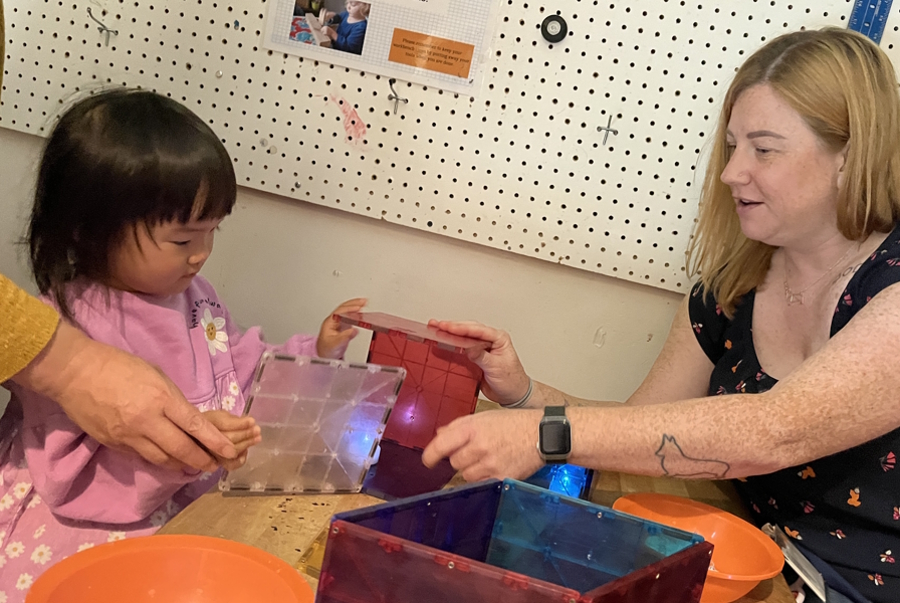
Readiness doesn’t happen in one day or one classroom. It’s built gradually, in museums, libraries, parks, preschools and living rooms as kids dig deeper into learning in the six domain areas. Every outing, every social interaction and every chance to try and fail and try again helps shape a confident learner. And KidsQuest is a great resource for constructing that scaffolding that allows children to learn through thoughtfully-designed exhibits like the Story Tree, The Bellevue Mercantile, Recycle Rebuild and the Connections Gallery that engage and challenge young learners. KidsQuest also offers camps and early learning classes that help provide ongoing learning opportunities that go beyond just a visit to the Museum.
Parents can also provide growth opportunities for the up and coming kindergartner by providing opportunities at home to practice self care with tasks such as getting dressed or using the bathroom independently. Taking time to read aloud with your child each night (or as often as you can) will expand their vocabulary and improve their listening skills. And talking with your child about their day so they can ask questions will help them learn to process their thoughts and feelings. By including these daily behaviors along with independent and intentional play, parents can make a significant difference in a child’s school readiness.
But parents often ask: Am I doing enough? And the answer is: If you’re showing up, if you’re engaging your child in the world around them, you’re making a difference.
“Just getting out of the house and coming to KidsQuest is a huge step,” Bonnett adds. “You’re investing in your child. And it’s important to realize that your efforts matter. You made a good choice.”