 Seattle Family Calendar
 Subscribe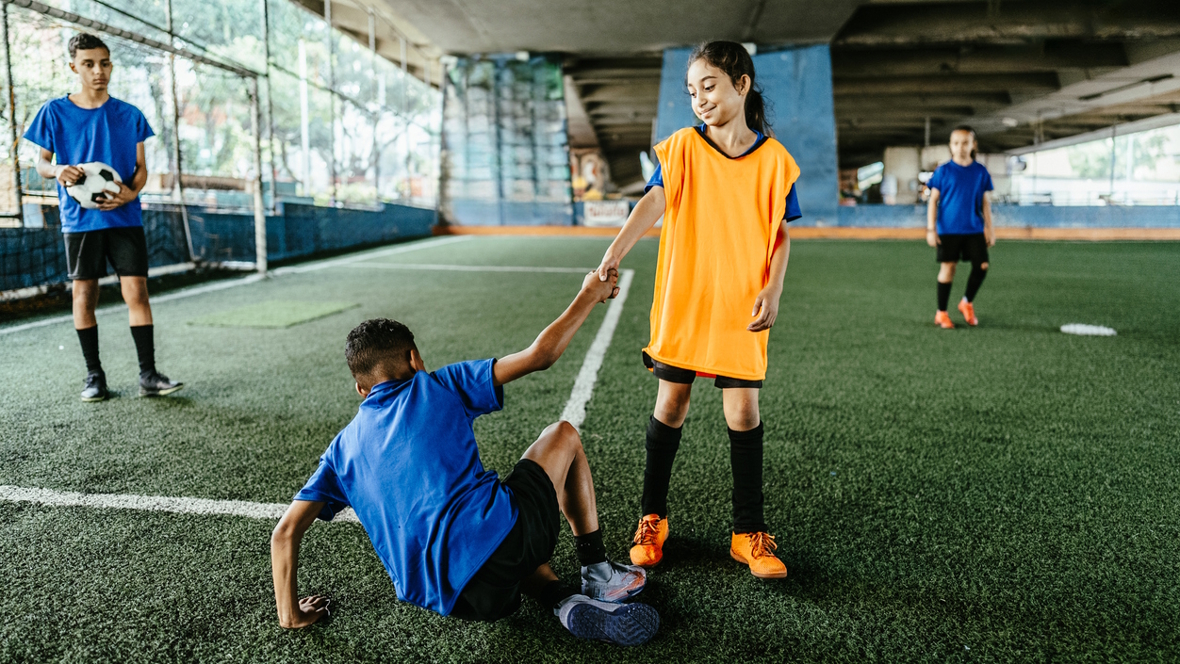

Don’t we all dread getting that phone call from a parent who reports that our kid did a nasty? A good mom (according to me) got one of these phone calls about her seventh grade son who had been trash-talking a classmate while gaming online. When the mom broached the subject gently, her son defensively sneered, “Jeez, that’s how we talk in games. Jonah’s such a wimp — and now he’s a snitch too. He’s lucky we let him play.”
To him, this wasn’t bullying, it was just how his group joked around. The mom could’ve yelled or grounded him. Instead, she took a different route: curiosity, validation and a gentle challenge.
“Buddy, I get it. I’m glad you let him play. I was just thinking. Remember a couple of years ago, when Teddy and Henry made fun of you for your big ears? How do you think Jonah feels right now getting put down by you guys?”
He paused. “Yeah, it probably sucks.”
Every parent wants their child to be respectful, kind and thoughtful. But we also want them to be socially intelligent — able to navigate teasing, resist peer pressure, stand up to bullies and never become one themselves. It’s a tall order. And it’s harder than ever in a culture where incivility and bullying are on the rise, not just among children, but among adults, too.
The statistics are positively scary. Surveys show rising levels of incivility across workplaces, health care settings, schools and public transportation. Cyberbullying has surged. Political discourse has devolved into toxic name-calling. Social media often rewards the most outrageous, aggressive or cruel behavior with likes, clicks and viral attention. We see shouting at school board meetings, vitriolic tweets from political leaders, and grown adults heckling teenage activists.
This rising tide of disrespect isn’t just a parenting problem, it’s a social one. And ultimately, it’s a democratic one. Respectful disagreement, empathy and accountability are the foundations of a healthy civil society. When those erode, so does our ability to live together peacefully and solve problems collaboratively.
Understanding the spectrum: From incivility to bullying
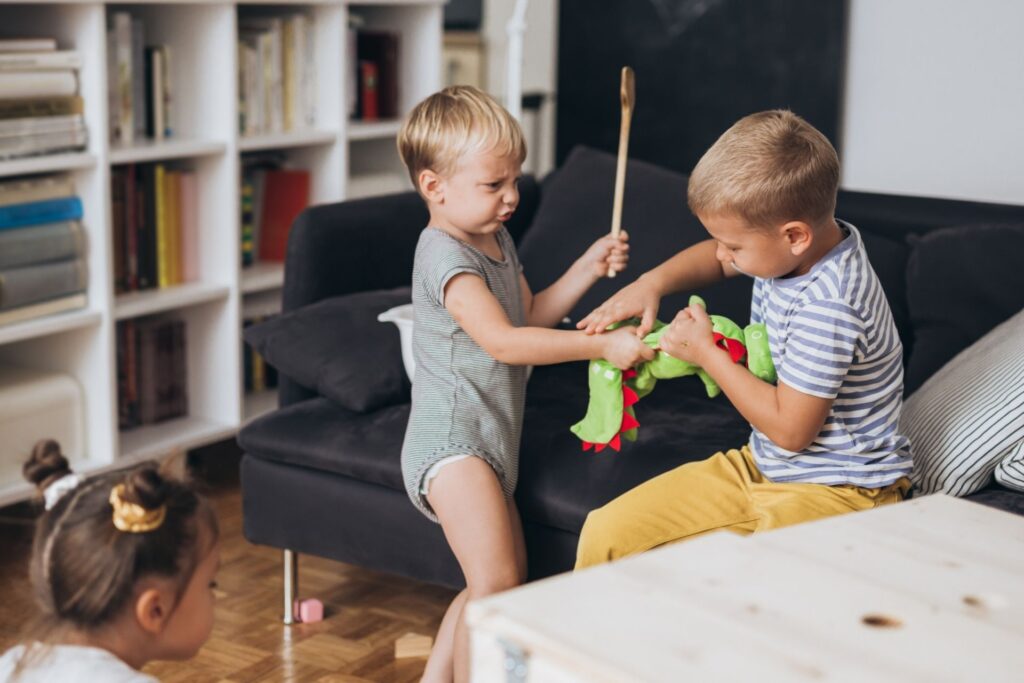
Children experiment with power, belonging and identity. All through elementary school, they explore who’s one-up, one-down, and who becomes the outcast through group dynamics and power plays. Chimpanzees do it. Humans do it. Most of it falls within the realm of typical development. But when disrespect becomes chronic, targeted or cruel — especially when there’s a power imbalance — it crosses a line.
It’s helpful for parents to think of social harm on a spectrum:
- Incivility might look like rudeness, gossip, teasing or ignoring someone.
- Social cruelty includes exclusion, sarcasm, ridicule or humiliating behaviors.
- Bullying involves repeated aggression, a clear power imbalance and torment — especially when targeted at vulnerability.
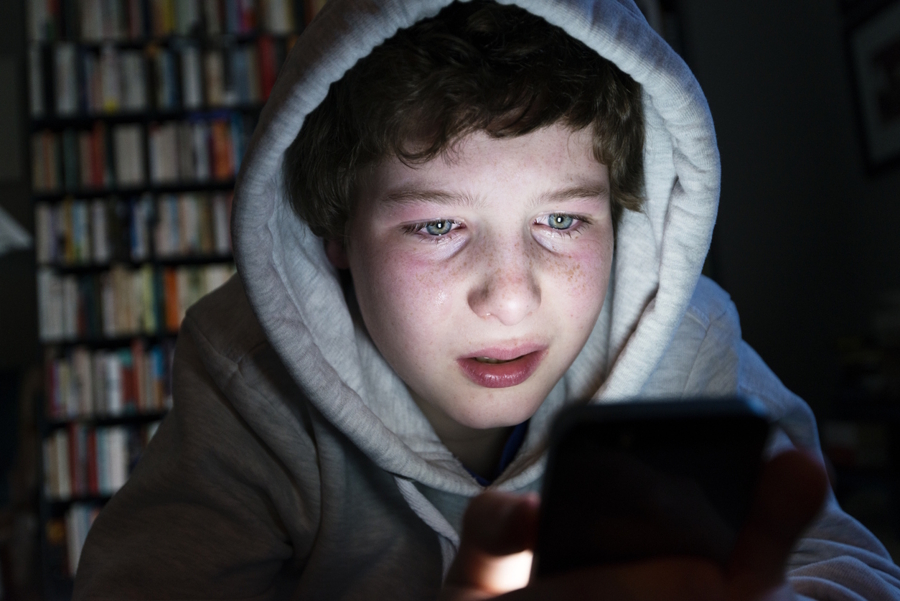
When kids come home upset, it can be hard to tell if the issue is a normal social scuffle or something more serious. The best approach is to gently gather details. Ask open-ended questions (“And what happened next?”), monitor for red flags (sleep issues, school avoidance, mood changes), and reach out to teachers or counselors if needed. If the harm is persistent and traumatic, professional support is warranted.
Nudging and modeling civility
The digital world has amplified incivility. Social media rewards outrage. Anonymity lowers inhibition. Late-night scrolling increases emotional reactivity. And even offline, many adults struggle to model respectful disagreement.
Our children are constantly watching us. They see us curse at drivers, gossip about neighbors, or mutter snarky comments at our spouses over trivial annoyances. Even when we preach kindness, we often model contempt. And kids — attuned to hypocrisy — are quick to spot the disconnect.
Take Sarah, a high school junior who refused to attend a family wedding if her unvaccinated uncle showed up. “He could kill Grandma,” she said. “He’s selfish and ignorant.”
Her mom could have just lectured Sarah on kindness, but instead she took a different tack: “That’s a strong opinion. Can I ask what you are most worried about if he does come, even with precautions?”
By shifting the conversation from judgment to curiosity, the parent helped Sarah think through her feelings and express them in a more values-aligned way. They agreed that family drama and vaccine wars weren’t going to help anyone. Ultimately, Sarah proposed a compromise: Let the uncle mask up and stay outside (where the wedding was happening anyway).
This kind of parenting takes patience and emotional regulation. But it’s also how we model the very skills we hope our kids develop: empathy, perspective-taking and the ability to disagree without disrespect.
Social Emotional Learning: Civility’s best toolkit
Social Emotional Learning (SEL) programs, such as Second Step, RULER and Caring School Community, teach kids the following core skills that reduce bullying and promote civility:
- Naming and managing emotions
- Empathy for others
- Taking others’ perspectives
- Communicating clearly and assertively
- Resolving conflict without aggression
- Making responsible decisions
Decades of research show SEL works. A 2011 meta-analysis of 213 programs found reduced aggression and conduct problems. A 2023 review in “Child Development” analyzed over 400 studies across 50 countries and found SEL improves social behavior and emotional well-being. SEL even boosts academic performance.
And yet, SEL is under fire. Critics claim it promotes political agendas or weakens traditional values. Some states have restricted or banned it. Public figures have even called empathy a “weakness.”
Let’s be clear: SEL isn’t about indoctrination. It’s about teaching kids to handle strong feelings, speak up for themselves and others, and engage with people who think differently. That’s not woke. It’s wise. And frankly, it’s essential to preserving civil discourse and democratic functioning.
Boys, girls and empathy as a life skill
There’s more variation within each gender than between them, but certain patterns emerge. Boys are more likely to roughhouse or bond over gaming, while girls may be more relational, forming deeper connections through conversation. For both, the pain of exclusion or ridicule can cut deep. Girls may be devastated by being left out of a sleepover or body-shamed online. Boys may be crushed by social rejection in games or sports.
Empathy is the linchpin for resilience, belonging and inclusion, especially for kids who feel marginalized. It’s what allows kids to stand up for others, own their mistakes and repair harm.
Consider Corey, a teen struggling with depression and school avoidance. In family therapy, his single dad objected to the use of the word empathy. He had heard on a podcast that sensitive boys need to toughen up, not show their underbellies.
We explored his concerns, respectfully. Over time, he came to see that understanding emotions — his son’s and his own — wasn’t weakness. It was the foundation for connection, healing and growth. As part of their therapy goals, the dad brought Corey to a company service day where they helped paint a community center. That small act of contribution sparked something. Eventually, Corey began volunteering at a Boys and Girls Club. It wasn’t a magic fix, but participating in meaningful service helped him reconnect — with his dad, with prosocial peers and with a wider sense of purpose. He began to experience firsthand how empathy and responsibility can reinforce one another.
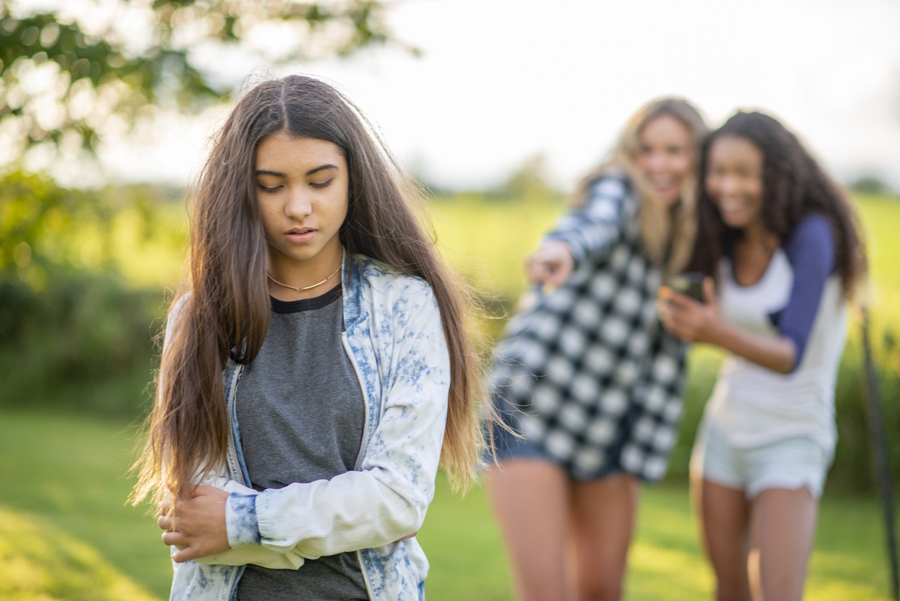
How parents can support social emotional learning
- Coach, don’t rescue. Guide kids through social challenges instead of solving them. Social dilemmas are growth opportunities.
- Use the Socratic method. Ask questions that promote reflection rather than lecturing kids. Let them weigh pros and cons.
- Name feelings and normalize imperfection. Conflict is human. So is messing up. Emotional vocabulary is part of skillful communication.
- Model respectful disagreement. Show that conviction and compassion can coexist. Listen to understand.
- Encourage kindness, especially when it’s hard. That’s when it counts most.
- Support SEL in schools. Ask what your child is learning and reinforce it at home. Schools need your partnership.
- Involve kids in service. Volunteering and helping others nurtures a sense of purpose, builds empathy, and reinforces respect and responsibility.
Above all, don’t shame — teach. When kids mess up, they need our guidance more than our judgment. As the mom I mentioned earlier told her son after he apologized for trash talk: “Apologizing is not weakness, it’s strength.”
Or as a dad once told me: “To err is human. To admit a mistake is super-good. To act like any of us doesn’t screw up sometimes is just plain stupid.” I said to him, “Wait! I gotta write that down.” And now I’m passing it forward.
Civility starts at home. Let’s give our kids the tools to be strong and kind in a world that desperately needs both.
More parenting resources for raising great kids:
Editor’s note: This story was originally published in August 2025, and was updated on Feb. 2, 2026, by ParentMap’s editorial team to include a thorough fact-check.