
 Seattle Family Calendar
 Subscribe

Summer vacation is an ideal time for college tours. Signing up for the official tour is the obvious first step, but what else can parents and students do to prepare for, and make the most of, these important visits?
Before you hit the road this summer, read on to gain valuable insights and simple, must-ask questions. When decision time rolls around, you’ll thank yourself for being in the know!
15 ways to make the most of your college tours
1. Consider going on campus visits before your child’s senior year of high school
Starting college tours a little earlier than you might have imagined will give you adequate time to make a well-informed decision, and save you from trying to pack in too many visits in a short period of time. College applications are time-consuming. Starting tours early will allow your teen to relax and enjoy their senior year, rather than try and pack a ton of college tours into their already full senior year schedule. To avoid burnout and unneeded stress, don’t focus on formal campus tours until the second semester of their sophomore year.
Cool tool: Lauren Carter’s book “Mindful Admissions” suggests using informal visits as a way to “take baby steps” that make visiting colleges fun. You can attend a college basketball game, art show or theater production anytime!
2. Before heading out on tours, take time at home to discuss your teen’s values
Help them clarify their why for attending college. Being in touch with what they want from their college experience helps frame the focus of your tours. Are they focused on finding their vocation? Do they want to experience living in a different part of the world? Are they hoping to gain freedom and independence? There are a lot of reasons for wanting to go to college, talking about what motivates your child can help you focus your search, and understand what questions will be important to ask on your college tours.
Cool tool: College consultant Dr. Steven Antonoff offers free, downloadable tools to help families start the discussion.

3. Engage with a diverse range of people beyond the scripted tour
Try to ask at least three current students questions about their campus experiences to gain honest answers and valuable insight. Get specific. Instead of “What’s the social scene like?” ask, “What did you do last weekend?” Instead of “How many majors are there?” ask, “Do counselors help freshmen sign up for classes? Is it easy to get into the classes you want?”
4. Encourage your child to sit in on a class that interests them
Pay attention to how the class is run, how the students are engaged and if it feels like a good match for your child. Does your child like the anonymity of a large campus with lecture halls, or do they prefer smaller classes and building relationships with professors?
5. Ask lots of questions about dorms
Housing availability can play a big role in your child’s stress levels. Ask about the availability of on-campus housing beyond freshman year. If it’s not guaranteed, what’s the process to obtain off-campus housing? How far in advance do students typically plan? Is it a hassle? Does overpriced housing place excess pressure on students’ budgets?
Cool tool: Join the Grown and Flown Parents Facebook group of over 50,000 parents to discuss important issues.
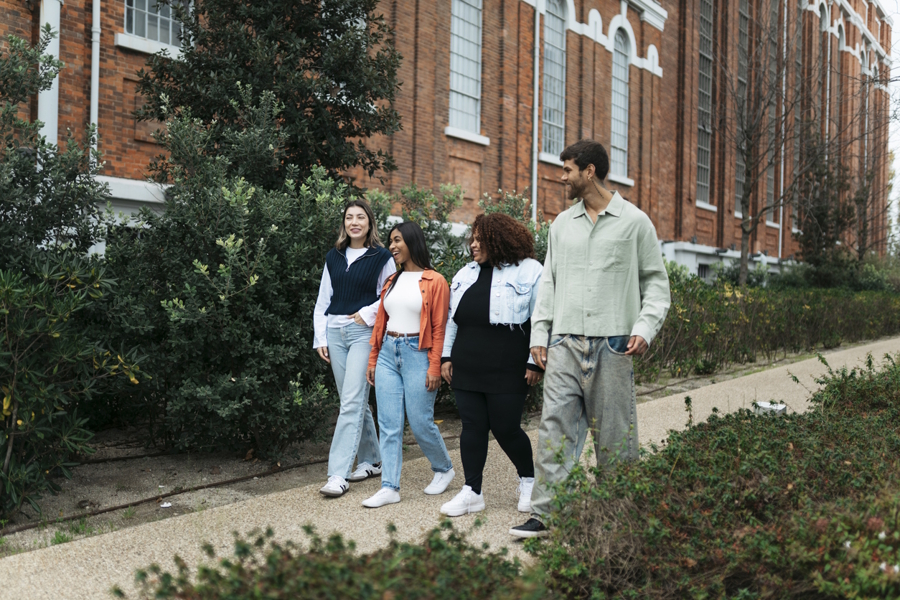
6. Observe how people get around campus
Are they riding bikes? Taking the bus? Walking? Is the campus walkable to local shopping and dining? Is there a free campus shuttle to town? How much does parking on campus cost?
7. Be a people watcher
What are your impressions of the student body? Is there a fun, positive vibe or do people look stressed and exhausted? Does the campus have the diversity to help you grow and thrive? Encourage your child to consider where they could see themselves fitting in among the people at the school and the environment.
8. Safety first
Are safety measures in place around campus and in the surrounding area? Look for emergency call boxes. Ask if there are campus security escorts or free shuttles available at night.
9. Beware of Instagram distractions
Universities understand the lure of social media; some spend big money to build luxurious features such as climbing gyms, even lazy rivers. Instead of allowing these tempting features to take center stage, have a checklist of places that are important to your child, such as the gym, counseling center and financial aid office.

10. Eat in the dining hall
How well will the college or university accommodate your child’s dietary preferences or needs? Can meal plans be used at cafés around the campus? Notice the vibe. Are students eating together or mostly picking up to-go orders?
If your child manages food allergies or other dietary restrictions, safe dining accommodations should be a major determinant in your college decision.
Cool tool: FARE’s site offers expert advice on colleges that best support students with food allergies.
11. Take photos
Pictures will help you remember key positives and negatives about each campus you visit. You can use this tracker from College Board to help record your impressions.

12. Visit the career center
Ask questions about job boards, work study and internships. Be sure to get a sense for how often students meet with career counselors and what types of services they offer.
13. Visit the surrounding neighborhood
Walk into shops, restaurants, coffee shops and bookstores your child will likely frequent. How does the neighborhood feel?
Can’t get away for college visits? Check out virtual tours and local colleges
14. Watch a virtual tour
Campus Reel is an online guide with real students leading you through a typical day at their university (they will show you around the dorms, cafeteria, nearby neighborhood, etc.).
15. Visit the variety of local universities in your town
Even if your child is hoping to go to college far from home, local colleges and universities can give you a good indication of what feels right. If you can, visit local schools of various size (small, medium or large school) and location (rural, suburbs or urban setting) to get a feel for different campus options.