 Seattle Family Calendar
 Subscribe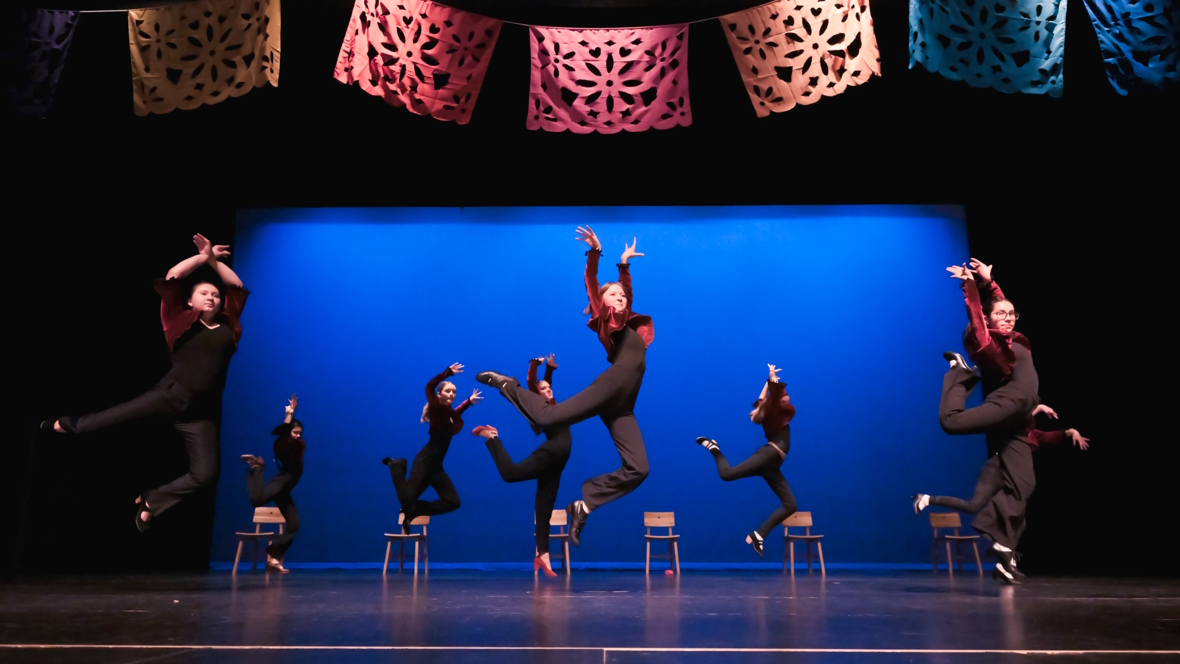

If you’re like me, you obsessively read about families who take a year off to travel around the world. But for a myriad of reasons, that round-the-world plane ticket might as well be a castle in the sky. Still, now more than ever, it’s important for our kids to develop a global perspective and deep respect for cultural differences. While there’s no substitute for international travel, we shouldn’t ignore the multicultural resources our own region has to offer.
For families living in Washington, I’ve put together a round-the-world itinerary with local cultural stops for Europe, Africa, Asia, Oceania and South America. But thematically mixing and matching activities and destinations can be just as interesting and may produce insights you’d never discover if you stick to the plan.
As you put together your own itinerary, remember that many resources are valuable for multiple destinations. Woodland Park Zoo and Seattle Art Museum have several geographically focused collections. The Seattle and King County public libraries offer cultural story times and global folktale collections. And if your kids are old enough to read, consider watching subtitled movies to immerse yourselves in the sounds of your destination’s language.
Now boarding for Europe! Destination: Spain
Visiting grocery stores abroad can provide a delightful glimpse into everyday life in another culture. Bring a taste of Europe home from the Paris-Madrid Grocery, which carries specialty foods “from both sides of the Pyrenees.” Stock up on French cheese and charcuterie, Spanish olives and turrón.
You can experience the vibrant, intense tradition of flamenco through both touring and local performances. Visit the Seattle Flamenco Community Facebook page to stay up to date on performances, or consider taking a class; most local performers offer lessons. Semilla Flamenca hosts family-friendly performances and flamenco classes for students as young as 3; American Dance Institute also offers classes for youth and adults. Find more opportunities to explore Spanish culture at the Cervantes Institute.
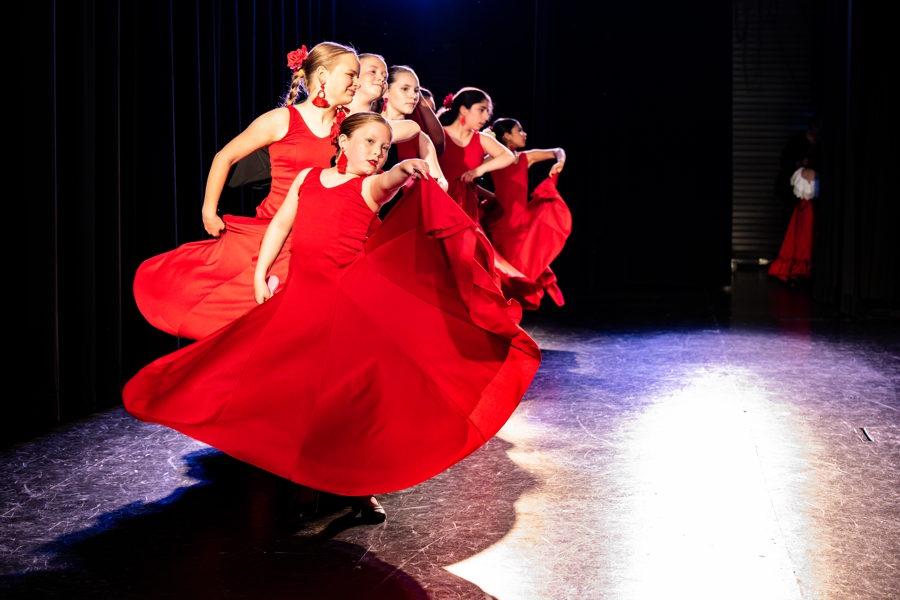
For a Spanish movie night, watch “Zip & Zap and the Marble Gang.” Based on a long-running Spanish comic, it follows troublemaking twins to boarding school, where they oppose the school’s tyranny with pranks. Or try “Las Aventuras de Tadeo Jones” (“Tad, the Lost Explorer” in English releases) about a bricklayer who accidentally gets a chance to pursue his dream of becoming an archaeologist.
Cervantes Institute: Padelford Hall, University of Washington; online resources available.
Paris-Madrid Grocery: 1418 Western Ave., Seattle; open daily.
Now boarding for Africa! Destination: Ethiopia
Africa is best known for its wildlife, and Ethiopia and Eritrea include ecosystems that range from alpine to coastal. At Woodland Park Zoo, you can visit the lions (Ethiopia’s national animal) along with the warthogs, zebras and patas monkeys in the African Savanna, find a prickle of African crested porcupines in the former hippo habitat and discover white-cheeked turaco, snowy-crowned robin-chat, speckled mousebird, African pygmy-goose and more in the Savanna Aviary.
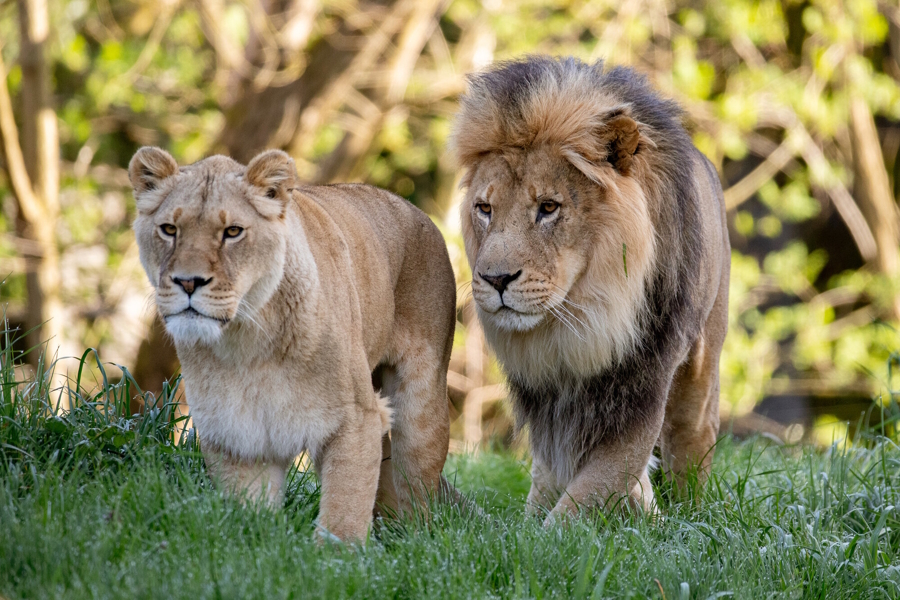
Robust local Ethiopian and Eritrean communities mean that we have numerous excellent Ethiopian restaurants, with a particularly dense cluster centered on East Cherry Street in the Central District. Delish in Hillman City introduces the Amharic alphabet and pronunciation alongside its tasty menu.
At Seattle Art Museum look for Ethiopian-born artist Julie Mehretu’s contemporary drawing, then visit the African art collection on the fourth floor to find Ethiopian jewelry and religious art dating as far back as the 13th century. This summer teens from Urban ArtWorks Studio designed and painted pillars near the Stadium Light Rail Station. Look for the one that includes a jebena, used to brew traditional Ethiopian coffee, then take the train to Northgate to visit Jebena Market, which carries Ethiopian groceries, traditional clothing, housewares, artwork and more.
Sign up for a free trial of Sodere Ethiopian Movies and check out the kids section — subtitles are available for many of the videos.
Delish Ethiopian Cuisine: 5701 Rainier Ave. S., Seattle; open Wednesday–Monday.
Woodland Park Zoo: 5500 Phinney Ave. N., Seattle; open daily.
Jebena Market: 1510 N.E. 117th St., Seattle; open Thursday–Tuesday.
Now boarding for Asia! Destination: Pakistan
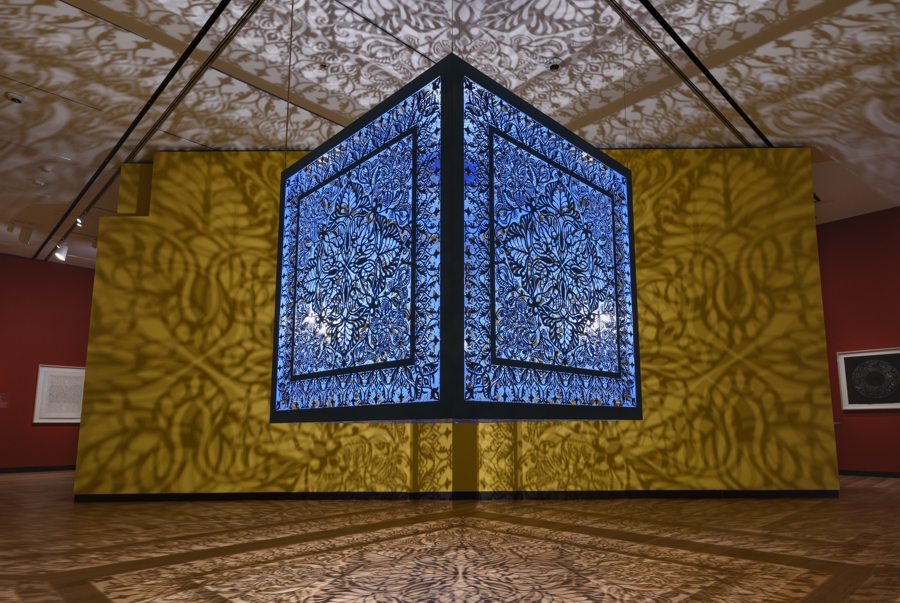
A special exhibition at the Seattle Asian Art Museum gives us a chance to travel the ancient Silk Road and stop in contemporary Pakistan. On display through April 19, 2026, “Geometry of Light” presents the work of Anila Quayyam Agha, whose immersive works draw on Islamic design traditions. Born in Pakistan and now based in the U.S., Agha uses the contrasts between light and shadow and between hard and soft materials to explore the gender discrimination she faced in Pakistan, and the ethnic discrimination she faces here. After the museum, head down the hill for a halal lunch at Mirch Masala (formerly known as Ammi’s Pakwan) or continue traveling East on the Silk Road to Annapurna Café for food from India, Nepal and Tibet.
Back home for movie night, you could opt for the 2018 animated Pakistani movie, “The Donkey King,” in which a donkey is elected to replace the retiring lion king of Azad Nagar. “The Glassworker,” with its Ghibli-inspired aesthetic, is the first hand-drawn Pakistani film. An English-dubbed version was in theaters at press time, and with luck, it will be available for home viewing soon.
Seattle Asian Art Museum: 1400 E. Prospect St., Seattle; open Wednesday–Sunday.
Mirch Masala: 213 Broadway E., Seattle; open daily.
Annapurna Café: 1833 Broadway, Seattle; open Tuesday–Sunday.
Now boarding for Oceania! Destinations: Polynesia and Hawaii
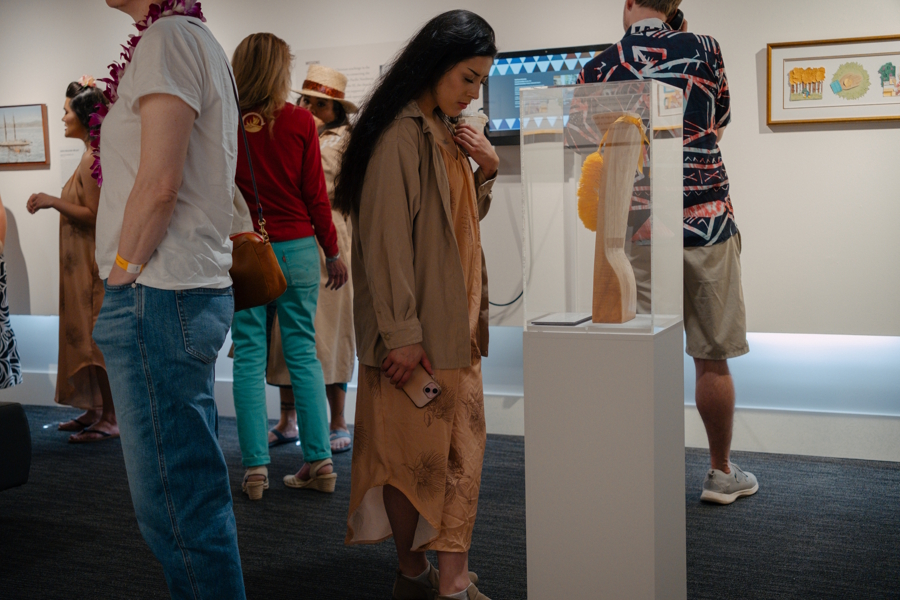
Start your day with savory pastries from Hood Famous Bakeshop (and pick up an ube cheesecake to eat at home later) before visiting the Wing Luke Museum. Their “DISplace” exhibit features art by Native Hawaiian artists. “Lost & Found: Searching for Home” explores the relationship between place and belonging through the lens of Asian American, Native Hawaiian and Pacific Islander identity.
Look for Tahitian (ʻOri Tahiti) and hula dance workshops and classes from groups like Huraiti Mana and Sunshine from Polynesia. Head toward Federal Way for plate lunch at Pac Island Grill before stocking up at Asian Pacific Market and Bombay Fiji Bazaar in Kent. Venture to Tacoma for dinner at Taste of Samoa or back to Seattle for a stop at Hawaii General Store before eating at Kona Kitchen (owned by actor Yuji Okumoto).
In the evening, you could watch “Moana” or “Lilo & Stitch” again, see Okumoto as the dad in the 1999 film “Johnny Tsunami” or see Taika Waititi’s little-known “Boy,” about an 11-year-old Māori boy connecting with his absentee criminal father (recommended for ages 12 and older; check the content advisories).
Wing Luke Museum: 719 S. King St., Seattle; open Wednesday–Sunday.
Asian Pacific Market: 25644 104th Ave. S.E.; Kent, open daily.
Bombay Fiji Bazaar: 24700 36th Ave. S., Kent; open daily.
Hawaii General Store: 258 N.E. 45th St., Seattle; open daily.
Now boarding for South America! Destination: Brazil
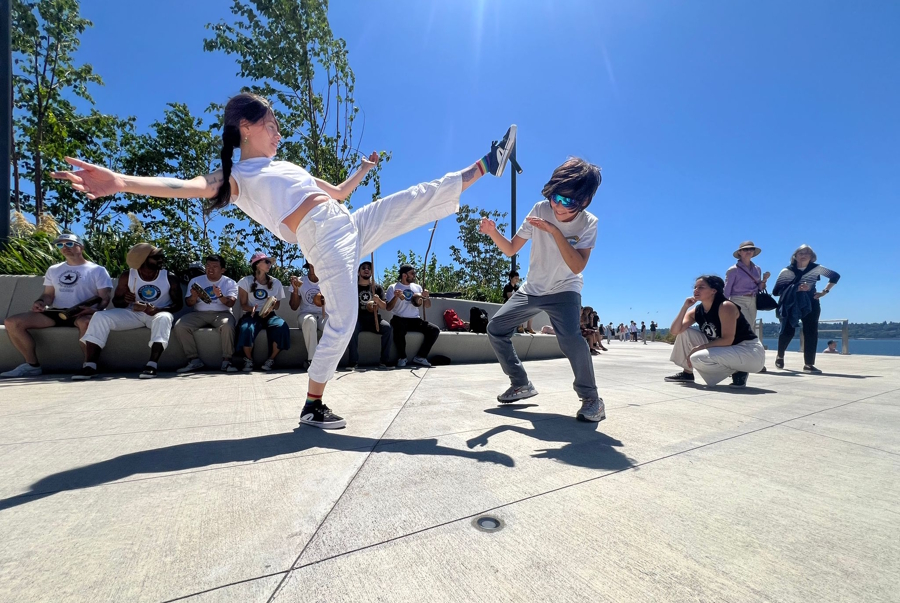
Have a refreshing açaí bowl or indulge in pão de queijo (cheesy bread made with tapioca flour) at Kitanda. Then attend a free monthly roda hosted by the Seattle Capoeira Center or Tacoma Capoeira Center and experience the music, movements, games and history of the Afro-Brazilian art form that combines martial arts, dance, music and philosophy. If you enjoy the experience, become part of the community with their classes for kids and families.
Several studios in the region offer classes in Brazilian dance styles like samba, carimbó, and zouk. But if you’re not ready to commit to regular classes, check out this online carimbó workshop from Dance with Dora and have a dance party at home. Be sure to serve brigadeiros (you can get them at Kitanda or try making your own).
Soccer (futebol in Portuguese) is Brazil’s national sport. Find a Campeonato Brasileiro Série A game on cable or streaming for inspiration, then head outside to pretend you’re Bruno Guimarães. Have dinner at a Brazilian steakhouse; try the Full Churrasco Experience at Fogo de Chão, where children 6 and younger eat free, and ages 7–12 dine at half-price.
Watch the 2013 Brazilian animated film “O Menino e o Mundo” (“The Boy and the World”), about the adventures of a boy who leaves his village to follow his father who works in the city, or look for any of the “Monica and Friends” movies or TV series (“Lessons” is currently available on Amazon Prime).
Seattle Capoeira Center: 2909 Rainier Ave. S., Seattle; roda is on fourth Sundays at 3:15 p.m.
Tacoma Capoeira Center: 755 Broadway, Tacoma; roda is on second Fridays at 6 p.m.
Fogo de Chão: Locations in Seattle, Bellevue and Lynnwood.
Wherever you go, you’re not just filling a winter weekend. You’re expanding horizons, making memories and raising kids who see the world as interconnected — without the jet lag.