 Seattle Family Calendar
 Subscribe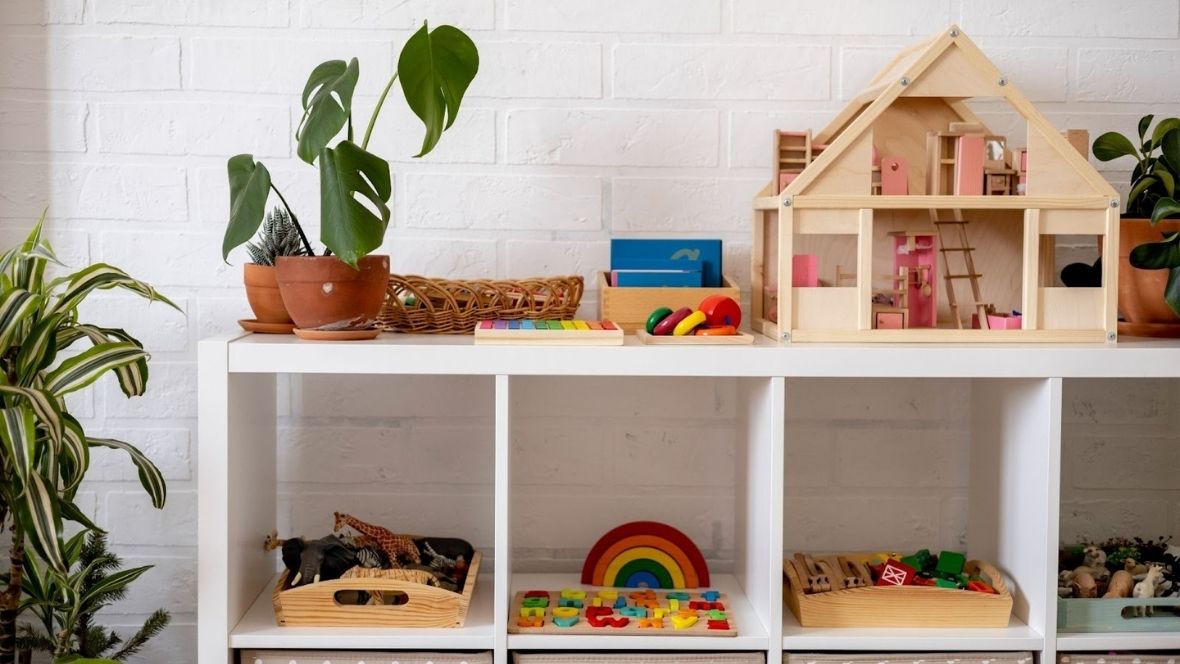

I had my first taste of what I like to think of as #MontessoriLife when I was working toward my masters in education more than two decades ago. Montessori’s five principles — respect for the child, the absorbent mind, sensitive periods, the prepared environment and auto-education — were innovative in their time. Now many are seamlessly folded into kids’ daily lives. And although the rigor around these ideas has waned over the decades as schools, families, museums and others have adopted them, their benefits for children persist. So I’m sharing a few simple ways families can use these ideas at home.
Think child-led
- What it is: In a Montessori classroom, activities are structured around kids’ individual interests and developmental stages, where they choose activities they are interested in, rather than having an instructor choose for them.
- Why it’s important: When kids direct their learning based on their interests, they are more invested in it, dive deeper and typically learn more about it. This is especially true for young children who are hard-wired to create meaning and develop ideas through open-ended play and exploration.
- Do it at home: If the term “child-led” strikes fear in your heart, don’t worry. It’s not an invitation for kids to dominate. Instead, it’s an opportunity for them to choose a direction, within the limits parents set. Simply put, it’s putting kids in charge of the things they can handle, while you standby and guide them through the process. Let them choose how they play at home and how they help out around the house. Then set the limits, add guardrails and let them loose.
Prepare your space
- What it is: If you want to incorporate child-led learning and activities into your home, it’s important to create a space that supports that idea. Find areas in your home that can be scaled for kids and help them build life skills.
- Why it’s important: Creating spaces where kids can direct their own activities helps them to be independent, gain confidence in their skills and abilities, and it encourages them to to be responsible for their environment (in all its forms) as well.
- Do it at home: Design spaces with independence and capability in mind. Place toys in labeled bins that kids can reach; have clothing drawers sorted and organized for accessibility; get step stools to help kids reach countertops and drawers; dedicate drawers and shelves at kid height in each room to meet kids’ needs, etc.
Foster independence and responsibility
- What it is: Being capable and building life skills is a key element of Montessori education, and the end product of its design is having independent, responsible kids.
- Why it’s important: As parents, we raise our kids with the goal of having them leave the nest, go out into the world and live their best lives (and hopefully return often, even if it means extra loads of laundry).
- Do it at home: Allow kids the space they need to successfully complete tasks on their own. Allow them to fail, adjust and try again, and resist the urge to step in (unless your child’s safety is compromised). They will learn lots in the process, even (and especially) if they struggle.