 Seattle Family Calendar
 Subscribe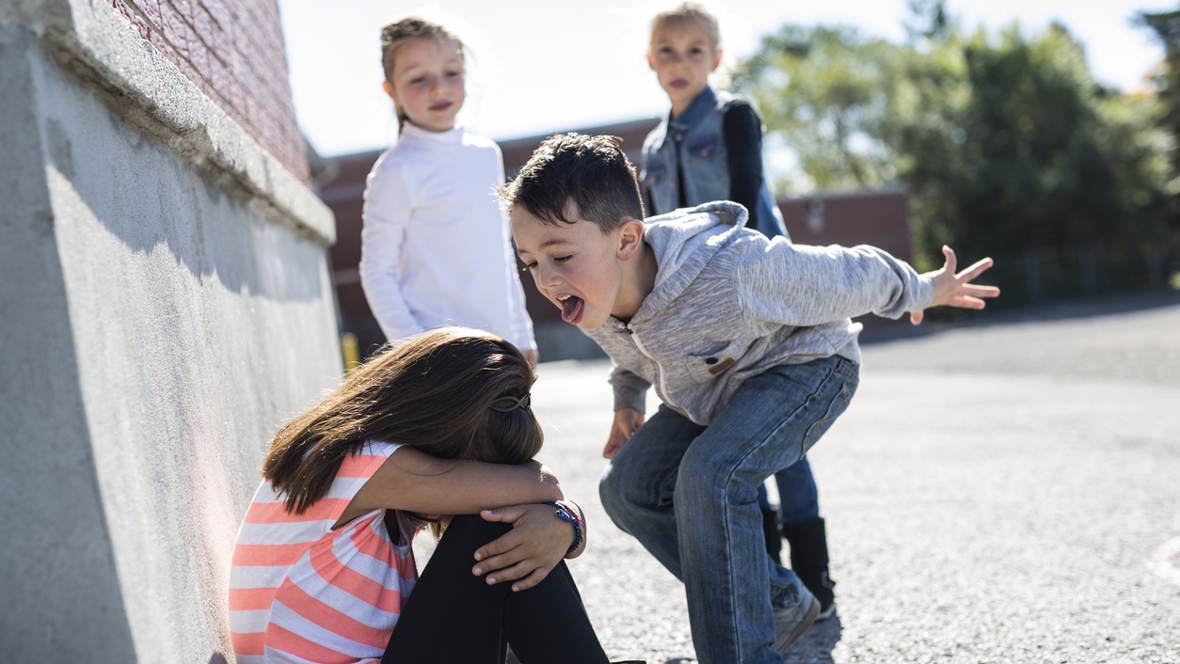

Every parent, when sending their child off to school for the first time, worries at least a little bit. What if they don’t make friends? What if somebody picks on them? People used to think playground bullying was a fact of life. But the harm bullying causes – for both the victim and the bully – is not something that adults should simply accept, nor should the responsibility for eliminating bullying fall on the victims. As much as we hate to consider the possibility that our own child could be the problem, it’s our responsibility to take action when that is the case.
What is bullying?
Bullying is defined in many ways, but at its root, is all about power. One common definition is harmful behavior where the recipient cannot stop it. Despite stereotypes, harmful behavior is not necessarily physical violence. “Mean girl” behavior is a form of bullying, too. The nature of the bully’s power can also vary.
“They’re not always the ‘tough’ ones and they’re not always the popular ones, the cheerleaders. It can be anybody,” says Judy French, coordinator of the Los Angeles office of PACER’s National Bullying Prevention Center. But children who bully do share some characteristics. “They are quick to blame others, and they have a sense of entitlement about difference, so they have a reason why [they think] it’s okay to do the bullying,” she says. “And they might not show a lot of empathy or compassion; other people’s feelings don’t matter.”
Many school districts still define bullying as intentional and repetitive behavior. But French says the current understanding of bullying is broader. A single instance of cruel behavior can create the atmosphere of fear inherent in bullying, because the victim doesn’t know when or if there will be a repeat performance. And children who are very young, neurodivergent or have undeveloped social skills can unknowingly engage in bullying behavior that nevertheless causes the same harm.
Identifying the bully
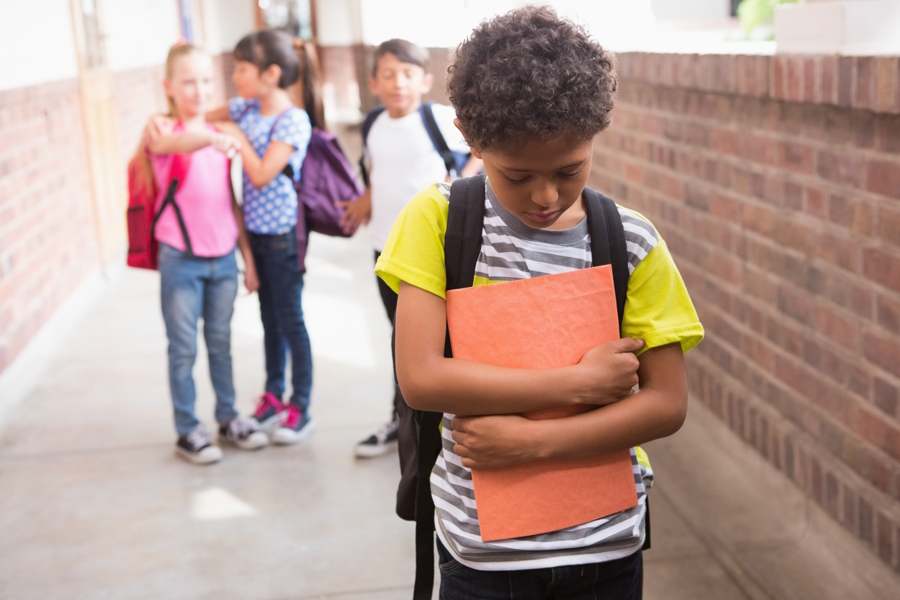
“Often, parents find out their child is bullying another when the school calls. They find out from others; they don’t find out on their own,” says French. “That’s because it is very covert when children have been bullying. No child wants to be identified as bullying anyone. And so it’s going to take some detective work on behalf of the adults to figure out if a child is participating in bullying.”
Both students who bully and those being bullied often show the same signs — frequent headaches or stomach aches, changes in eating or sleeping habits and avoidance of school or social situations.
That might be because bullying is not a one-way street. “Sometimes children who are bullying are being bullied as well. That’s called reactive bullying. So that’s when we might see those behaviors that look like they’re being targeted — because they might be,” says French.
The “Bullying Behavior” tab on PACER’s web page for parents has more information on effective responses, including tools to develop a plan with your child for changing bullying behavior and a guide for parents and educators.
Stand for the Silent offers a free K–2 bullying prevention curriculum and The Proactive Parent’s Cyberbullying Handbook.
Importance of change
While the damage bullying causes is well-recognized, fewer people realize the harm the child doing the bullying experiences. After all, they are the children who are “winning” and wielding power. Looking around, it often seems like the bullies are winning in adulthood, too.
“When other kids see that it works, [they] think, ‘Well, I’m going to try that. If I can make you give me your candy bar, I might try that again,’” says French.
But that kind of win doesn’t translate to functional social skills, real friendships, moral courage or long-term happiness.
“You don’t want the tools in the toolbox to be only hammers. If we want to develop in a healthy way, they have to develop a whole array of human behavior tools,” says French. Studies have found that children who bully share many of the same long-term impacts as their victims. Both groups are at risk of developing psychosomatic problems, psychosis, and behavioral issues such as drug use, self-harm and suicide, as well as problems in schooling, employment and social relationships.
Without condoning their harmful behavior, adults need to recognize that children who bully are also at risk, and bullying behavior requires skillful intervention.
“We really want to provide consequences and hold kids accountable for what they’ve done, but then also help them change and to let everybody know that if a child’s been bullying, they can change. They’re not stuck in that mode,” says French.
Change is possible
“Bullying is a behavior, not an identity. So that’s why when we talk about bullying with kids, we need to make sure we’re really referring to what’s happening with behaviors. When we call kids bullies, it’s a role that kids get cast into and they’re not allowed to leave that identity,” Fresh says. “It never goes away and it sends a message to kids that they can’t change their behavior. You know, kids that you might have gone to grammar school with, you see at your 20th high school reunion and people will point them out, ‘There’s the bully.’”
Fortunately, change is possible, and it benefits not only the victims, but also the aggressor, and by extension, the entire school community, which becomes a safer, friendlier place.
Changing behavior
Most school districts have disciplinary policies around bullying, and parents should not try to circumvent them. But they should know that the path to change lies elsewhere.
“Involving law enforcement or suspensions do not work to deter future bullying, though they’re often the first things people think about. Adults have to work with the student who’s been bullying to support and scaffold the success we want them to have in changing their behavior,” says French.
Successful scaffolding is complicated and largely depends on the specific circumstances and underlying causes. That’s why French says the first step is often the hardest for parents. When that call comes from the school, “The first thing they need is to gather the information and listen without too much emotional reaction. That’s really difficult to do, but until you have the information, you really can’t be the judge of what’s happened. So take a step back, take a pause and be open-minded about what you’re hearing. And then move on from there to speaking to your child,” says French.
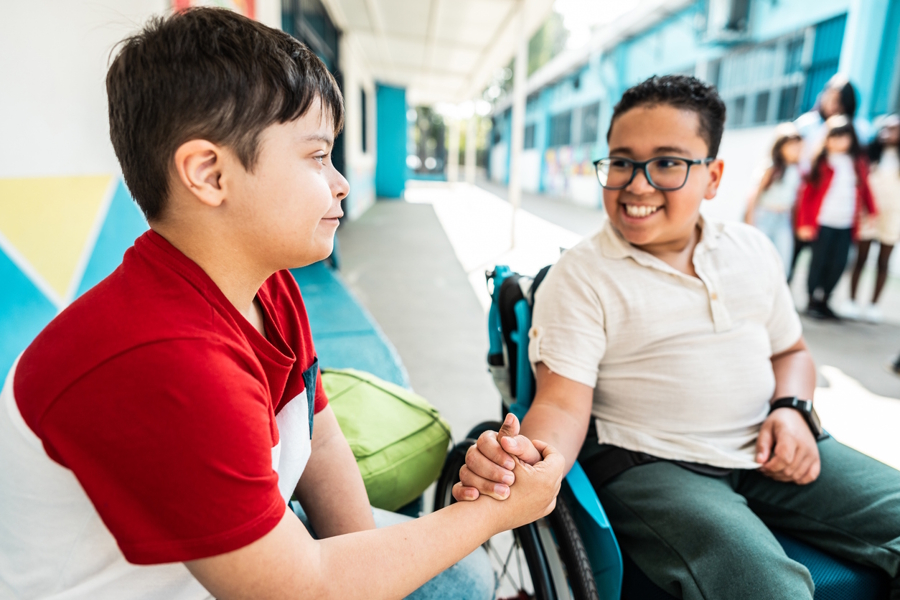
The purpose of all this listening is to look for the underlying causes of the behavior. Sometimes, a developmental issue like autism could lead a child to adopt bullying behaviors without understanding what they are doing. But poor social skills can lead to misuse of power without any sort of disability.
According to research, an authoritarian parenting style is associated with bullying. Authoritarian parenting seeks control without allowing for discussion, often including strict punishments. By contrast, studies show that parental support for autonomy reduces bullying. Parents can support autonomy by offering choices and age-appropriate tasks.
Another consideration is whether your child is the instigator or a follower. A follower may be acting out of fear or a desire for belonging, and these differing underlying motivations will require differing responses. Not every child feels they have the social capital for upstander power, and like many outdated recommendations for dealing with bullying, simply telling a child they should not want to belong to a group that engages in bullying is ineffective.
“It’s hard to be concise with such a complex problem,” French warns. She advises parents to work within the requirements of their school while remaining alert to clues that can guide an individualized response employing social-emotional learning and modeling kindness.
Although the details of each situation are unique, French says there are three universal characteristics of an effective response:
- Use empowering language – label behaviors, not people.
- Involve the right people – because the aggressor’s behavior needs to change, they should be involved in developing the plan for change. The victim, on the other hand, should not be forced to engage with their bully. Bullying is not the same as conflict, and conflict resolution techniques are inappropriate.
- Embrace change – Children grow and change every day. Bullying can be discarded like any other outgrown behavior once a child develops better social skills. Children who bully are not inherently flawed and can develop kindness and empathy with guidance.