 Seattle Family Calendar
 Subscribe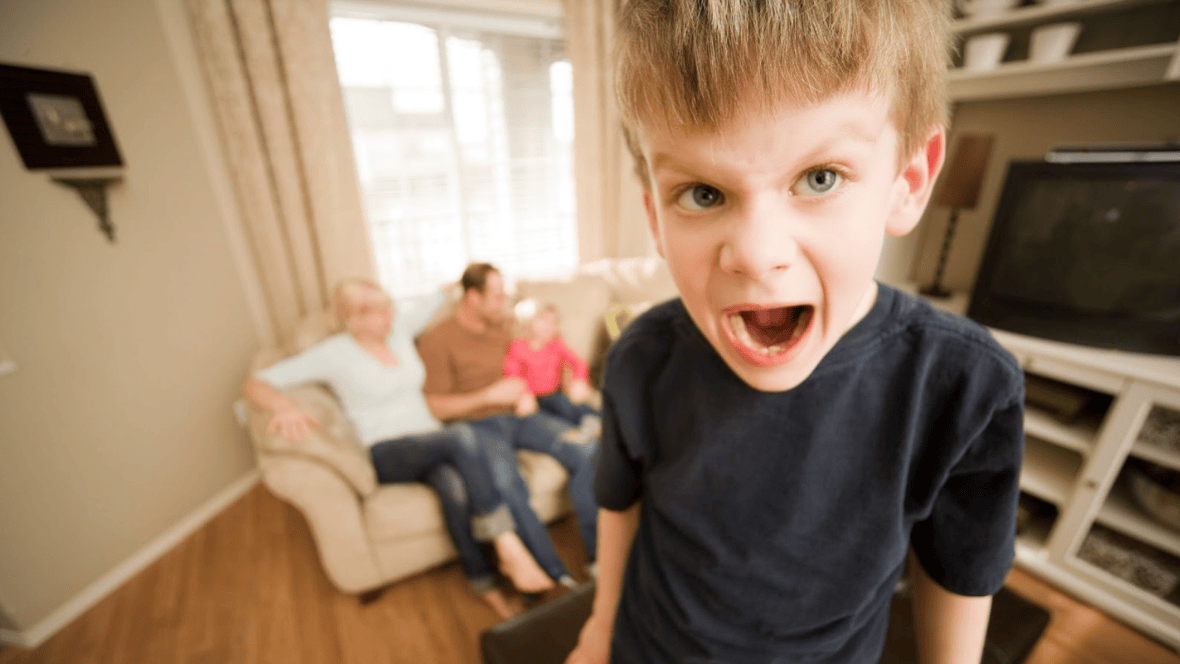

It often starts small.
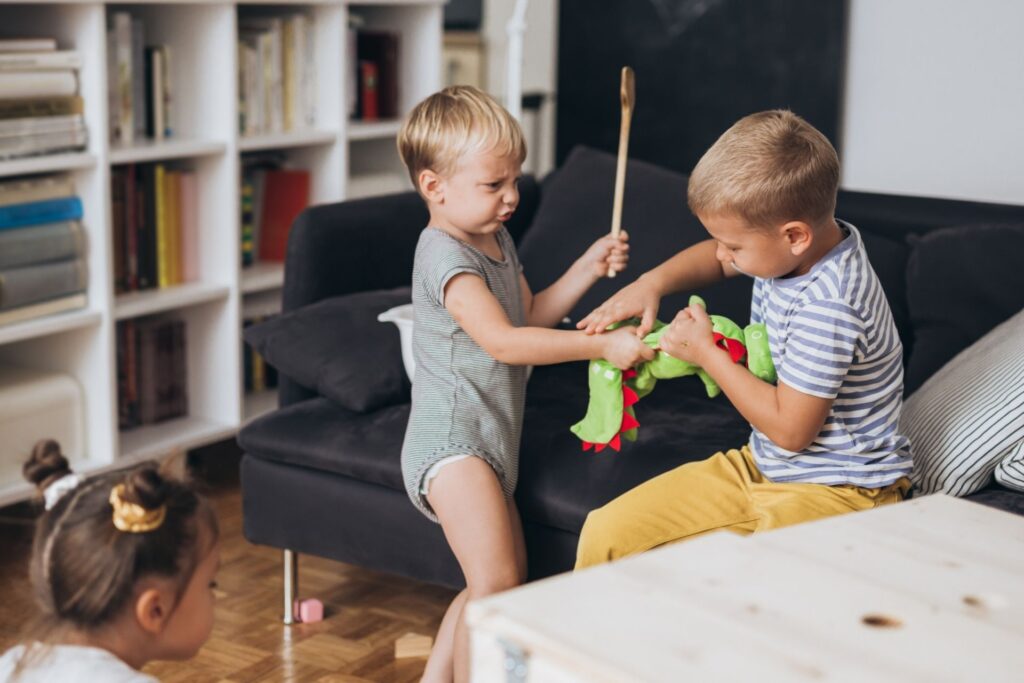
The wrong snack. The wrong socks. Any “no,” really. Suddenly, your child is furious, yelling, crying, slamming doors and melting down into a full-blown tantrum. You try to help but everything you say seems to make it worse.
At times like these, most parents think: What am I supposed to do right now?
For many of us, the answer is instinctive: Shut anger down. Calm them down; maybe send them to their room. But this doesn’t make anger go away, and shame and isolation won’t help kids learn emotional regulation.
That’s the starting point for Renee Jain, founder of GoZen! and a mental health expert, who teaches families how to work with anger instead of fighting it. Jain is offering a message many parents weren’t taught: Anger is normal.
Anger isn’t ‘bad’
“Gen Xers and millennials, we were never taught that anger is okay,” Jain says. “That is a wild concept.”
Plenty of adults know anger is a normal human emotion, at least in theory. But in real life, it can still carry shame, especially when it shows up in our kids. We may worry it means we’re failing as parents or that our child is out of control. Jain encourages parents to treat anger with curiosity, not alarm. Anger can actually provide good information.
Often, anger shows up when something feels unfair, overwhelming or disappointing, or when a child doesn’t have the words yet to express what’s really going on beneath the outburst. And when kids get the message that anger is “bad,” they learn two unhelpful lessons: Strong feelings are dangerous, and when you have strong feelings, you might be isolated.
Why anger feels more intense now
Parents sometimes say it feels like kids are angrier than ever. Jain points to a few reasons anger is more visible today:
- Kids are around adults more than they used to be.
- Kids have fewer natural outlets for stress.
- Families are busier, and daily life is more structured.
- Screens are constant.
- We’re learning more about how stress, sleep, movement and time outdoors impact kids’ nervous system regulation.
In other words: It’s less a matter of kids having “less resilience,” and more about them having more overstimulating inputs, less release and fewer tools.
Why the usual anger advice fails
Parents aren’t lacking advice; we all know about deep breathing, taking a walk and counting to 10. But if those tips were enough, fewer families would feel so stuck. “You can Google 100 ways to calm down,” Jain says. “But that’s not the paradigm shift we need.”
Jain argues we need to move away from the idea that the goal is to make anger vanish, and lean toward teaching kids what anger is for, what it’s telling them, and how to move through it without hurting themselves or others. In her ParentMap Talk, she offers a few practical ways to do that, starting with what parents should do (and avoid) in the heat of the moment.
Changing the anger cycle
Jain says many families get trapped in a cycle of shame, one that often gets passed down. When parents weren’t taught how to express anger in a healthy way, they tend to default to the same messaging they heard as kids: calm down, stop it, go to your room, you’re overreacting.
We need to move away from the idea that the goal is to make anger vanish, and lean toward teaching kids what anger is for.
But shame won’t help kids learn emotional regulation. When their nervous systems are flooded, it’s virtually impossible for them to learn new skills. Instead of calming tips, Jain teaches parents to start with a different foundation: Anger is normal and it can serve a purpose. The goal is to help kids express anger safely, understand what it’s trying to communicate and then build skills once everyone has cooled down.
What to do in the middle of a tantrum
One of the first tools Jain teaches is how to create what she calls a container: a safe structure around a child’s anger so they can express big feelings without hurting themselves, damaging property or hurting someone else. This helps parents hold steady boundaries without adding shame. In practice, this looks like keeping the moment physically and emotionally safe while a child is upset, and separating the emotion from the behavior.
Help kids identify what the anger is really saying
Once a child is calm enough to talk, Jain encourages parents to look beneath the surface behavior. Anger is often a signal, and sometimes it’s a cover emotion that masks other feelings underneath it such as fear, hurt, overwhelm, embarrassment or disappointment. Helping kids understand what that anger is pointing to can reduce repeat blowups over time and build emotional awareness.
The goal is to help kids express anger safely …
Instead of asking, “Why did you act like that?” Jain’s approach invites parents to explore what happened internally: What felt unfair? What felt scary? What hurt?
Move the teachable moment away from the anger
One of Jain’s biggest points is a simple one that many parents already sense instinctively: Nobody can learn when they’re angry.
That means the lesson — the conversation about what happened, how to repair and what to do differently next time — often needs to happen after the tantrum has passed.
By moving the teachable moment away from the angry moment, parents reduce power struggles and give kids a real chance to build skills when their brains are actually ready to absorb them.
Renee Jain was a 2026 ParentMap Talks speaker. Sign up online to purchase a pass to access her talk, and be sure to register for the upcoming season!
Editor’s note: This article was originally published in January 2026, and was thoroughly fact-checked by ParentMap’s content editor, Kari Hanson, on July 21, 2026.