 Seattle Family Calendar
 Subscribe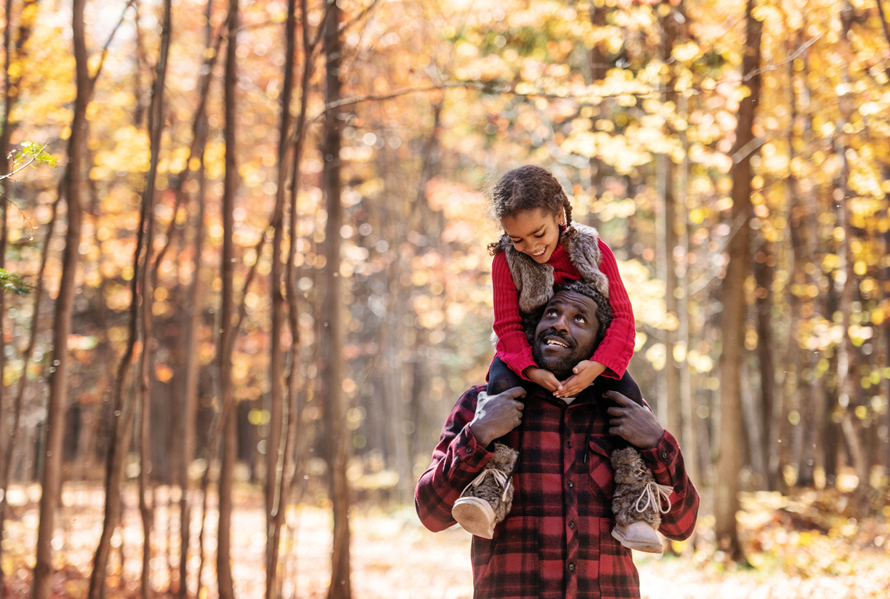

Rain or shine or snowflakes
Sure, the fall and winter days in the Pacific Northwest are shorter than a toddler’s attention span, but that doesn’t mean your kids should stay inside. Connecting to nature and experiencing the outdoors in all seasons is more vital during this pandemic era than ever before. Here’s why your kids need to go outside and play — rain or shine or snowflakes.
Nature is good for kids’ health
“Being outside is essential for children’s healthy physical, mental and interpersonal development,” says Kurt Beil, N.D., a clinician and researcher specializing in nature and health. “The research data are quite clear that kids who spend more time outside are healthier, do better academically and socially, have better focus and concentration, are more creative and have higher self-esteem. There is even evidence that it helps them be more generous, empathic and kind.”
But how much nature time do kids need? It turns out that children need at least 120 minutes of time in nature a week. Referencing numerous research studies conducted over the past 15 years on the health benefits of time spent in nature, journalist Richard Louv, author of “Last Child in the Woods” and coiner of the term “nature deficit disorder,” describes exposure to nature as not just nice to have, but something we all “have to have for physical health and cognitive function.”
Zoom is not recess
The reality is that due to current pandemic restrictions and limitations, our kids are experiencing so many things through a video screen — even recess.
But according to the American Academy of Pediatrics, “Recess is unique from, and a complement to, physical education — not a substitute for it.” With the majority of students resuming the 2020–21 school year online, children are missing out on the physical opportunities of in-person instruction as well as free play outdoors. Luckily, most school curricula are still including time for recess in students’ schedules. But how does a child experience nature in 15- to 20-minute bursts?
Here are some spur-of-the-moment ideas for parents to include a little outdoor time for their kids in the middle of the day:
- Create a nature table outdoors. Start a collection of new rocks, plants, leaves and insects to study. Have the kids explore the science and biology behind their discoveries during their time indoors.
- Grow a winter garden. In the Pacific Northwest, you can find many different options for winter cultivation, such as kale or ornamental cabbage. Let your child tend the plot and check on the plants’ progress daily.
- Imitate animals. Use their recess time to explore the lives of favorite wildlife. Kids can try hopping like a bunny, flapping their “wings” like a bird and galloping like a horse. Also have them look around to see if they can find natural foods their animal would eat.
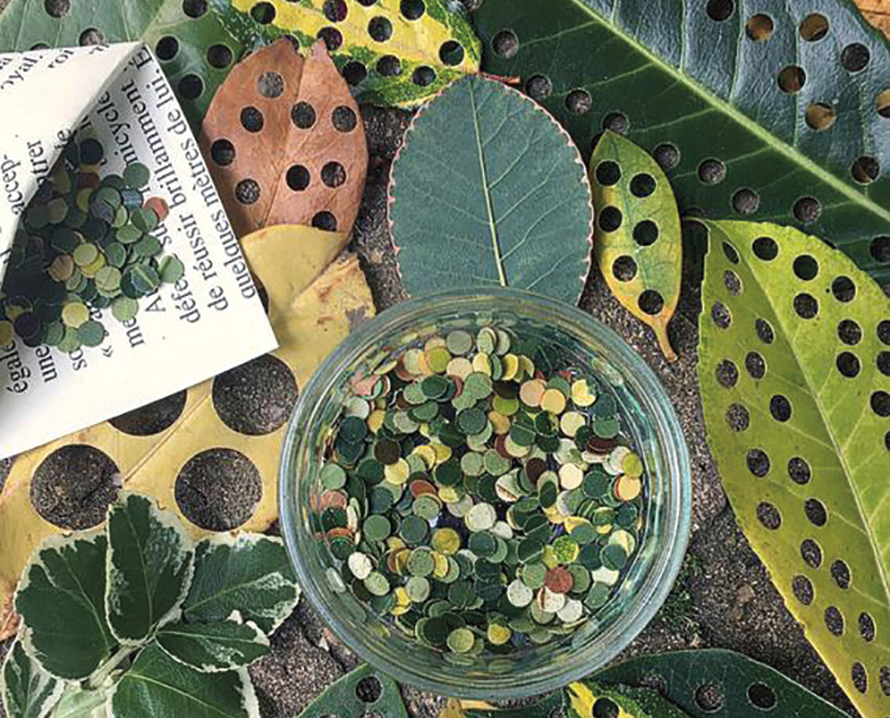
- Make leaf art. Take a short walk with your kids to choose some colorful leaves and ferns during a break. Set the leaves out to dry at home and before you know it, you’re ready to make a great leaf collage. Or try one of my personal favorites: making leaf confetti. (Find a great tutorial on Mother Natured.)
- Do a lap around their personal obstacle course. Kong Academy recently shared some great ideas for creating a “living-room ninja” course with the ParentMap audience, and you can extrapolate on this idea for the outdoors pretty easily, even if you have a small yard. (Find more ideas for indoor and outdoor playtime on ParentMap’s YouTube channel.)
- Screen-free recess breaks. Consult our list of indoor and outdoor activities that will give your kids breaks from remote school.
You’ll be surprised by how much difference even 15 minutes can make when you incorporate fresh air, (intermittent) sunshine and even rain into your kids’ daily routine.
Go the distance — outdoors
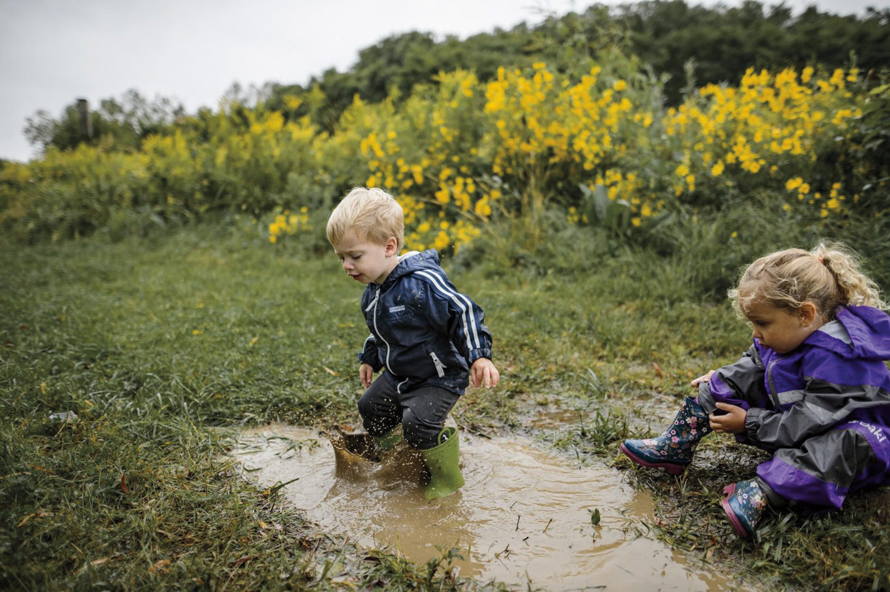
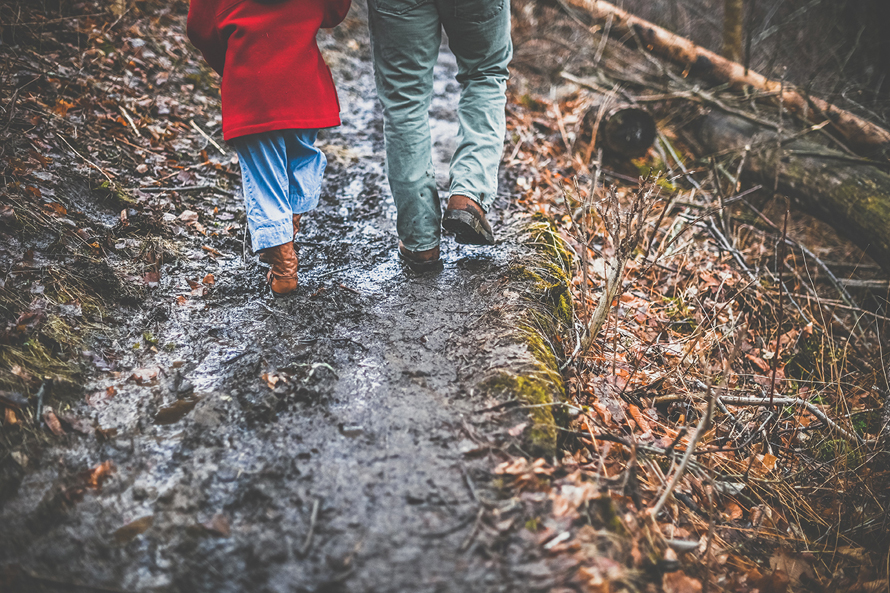
There’s nothing wrong with a little mud and water, and there is no age limit on jumping in puddles. Hike It Baby contributor Samantha Reddy reminds us that jumping in puddles is one of the few activities through which we can really let kids loose to “misbehave.” In addition to the feeling of freedom puddle play gives, the little bit of dirt encountered is good for the immune system.
Hike It Baby offers a great way to organize nature walks in parent- and kid-friendly spaces near you. You can also try more advanced outdoor activities, such as kayaking and snowshoeing, through The Mountaineers, which offers summer camps and after-school programs for kids ages 2–16. (Currently, its programs are operating in a modified format in alignment with COVID-19 health and safety protocols.)
Another outdoor activity popular with kids is geocaching — it’s like going on a real-life treasure hunt. Get started by checking out our geocaching 101 guide. Parents also may want to visit the Children and Nature Network, which offers a large library of health and nature information and related toolkits for families.
If you’d prefer to take the family on a DIY adventure, here are some tips to help make it a success. And even if you’re planning to take a short hike, it’s always best to be prepared for a longer trek — which includes wearing the right clothing.
- Go the (right) distance. On average, kids can hike a half-mile per year of age. If your hike is longer than this distance, be prepared to carry or cart your child part of the way.
- Pack more than a first aid kit. Pack your own supplies and know how to use them. Provide each child with a small bag containing emergency supplies, on the rare chance you become separated. As with all hikes, you’ll want to bring along the 10 Essentials.
- Bring water. The rule of thumb is 4 cups of water per adult per hour and 1–2 cups per child over the same period of time. Bring enough food for both snacks and emergencies.
- Plan your trip. Study area trail maps and check social media for updates on current conditions. Check weather reports and plan for possible sudden changes in conditions.
Remember that your outdoor adventure isn’t an all-or-nothing gamble — establish a reasonable goal and set a comfortable pace for all hikers.
Your bigger, bolder outdoor play
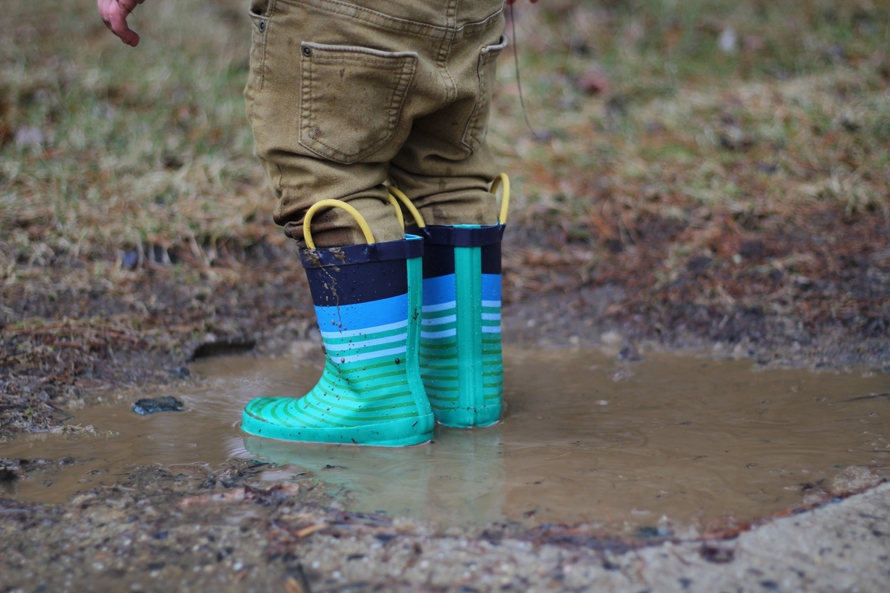
In addition to these more scheduled activities, try some DIY free-play ideas. Don’t just make mud pies — make an entire mud kitchen. Build kitchen counters or islands with boxes; gather pots and pans; and even create a pizza oven and dining table for your budding top chef. Explore the space you have and cook up some fun. (Discover scads more ideas for mud play here and here.)
For variety, try these other impromptu ideas for exploring nature:
- Can’t beat the classics. Games like hide-and-seek and kickball never get old.
- Go on a treasure hunt. Create a scavenger hunt, with a prize of some delicious hot cocoa with marshmallows at the end of it. For great ideas on creating a backyard or neighborhood scavenger hunt, see here.
- Build an obstacle course. Use that discarded summer gear (pool noodles, anyone?) to create running hurdles or zigzags. Incorporate steps, hops and jumps as the terrain allows. Find more awesome ideas for obstacle courses here.
- Rediscover your backyard. From a DIY musical wall to a fairy garden, these terrific and super simple ideas can help you reimagine your kids’ outdoor play space.
- Jump in a leaf pile. It’s a great reward for helping clean up the yard.
- Write secret messages in the sand. Then let the nearby lake or ocean waves wash them away.
- Stay up to stargaze. Winter nights come early and provide clear skies for future stellar explorers to contemplate.
It doesn’t really matter how you get your children outdoors, only that you don’t let a little rain stop you. Whether a lot or a little, take time daily for you and your kids to soak up the sun, clouds, rain and fresh air. After all, it’s just what the doctor ordered.
How to dress your child for outdoor fall and winter fun
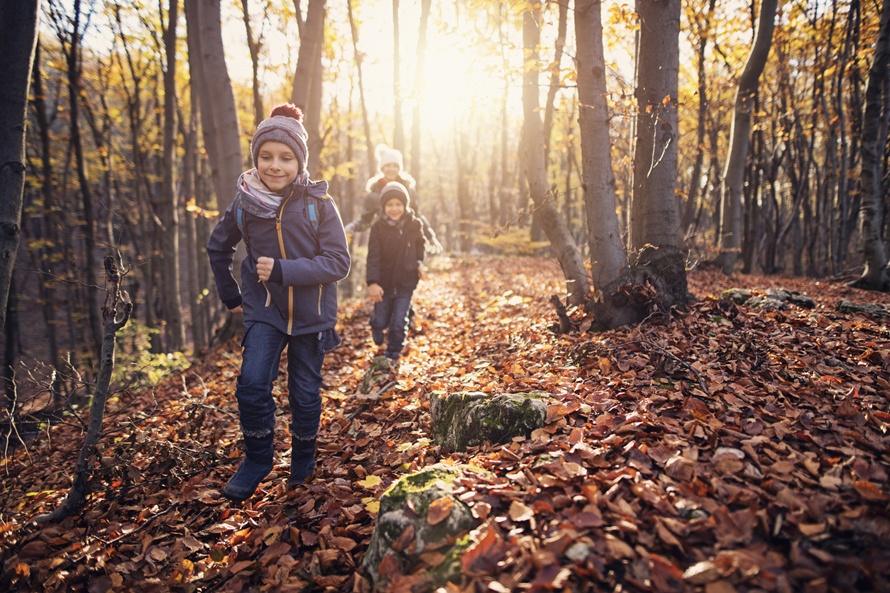
Dr. Kurt Beil explains, “Multiple decades of outdoor-school-type programs have shown that spending time outside, even in cold or rainy weather, is beneficial to children’s levels of happiness, satisfaction and sense of well-being.” As children get more physical activity, the activity itself may support “a stronger immune system to fight off seasonal colds and flus. As long as they have the right clothes and a place to warm up, get them outside for at least an hour a day all year ’round.”
Follow this three-point plan to keep small bodies dry and warm:
- Start with a thermal layer — Think long johns and wool socks for temperatures below freezing, and perhaps a layer of regular indoor clothing if temperatures are warmer.
- Add a middle insulating layer — This would be your everyday clothing, such as sweatshirts, fleece pants or jeans, which goes over the top of your thermal base. Don’t worry, extra padding just adds a layer of protection from falls caused by overly exuberant fun.
- Finish up with an outer shell — An outer shell consists of windproof and waterproof coats and rainboots for wet conditions, or gloves, hats, snow pants and boots for snowy conditions. A rainsuit is a popular outer layer in the Seattle area, for obvious reasons.
In addition to choosing the right clothes, be sure to monitor and adapt to weather conditions. Be aware of the effects of sun exposure, wind chill, soggy clothes and the length of time spent outside.
(Consult our winter weather guide for more great clothing and gear ideas to help keep your kiddo warm and dry, here.)