 Seattle Family Calendar
 Subscribe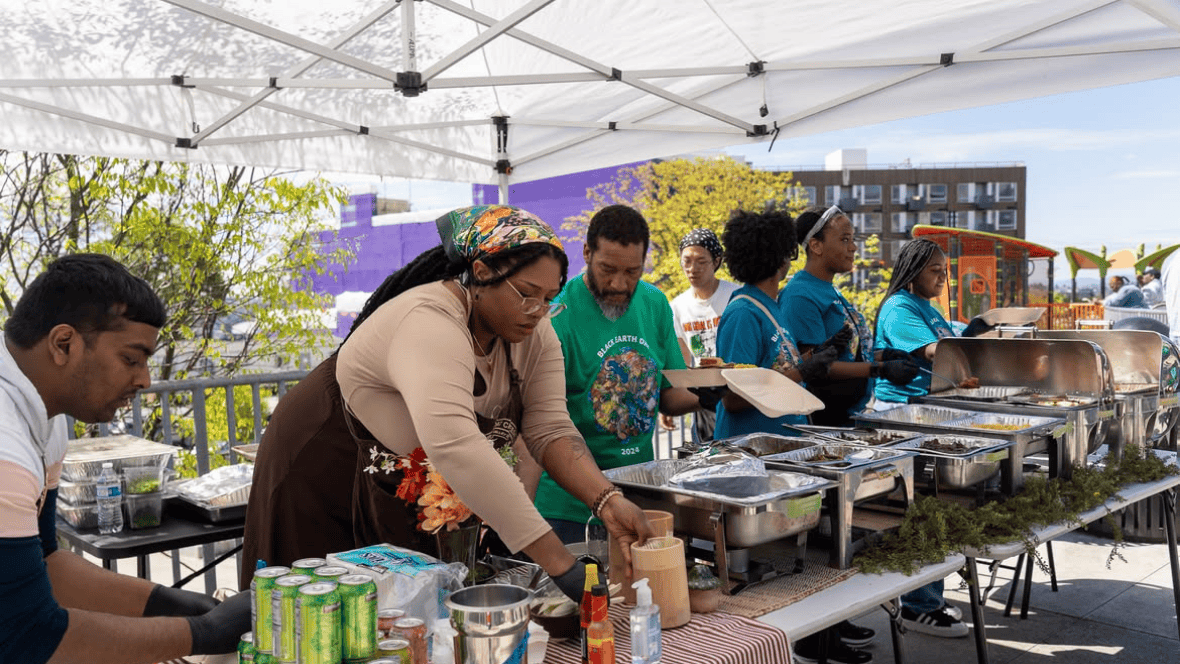

I watched a local grandma on the news, her face stricken with grief as she described what it felt like to have to find the food to feed five teenage boys during the disruption of the Supplemental Nutrition Assistance Program (food stamps) during 2025’s federal government shutdown. I shook my head in dismay. The burden of so many mouths to feed made me think of my own grandmother, Lucille, who grew up one of 15 siblings in the Bronx, New York during the Great Depression. As it goes, her family, like many others during that time, survived by making the most of what they had.
Even as life got better (Grandma couldn’t get over it when KFC once gave away free cake with family meals), she wouldn’t waste a single crumb. Instead she’d bring bags of leftovers home in a plastic baggie from church potlucks and shape them into little cakes. “It all goes to the same place!” she’d remark proudly, amused by her own resourcefulness.
With prices for all food expected to increase 2.7 percent in 2026, according to the USDA’s Food Price Outlook-Summary Findings, I think it’s fair to say that we are all feeling the pinch. It feels like a good time to revisit my grandmother’s age-old wisdom.
I reached out to Nala Thomas, a southern Louisiana-born chef, educator and graduate of Seattle Culinary Academy, as her work is grounded in community, resourcefulness, ancestral legacy and love. She blends seasonal, local ingredients to create meals that are nourishing, tell stories, honor roots and bring people together.
“I really want to change the way that people think about food, scarcity and abundance,” says Thomas. “When you have community, collective resources and you honor the Earth, then you have abundance. There are different ways of being rich.”
Thomas is passionate about community cooking. She was recently faced with food insecurity and her community showed up! They gathered to cook together, creating soups from pooled ingredients that fed not only her, but multiple households for a week.
“We provide based on what we have. In some seasons, some have more than others. It’s about making do with what we have, showing up consistently and trusting that abundance comes from shared effort rather than everything being equal. Some seasons I have more, some seasons I don’t, and we rely on each other to fill in the gaps,” she shares.
For Thomas, communal cooking practice looks like people, such as farmers, chefs, family and friends, bringing what they have, adding it to the pot, sharing sides and building a meal together. It’s similar to a potluck, but more collective and hands-on. The community cooks together, eats together and often leaves with enough to share beyond the table.
“Recently, friends and I organized a group meal prep using whatever ingredients were around. We made a Thai curry with shared veggies leftover in our fridge, proteins cooked separately like fried fish and teriyaki chicken, sides like papaya salad (Thai- and Lao-style), and even dessert; some leftover miso chocolate chip cookie dough I had left in the fridge.”
What started as a few ingredients turned into an abundant spread, with leftovers to share with each other and community members.
“That’s how I understand resilience, not as doing everything alone, but as showing up, contributing what you can and feeding each other through it,” she shares.
Passing down traditional cooking
Thomas learned how to cook through watching the women in her family and other matriarchs she met along her culinary journey. “I grew up in southern Louisiana eating Creole and Cajun foods that were meant to stretch and feed many; foods like red beans and rice, gumbo, cabbage, green beans and using all parts of the animal. These meals were affordable, filling and made with love,” she says.
A big pot of red beans or chicken stew would feed them for days, and always tasted better as time went on. Meals were stretched even more with sides such as cornbread, potato salad and whatever veggies were on hand.
“That kind of cooking came from survival,” she says. “Enslaved people were forced to make meals from scraps and limited resources, and they turned that into something sustaining and delicious. For example, they used ham hock to add flavor, which is sustainable because it uses all parts of the animal.” That history lives in the food she grew up eating. Now Thomas is interested in how food can hold both resilience and healing. In her kitchen, that looks like adapting traditional foods rather than abandoning them. “I still cook red beans and rice,” she says, “but I might make it plant-based using mushrooms instead of sausage, more layered by using spice blends like berbere.”
Thomas explains that beyond cost, communal cooking builds resilience because it strengthens relationships. “People learn to rely on each other across different seasons of life, knowing that support doesn’t always look equal. It looks like showing up with what you have. That trust and consistency is what allows communities to weather financial strain, food insecurity and change,” she says.
A few of Chef Nala Thomas’ favorite recipes
Red Beans and Rice
Ingredients
- 2 pounds dried red beans (Camellia preferred)
- 1 (13 ounces) andouille sausage, sliced (optional: plant-based sausage or portobello mushrooms)
- 1 large sweet onion, diced
- 3–4 stalks celery, diced
- 2 green bell peppers, diced
- 4 green onions, sliced (white and green separated)
- 7 cloves garlic, minced
- 2 bay leaves
- 1/2 tablespoon fresh thyme (or 1 teaspoon dried)
- 1 teaspoon Cajun seasoning
- 1 teaspoon berbere (optional)
- Chicken or vegetable broth (enough to cover beans by 1 inch)
- Salt and black pepper, to taste
- 1 ham hock or smoked turkey wing (optional)
- Vegetarian: 1/2–1 teaspoon liquid smoke, 1/2 teaspoon smoked paprika, 1–2 teaspoon shiitake mushroom powder
Rice
- 3 cups long-grain white rice
- 5 1/2–6 cups water
- 1/2 teaspoon salt
To finish
- Fresh parsley, finely chopped
- Reserved green onion tops
Instructions
- Soak beans overnight (minimum 8 hours). Drain, rinse and sort.
- Heat 1 tablespoon oil in a heavy-bottomed pot over low–medium heat. Brown sausage until golden; remove and set aside.
- In the same pot, sauté onion, celery, bell pepper and green onion whites until soft and lightly caramelized, about 8–10 minutes.
- Add garlic and cook until fragrant, about 30 seconds. Stir in thyme, Cajun seasoning, berbere (if using), bay leaves, black pepper and optional vegetarian smoky seasonings if using.
- Add beans and enough broth to cover by about 1 inch. Add ham hock or turkey wing if using.
- Bring to a gentle boil, then reduce to a low simmer. Cover slightly and cook 2–3 hours, stirring occasionally.
- Mash a small portion of beans against the side of the pot to thicken.
- Add sausage back during the last 30–40 minutes.
- Season with salt near the end. Beans should be creamy and saucy, not soupy.
- Remove from heat and let rest 15–20 minutes before serving.
Rice
- Rinse rice until water runs mostly clear.
- Bring water and salt to a boil. Add rice, stir once, cover and reduce to low.
- Cook for 15–18 minutes. Turn off heat and rest 5 minutes. Fluff before serving.
To serve: Spoon beans over rice. Finish with fresh parsley and green onion tops. Add hot sauce if desired. Serves ~5
Blue Cornbread (gluten-free, dairy-free)
Dry ingredients
- 2 cups blue corn flour; finely ground (you can do it in a food processor or blender) or you can use yellow cornmeal if you can’t find any
- 1 cup gluten-free flour
- 2 teaspoons baking powder
- 1 teaspoon Celtic salt
- 1/2 teaspoon ground cardamom
- 1/2 cup sugar
- 1/2 cup coconut sugar
- Pinch of MSG (optional, for depth)
Wet ingredients
- 3 eggs
- 1/2 cup olive oil or neutral oil
- 2 cups coconut milk (boxed preferred)
- 1 tablespoon honey
Instructions
- Preheat Oven 350 degrees, prepare grease a 9 inch round pan, set aside.
- Combine all dry ingredients in a bowl.
- In a separate bowl, combine all wet ingredients.
- Add wet ingredients to dry and mix until just incorporated. Do not overmix.
Pour into the prepared pan and bake at 350°F for 20–25 minutes, until golden brown. Insert a toothpick or knife into the center; if it comes out clean, it’s ready.
Vegan Japchae (잡채) (Adapted from Maangchi)
Ingredients
- 4 ounces sweet potato starch noodles (dangmyeon)
- 4 ounces spinach
- 1 medium onion, thinly sliced
- 2–3 green onions, cut into 2-inch pieces
- 1 medium carrot, cut into matchsticks
- ½ red bell pepper, thinly sliced (optional)
- 2 dried shiitake mushrooms, soaked and thinly sliced
- 1 cup fresh mushrooms (oyster, king trumpet or cremini), sliced
- 1 block extra-firm tofu, sliced and pan-fried until golden
- 3 tablespoon soy sauce
- 1½ tablespoon toasted sesame oil
- 1 teaspoon sugar or maple syrup
- 2 garlic cloves, minced
- ½ teaspoon ground black pepper
- Kosher salt
- 1 tablespoon toasted sesame seeds for topping
- Neutral oil, for cooking
- Sesame oil for garnish too
Instructions
- Bring a large pot of water to a boil. Add spinach and blanch for 30 seconds to 1 minute. Remove with a strainer, keeping the water boiling. Rinse spinach under cold water, squeeze dry, chop lightly and place in a large bowl. Season with a small splash of soy sauce and sesame oil. Set aside.
- Add noodles to the boiling water and cook until soft and chewy, about 8 minutes. Drain and cut once or twice with kitchen scissors. Add to the bowl with spinach and toss with a small drizzle of sesame oil, a splash of soy sauce and a pinch of sugar to prevent sticking.
- In a small bowl, whisk together soy sauce, sesame oil, sugar, garlic and black pepper. Set aside.
- Heat a skillet over medium-high heat. Add oil, onion and green onion with a pinch of salt. Sauté until translucent. Transfer to the noodle bowl. In the same pan, add oil and cook mushrooms until juicy and lightly browned. Transfer. Add oil and quickly sauté carrot and bell pepper just until tender. Transfer.
- Add oil to the skillet. Add shiitake mushrooms and cook until glossy. Add tofu and toss gently to coat and warm through. Transfer to the noodle bowl.
- Pour the sauce over the noodles and vegetables. Add sesame seeds. Mix gently but thoroughly until evenly coated. Taste and adjust seasoning if needed.
To serve: Transfer to a serving plate and serve warm or at room temperature. Serves 3–4.
How to start your own community pot
- Communicate with your community and send out a text thread or an email, pitch your local church or cultural center. Don’t be afraid to express need! You will be surprised how many people experience food insecurity, how many need help, especially with the prices of groceries rising. We need to depend on each other now more than ever, so know that you are not alone and don’t be shy.
- Decide on what to cook based on ingredients that people already have. One person might bring produce, another pantry staples, someone else protein or spices. By cooking together you’re able to make a full and nourishing spread that would be more expensive to do alone.
- Schedule a time and a place to cook together. This can be someone’s home, or a community or cultural center. This may work best on a weekend when people have time to gather.
Zero-Waste cooking hacks that save money
- Transform food waste into nourishing meals. “Soup is great because you can put a multitude of things in it. You want to use every single part of everything. Carrot stems and chicken bones can be used to make soup stock. I always buy chicken thighs because they’re cheaper, and bone-in. Then you can debone them and use the bones for broth,” says Thomas.
- Regrow your vegetables using roots and discarded seeds. “Green onion roots can be replanted, avocado seeds can be placed in a glass of water and resprouted but these take about seven years to regrow! We’ve done it, but we also laugh at the time it takes,” says Thomas.
- Freeze leftover ingredients for later use. “If I don’t have the energy or time to do it right then and there, I’ll just throw [ingredients] in the freezer,” says Thomas.
- Repurpose ingredients. “Did you know that you can even use onion skins to dye clothes? I started doing that recently. It’s really beautiful,” says Thomas.
Chef Nala Thomas’ favorite local food pantries, community gardens and organizations
- Delridge Farmers Market in West Seattle. Open from May–October. It often has free produce and with every child you’ll get $5 market bucks, and it offers free supplies.
- Rainier Beach Action Coalition. During the farmers market season they have a community supported agriculture program where you pay for a season’s worth of fresh produce and other farm goods. “My experience has been with weekly and monthly subscriptions on a sliding scale, and cheaper options for families who need access to more affordable produce, with local seasonal options,” says Thomas.
- Tilth Alliance. Offers youth programs, camps, after-school programs and field trips. “They have a Good Food Bag system where you can get local and seasonal goods,” says Thomas.
- Beacon Food Forest. ”You can volunteer here and harvest your own fresh herbs such as thyme or rosemary. It’s community U-pick that is free to harvest,” explains Thomas.
- Black Farmers Collective. A great place to network and get involved with various farmers. It has volunteer days and offers educational workshops for kids in grades K–12, and preschool programs to address food access.
Resources for families facing food insecurity:
- Northwest Harvest’s Food Access Network
- Call 2-1-1 or visit WA211.org
- Visit findhelp.org for emergency assistance
- Find a Little Free Pantry in your area
- Connect with your local Buy Nothing group
- Seek a mutual aid network in your area