 Seattle Family Calendar
 Subscribe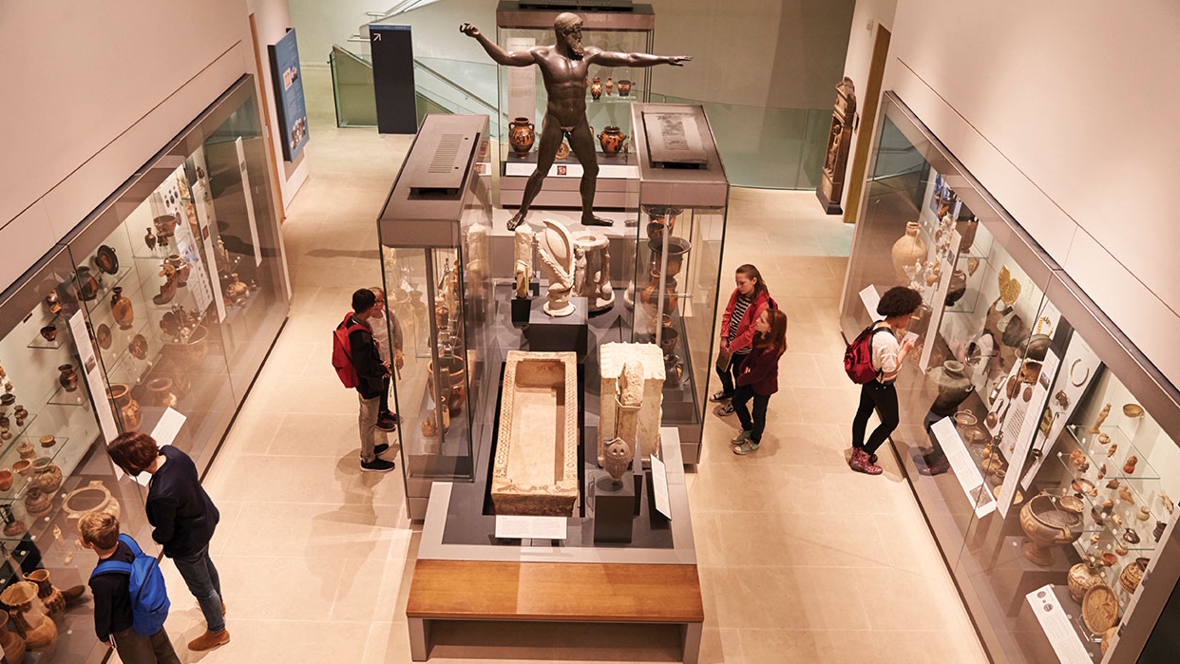

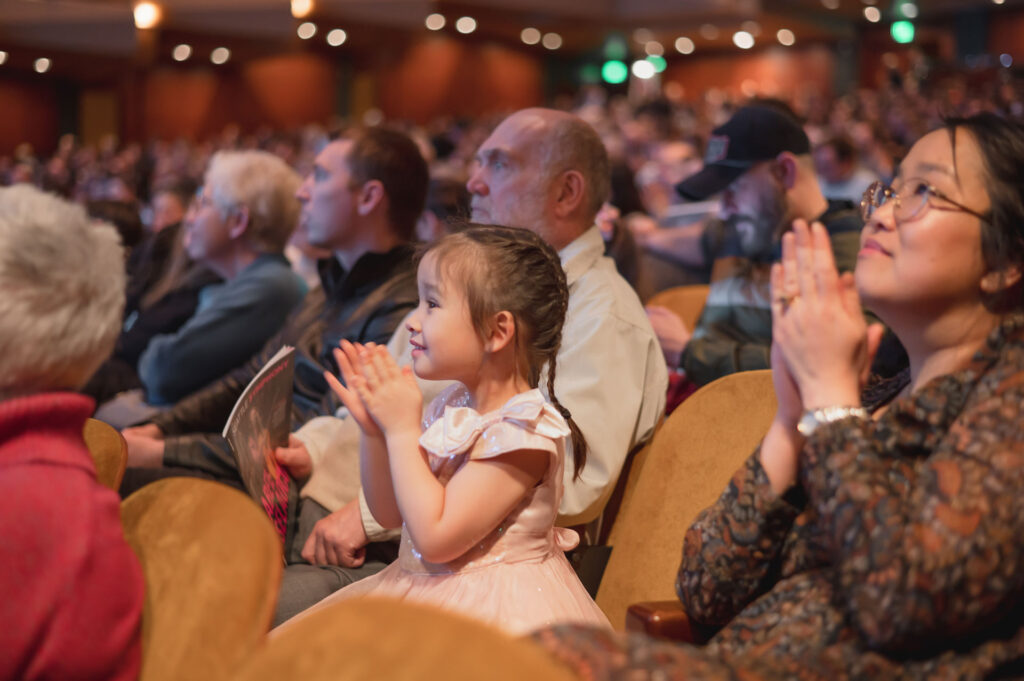
Everyone knows taking your kids to museums has educational value. But it turns out, cultural experiences such as visiting a museum or an arts performance can actually make people feel better, too. A 2018 study in older adults found a significant decrease in depression among those who participated in cultural experiences. Julietta Skoog, a local parenting coach specializing in early childhood who cofounded Sproutable, the educational resource for parents and caregivers, says that kids stand to benefit just as much as adults from cultural experiences.
Cultural experiences
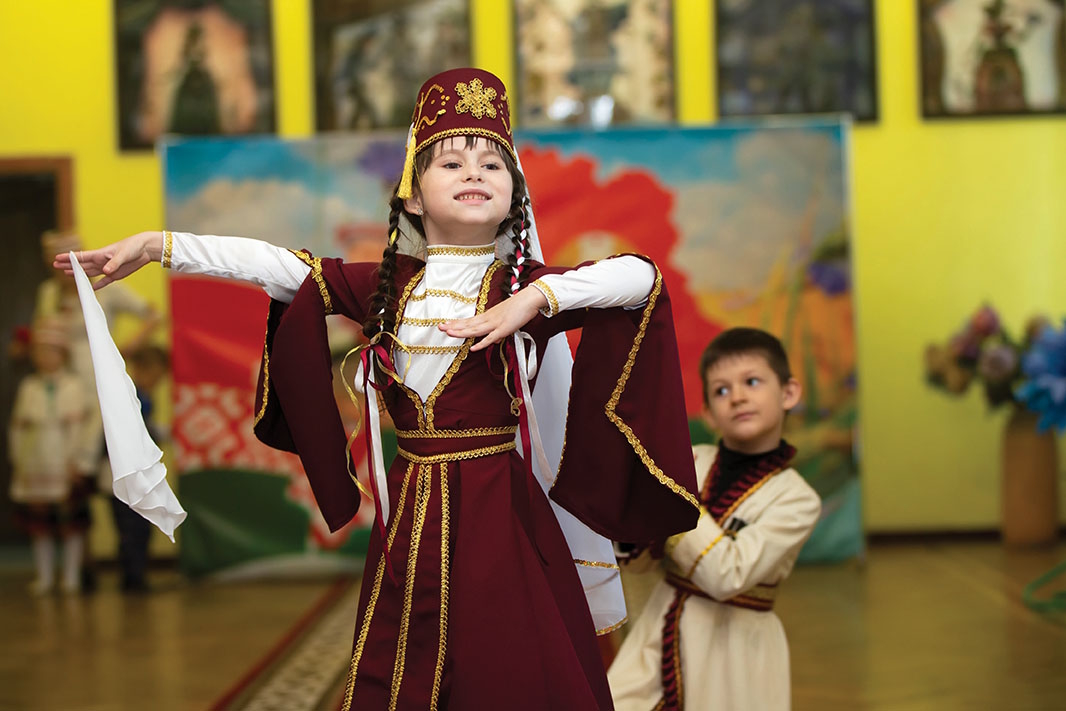
We usually think of cultural experiences as activities such as going to art museums and performances at the theater. These are excellent examples of cultural experiences, but remember, there are many different kinds of museums — including those designed expressly for children. Culture is about more than just fine arts. Seeing a movie at the cinema, attending a ball game or joining a protest are also examples of cultural engagement. Besides fine arts and civic culture, ethnic experiences are an important part of culture, too.
“Connecting to different aspects of food, and music, and language, and art, and traditions. A cultural experience might be within any one of those,” says Skoog.
Smart and sensitive
The academic benefits of cultural experiences vary with the content and context. A child who visits the Burke Museum may come home filled with new ideas about natural history, while one who attends a ball game might learn about the mechanics of the game. Attending a Festál event at Seattle Center will mean something different to a child who belongs to the ethnicity being celebrated than to one who is just discovering it. But regardless of the content of their learning, the experience of learning something new gives children a confidence boost — especially kids who might struggle in a more traditional learning environment — and contributes to a growth mindset.
“Growth mindset traits are flexibility and optimism and resilience,” says Skoog.
Cultural experiences also provide opportunities for social-emotional learning (SEL), which is even more closely linked to mental health. While any kind of excursion provides opportunities for social development, SEL opportunities are especially strong in the arts, where kids are safely exposed to “a full range of vocabulary of emotion,” says Skoog. “Beyond that, I think about those cultural experiences as a way to be exposed to some healthy tools, like movement, drawing, painting, and sculpture. By having those experiences, it shows a roadmap of things you can do with a feeling. On a personal level, that is my self-care, going by myself and walking through a museum, breathing in art.”
Significance and belonging
“One aspect of psychology that is really critical for not just children but all humans, is this need for significance and belonging. Significance meaning, ‘I matter, I can contribute,’ and belonging meaning, ‘I’m connected to others, ’” explains Skoog. “It is sometimes those special times — we took the bus downtown, and we went to Seattle Center, and we went to the play — that draws out those executive functioning skills. We say the route of encouragement is like the courage to be their best self,” says Skoog.
Seeing parents make the effort to spend time with their children and share that experience makes them feel important and valued. At the same time, seeing themselves reflected in the wider world in ways that they might not have imagined before also supports a sense of significance and belonging.
“I think the power of art and the experience of art is like, ‘Wow, look at that. Look at what I could do.’ We have to see ourselves in others. There’s that connection, that social wiring that we have in art that expands the mind in that way of [being aware of our] potential. Circling back to ‘I matter, I can contribute, I’m connected to others,’ when we think about young children, that modeling and social reinforcement, there’s a deep encouragement piece there.”
Novelty and ritual
Cultural engagement challenges children with new ideas and experiences and can also provide a sense of ritual.
“It’s that ritual piece that makes them feel safe and keeps them in that prefrontal cortex. It keeps them in that creative realm,” says Skoog. “It’s not just one-and-done, you keep tapping into that part of that spirit.”
Creating a ritual out of cultural experiences isn’t easy when you have so many daily obligations.
“Time goes by so fast. It’s like we’re on a hamster wheel. So, I think that there is real value in being intentional and mindful by looking at the calendar and planning ahead,” says Skoog. She likes to do that with family meetings, where even the youngest family members can have some input into setting priorities. As you plan new adventures, family meetings also give you a chance to revisit your past experiences and reinforce what you all learned from them.
“There is also some maintenance. I think about the limitations around just being exposed versus integrating it. Are you making time to reflect on what we learned and talk about it, to integrate it into their memories or stories?” says Skoog.
Getting culture right
As you explore different aspects of culture, your family may discover that abstract expressionism is not for you or that crowded street fairs are overwhelming. That’s okay. What matters is how you approach the experience. Try to set a tone of anticipation and excitement instead of fretting about traffic and parking (my own Achilles heel). If you spend the entire play hissing at your child to stop fidgeting, they are likely to associate special outings with your bad temper instead of looking forward to them.
“If this is supposed to be something that is enriching, well kids learn when they feel connected to you, when they feel that they have some autonomy,” says Skoog. Instead of picking cultural experiences at random, let them have input and choose activities that relate to their interests (those family meetings again). But she adds, “Research shows that effective parenting is connected and firm at the same time. So, it doesn’t mean that you’re just on a total free-for-all. It means that you’ve set up healthy limits, you set up expectations in advance,” says Skoog.
With the right attitude and a little preparation, family members of all ages stand to benefit from the feelings of significance and belonging strengthened by cultural experiences. And if the fringe benefit of having kids who are comfortable and well-behaved in a variety of environments doesn’t actually improve your mental health, it can certainly give you some peace of mind.