
 Seattle Family Calendar
 Subscribe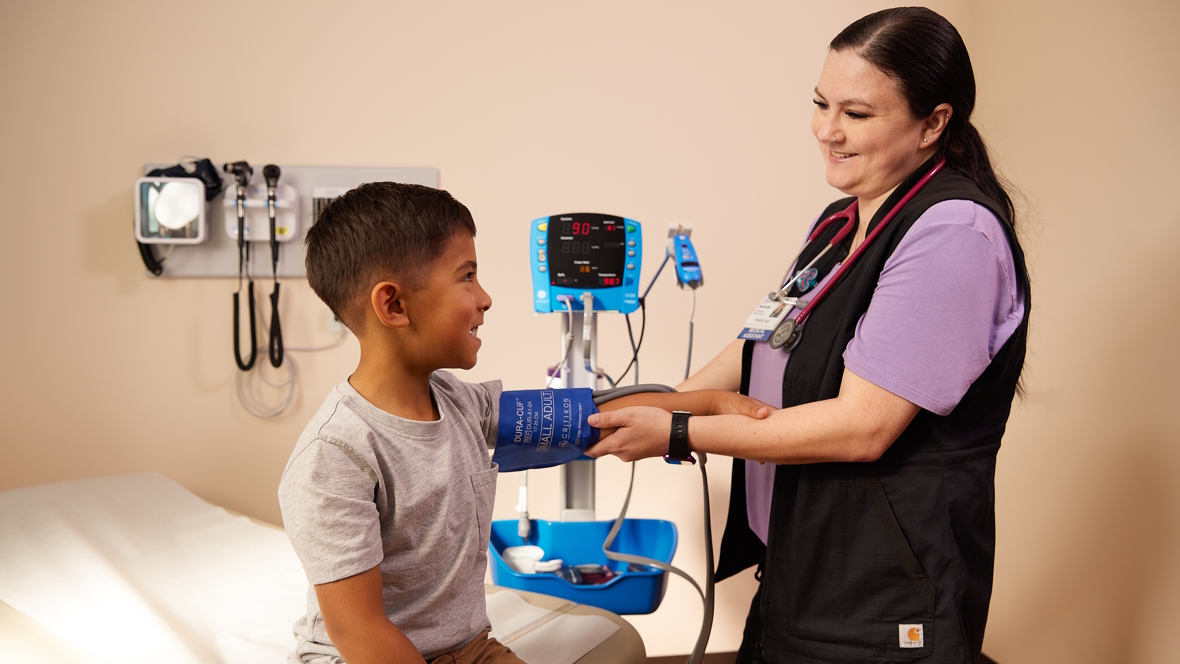

Editor’s note: This article was sponsored by Mary Bridge Children’s
Many kids are hesitant about visiting the doctor’s office or hospital. But the association doesn’t have to be unpleasant, says Kristen Bishop, a certified child life specialist with Mary Bridge Children’s Hospital. Over the years, Bishop and her team have developed tips and tricks that can help reduce stress and anxiety for young patients.
“We’re always trying to think outside the box,” she says. “How do we help kids and families develop these tools and feel more confident?”
The approaches Bishop has crafted over years of working with hospitalized children provide a helpful roadmap for parents seeking strategies for routine wellness visits, too. Here are a few of her practical tips for creating a positive health care experience.
Convert medical jargon into child-friendly language
Unfamiliar medical terms such as “appendicitis” or “immunization” can sound serious — and scary. Start by thinking like a child, and stripping medical language down to its basic components, Bishop advises. Keep language concrete and begin with the basics. That might mean thinking from a kid’s perspective about what they may or may not know. For example, when a child experiences appendicitis, start with the big picture and then zoom in.
“We talk about how the body has lots of different organs and pieces,” Bishop says. “What does your heart do? What does your brain do? You have this tiny part of your body called your appendix. The appendix is an organ we can live without, unlike the heart and the brain. Sometimes, our appendix gets sick and has to come out.”
It’s important to very clearly connect all the dots, and not assume that children share the same basic medical knowledge as adults. Bishop always makes sure to explain that a surgeon makes a very small opening and then fully seals it up after any procedure.
“Kids engage in magical thinking,” she says. “We try to minimize the opportunities for misconception.”
Children might also wonder how their body will respond after a medical event. That’s why it’s critical to emphasize what will feel normal, such as eating, going to the bathroom, standing up and walking around.
“We see a lot of those aha moments in which their whole facial expression changes, and there is a release of anxiety, pressure and fear,” she says.
Even if your child is heading in for a routine vaccination, the same advice holds true. Before the appointment, talk your child through the experience step by step. It’s helpful to think of sensory details such as what something might smell like, its size and sensation, such as a pinch. Using simple and specific language to outline the steps can also help parents, many of whom experience their own fears and concerns around their child’s health care.
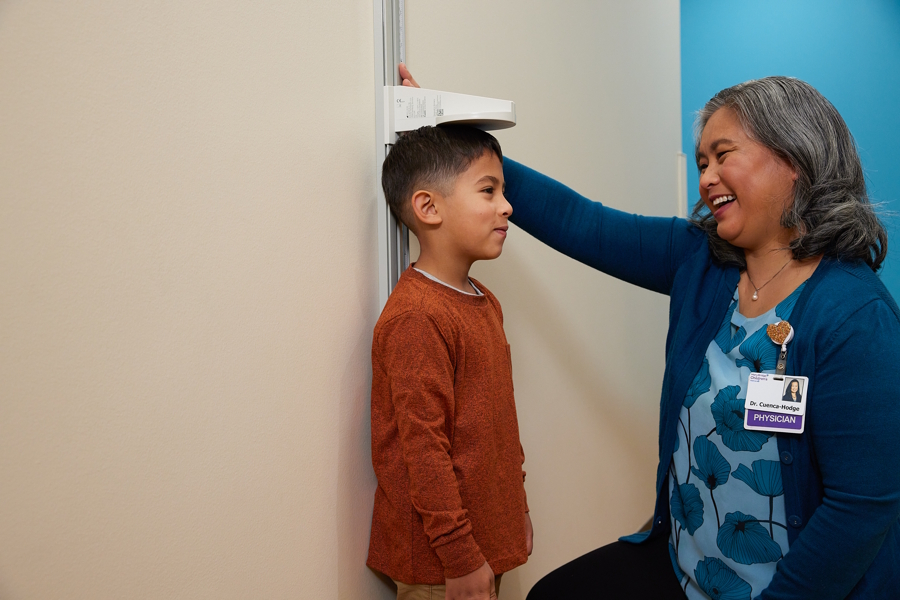
Use a matter-of-fact tone
Indeed, health care anxiety can be contagious. When kids see a parent experiencing concern, they’re more likely to mimic that feeling. Parents and caregivers might also be tempted to apologize for subjecting their child to medical or dental visits. Some might point out that they, too, dislike their own visits. While offering empathy might feel helpful, this strategy can backfire, Bishop said.
Instead, use a matter-of-fact tone, maintain a neutral composure and keep your information straightforward. If this feels challenging — after all, parents might have experienced their own negative experiences with the health care system — keep it simple and direct. She offered the template: “This is something we have to do to keep our body strong and safe” or “Doctors are here to help us. They want your body to be healthy so you can go to school and play sports.” At the end of a visit, remember to offer similar validation: “That was tough and you were able to do it. Look at what you’re capable of!”
Prepare for the logistics
Before taking a child on a health care appointment, consider what you can do in advance to make the experience more appealing. Bring an activity or book that will keep them busy while waiting to see a provider. After all, even a 20-minute wait can feel long and frustrating to an unoccupied child.
Be thoughtful about the best time to notify your child about an upcoming medical appointment. The amount of preparation time likely varies by child. Some children might not want to know about an after-school appointment in the morning since they’ll be thinking about it all day. Others might experience heightened anxiety if they don’t get enough mental time to prepare. In general, it’s best not to surprise children with a doctor’s visit, Bishop says, adding: “That helps build trust.”
Brainstorm creative coping strategies
As you discuss the planned appointment, brainstorm some coping strategies. This can be helpful even for kids who don’t appear anxious. If they’re getting a vaccine, ask how they want to handle the brief pain of a needle poke. Do they want pain relief, or use some sort of distraction strategy?
Distraction could include everything from watching a video to engaging in a conversation about something they love. Others might be concerned about the sensation of pain, and a parent could bring along some topical numbing cream, or a cold spray. Some children might appreciate a weighted blanket, a stress ball, or a fidget device. Bishop has also used sensory devices that vibrate, which can offer competing input at the same time as the needle poke.
While it might be tempting to threaten to revoke screen time for a reluctant child or offer a big-ticket reward (once, Bishop overheard a desperate parent offer a new phone!), refrain from strategies that can be harmful or unsustainable. That doesn’t mean you can’t end an appointment with a fun experience like going out for milkshakes, or picking a fun family movie that evening. “Find rewards that are realistic and fit into your family’s lifestyle,” she says.
Trust your gut
Ultimately, parents know their child best. She encourages parents to think about previous health care experiences and create approaches that might have worked better. Arm yourself with as much information about the visit as possible so that you can adequately anticipate a child’s needs.
The end goal isn’t simply a more pleasant visit. Establishing a good relationship with health care and providers can have lifelong benefits. That, in turn, can lead to better health since ailments are caught and treated early.
At Mary Bridge, Bishop notes, “We want kids to become adults who aren’t afraid to go to the doctor’s office. We want them to see us as people who genuinely care about them and want them to be healthy.”
Sponsored by: