
 Seattle Family Calendar
 Subscribe

Recently, we’ve heard a lot about the literacy crisis, in which many kids and even adults aren’t “able” to read like past generations. However, amid this major crisis in education, there are still kids who not only read well, but read well above grade level.
As an English teacher who specializes in gifted education, I frequently have conversations with kids about how to find “just right” books that challenge and interest them. I just as frequently talk to parents about how to best support their advanced readers — parents have concerns about content appropriateness, but want their kids to stretch themselves. I spoke with Julie F. Skolnick, M.A., J.D., author of “Gifted and Distractible” and founder of With Understanding Comes Calm about how we as parents can support and advocate for children who read at levels above their same-aged peers.
Parent concerns
Many parents are concerned about exposing their kids to content that is inappropriate or upsetting. Violence, sex, racism, sexism, body-shaming and other issues are important to discuss, but can be too complex or intense for young kids to process. Parents might not want their young kids exposed to the horrors of the world.
Additionally, some books cover topics that might induce “existential dread,” something gifted kids are prone to. So reading about a climate apocalypse or similar topics might be “too much” for some kids. Finally, some books written for adults are boring to kids — adult relationships and topics might not be of interest. As a result, some advanced readers don’t read anything because it’s either too easy, too boring or too intense.
Considerations for content
Skolnick says to think about not only your precocious reader’s reading level compared to their chronological age, but also to consider their social and emotional abilities. “Age shouldn’t really matter, except for the social-emotional consideration,” she says. Some things are going to go over their heads or confuse them.
While all kids have topics they’re not ready for, it’s common for kids who are intellectually gifted to also have increased empathy or more extreme emotions, as well as a greater depth of imagination. Skolnick recalled having to put “A Wrinkle in Time” aside because the main character being separated from her father was too upsetting. I myself once spent a weekend weeping into my dog’s fur after we read “Where the Red Fern Grows” in class. This is not to say kids shouldn’t read books that give them a big emotional reaction. However, appropriateness varies child to child.
On the other end of spectrum, though often related, kids can work through complex emotions that they aren’t ready to deal with in real life through fiction, something Skolnick calls “bibliotherapy,” where a kid reads a book with a complicated relationship or situation and then uses that fictionalized experience to frame their own social skill building. If your reader “may not have the strongest ability to enter a conversation, or social skills to keep the conversation, you actually use the story.” She suggested reading together and pausing to discuss how a character is feeling, why, and how you know.
While considering what topics your kid is emotionally ready to handle, also consider “the interests of the child, but also, where can they talk about this book? What’s their cohort? Where’s their book club?” Skolnick says. She suggested parents read along with kids so they can discuss topics together. However, at some point, a parent might not be able to deep dive the way an obsessed friend might. So, help your reader find friends or peers who can deepen the experience and extend their learning.

How to talk to teachers about precocious readers
If your child reads above grade level, you may have to have conversations with their teachers about differentiated instruction to best meet your kid’s needs. Skolnick says to focus on goals when speaking with members of your child’s educational team. She says, “I always recommend to parents that they have five questions prepared.” These include:
- What are my kid’s strengths?
- What are my kid’s struggles?
- What accommodation and enrichment do they need?
- What accommodations and enrichment don’t work?
- What one thing do you want the teacher to know?
If nothing else, focus on finding the one thing you want the teacher to know and make it based in your child’s strengths. For example, your advanced reader might be obsessed with baseball, or mummies or knitting. A teacher might want the kid to diversify their subject matter, which would frustrate a kid who is singularly focused. So, as a parent, you might tell the teacher that the most important thing for your family is that your child enjoys reading, so let them use interest level to guide reading choices. Skolnick says she recommends that your child has their “passions honored” because doing so can lead them down new and exciting paths to learning as well as help them overcome their particular struggles. To best accommodate the child, when possible, “incorporate the child in this decision-making process as well,” she says.
If you worry about your child’s ability to handle an advanced book’s themes, Skolnick says to talk to the teacher. Ask “how can I frame this book for my kid or, or what should I be thinking about when my kid reads this book? How should I set up for my child the themes that they might be contemplating in this book?” she says. Working as a team with your kid’s educators will help deepen the reading experience.
Remember the joy
Through all the possible pitfalls of navigating appropriate reading material for your kid, remember that, at the core of all this, it’s a gift to be a reader. Skolnick says, “Books are very often best friends for children.” If you can help your precocious reader find a new best friend in a book, you’ll be giving them a lifetime of comfort and joy.
Resources
Depending on the reading level of your child, their interests and their social and emotional capabilities, some books are going to be slam dunks and others are going to be too much or not their cup of tea. Skolnick provided several websites with resources and book lists for gifted readers.
- Finding Books for Gifted Readers from Raising Lifelong Learners
- Summer Reading Lists for Gifted Readers from Connections Academy
- Books for Gifted Kids from Gifted Guru
- Good Books for Bright Kids from Johns Hopkins Center for Talented Youth
- Book Lists for Gifted and Avid Readers from Davidson Institute
In my experience working with both avid and reluctant readers of all ages, there are a few books that most precocious readers love, regardless of age and reading level. Many of these feature advanced or smart characters, which gifted readers see themselves in, but some are simply books most people seem to enjoy.
I’ve put the simplest potential triggers in parentheses. Most books have some death — it’s more about how potentially devastating each character death might be for your reader. Personally, I could handle most human deaths as a kid but any animal in danger was too much for me to bear so I avoided other Red Fern-esque books — your child might be the opposite, and you know them best.
Sci-Fi/Futuristic
- The Hunger Games series (violence, death)
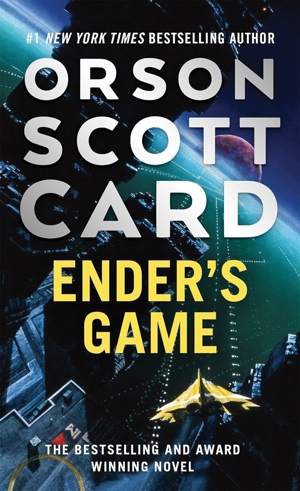
- Ender’s Game series (war, bullying, death)
- “The Giver” (intense emotions, death)
Fantasy
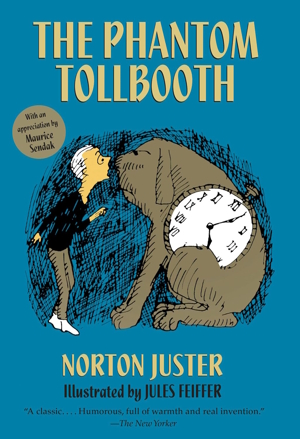
- “The Phantom Tollbooth” (none)
- The Wizards of Once series (intense emotions, scary creatures, death)
- The Chronicles of Narnia series (war, death)
Realistic-ish
- The Series of Unfortunate Events books (death, peril)
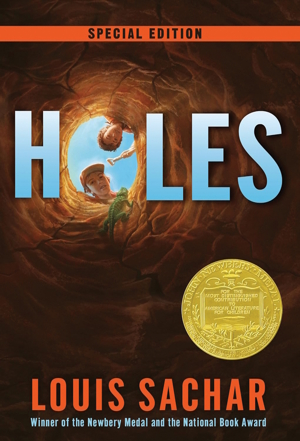
- “Holes” (bullying, death)
- “Matilda” (bullying, adult neglect)
Historical
- “The Book Thief” (The Holocaust, death)
- Anne of Green Gables series (death)
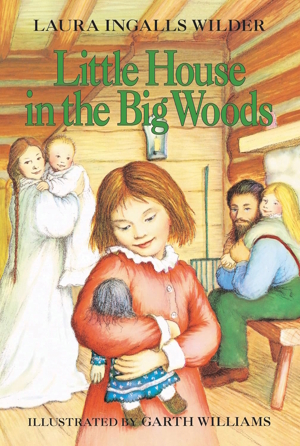
- The Little House on the Prairie series (death)
Specifically, here is a list of books I recommend with extra-clever characters:
- The Series of Unfortunate Events (series)
- “Matilda”
- Ender’s Game (series)
- A Wrinkle in Time (series)
- The Mysterious Benedict Society (series)
- “Little Women”
- Artemis Fowl (series)
- “The Westing Game”
- “The Curious Incident of the Dog in the Night-Time”
- “An Abundance of Katherines”
- “The Queen’s Gambit”
- “Enola Holmes”