 Seattle Family Calendar
 Subscribe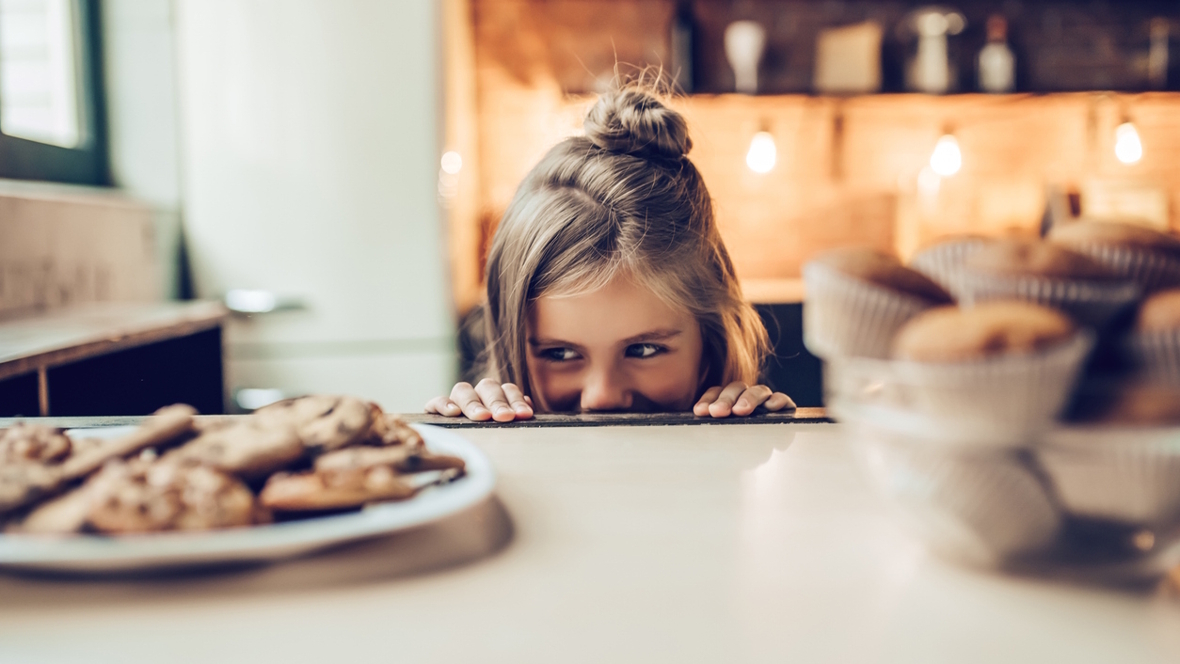

My friend’s kindergartner is a bit of a magpie. When she kept coming home from school with little trinkets, my friend asked where she got them. She said they were gifts from friends. However, after the gifts kept coming and seemed more and more precious (and perhaps valuable), my friend asked a few more questions and figured out the truth: her kindergartner was stealing from her classmates. At first, my friend assumed this was a teachable moment about how stealing is wrong. Yet, after discussing it with her child and feeling confident that her daughter understood the morality of the situation, she kept on stealing.
Why do kids steal?
Aside from not knowing that it’s wrong, there are a few reasons kids might steal. “Young children might steal the first time or two simply out of curiosity combined with impulsivity,” says child psychologist Emily W. King, Ph.D. Kids see something they want and they take it, unable to slow down their thinking enough to consider whether it’s okay.
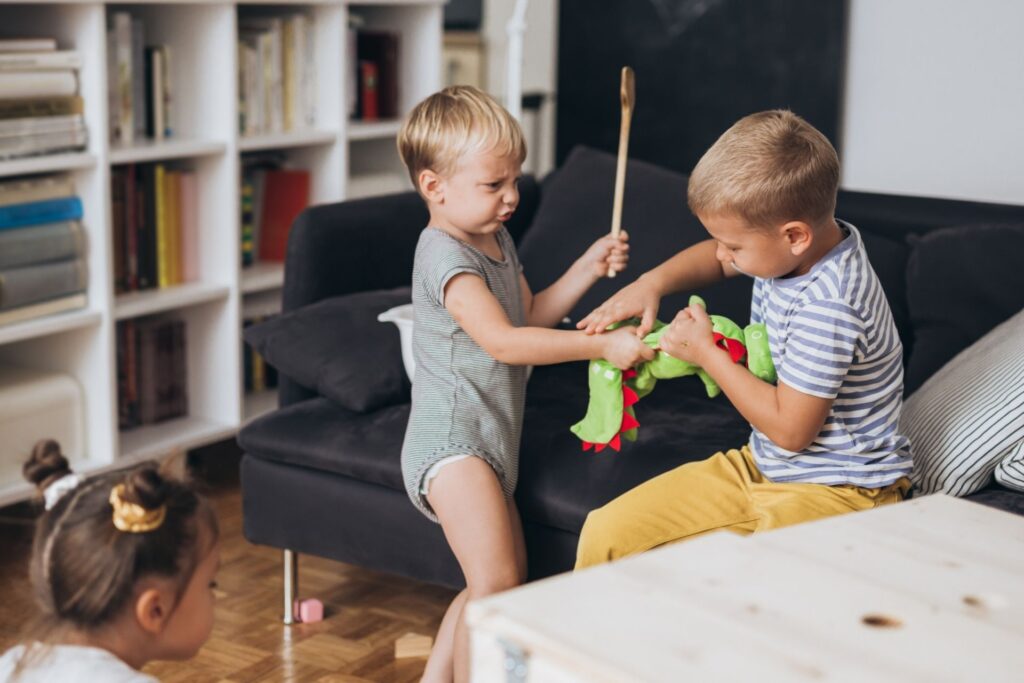
However, some kids have a more nuanced reason. A common reason kids steal is jealousy: another kid has something they want, so they take it. In another situation, a kid might have something another child wants, so they take it to feel included. If a child has a strong sense of justice, they might feel compelled to steal something from someone who has wronged them as a way to enact punishment.
All these reasons could apply if kids steal from adults as well. A kid might steal something from an adult because it’s “for adults” and they want to experience it. They might steal prizes from a teacher’s desk because other kids got prizes and they want one, too. Or, they might take something that belongs to an adult in a position of authority who wronged them to feel a sense of control or power.
Knowing the reason for stealing can help you figure out how best to talk to your kid about the behavior and make a plan so it doesn’t become an ongoing problem.
Kids see something they want and they take it, unable to slow down their thinking enough to consider whether it’s okay.
When my friend talked to her kindergartner about why she was still stealing, the child admitted that the classmates she was stealing from were not being nice to her. It wasn’t that she wanted the things they had. Instead, she felt like taking something from those kids would show them that they shouldn’t be mean. While she had a strong sense of right and wrong motivating her decision to steal, she was taking on a parental role, the same way a parent might take a kid’s iPad if they refuse to stop playing and clean their room when asked.
How to talk to kids about their stealing
If you find out your kid has been stealing, you might feel ashamed or worried about what this behavior might turn into. “If you suspect your child is taking something without permission, don’t jump straight to worrying that you are raising a future criminal; your child just needs to know what to do when they really want something that does not belong to them,” King says. Even if your kid is going full vigilante like my friend’s kid, curbing the behavior is more about making sure kids know what to do if they feel someone else is in the wrong as opposed to explaining to the kid why they are wrong.
Instead of accusing and chastising, which King says, “will likely cause them to clam up or lie,” start with curiosity. Ask where they got the items you suspect they stole. King says starting with questions, not accusations “starts a conversation about how the items came home with your child that will keep them open to talking with you.”
Once you’ve established that your child stole, “explain that we own things we pay for or that are a gift to us, which includes things we have earned for hard work. Other things that we want, we have to ask permission for either to have or to borrow,” King says. Also, make sure to talk about how “sometimes someone will say ‘no’ when we ask, which is disappointing and takes practice to accept,” she says.
Learning these skills can be difficult. King says after discussing the issue, “focus on building the prosocial skill of asking permission before taking something and then accepting the answer.” It might be worthwhile to model this behavior by role playing scenarios with each other, or with toys where people say no to sharing or giving away a toy, and the other player has to deal with it appropriately.
If a child is stealing for a reason other than impulsivity or jealousy, you may need to modify the lesson to fit the exact scenario.
If your child is stealing out of jealousy, brainstorm ways for them to get what they want without taking it.
My friend whose child was exacting revenge had to learn that while she has the power to punish those who wronged her, it’s not her job to do so. Instead, talking to the mean kids about how they hurt her feelings is a better step. Or, if that’s not working (or if there is a potential for bullying behavior), helping kids figure out how to talk to grown-ups like teachers or school staff about the situation will serve them well as they develop these skills.
For some little kids it’s tricky to ask adults for help without it feeling like they’re tattling. Role playing ways to speak to adults respectfully when other kids do something wrong is an important skill to practice. My friend’s kid could speak to her teacher about how her classmate said something that hurt her feelings and how she needs help with the situation. The teacher can decide, from there, if the mean kid needs a consequence or if the kid who is being made fun of should change their behavior in some way, such as walking away when someone says something mean to them. Parents can emphasize that, in this scenario, the teacher has the right to enact justice, not the kid who has been wronged. Having these kinds of conversations at home helps kids feel safe to try these methods in the real world.
Appropriate consequences and next steps
When little kids steal, it’s hardly a criminal offense, but figuring out appropriate consequences is an important part of the process. “Include your child in a conversation about how to ‘make it right’ in order to keep the consequence relevant to the situation, which will lead to learning from their mistake,” says King. You will likely work though a plan to return the item and apologize.
To help your child understand the importance of this step, King says the conversation “might include talking through how someone feels if you have taken something of theirs without asking and how they can build trust with that friend or teacher by returning it.” Perhaps your child has had something taken from them and can remember the feeling of injustice. Or they can imagine how they might feel if the tables were turned.
It can be embarrassing for the kid to have to fess up and return a stolen item. Brainstorm ways to help them return the item without feeling like they’re going to be humiliated.
My child once stole an umbrella from a classmate. It was the classic jealous/impulsive choice: she wanted the umbrella for herself because she liked the pattern, took it, and then later realized it was the wrong thing to do and confessed to me. The idea of giving the umbrella back to the kid in front of everyone before school sent my anxious child into a panic, so we came up with a plan to turn the umbrella into the office, and when she felt ready, she could talk with the child she stole it from to see how she could make it up to her. The important first step of returning the item got done and we worked up to the harder step of taking accountability.
If your child is stealing out of jealousy, brainstorm ways for them to get what they want without taking it. King suggests creating “a plan for them to earn money to buy it themselves” or “figuring out a way for them to feel included in a more productive way” than stealing. Can they ask to borrow something? Can they bring something of their own to school so they don’t want to take things from others?
King says the most important concept to establish with kids who are stealing is trust. As you work through the situation, “keep coming back to the importance of trust, friendship and being a good classmate while practicing asking permission,” she says. That way, she says, kids will internalize that “when we tell the truth, people trust us and when people trust us, they feel safe around us.” When kids feel like they’re in a safe, trusting environment, they will be less likely to engage in sneaky behaviors like stealing.