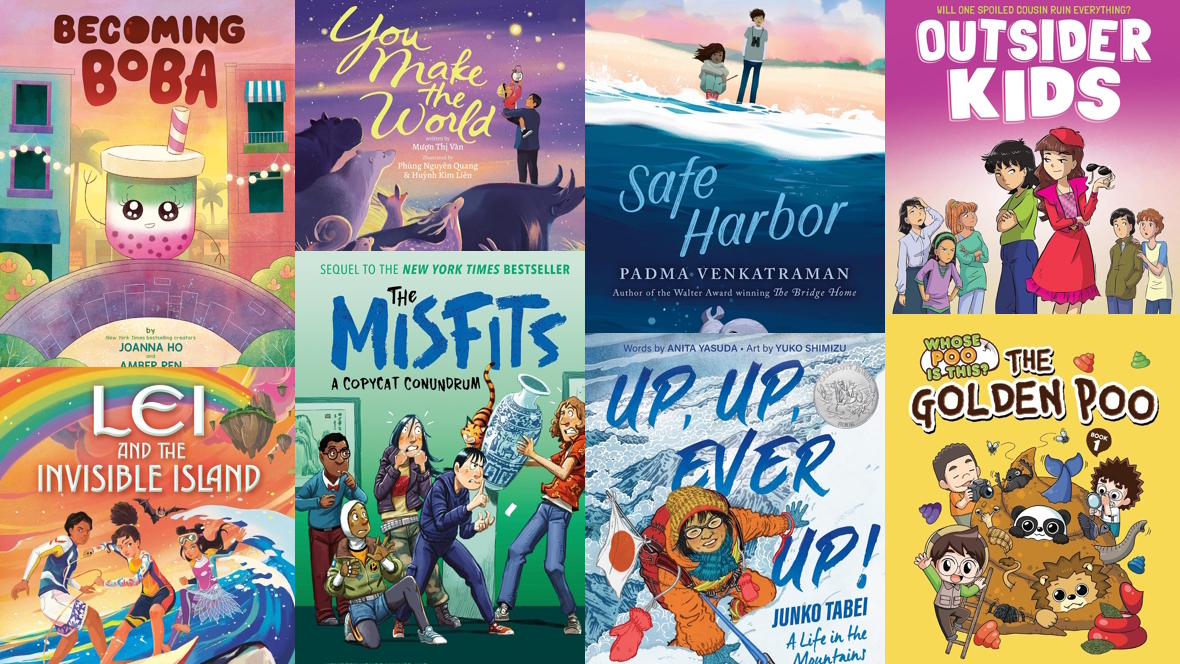
May is Asian American and Pacific Islander (AAPI) Heritage Month! One of the most rewarding ways to celebrate the generations of Asians and Pacific Islanders who have enriched America’s history and heritage is through literature. Reading books by AAPI authors and with AAPI protagonists is a way for AAPI children to see themselves as the heroes of their own stories; it also helps kids with different ethnic backgrounds see past cultural stereotypes. But while this horizon-broadening effect contributes to a more inclusive society in the future, the benefit to our kids is immediate — they get to enjoy some really good books. Here are just a few great new releases and recent prize winners by AAPI authors.
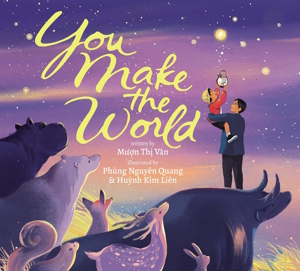
“You Make the World” by Muon Thi Van, with illustrations by Phung Nguyen Quang and Huynh Kim Lien, is a poetic picture book affirming individual power as a father and child explore the natural world and their own strong feelings. Ages 4–8.
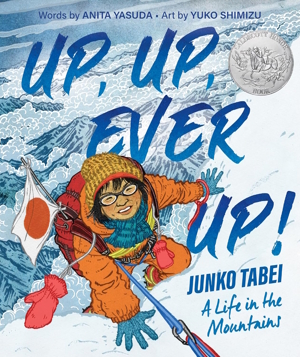
“Up, Up, Ever Up! Junko Tabei: A Life in the Mountains” by Anita Yasuda, with Caldecott Medal–winning illustrations by Yuko Shimizu, presents the true story of the Japanese woman who led the first all-woman team to summit Mount Everest and then dedicated her life to protecting the world’s wild spaces for future generations. Ages 4–8.
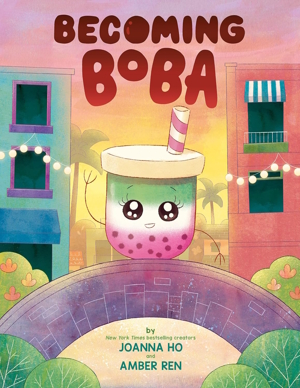
“Becoming Boba” by Joanna Ho, with illustrations by Amber Ren, is about self-love and being true to who you are, with a subtle underlying message about Asian American identity and the immigrant experience. In this sweet picture book, Mindy, a brightly colored boba tea, shakes up Milk Tea Town traditions. Ages 4–8.
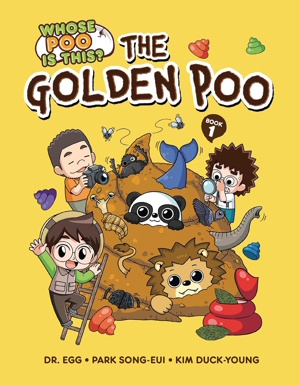
“The Golden Poo” by Song-eui Park, illustrated by Duck-Young Kim, teaches kids about biology through the universal language of potty humor. When Drs. Egg, Yang and Woong find mysterious poo in the woods, they pursue the mystery of what kind of animal made it. Ages 7–11.
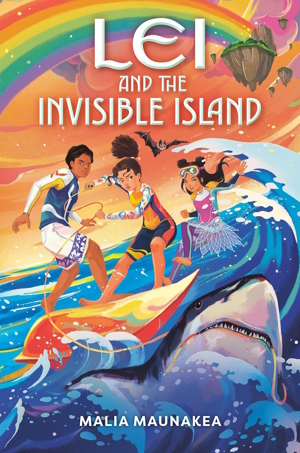
“Lei and the Invisible Island” by Malia Maunakea is the second book in the “Lei and the Legends” series. The first book, “Lei and the Fire Goddess,” was selected by Hawaiian schoolchildren for the 2025 Nēnē Award. The series follows 12-year-old Lei as she discovers the truth behind her grandma’s folktales. Ages 8–12.
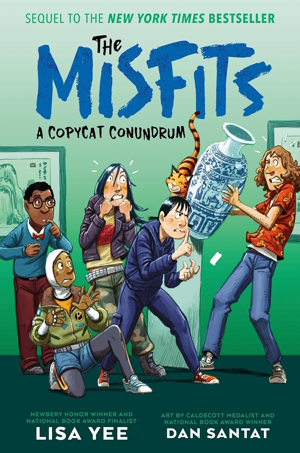
“A Copycat Conundrum” by Newbery honoree Lisa Yee, illustrated by Caldecott medalist Dan Santat, is the second book in the “Misfits” series and features fifth-generation Chinese American Olive Zang as the leader of an elite group of awkward crime fighters in San Francisco. Ages 8–12.
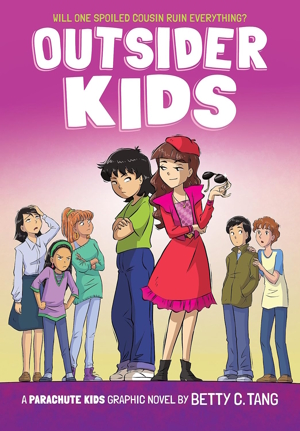
“Outsider Kids” by Betty C. Tang is the second volume of her “Parachute Kids” graphic novel series about the Lin siblings, undocumented Taiwanese immigrants separated from their parents. Despite their remarkable circumstances, they each struggle with widely relatable problems — fitting in, finding love, schoolwork and part-time jobs. Ages 9–12.
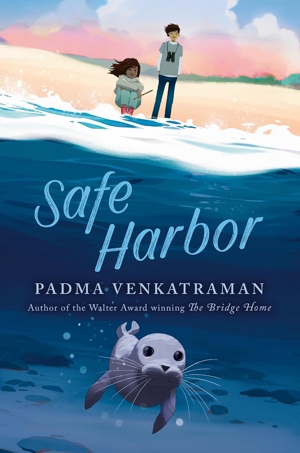
“Safe Harbor” by Padma Venkatraman (herself a marine scientist and Indian immigrant) features a diverse cast engaging in marine wildlife conservation. When Geetha, a young Indian immigrant, discovers an injured seal pup on the beach near her new home, it leads to both personal growth and a broader understanding of environmental science. Ages 10 and older.
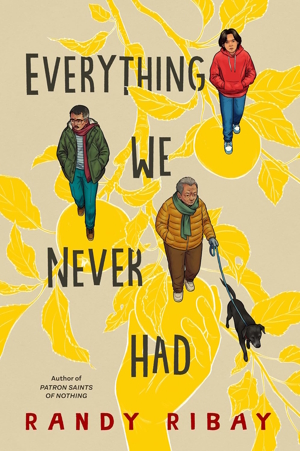
“Everything We Never Had” by Randy Ribay is not a new release, but it recently won the Asian/Pacific American Award for Literature and was long-listed for the National Book Award. Rarely represented in YA literature, four generations of Filipino American boys are the focus of this novel about the challenges of identity, masculinity and father-son relationships. Ages 12–17.
Editor’s note: This article contains affiliate links. If you purchase products through links on our site, ParentMap may earn an affiliate commission. All book cover images are from Amazon.
Seattle-based freelance writer Gemma Alexander has been writing at the intersection of parenting and the arts for more than 13 years. Her ParentMap feature, “ Middle Earth Adventures: A Family Guide to New Zealand’s Wonders and Challenges ,” won the 2025 Gold Award for travel writing from Parenting Publications of America.

 Seattle Family Calendar
 Subscribe