 Seattle Family Calendar
 Subscribe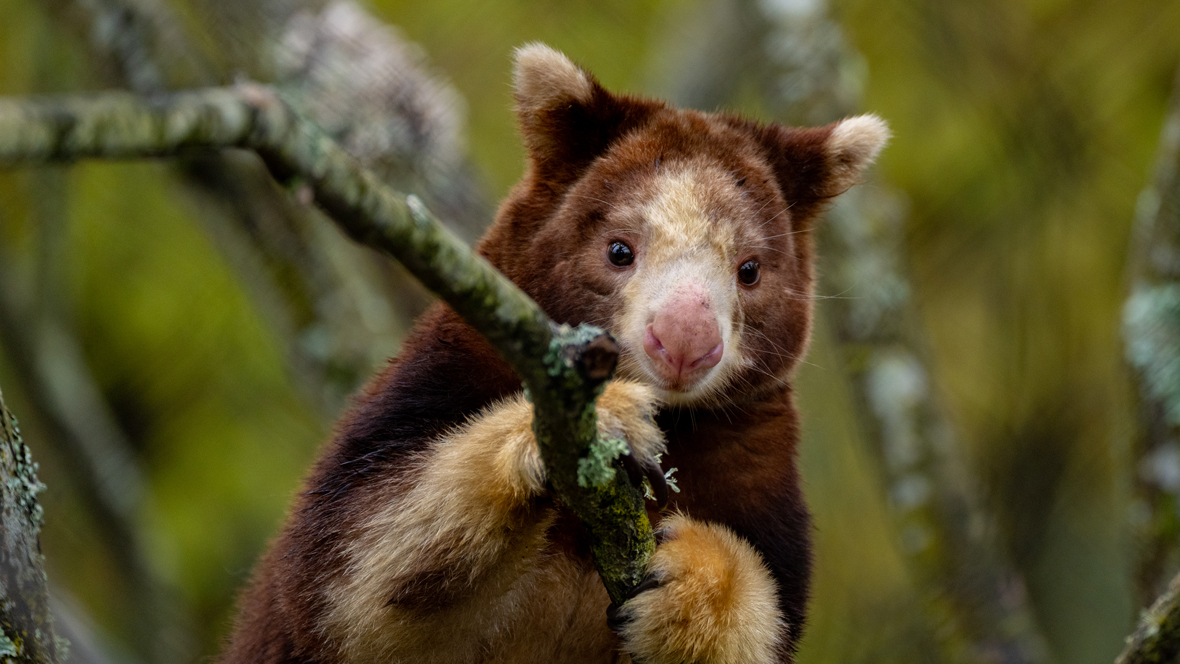

There is so much going on at Woodland Park Zoo this year, from a thrilling ZooTunes lineup to welcoming a brand-new Wild Encounters experience and adorable lion cubs, that it’s no surprise the zoo draws in a million visitors every year.
But the one exhibit we’ve all been waiting for (for five years!) is finally here. If you’ve been to the zoo in the last couple of years, you’ve likely heard construction and peeked through a fence to see progress being made on the Forest Trailhead exhibit. On May 1, the inspiring exhibit opens, bringing zoo visitors up into the trees and face-to-face with red pandas and tree kangaroos. It’s designed to deepen our connection to the forest, community and animals.
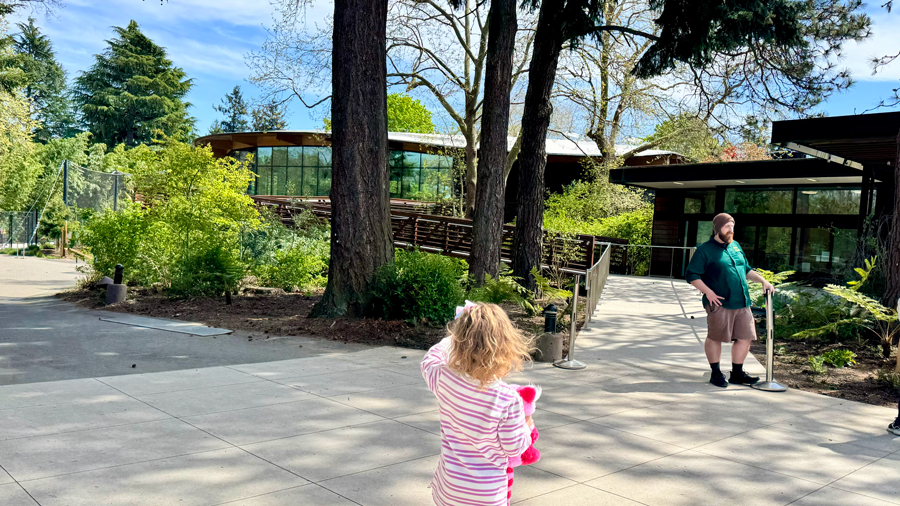
The Forest Trailhead exhibit is impossible to miss when you come through the zoo’s west entrance. It’s a showstopper of a building with huge windows and a winding system of accessible ramps. Tall cedar trees line the entrance, inviting you into the forest.
The Canopy Path takes you up in the trees
When we’ve visited the zoo in the past, my young daughter has had one repeated request: “Can you lift me up so I can see?” The animals are often found in the back of their enclosures or high up in the trees, making it hard for little ones to get a glimpse. The Canopy Path changes that, lifting everyone into the forest canopy for an immersive experience.
We walked up the gently sloping ramp of the Canopy Path, keeping an eye out for tree kangaroos and (my daughter’s favorite) red pandas. Carson the red panda — a celebrity at the zoo — was peacefully napping on a tree branch. Overhead, we caught glimpses of tree kangaroos Rocket and Aria relaxing on platforms. Two more tree kangaroos will join them later in May, and plans are in the works for another red panda, too.
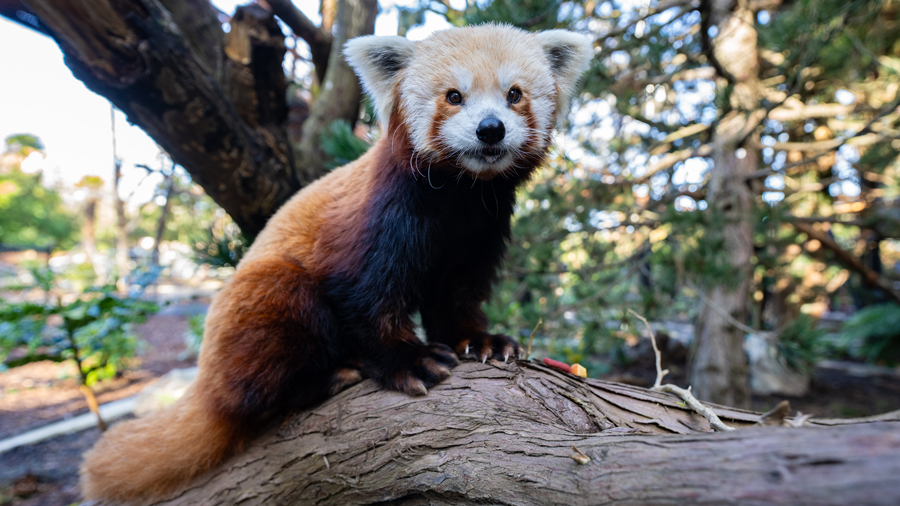
Passages connect the habitats in the trailhead exhibit, letting animals explore while giving visitors special views. You might see Rocket or Carson climbing across the steel mesh walkway overhead!
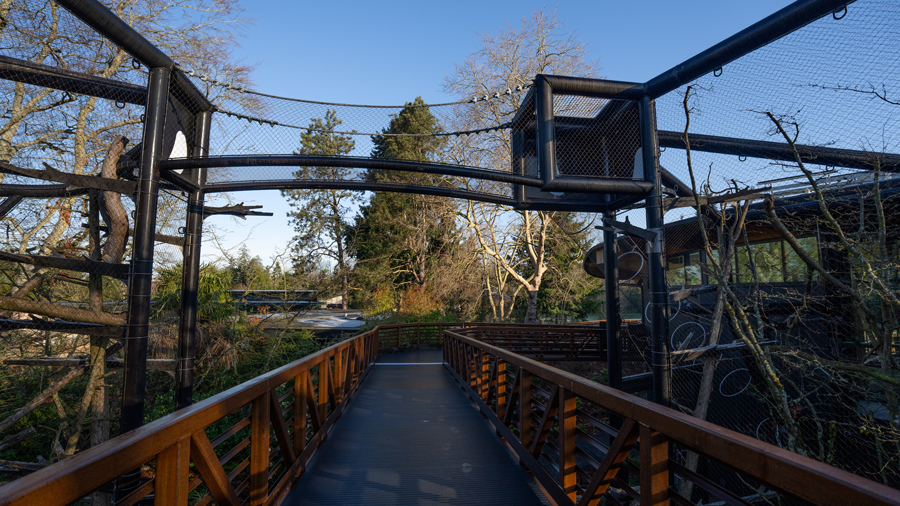
If you find the animals are snoozing when you walk along the Canopy Path, check back. We thought we’d only get to see the tree kangaroos asleep on their platforms, but after we explored the indoor Trailhead Pavilion, we heard that Rocket was moving around. We saw him high in the trees, munching on leaves.
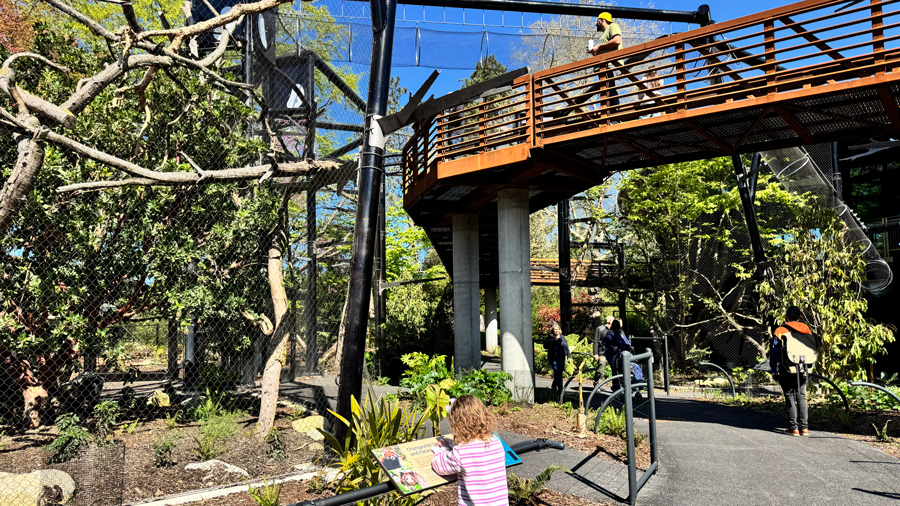
As we walked along the path, we learned more about the resident animals from engaging signs. The ground level of the path has signs with tactile elements, giving visitors a closer look at the habits of tree kangaroos, from chewed-on leaves to scratch marks on trees. It’s a chance to learn more about the unique marsupials that have not been seen in public at the zoo in more than 10 years.
More ways to learn in the Trailhead Pavilion
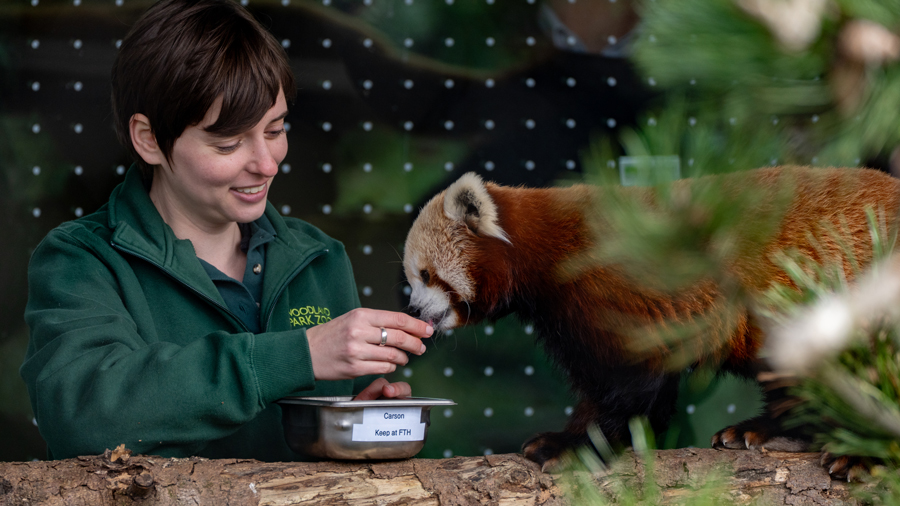
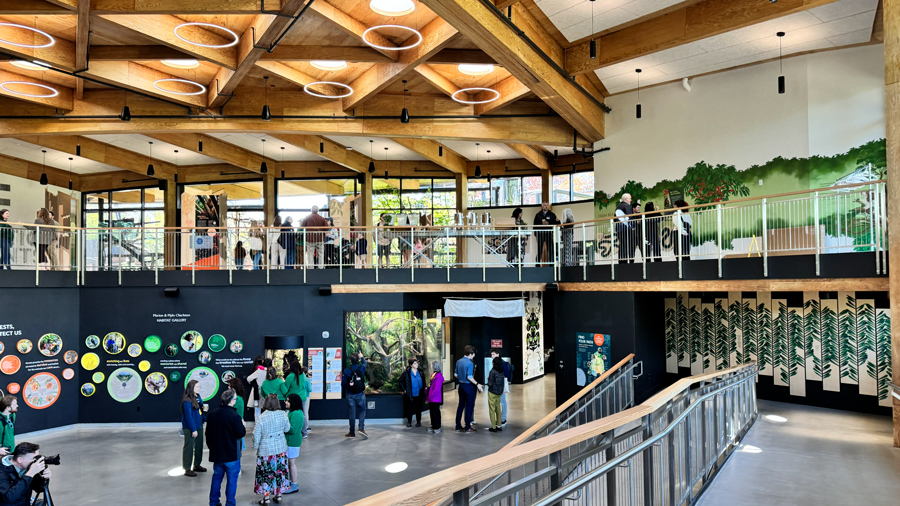
You can also see the tree kangaroos and red pandas from inside — and learn more about them — in the exhibit’s two-story Trailhead Pavilion. With a 12,000-square-foot interior, it’s the largest indoor exhibit at the zoo. We explored the different displays, saw more animals, and even got an up-close look at Carson while a keeper fed him snacks on the platform.
Engage with interactive elements
My young daughter was immediately drawn to the educational displays. She spotted photos of animals, watched engaging video clips, and touched a cute tapestry featuring a red panda’s face. The interactive elements made the text-heavy displays more accessible for her.
The importance of forest conservation is emphasized throughout the exhibit. The zoo’s work is highlighted alongside forest-friendly actions that visitors can take.
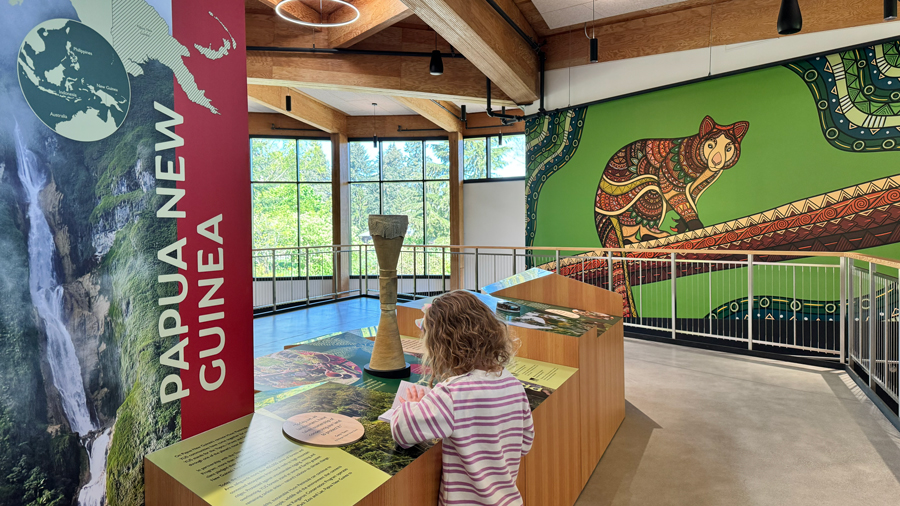
For 30 years, the Woodland Park Zoo has partnered with local communities in Papua New Guinea through the Tree Kangaroo Conservation Program. Matschie’s tree kangaroos can only be found in the wild in the cloud forests of the Huon Peninsula, but they’re threatened by deforestation. The program has saved 400,000 acres of the cloud forest.
The tree kangaroo is also the star of the show in a huge mural on an exhibit wall. Artist Grimm Jordan highlights the green jungle that the tree kangaroo calls home, in addition to common markings found in Papua New Guinean tribes. (It was one of my favorite elements of the exhibit!)
Meet the intelligent and curious kea
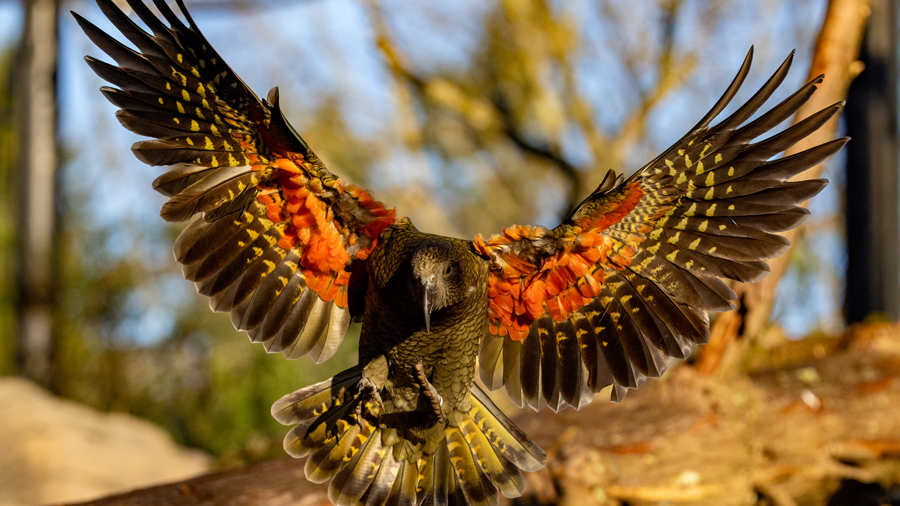
It wouldn’t be an exhibit centered around forest conservation without a few birds! Take the ramp down past the tree kangaroo mural and head outside to the Kea Aviary, where you’ll find two kea parrots. They might even introduce themselves with the loud call that earned them their names: “Keee-ahhh!” During our visit, the male kea, Tahi, was hopping around on the ground, asking his partner, Ora, to come out and play. But Ora had other priorities, tucked in the nesting box with three eggs.
Kea are native to New Zealand, and there are only about 30 kea that live in captivity in the United States. Two others will move into the aviary at the zoo soon: Squint, a 60-year-old bird, and Withers, a 2-year-old.
Look out for reptiles, amphibians and fish
Some of the animals in the new exhibit have never been seen at the zoo before. We headed down to the Habitat Gallery on the ground floor to see rainbowfish, a keeled box turtle and a Fiji banded iguana — all of which are endangered. My daughter loved peeking into each habitat, looking for each creature. Her favorite: the Indochinese box turtle happily enjoying lunch near the glass.
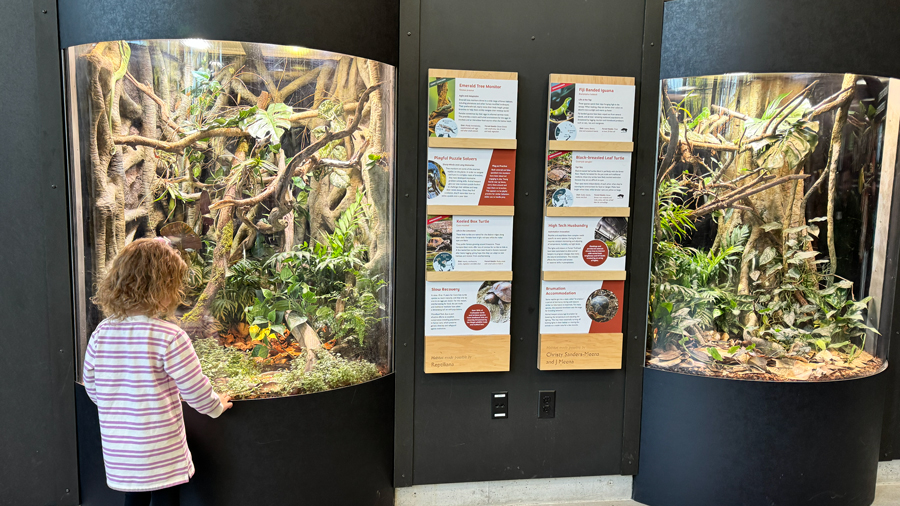
Interactive elements on the gallery wall invite visitors to consider the ways that forests improve our lives by protecting us and providing for us, while emphasizing how important it is that we do the same for the forests.
What makes the building so unique
The Forest Trailhead exhibit replaces the zoo’s Day and Night exhibits, which were damaged in a fire in 2016. The exhibit spans an entire acre of the zoo, surrounded by around 4,000 plants and plenty of trees. The zoo is pursuing LEED Gold certification, and the sustainable design of the building itself includes:
- Bird-safe windows
- Solar panels
- Richlite panels made from recycled paper and cardboard with thermosetting resin
- Sustainably harvested mass plywood panels
- Repurposed perching from previously fallen trees around the zoo
- Passive cooling with ventilation from fans and doors, along with shade from surrounding trees (instead of air conditioning)
- Rain gardens and pervious pathways to prevent runoff, filter stormwater and restore groundwater
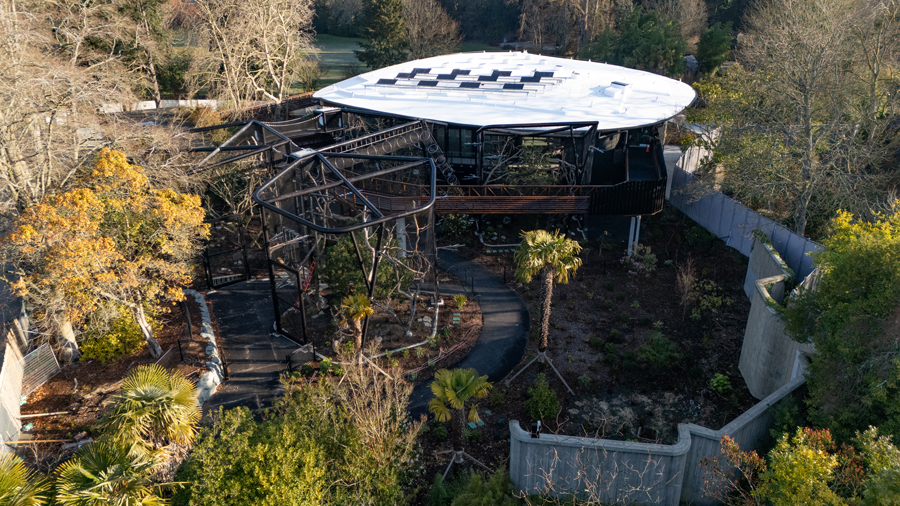
The intentional design of the entire exhibit is inspiring, and it emphasizes the importance of forest conservation for generations to come. Whether you’re interested in learning more about the zoo’s conservation efforts and the actions you can take, or you just want to see adorable red pandas up close, you won’t want to miss it.
If you go to Woodland Park Zoo …
Location: Woodland Park Zoo is located at 5500 Phinney Ave. N., Seattle. Enter through the zoo’s west or south entrances.
Dates: The Forest Trailhead exhibit opens to the public on May 1, 2026. Woodland Park Zoo members get early access, April 28–30.
Hours: The zoo is open daily, 9:30 a.m.–4 p.m. Starting May 1, the zoo’s summer hours are 9:30 a.m.–6 p.m.
Cost: Single-day admission costs vary depending on the day. Tickets currently start at $29.03 for ages 13 and older; $17.96 for ages 3–12; and free for children ages 2 and younger. Access to the Forest Trailhead exhibit is included with admission.
Parking: Zoo parking has a maximum daily rate of $14 in the Otter, Penguin and Lion lots, and $12 in the Flamingo and Bear lots. Free street parking can be found nearby.
Snacks and more: The zoo has grand-and-go concessions and dining options available. Note that all dining options are cashless. Outside food and nonalcoholic beverages are permitted.