
 Seattle Family Calendar
 Subscribe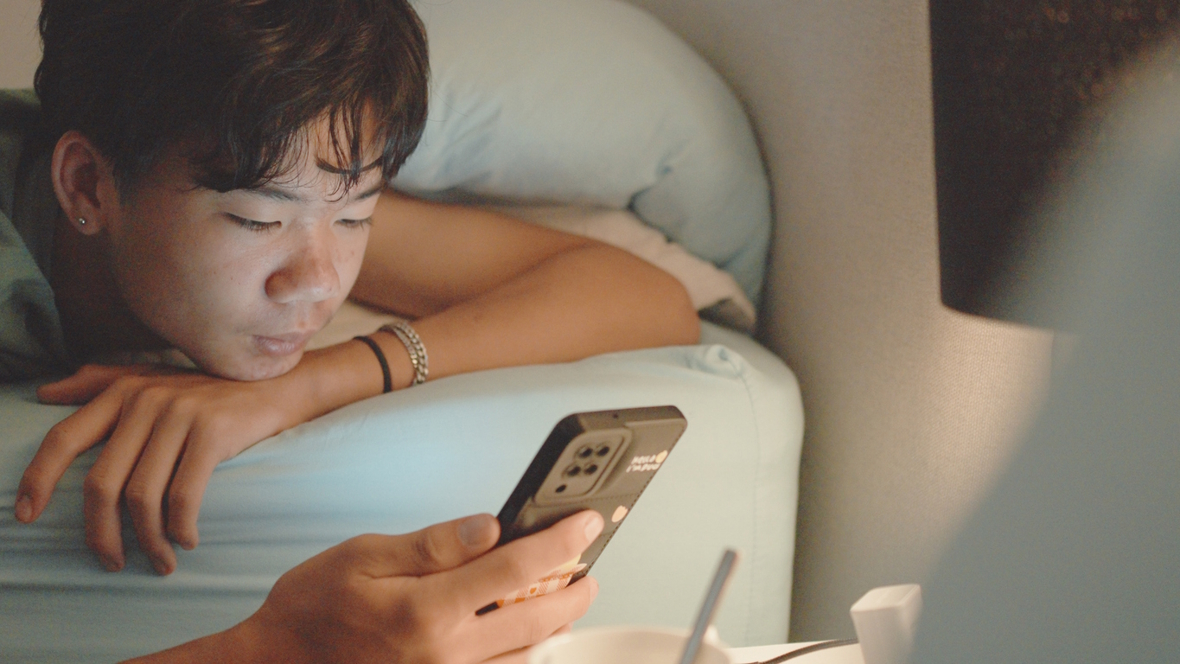

Social media platforms have become an ever-increasing way for people, particularly teens, to access information on the diagnosis and treatment of ADHD. When you scroll through #ADHD on platforms like TikTok or Instagram, a variety of content appears. Individuals with ADHD share personal stories, day-in-the-life videos and tips that worked for them. Parents of kids with ADHD share strategies, school navigation tips and bite-size insights. Organizations promote awareness and resources, and professionals offer their opinions and advice. In short, whatever kind of ADHD content you’re looking for, chances are you can find it on social media.
When it comes to learning about ADHD, social media can be a double-edged sword. On one hand, it can offer helpful tips, personal stories and insights that can make parents and kids feel less alone and more informed. On the other hand, it can spread misinformation, overwhelm with conflicting advice and leave families feeling anxious.
I reached out to our staff at the Hallowell Todaro ADHD & Behavioral Health Center in Seattle to better understand the helpful and harmful sides of ADHD content on social media — how it supports individuals and where it can mislead them.
Dr. Edward Hallowell, ADHD expert and cofounder of Hallowell Todaro, says it best: “The story of social media is a textbook example of the Law of Unintended Consequences. What at first seemed like a tool with many splendid uses has become a runaway train. We must learn how to use this means of connection wisely, so it doesn’t end up using us.”
Nearly all of my colleagues report that clients regularly bring up topics they’ve seen on social media, which they then explore together in real time during coaching or therapy sessions. These anecdotes from their work provide meaningful insight into how social media is actively shaping the way people think about, talk about and manage ADHD.

The upside of social media
One thing is clear: Social media has, in many ways, led to greater awareness of ADHD and created spaces where people who once felt isolated can now find community and learn from one another.
Those of us who treat and diagnose ADHD yearn for a decrease in the shame and stigma that plagues the ADHD community. Unfortunately, the strengths and positive attributes connected with ADHD can be hidden and misunderstood. This is where the seemingly endless stream of social media content can actually be a good thing! The overwhelming amount of shared experiences, anecdotes and relatable “symptomology” on social media leads to a sense of belonging and understanding.
Seeing stories like these shared on social media can sometimes cause people to further examine themselves or loved ones, seeking out experts in order to better understand what they are experiencing. This is one of the most meaningful impacts of social media. It can be a powerful first step that leads people to learn about tools, support and the importance of getting professionally assessed.
As one of my colleagues put it: “Realistically, people with ADHD are probably more likely to stumble upon ADHD psychoeducation through a TikTok video than by picking up a 300-page book. On several occasions, clients have broached an ADHD related subject because of a social media post they watched.”
Seeing stories like these shared on social media can sometimes cause people to further examine themselves or loved ones, seeking out experts in order to better understand what they are experiencing.
With billions of views on the hashtag #ADHD, many platforms have become a surprising entrance into the world of mental health for young people. In short, snappy videos, creators act out symptoms, share funny quirks or post lists with titles like “Five signs you might have ADHD.” These can be compelling and convincing.
Another colleague noted the range of experiences clients have had engaging with this content: “Many have found support groups — some incredibly positive and validating, while others have been more mixed. Clients describe some of it as very helpful, but some as not relevant or even concerning.”
Where it gets tricky
It is always important to remember that fact-checking is not applied to posts, both the personal and the seemingly professional. Studies have indicated that up to 60 percent of posts are inaccurate or, at best, misleading.
It is also important to highlight that, although 8 to 10 percent of the population has ADHD, most people may share some traits but do not meet the clinical criteria for diagnosis.
Inaccurate information can lead to false self-diagnosis. It’s not uncommon to see a client for the first time who is potentially wrongly convinced of a particular diagnosis (not only ADHD) due to checklists or self-examination offered on social media.
As one colleague explained: “Some of the risk here is that they start to carry a faulty or misinformed narrative about themselves, as well as look for treatment modalities that might not fit their actual clinical needs, while overlooking the clinical work that could actually help them move towards healing.”
The ability to truly diagnose ADHD needs to be done by a trained professional in order to discern the true nature and potential real diagnosis of an individual. False information is dangerous.
The ability to truly diagnose ADHD needs to be done by a trained professional in order to discern the true nature and potential real diagnosis of an individual.
Another colleague highlighted how a culture of misinformation can revive old stigmas and misconceptions about ADHD that the community has worked hard to overcome: “When people self-diagnose based on info from memes and social media, it can feel reinforcing that ADHD isn’t real, it’s just an excuse. That can lead to people not taking diagnosed individuals seriously and make it harder to reach out for support or ask to use accommodations they need to level the playing field in an environment that they’re struggling to cope in.”
In addition to behavioral information, specifics regarding the dosing and efficacy of specific medications are often wildly misleading, offering only half of a story and quite often only the negative aspects of stimulant medications. As with all medical information, it is imperative to seek the advice of a medical professional.
What parents can do
Parents should be aware of the information their kids are getting from all platforms. Although feeling included is extremely important for children and teens with ADHD, it’s essential to help them question and fact-check what they see, and for parents to protect them from inaccurate or misleading information.
You can use this as an opportunity for connection. Ask to scroll through your child’s favorite platforms together, it’s a great chance to see what they are watching and learning. You’ll get a chance to spend some time with your child and talk, deepening your connection. After all, staying connected is the single most important factor in any relationship.
Parents can find more resources through online journals and articles:
- “A Double-Edged Hashtag: Evaluation of #ADHD-Related TikTok Content and Its Associations With Perceptions of ADHD”
- “TikTok and Attention-Deficit/Hyperactivity Disorder: A Cross-Sectional Study of Social Media Content Quality”
- “Exploring Concept Creep: Youth’s Portrayal of ADHD on TikTok”
- “The Relationship Between TikTok Use and Self-Diagnosis of ADHD: Exploring the Influence of Mental Health Videos on Diagnosis-Seeking Behavior”

Social media can be a helpful resource when used thoughtfully and responsibly. By focusing on reliable sources, engaging in open conversations with your child and keeping perspective, you can take advantage of the good without getting caught up in the noise.