 Seattle Family Calendar
 Subscribe

Asking kids to clean often sparks dramatic sighs, sudden “emergencies” or a full-body flop onto the floor. But they don’t actually hate household chores — they just hate the boring version of them. When tidying becomes playful, structured and imaginative, children lean in instead of checking out, and your house gets cleaner with far fewer battles.
Why kids resist doing chores
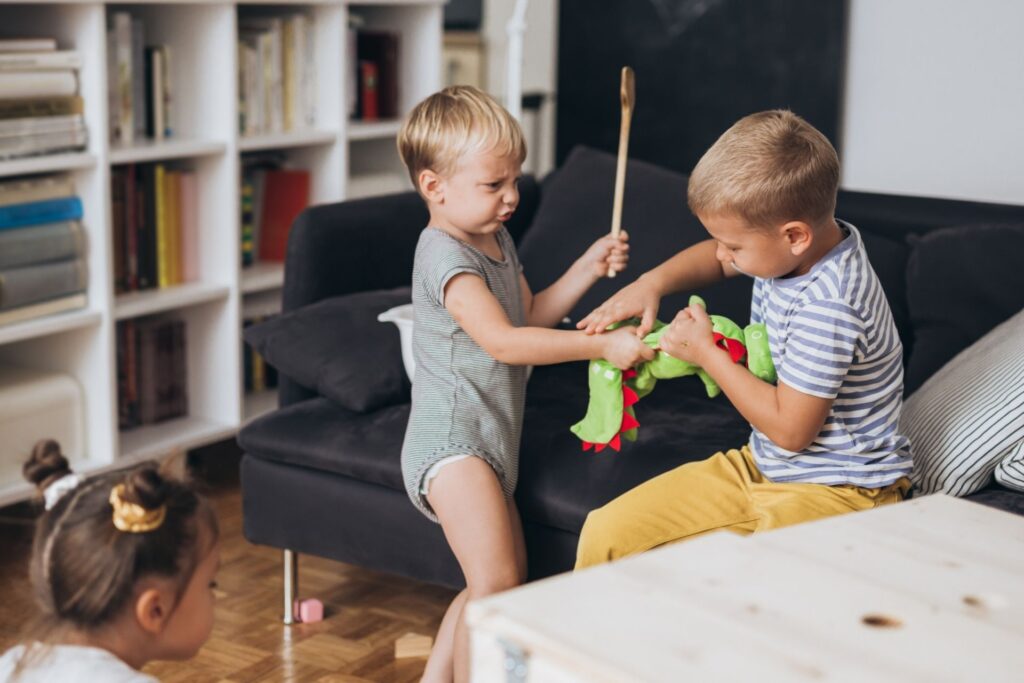
Little ones push back against cleaning for reasons that actually make a lot of developmental sense. First, cleaning interrupts whatever they were deeply involved in, like building a fort, acting out a story or living their best creative life. To a child, “Clean up, now” feels like someone pausing their favorite TV show mid-episode. There’s an emotional disruption adults often forget to account for.
Second, what appears to be a small mess to us feels monumental to them. Toddlers and preschoolers haven’t yet developed the skills to break a task into steps (called scaffolding).
When you say “clean your room,” they see a chaotic sea of toys, clothes, art supplies and crumbs. Their brain goes into overwhelm mode, and avoidance becomes the easier option. It’s understandable: A child’s brain doesn’t automatically break down “clean your room” into smaller, more approachable tasks.
Kids also mirror how adults talk about cleaning. If they often hear sighs, complaints, frantic last-minute cleaning before visitors or, “Ugh, I hate chores,” they absorb that negativity. The task becomes something unpleasant by association.
Lastly, young children thrive on clarity and immediacy. When the task is unclear, motivation tanks. “Clean your room” feels vague and endless. “Put the blocks in the basket” feels doable. Understanding these barriers provides parents with a roadmap to reduce overwhelm, make tasks concrete and incorporate the one thing kids naturally lean toward, which is play.
The power of play in building lifelong habits
Turning chores into games is about working with little ones’ brains rather than against them. They learn best through play because it activates curiosity, movement, imagination and problem-solving. Suddenly, the task feels like something they want to complete.
Play also introduces autonomy. Many kids resist chores because they feel they’re being controlled. Games flip this script by engaging kids as active participants, rather than reluctant helpers. When you give them a role, a mission or a challenge, they take ownership of the task instead of feeling pressured.
In the long term, this kind of positive engagement matters a great deal. Children who grow up doing age-appropriate chores could develop stronger executive function skills, which include moving between tasks, monitoring temporary information and avoiding unnecessary details to focus on the task at hand. These skills translate into school success and independence as they grow.
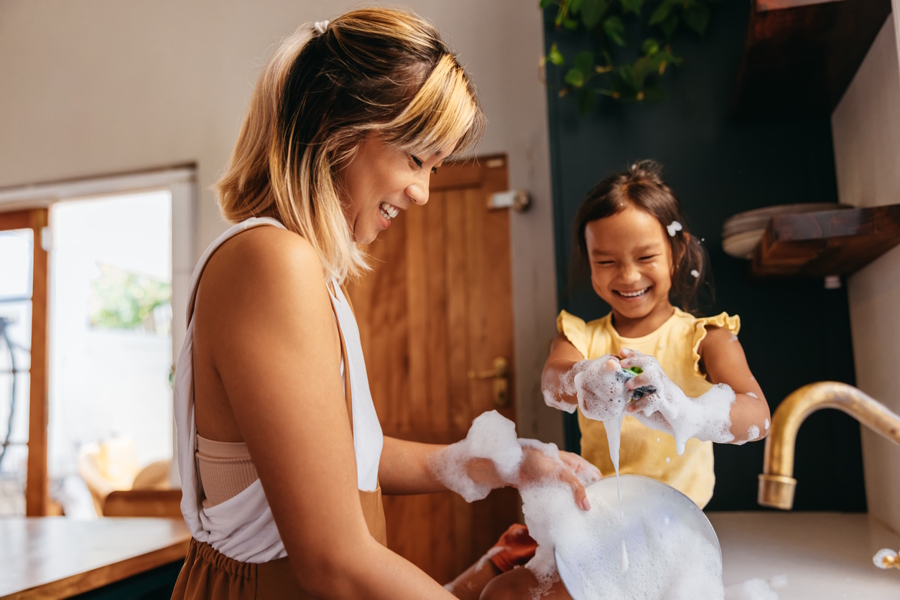
Gamified cleaning also strengthens family connections. Instead of a power struggle, you’re creating a moment of cooperation and shared energy. Try bringing your kids into more playful forms of cleaning, like washing the car or cleaning your garage door. The kids will enjoy spraying the surface with water and cleaning with a sponge and soapy water, and you’ll enjoy ticking something off your to-do list.
Similar to the way gardening helps children learn to take responsibility for living things, tidying their own room teaches them that taking care of their environment is a normal part of life, rather than a punishment or a chore assigned when adults are frustrated.
Games that make chores fun
With a little imagination, cleaning transforms kids’ responses from “ugh” to “oooh!” Try sprinkling a few of these playful ideas into your household chore routine:
- Speed Racer: Set a fast timer — one or two minutes — and shout, “Ready, set, clean!” Kids love racing the clock, and shorter rounds keep them focused. You can even create levels like a video game: Level 1 is toys, Level 2 is books, Level 3 is clothes, for example. Celebrate each win with high fives, not prizes.
- Treasure Hunt: Hide small surprises like stickers, marbles, tokens or notes among the mess and make finding them an incentive. As kids clean, they “discover” treasures. This works especially well if motivation is low or the mess is overwhelming. The trick is to hide just a few items so the game stays exciting without becoming a search party that slows progress.
- Color Quest: This one is perfect when the room is a disaster. Call out a color, and kids collect only items of that color. Rotate through the rainbow until the space is clear. It teaches sorting skills and breaks the task into simple, achievable chunks.
- Dance-Off Cleanup: Turn on a fun playlist. Everyone cleans while dancing, but when the music stops, they must freeze in place. It burns energy, builds rhythm and keeps children engaged far longer than the usual “pick that up, please.”
- Cleanup Crew Challenge: Assign playful job titles like The Collector, who picks up items; The Sorter, who groups items; The Captain, who directs where things go; and The Inspector, who checks for missed spots. Switch roles every cleanup session to keep it fresh. Kids love feeling official and important.
- Mystery Item Mission: Tell them there’s one special item you’re thinking of, like a shoe, a toy or a book. They must clean until they find it. This adds suspense and keeps them motivated until the room is actually tidy.
- Beat the Parent: The children clean one area while you clean another. If they finish first, they win. Kids love beating adults, so it’s instant motivation.
These games turn tidying into something little ones feel excited to participate in, rather than something they feel they have to escape from.
Let the games begin
When cleaning feels like play, children stop seeing it as punishment and start seeing it as something they can actually enjoy. Try one of these games (or invent one of your own!) and watch the daily cleanup chaos transform into teamwork, laughter and surprisingly tidy spaces.