 Seattle Family Calendar
 Subscribe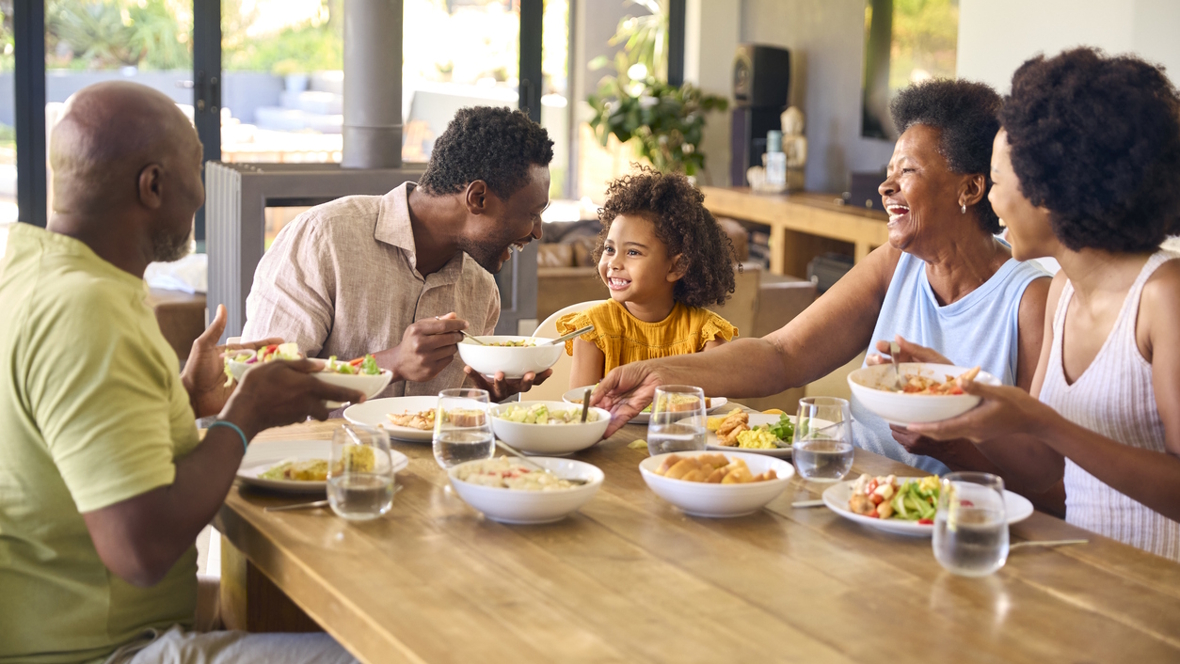

Learn more of Jennifer Anderson’s tips and tricks to make kids’ nutrition easier in her ParentMap webinar, Tuesday, Sept. 30 live at noon PST and on-demand! Sign up online for this and other ParentEd Talks.
Years ago, Jennifer Anderson, a Washington D.C. area mom of two boys, found herself in a pickle — and not the crunchy fun kind that’s all over her Instagram feed. She was at the pediatrician’s office, and they told her that her son, who had been struggling to stay on the growth charts, was just not gaining enough weight. She’d tried everything she knew, and as a registered dietitian with a master of science in public health who was working at the USDA, that meant she’d tried quite a bit. “This is trickier than I thought,” she remembered feeling.
A few years later her child’s preschool teacher was educating kids on fruits and vegetables, and invited her to speak — she jokes a room full of preschoolers is much more intimidating than a conference room of thousands of adults, by the way. As she planned her presentation to her pint-sized audience, she realized she’d have to meet them where they were.
“What would be useful when you’re 3 or 4? What would you care about? Coming in and saying ‘it’s healthy for you’… ‘and eat fruits and vegetables instead of cookies’… I couldn’t have done that. It makes no sense, and doesn’t connect to their life in any way,” she says. Instead, she wrote a lesson about a rainbow that, along with her experience with her baby who couldn’t gain enough weight, would become the backbone of her business, Kids Eat in Color.
A business was born
She had a basket of fruits and vegetables. She said, “Red foods help your heart. Orange foods help you see in the dark. Yellow foods help your cuts heal. Green foods help your body fight sickness. Blue and purple foods help make your brain strong. White foods give you energy.”
She later shared it on social media. “It turned into a huge thing. People love it. The simplification, the positive energy behind it, and when you see a rainbow, you kind of just want to eat it!”
But more than toddlers eating a rainbow, she knew she was onto something. Parents have become deer in the headlights navigating dyes and chemicals, organic versus non-organic produce, and shame and worry about “hyperpalatable foods.”
“We can enjoy some of these foods that we don’t eat all the time without judging the crap out of them. We don’t have to be scared of our food. Over the past seven years, that’s gotten worse and worse,” she says. Today, her Instagram account has 2 million followers, where parents learn things like how to talk to their kids about the purpose of milk, or how picky eaters will love and hate the exact same dinner last week and today. She gets real about social media influencers versus the reality in everyday kitchens of moms and dads across the country.
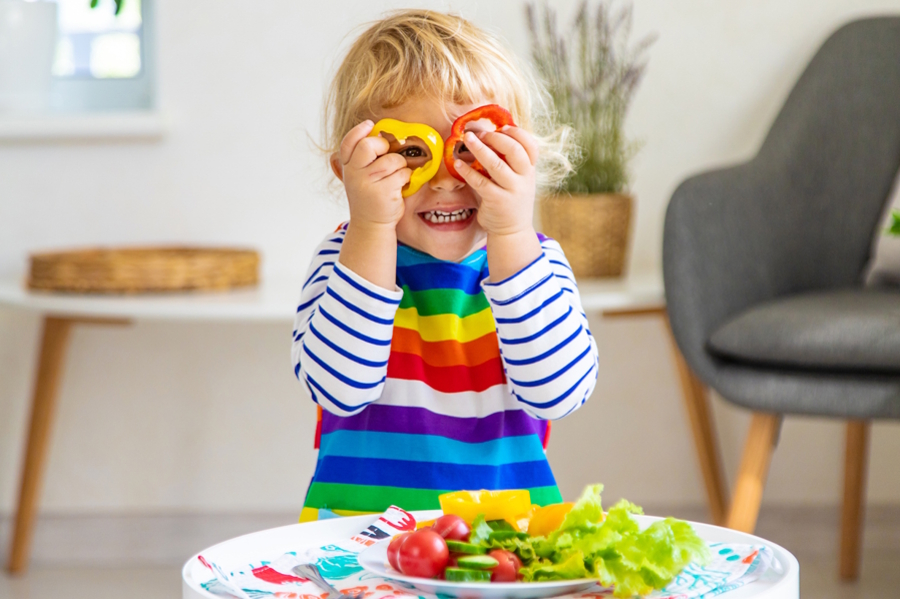
Educating parents and kids alike
Parents are scared — of sugar, of candy, of rotten teeth, of kids getting fat and of their parenting choices around food setting kids up (or not) for a lifetime of health. Anderson jumps to the heart of parents’ fears around food, with specific dialogue about helpful and harmful phrases.
“Sometimes” foods: Anderson doesn’t refer to foods “good” or “bad.” You might even find her serving a few gummy bears with dinner alongside fruits and vegetables. For example, one of her recent posts pointed out that you don’t have to choose an extreme way of thinking. Instead of “processed meat will give you cancer,” you can swap in the phrase “for us, pepperoni is only for when we have pizza.”
Moving the scale: In our weight-obsessed society, Anderson says it’s time to “recenter our focus.” What if we talked about carbs in relation to fiber, rather than as a calorie bomb that makes us fat? She wants us to move the conversation away from weight and calories. “In the past [decade] I’ve been learning about eating disorder risk, and the effects of weight stigma, really coming down to children,” she says, pointing to data in her upcoming book that shows even toddlers are picking up on these stigmas.
Reprioritizing health: Sure, toxins in foods are terrifying. But in order of importance, Anderson wants to see families and food systems in our country:
- First, making sure a child has enough to eat.
- Next, make sure they are getting enough protein, avoiding allergies and other key priorities.
- Then, the microbiome should take the lead. “These things trickle down into health that lasts their entire life and improves their cancer risk.”
- Finally, additives and lifestyle choices. Even when parents avoid foods with chemicals, she says kids end up eating too many “hyperpalatable foods,” such as those with way too much added sugar, salt and fat added.
“We are so far away from the actual priorities that we should be thinking about with children that it’s really disturbing to me,” she says, pointing to food access, farm policies “getting chemicals into the ground that grow up into our foods, and water quality.”
Everyone can improve, and also you are already doing a good job
You won’t find Anderson preaching about her own kids’ perfect diets. In fact, you’ll see real content on her website and social media about how sometimes a bowl of cereal for dinner is just how it is. Anderson is hell-bent on helping parents take a break from the guilt in feeding their children. Of course, we can all improve on our kids’ diets — and her BetterBites program is aimed at helping parents get the most stubborn of stubborn little eaters on track. None of them naturally want to pick a pile of broccoli over Oreos, after all. But, Anderson says, if we give in to fear and guilt around “toxic foods” it will take the joy out of eating and parenting alike.
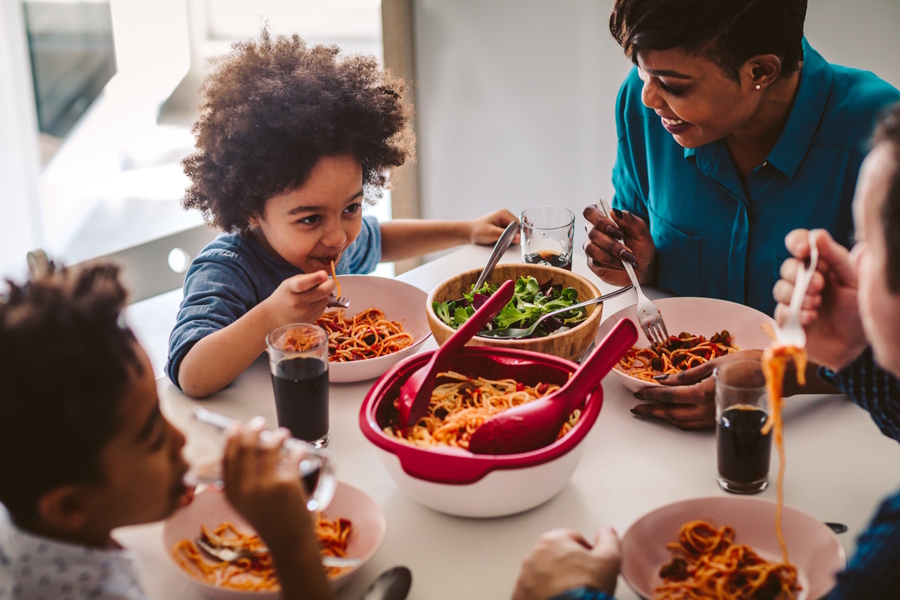
Instead, Anderson has an assignment for you tonight that has nothing to do with calories or dye-free food or nutrients — “Eat dinner with your child and have fun. Be funny, be silly, play a game. That connection around a variety of food that you’re modeling eating is where the magic is.”
More ways to enjoy food as a family:
- Charlotte’s Blueberry Park Expands Its Food Forest for Local Families
- 7 Great Places to Eat With Kids in Seattle’s International District
- 12 Hearty Soup and Stew Recipes for Chilly Evenings
- Best Seattle-Area Spots for a Sweet Afternoon Tea Outing With Kids
- The Best Places to Find Dumplings in Seattle